
Call : 0800 098 8877

Blog

£50 OFF Everything!

Use code XMAS50 at checkout min order £999 (Everything)

Autovents and Openers

About Our Greenhouse Autovents

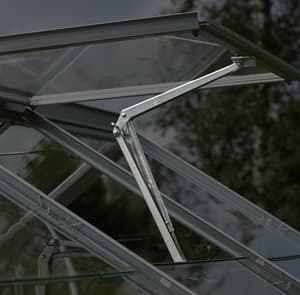
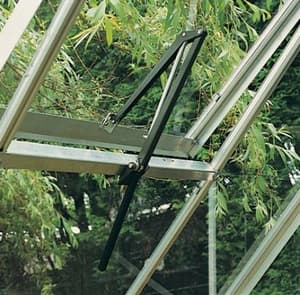
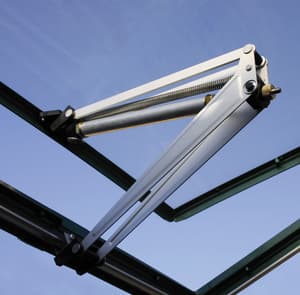
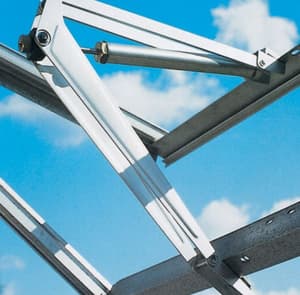
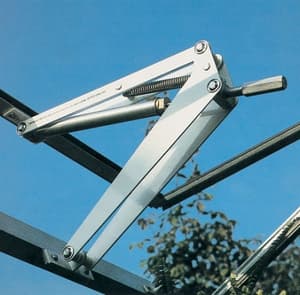
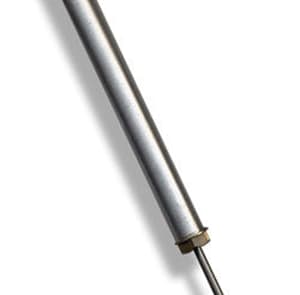
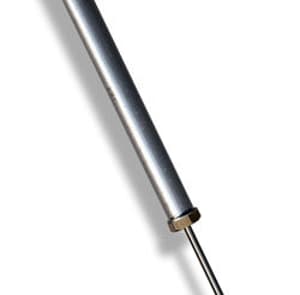
Greenhouse autovents are temperature-sensitive devices that automatically open and close vents based on internal temperature, protecting your plants from heat stress without requiring electricity or manual intervention. These ingenious devices use a wax-filled cylinder that expands when temperatures rise above 15-17°C, pushing the vent open to release excess heat, then contracts to close the vent as temperatures drop.

Our collection includes trusted brands like Bayliss Autovents, which have been the industry standard for over 40 years, alongside Elite Autovents and Vitavia Autovents designed specifically for their respective greenhouse ranges. All models are crafted from rust-resistant aluminium and require no solar panels or electric power—just reliable, physics-based ventilation.

Every autovent comes with free UK delivery, and you can pair them with Greenhouse Heaters and Greenhouse Staging to create the perfect growing environment. Our team has fitted thousands of these devices since 2012 and can guide you through selection and installation.


Key Features of Automatic Vent Openers

Temperature-Activated Operation

Opens automatically at 15-17°C, closes as temperature drops. No monitoring required.

Zero Running Costs

Wax-cylinder design needs no electricity, batteries, or solar power. Operates purely on thermal expansion.

Adjustable Lift Capacity

Standard models lift 7kg (perfect for polycarbonate vents), heavy-duty versions manage 15kg for glass or oversized vents.

Weather-Resistant Construction

Marine-grade aluminium bodies withstand UV exposure, rain, and temperature extremes from -30°C to +80°C.

Universal Compatibility

Fits most roof vents and Louvre Window Vents on wooden and aluminium frames. Special adapters available for unique installations.

Long Service Life

Quality autovents function reliably for 10-15 years with minimal maintenance. Replacement cylinders extend lifespan indefinitely.


Choosing Your Greenhouse Autovent

1. Match Lift Capacity to Vent Weight

Start by matching lift capacity to your vent weight. Polycarbonate vents (typically 3-6kg) work perfectly with standard autovents rated at 7kg. Glass vents or larger roof panels require heavy-duty models like the Bayliss XL, which handles up to 15kg. Undersizing causes partial opening and poor ventilation; oversizing isn't problematic but costs more than necessary.

2. Consider Opening Temperature

Consider opening temperature if you grow temperature-sensitive crops. Standard models open at 15-17°C, ideal for general cultivation. Some gardeners in northern UK regions prefer models that trigger at 13°C for cold-sensitive seedlings, while Mediterranean crop growers may want 20°C opening points. Adjustable models like the Bayliss MK7 offer 4°C of tuning range.

3. Check Frame & Brand Compatibility

Check compatibility with your greenhouse frame. Most autovents mount via brackets that clamp onto glazing bars or frame channels. While premium wooden greenhouses like Swallow models come equipped with Bayliss autovents as standard, you may be buying replacements or adding them to other vents. For these, or other wooden frames, you'll fix the bracket directly to the wood using screws instead of clips. If you're unsure about fitment, particularly with older or imported greenhouses, contact our team on 0800 098 8877 before ordering.

Prices start from £34 for reliable Bayliss Standard autovents, rising to £89 for heavy-duty or solar-assisted models. Budget £45-55 for most typical 6x8ft greenhouse installations. You can add autovents to any greenhouse order using our accessory selector—we've been matching components to greenhouse models for over 15 years and know exactly what works.

Pair your autovent with Shading & Clips for complete temperature control, and browse our Greenhouse Growing Guide for ventilation best practices throughout the growing season.


Comparing Autovent Types: What You Need to Know

Hydraulic (Wax-Cylinder) Autovents

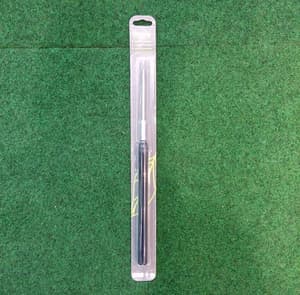
The most common and reliable type. A sealed cylinder filled with mineral wax expands 20-30% when heated, pushing a piston that opens the vent. Bayliss pioneered this design in 1968, and it remains unchanged because it simply works. These models need no power source, never run flat, and tolerate years of outdoor exposure. The only maintenance is lubricating the piston annually and removing the cylinder in winter if temperatures drop below -15°C regularly.

Solar-Powered Electric Openers

Battery-operated motors powered by small solar panels. These offer adjustable opening temperatures via electronic controls and can handle very heavy vents (20kg+). The trade-off is complexity—batteries degrade after 3-5 years, sensors can fail, and they stop working on cloudy weeks. They cost 2-3 times more than wax models and suit only commercial growers who need precise climate control.

Standard vs. Heavy-Duty Models

Standard autovents (7kg capacity) cover 80% of home greenhouse applications. You need heavy-duty only if you have: double-glazed glass vents weighing 10kg+, oversized roof panels above 90cm x 90cm, or louvre vents with 4+ panes. Heavy-duty units use stronger springs and larger cylinders but operate identically otherwise.


Will This Fit Your Greenhouse?

Aluminium Frame Greenhouses

(Elite, Halls, Palram, Vitavia) Yes, with standard mounting brackets. These frames have consistent glazing bar profiles that accept universal clips. Elite Autovents ship with brand-specific brackets, but Bayliss models include adapters for all major UK brands.

Wooden Greenhouses

(Swallow, bespoke builds) Yes. It's worth noting that all new Swallow Greenhouses include Bayliss autovents as standard. If you are buying a replacement or fitting one to another wooden frame, the mounting differs from aluminium. You'll fix the autovent bracket directly to the wooden vent frame using wood screws rather than clips. The vent itself must open smoothly on its hinges—warped or stiff vents won't operate properly even with the correct autovent.

Polycarbonate Greenhouses

Absolutely. Polycarbonate vents are lightweight (3-5kg), so any standard autovent will lift them easily. The concern is frame quality—budget greenhouses sometimes have poorly aligned vents that bind when opening. Test your vent opens smoothly by hand before installing an autovent.

Vintage or Imported Greenhouses

Compatibility varies. Pre-1990s British greenhouses often have wider glazing bars that need custom brackets. European imports may use metric sizing that doesn't match UK standard fittings. Send us photos of your vent mechanism and frame to sales@greenhousestores.co.uk and we'll confirm fitment before you order.


Installation & Maintenance Guide

Fitting Your Autovent (15-Minute Job)

  1. Ensure the vent opens and closes freely by hand—adjust hinges if it sticks
  2. Position the autovent with the cylinder vertical (piston facing down when closed)
  3. Attach the mounting bracket to the greenhouse frame using provided clips or screws
  4. Connect the push rod to the vent frame, typically via a supplied eyelet
  5. Adjust opening distance by changing the rod connection point (closer = wider opening)

Most installations need only a screwdriver and pliers. The critical error is mounting the cylinder at an angle, which causes uneven expansion and reduced lifting power. Keep it vertical regardless of your vent's slope.

Seasonal Maintenance Checklist

  • Spring: Lubricate the piston rod with silicone spray, check all screws are tight, test that the vent opens fully by 20°C.
  • Autumn: Clean debris from moving parts, verify the vent closes completely as nights cool, consider removing the cylinder if winter temperatures drop below -15°C.
  • Winter: Store removed cylinders indoors to prevent wax degradation in extreme cold. Leave the bracket and push rod installed for quick spring reinstallation.

Annual lubrication extends cylinder life from 10 years to 15+ years. Use only silicone or PTFE lubricants—never oil-based products, which attract dirt and gum up the mechanism.


Troubleshooting Common Autovent Problems

Autovent Won't Open

Check the cylinder isn't seized. Warm it indoors to 25°C and watch if the piston extends—if not, the cylinder needs replacing (£18-25 for spare cylinders). If the piston moves but the vent doesn't, the issue is mechanical: the push rod may be disconnected, the vent hinges might be binding, or the autovent is undersized for the vent's weight. Test by disconnecting the push rod and manually opening the vent—if it's stiff, that's your problem.

Vent Opens Too Early or Too Late

Wax cylinders have ±2°C manufacturing tolerance. If your autovent opens at 13°C instead of the stated 15°C, that's normal variation. For more control, upgrade to an adjustable model like the Bayliss MK7, which has a temperature dial offering 4°C of tuning (e.g., 15-19°C). You can also change the effective opening point by repositioning the push rod connection—lengthening it makes the vent open earlier.

Vent Opens But Won't Close Fully

This indicates the return spring has weakened or the cylinder has lost pressure. Wax cylinders gradually lose effectiveness after 12-15 years as seals age. Replace the cylinder rather than the entire unit. If the autovent is less than 5 years old and this happens, the vent itself may have dropped on its hinges, preventing full closure—adjust the hinge screws.

Piston Rod is Bent or Corroded

Physical damage, usually from forcing the vent closed manually while the cylinder is hot. Never override an autovent by pushing the vent shut—you'll bend the rod or damage internal seals. If you need to close a vent despite warm temperatures (e.g., for storm protection), disconnect the push rod first. Bent rods can sometimes be straightened in a vice, but replacement rods cost only £8-12.


Are Autovents Worth the Investment?

A £45 autovent prevents heat damage that could kill £100+ worth of plants in a single afternoon. Temperatures inside an unvented greenhouse can exceed 45°C on sunny spring days—even when it's only 18°C outside. Seedlings, lettuce, and herbs scorch in under 2 hours at those temperatures. Tomatoes and peppers survive but suffer blossom drop, reducing your harvest by 30-40%.

Manual ventilation means you're tied to your greenhouse every warm day, opening vents in the morning and closing them before evening temperatures drop. Miss it once and you'll either lose plants to heat or expose them to cold shock overnight. For people who work full-time or travel, autovents are the only practical solution.

Autovents also improve plant health by maintaining consistent humidity. Sudden temperature swings cause condensation, which encourages fungal diseases like botrytis and powdery mildew. Automatic ventilation keeps air moving and temperatures stable, reducing disease pressure and cutting fungicide needs by 50-70% in trials conducted by RHS Wisley in 2018.

The payback period is typically one growing season. You'll save plants worth more than the autovent cost, gain freedom from twice-daily vent checks, and reduce watering frequency because plants aren't heat-stressed. After 10+ years of reliable service, that's a cost of under £5 per year—less than a single packet of seeds.


Frequently Asked Questions about Greenhouse Autovents

  • How do I fit an autovent to my greenhouse?

    Attach the mounting bracket to your greenhouse frame using the supplied clips (aluminium frames) or screws (wooden frames), ensuring the cylinder sits vertically. Connect the push rod to your vent frame, test that it opens smoothly by hand, and adjust the rod length to set your desired opening width. The process takes 10-15 minutes and requires only a screwdriver. Full instructions with diagrams are included with every unit, and you can watch fitting videos on our Greenhouse Growing Guide.

  • Can I fit an automatic opener to a louvre vent?

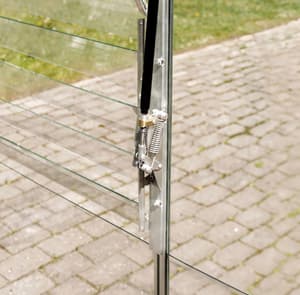
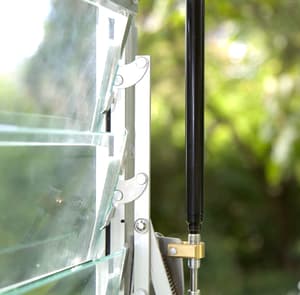
    Yes, but you need a specific automatic louvre opener designed for multi-pane louvre windows. Standard roof autovents won't work because louvres operate differently—they rotate multiple glass slats simultaneously rather than lifting a single panel. Louvre openers use a rack-and-pinion mechanism connected to the same wax-cylinder technology. They fit most UK louvre vents from 45cm to 90cm width.

  • Why has my autovent stopped working?

    The most common cause is a depleted wax cylinder after 10-15 years of service—the wax loses expansion capacity as seals age. Replacement cylinders cost £18-25 and install in 5 minutes. Other causes include: bent push rods from forced manual closure (straighten or replace the rod), corroded mounting brackets (clean with wire brush or replace), or binding vent hinges that prevent smooth movement (lubricate hinges and check alignment). If the cylinder feels warm but the piston won't extend, it's definitely cylinder failure.

  • What temperature do greenhouse autovents open at?

    Most models open at 15-17°C and reach full opening by 25°C, providing a 30-40cm vent gap. This range suits 90% of UK greenhouse crops. Adjustable models like the Bayliss MK7 let you tune the opening point between 13-19°C to match your specific plants—set lower for seedlings and tropical crops, higher for Mediterranean vegetables. Opening temperature is measured inside the greenhouse, not outside air temperature.

  • How much does a greenhouse autovent cost?

    Prices start from £34 for standard Bayliss autovents suitable for most 6x8ft greenhouses with polycarbonate or horticultural glass vents. Heavy-duty models for larger or double-glazed vents cost £65-89. Louvre vent openers run £45-60 depending on window size. Replacement wax cylinders cost £18-25, and you'll need one cylinder per vent. All prices include free UK delivery, and we'll help you select the correct model for your greenhouse over the phone.

  • Do I need an autovent for every vent in my greenhouse?

    Not necessarily. A single roof vent opener on a 6x8ft greenhouse provides adequate ventilation for most crops if you also have fixed louvre vents for passive airflow. Greenhouses above 8x10ft benefit from two autovents (one at each end) to create cross-ventilation and eliminate hot spots. If you grow high-value crops like orchids or propagate seedlings commercially, install autovents on all opening vents to maximize climate control precision.

  • Can autovents work in winter, and should I remove them?

    Autovents function year-round and will open during sunny winter days when greenhouse temperatures rise above 15°C, preventing heat build-up that stresses overwintering plants. However, if your region experiences temperatures below -15°C regularly, remove the wax cylinder and store it indoors to prevent seal damage. The bracket and push rod can stay installed. In milder UK regions (most of England, Wales, and Southern Scotland), you can leave autovents fitted all winter without issues. Expect 10-15 years lifespan with cylinders left in place, 15-20 years if removed each winter.


Ready to Automate Your Greenhouse Ventilation?

Browse our complete range of greenhouse autovents above, from trusted brands with decades of proven performance. Every model includes free UK delivery and straightforward installation. If you need help choosing between standard and heavy-duty models, or confirming compatibility with your specific greenhouse, our specialist team is available on 0800 098 8877 or at sales@greenhousestores.co.uk. We've been matching autovents to greenhouses since 2012 and know exactly what works for your setup.

Pair your autovent with Greenhouse Accessories like staging, heaters, and shading to create the perfect controlled environment for your plants.