
About Greenhouse Louvre Window Vents & Airflow
A greenhouse louvre vent is the most critical component for low-level air intake and temperature regulation. By drawing in cooler, CO2-rich air from the ground level, louvres create a "chimney effect" that pushes hot, stagnant air out through the roof vents. Our professional-grade 5-blade and 6-blade louvre kits are engineered from corrosion-resistant aluminium and are designed to replace a standard pane of glass, providing precision-controlled ventilation that prevents fungal diseases and heat-stress in summer months.
Why We Chose This Range
“We curating our Louvre Vent range based on 'Seal Integrity'. Many generic louvres leave gaps when closed, which is disastrous for heat retention during a UK winter. We chose these specific kits because they utilize overlapping blade technology and heavy-duty aluminium side-runners. This ensures that when the temperature drops, the louvre provides a surprisingly tight thermal seal, protecting your tender perennials from icy drafts while still offering maximum airflow in July.”
— Matt, Founder of Greenhouse StoresComparison: Official Louvre Kits vs. Universal Alternatives
| Feature | Elite/Vitavia Louvre Kit | Budget Universal Louvre |
|---|---|---|
| Blade Count | 5 or 6 Blade Options | Usually 3 or 4 Blade |
| Material | Architectural Aluminium | Thin Gauge Steel/Plastic |
| Glazing Support | Toughened Glass Standard | Plastic/Acrylic Only |
| Seal Quality | Overlapping Weather Seal | Gapped/Standard Fit |
🔧 Matt's Installation Tip: The "Prevailing Wind" Rule
For maximum cooling efficiency, always install your louvre vent on the side of the greenhouse that faces the prevailing wind. This creates a forced-air intake that is significantly more effective than passive convection. If you have a larger structure (over 10ft), I recommend staggered louvres—one at the front on the left, and one at the back on the right—to eliminate 'dead air' corners.
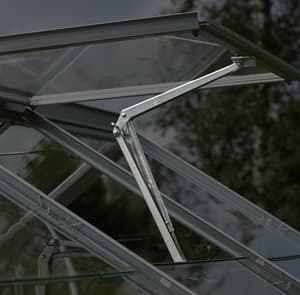
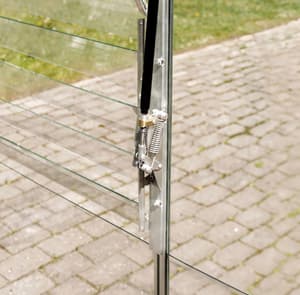
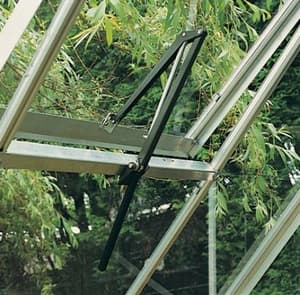
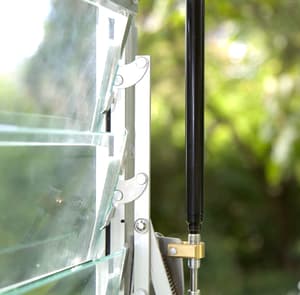
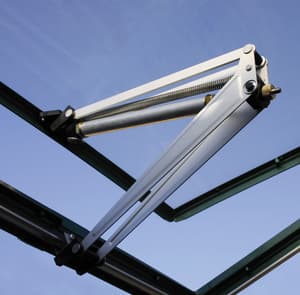
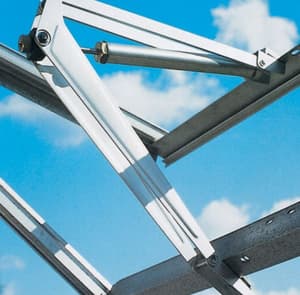
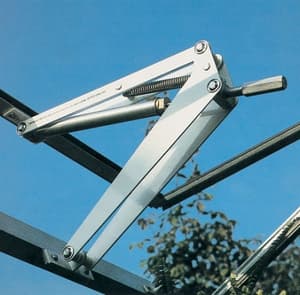
Crucially, when fitting an Automatic Louvre Opener, make sure the blades move absolutely freely by hand first. If the aluminium frame is slightly twisted during installation, the extra friction will burn out the wax cylinder in the opener within a single season. A tiny drop of silicone lubricant on the pivot points once a year will keep the mechanism silent and smooth.”
Frequently Asked Questions
-
Where should I position a louvre vent?
Louvre vents should be positioned at low level, typically in the bottom half of a side or rear wall. This allows the vent to pull in the coolest air possible. For the best circulation, place the louvre at the opposite end of the greenhouse to your door or roof vents.
-
Can I add a louvre vent to an existing greenhouse?
Yes. Most louvre kits are designed to replace a standard 610mm x 610mm (2ft x 2ft) pane of glass. You simply remove the glass, install the louvre frame into the existing glazing channels, and then fit the smaller glass blades into the louvre mechanism.
-
Are louvre vents better than roof vents?
They serve different purposes. Roof vents are essential for letting hot air escape (exhaust), while louvre vents are essential for letting cool air in (intake). For a healthy growing environment, you ideally need both working in tandem.