December Gardening Jobs UK
Matt W | Greenhouse Installer & Gardener
December gardening jobs in the UK cover 30+ tasks across greenhouse management, bare-root planting, and storm preparation. Maintain 5-7°C minimum in your greenhouse with bubble wrap insulation (cuts heat loss by 40-50%). Plant bare-root roses and fruit trees at 30-50% less than potted equivalents. Check every glazing clip before winter storms. Drain outdoor taps to avoid £200-£500 repair bills.
Key Takeaways
- Ventilate above 10°C for 2-3 hours daily to prevent grey mould.
- Bubble wrap insulation cuts greenhouse heat loss by 40-50%.
- Plant bare-root stock now at 30-50% less than potted plants.
- Check all glazing clips before storms to prevent pane loss.
- Drain outdoor taps or fit jackets to avoid frozen pipe damage.
Expert Tip
We fit greenhouses through December every year. The number one issue we see is damp, not cold. Gardeners worry about frost but forget about ventilation. A sealed greenhouse loses more plants to grey mould than a ventilated one loses to cold. Open those vents on mild days.
December might be the darkest month of the year. But your garden does not have to hibernate completely. This is one of the most important months for December gardening jobs that set you up for spring success. Most of the UK gets just 7.5 hours of daylight and 1-7°C temperatures. December is about protection, maintenance, and strategic planting.
This guide covers keeping your greenhouse productive through the coldest weeks. It covers planting bare-root trees that will thrive for decades. Battling grey mould? Wondering if you can still plant tulip bulbs? We have the answers.
The greenhouse in December: regulate and protect
Your greenhouse is your most valuable asset during winter. A well-managed greenhouse extends your growing season by 4-8 weeks on either side. But December brings specific challenges that need addressing.
Managing the microclimate
The biggest killer in December greenhouses is damp, not cold. Botrytis (grey mould) thrives between 4°C and 15°C with humidity above 85%. December's cold nights and occasional mild days create exactly these conditions. Read our guide on controlling grey mould in the greenhouse for a full breakdown.
- Ventilation is your first line of defence. On any day above 10°C, open vents or doors for 2-3 hours during the warmest part of the day. This air exchange reduces humidity by 15-25% and stops moisture settling on leaves. Close everything by 3pm to trap warmth before temperatures drop.
- Heating keeps frost at bay. Most tender plants need temperatures above 5°C to survive. Tropical varieties require 10°C minimum. A 2kW electric heater maintains a 6ft x 8ft greenhouse 5°C warmer than outside. That costs roughly £1.20-£1.80 per night during the coldest weeks.
Browse our range of greenhouse heaters to find the right solution. If running costs concern you, our guide on heating your greenhouse without electricity covers paraffin and thermal mass options.
Insulation essentials
Heat loss through glass runs at approximately 6W per square metre for every 1°C difference between inside and outside. For a typical 8ft x 6ft greenhouse on a -5°C December night, that is over 300W of constant heat escaping.
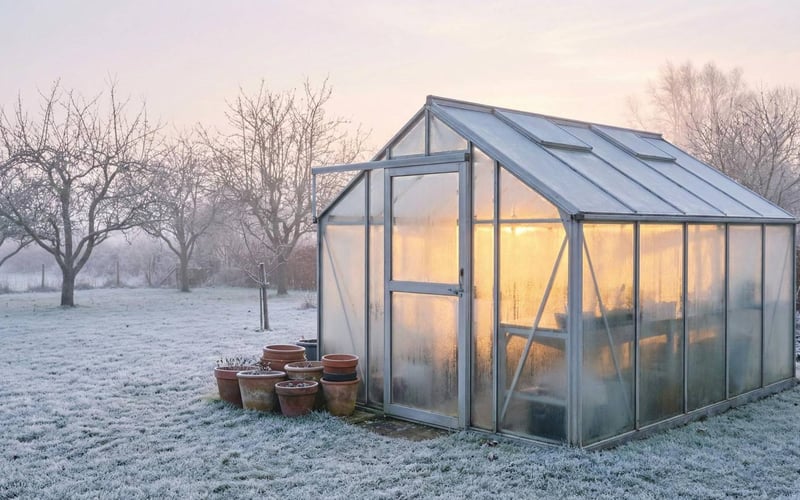
- Bubble wrap insulation cuts heat loss by 40-50%. The air pockets create a thermal barrier while allowing 80% of light transmission. That is critical during December's short days. Install it on the inside of the glass with a 10-20mm air gap.
- Use proper greenhouse clips rather than tape. Tape fails when temperatures fluctuate. You will spend spring scraping adhesive residue off glass. Quality clips hold firm through -10°C frosts and pop off cleanly in April.
Our greenhouse accessories collection includes insulation kits and clips for aluminium and wooden frames.
|
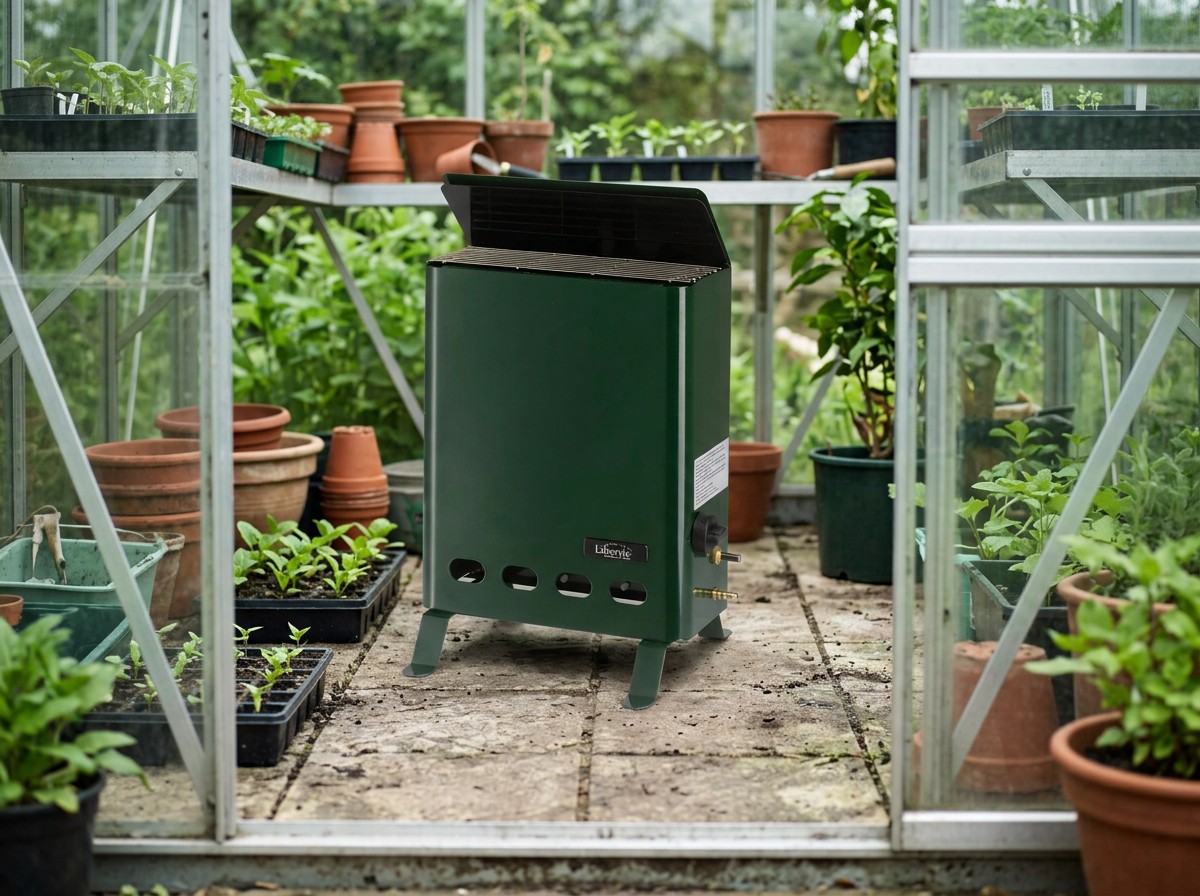
Matt's Pick for December HeatingBest For: Frost protection in small to medium greenhouses Why I Recommend It: I have fitted dozens of these in customer greenhouses. The slimline design tucks against the back wall without blocking staging space. It keeps a 6x8 greenhouse above 5°C through the coldest December nights. Price: £75 |
Winter-proofing your structures
Most gardening guides mention "checking your greenhouse" without explaining what to actually check. Here is a detailed breakdown that could save you hundreds in repairs.
Storm preparation
December brings the highest average wind speeds of the year. Averages sit at 12-15mph with gusts exceeding 50mph during storms. Your greenhouse glazing is most vulnerable during these events. Our greenhouse wind damage guide covers the full storm preparation checklist.
- Check every glazing clip. On aluminium greenhouses, clips work loose over time. A single missing clip creates a weak point where wind lifts entire panes. Replacement clips cost under £1 each. Replacing a 610mm x 610mm toughened glass pane costs £25-£40.
- Inspect rubber seals and weatherstripping. After 8-10 years, rubber degrades and shrinks. This creates gaps that whistle in wind and leak heat. Replacement seals cost approximately £15-£25 for a 6ft x 8ft structure.
- Clear gutters of compacted leaves. Blocked gutters cause water to pool. When that water freezes, ice can crack glass or warp aluminium frames. A 10-minute clearout prevents hundreds of pounds in damage.
The Vitavia Venus 8x6 Greenhouse features toughened safety glass and integrated guttering for UK weather conditions.
Water management
Frozen pipes cause an average of £8,000 in home insurance claims each year. Your garden infrastructure is equally vulnerable.
- Drain outdoor taps or fit insulating jackets. Water expands by 9% when it freezes. Standard brass fittings cannot withstand this pressure. A £5 insulating jacket prevents a £150 plumber's bill.
- Empty water butts if they freeze solid. A full 200-litre butt can crack when ice forms from the top down. Alternatively, float a tennis ball on the surface. This gives ice something to compress against rather than the butt walls.
- Check timber treatment on sheds and outbuildings. December's damp conditions accelerate rot in untreated wood. A coat of preservative takes 2 hours and adds 5-7 years to shed life. Browse our potting sheds for pressure-treated options requiring minimal maintenance.
What to plant in December (UK)
December is not a month of explosive growth. But it is perfect for planting dormant stock that establishes strong root systems before spring.
Bare-root varieties
Bare-root plants cost 30-50% less than containerised equivalents. They often establish better because roots have not circled in a pot. December through February is prime planting season.
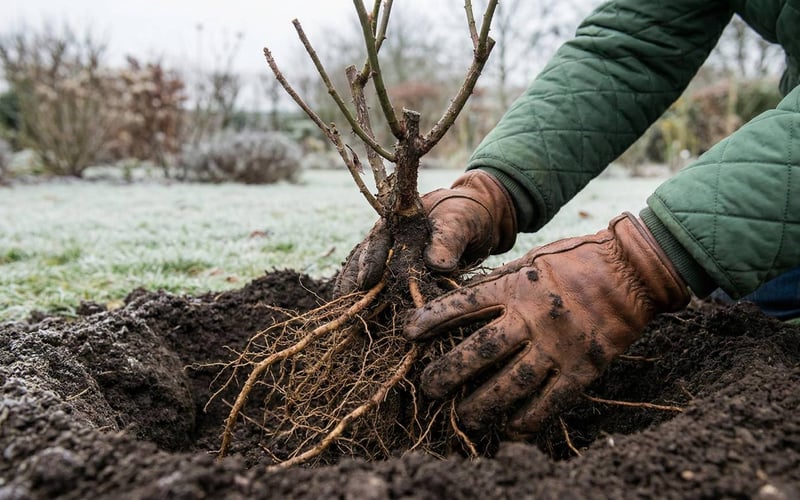
- Fruit trees are the best December investment. Apple, pear, plum, and cherry trees planted now produce fruit 2-3 years sooner than spring-planted specimens. Dig a hole twice the width of the root spread. Position the graft union 10cm above soil level and stake firmly.
- Bare-root roses go in during any mild spell when the ground is not frozen. Soak roots for 2 hours before planting. Spread them over a mound of soil in the planting hole. Ensure the bud union sits just below soil level.
- Hedging plants like beech, hawthorn, and hornbeam establish fastest when planted dormant. A 30-metre hedge costs 60-70% less using bare-root whips versus potted plants.
Winter harvests and hardwood cuttings
Your outdoor plot is not entirely dormant. December is prime harvest time for several crops.
- Parsnips and leeks improve after frost. Cold temperatures convert starches to sugars. Parsnips harvested after December frosts taste noticeably sweeter than autumn-lifted roots.
- Brussels sprouts are at their best from December through February. Pick from the bottom of the stalk upward, taking 2-3 per plant each week.
- Take hardwood cuttings of soft fruit bushes (currants, gooseberries) and ornamental shrubs (dogwood, willow). Cut 20-30cm pencil-thick stems. Dip the base in hormone rooting powder. Push two-thirds into prepared ground. By next November, expect a 90%+ success rate with free plants.
For tips on keeping your greenhouse productive through winter, read our guide on what to grow in a greenhouse in winter.
Frost protection for outdoor plants
UK temperatures drop below -5°C on average 15-20 nights per year. Most of those occur between December and February. Preparation now prevents losses later.
Using cold frames and cloches
Cold frames add 4-6°C to ambient temperature. More importantly, they keep plants dry. In December, wet cold kills far more plants than dry cold.
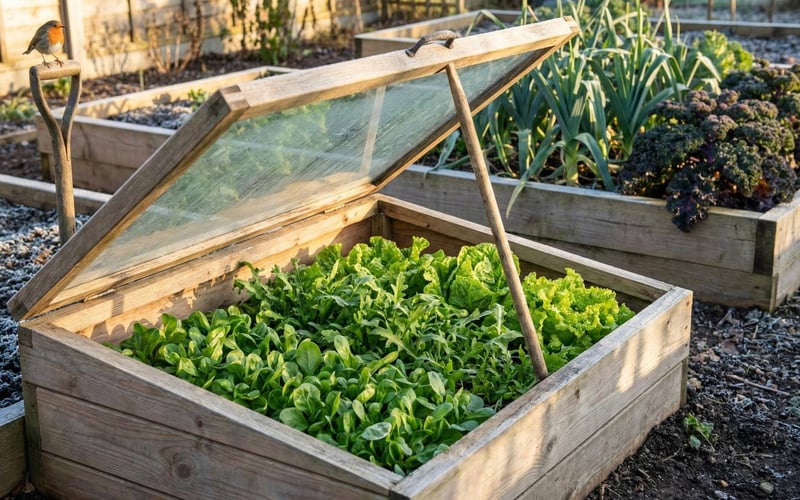
- Move hardy winter salads into protection. Lettuce, rocket, and lamb's lettuce survive light frosts. But they rot quickly when cold rain sits on their leaves. A cold frame keeps them productive through January.
- Overwinter tender perennials in frames. Fuchsias, pelargoniums, and tender salvias survive if kept dry and frost-free. Cut back top growth by two-thirds. Pot up and place in a cold frame with the lid cracked on mild days.
Our mini greenhouses and cold frames include compact options for small gardens and patios.
Protecting potted plants
Container plants are 10-15°C more exposed than ground-planted equivalents. Cold air surrounds the root ball on all sides.
- Raise pots off the ground. Use pot feet, bricks, or wooden slats to create a 2-3cm gap. This prevents waterlogging, improves drainage, and stops the base freezing to paving.
- Group pots together against a south-facing wall. Thermal mass from brickwork radiates warmth overnight. Grouped pots shelter each other. This simple arrangement keeps roots 3-5°C warmer.
- Wrap vulnerable containers in fleece or bubble wrap. Focus on the pot rather than the plant. The root ball is more cold-sensitive than dormant top growth. Two layers of horticultural fleece provides approximately 4°C of protection.
For detailed advice on protecting specific plants, read our overwintering plants guide.
Matt's Tip: The December Watering Trap
I see this every winter. Gardeners water their greenhouse plants on the same schedule they used in summer. In December, most plants need 80% less water. Overwatering in cold conditions causes root rot faster than any frost. Water only in the morning so excess moisture evaporates before evening temperatures drop. Check compost with your finger before reaching for the watering can.
Rainy day jobs: tool maintenance and planning
December averages 13-15 rainy days across the UK. Use them productively in the shed or greenhouse rather than losing them to frustration.
Tool care
Sharp, clean tools make gardening easier and prevent disease spread. December is the perfect month to get everything in order. Our guide on how to clean greenhouse glass covers the full winter cleaning process.
- Clean all cutting tools with methylated spirit. This removes sap residue and kills fungal spores that spread disease next spring. A 5-minute wipe-down now saves hours of pest management later.
- Sharpen secateurs and shears. A quality sharpening stone costs £8-£15 and transforms cutting performance. Sharp blades make clean cuts that heal quickly. Blunt blades crush stems and invite infection.
- Oil wooden handles and metal parts. A thin coat of linseed oil on handles prevents cracking. A spray of WD-40 on blades prevents rust. Store tools hanging up, not lying in drawers where moisture collects.
- Service the lawnmower. Drain old fuel (it degrades over winter and clogs carburettors). Clean the underside and sharpen the blade. Book a professional service if it has been more than 3 years. A £40 service prevents a £400 replacement.
Planning and organisation
Organised gardeners grow 20-30% more produce. They waste less time searching for things and more time actually gardening.
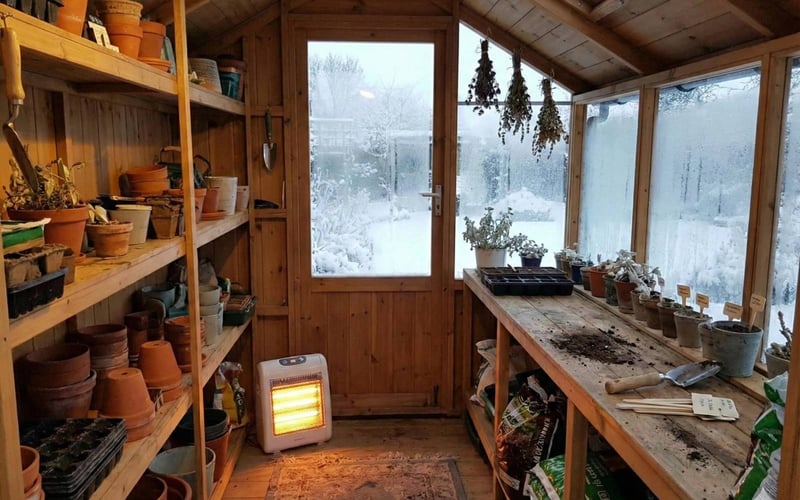
- Sort your pot collection. Stack by size, recycle cracked containers, and count what you have. Most gardeners overestimate their pot supply and buy duplicates.
- Tidy greenhouse staging. Wipe down shelves with diluted Jeyes Fluid (1:10 ratio) to kill overwintering pests and diseases. Reorganise so tallest plants go at the back. Light-hungry seedlings get prime positions.
- Order seed catalogues. The best varieties sell out by February. Make a list of what you want to grow. Calculate sowing dates working backward from your last frost date. For most of the UK, that is typically mid-May. Place orders before mid-January.
Supporting wildlife through winter
Your garden supports hundreds of species through the lean months. A few December actions make a significant difference.
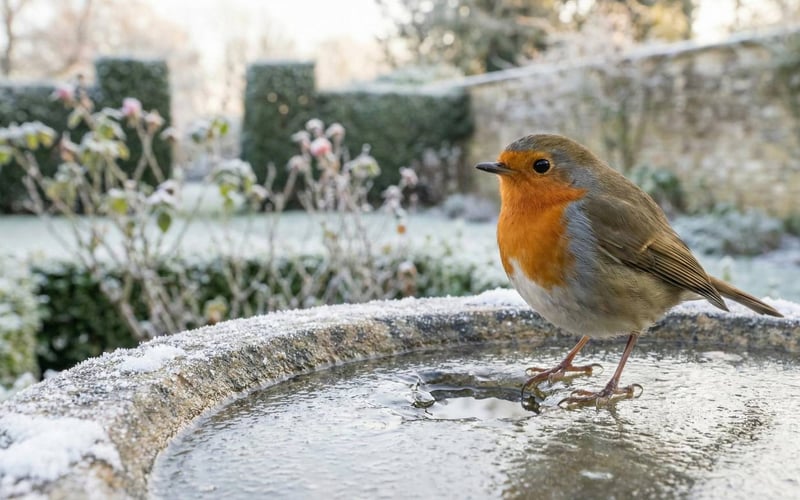
- Birds: Garden birds lose up to 10% of their body weight overnight during cold December nights. Provide high-fat foods (sunflower hearts, fat balls). Break ice on bird baths daily with lukewarm water.
- Hedgehogs: Numbers have fallen 30% in the last decade. Leave log piles in quiet corners for hibernation. Do not disturb compost heaps. Hedgehogs often sleep in the warm centre.
- Seed heads: Leave some seed heads standing. Goldfinches and siskins rely on teasels, sedums, and sunflower heads for food through winter.
December gardening jobs: quick reference checklist
Use this checklist to ensure you have covered all the essentials.
Greenhouse tasks
- Check heater function and fuel supply
- Install or repair bubble wrap insulation
- Ventilate on mild days (above 10°C)
- Water sparingly. Most plants need 80% less water in December.
- Monitor for grey mould and remove affected material immediately
Structural maintenance
- Inspect all glazing clips and replace missing ones
- Clear gutters of leaves and debris
- Check shed felt for tears or lifting
- Drain outdoor taps or fit insulating jackets
- Float a ball in water butts to prevent ice damage
Planting and harvesting
- Plant bare-root roses, fruit trees, and hedging
- Harvest parsnips, leeks, and Brussels sprouts
- Take hardwood cuttings of soft fruit bushes
- Plant garlic cloves in well-drained soil
Protection
- Wrap vulnerable pots in fleece
- Move tender perennials into cold frames
- Mulch borders with 5-10cm of organic matter
- Raise pots off cold ground
Frequently asked questions
What can I plant in December in the UK?
Plant bare-root trees, roses, hedging, and garlic cloves in December. Dormant plants suffer minimal transplant shock during this period. You can also sow broad bean seeds under cloches for early spring harvest and pot up rhubarb crowns for forcing. Avoid planting during frozen or waterlogged conditions. Wait for a mild dry spell when soil is workable.
Is it too late to plant tulip bulbs in December?
December planting reduces tulip fire disease risk by 50-60%. The cold soil prevents premature growth that is vulnerable to late frosts. Plant bulbs 15cm deep (three times the bulb height) in well-drained soil. You will still see blooms in April and May. They may appear 1-2 weeks later than autumn-planted bulbs.
How do I stop my greenhouse getting mouldy in winter?
Ventilate for 2-3 hours on any day above 10°C. Grey mould (Botrytis) thrives in cold, damp, stagnant conditions. Space plants so air circulates freely. Remove dead leaves promptly and water in the morning rather than evening. Running a small fan for 30 minutes daily also reduces humidity by 10-15%. If mould appears, remove affected material immediately.
What temperature should I keep my greenhouse in December?
Maintain a minimum of 5-7°C for most overwintering plants. Tender tropicals need 10-13°C. Running a thermostatically controlled heater set to 5°C costs roughly £15-£25 per month. The exact cost depends on your greenhouse size and insulation. Combining heating with bubble wrap reduces energy costs by 40-50%.
Can I cut my lawn in December?
Yes, if grass is growing and conditions are dry. Grass continues growing until temperatures drop below 5°C consistently. On mild days above 8°C, give the lawn a light trim. Set the mower to 70-80mm blade height. This prevents grass flopping and developing fungal problems. Never cut frozen, waterlogged, or frost-covered grass.
How do I protect outdoor taps from freezing?
Turn off the interior stop valve and drain residual water. Frozen pipes cause average repair bills of £200-£500. Fit an insulating jacket for under £10. For taps that must remain operational, use an electric trace heating cable wrapped around the pipe. These cost approximately £25 and run on a thermostat that activates below 5°C.
Make December count
A few hours of preparation in December saves weeks of repair work in spring. Your greenhouse can remain productive. Your structures stay sound through winter storms. Bare-root plantings establish strong roots while the garden appears to sleep.
Work with December rather than against it. Enjoy the satisfaction of organised sheds and sharpened tools. Take pleasure in the wildlife your garden supports through the lean months.
Ready to prepare your greenhouse for winter?
Browse our range of aluminium greenhouses designed to keep your plants thriving through the coldest months.
Related articles
- How to grow garlic in a greenhouse
- How to grow mushrooms in a greenhouse
- Growing tomatoes in a greenhouse
- Greenhouse pest control guide UK
- Wooden vs aluminium greenhouses: cost, heat and maintenance
Need advice on winter greenhouse setup? Email us at info@greenhousestores.co.uk and we'll help you choose the right heater and accessories.