


Verified Customer
Service and delivery were spot on very easy web site to use
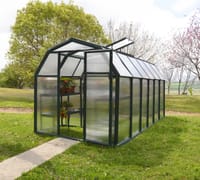
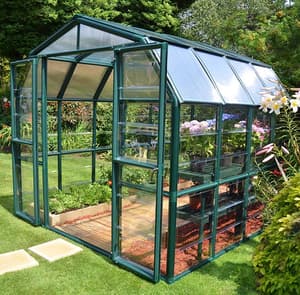
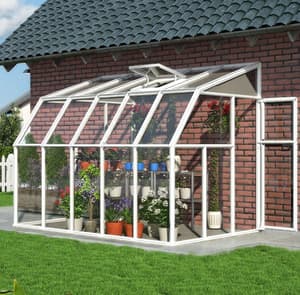
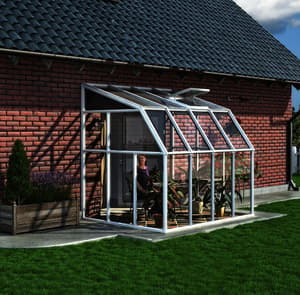
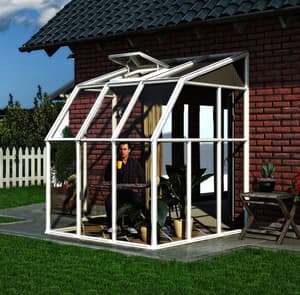
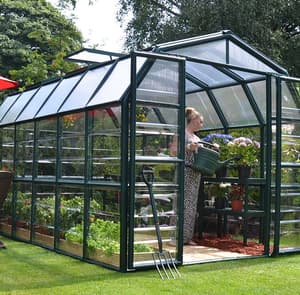
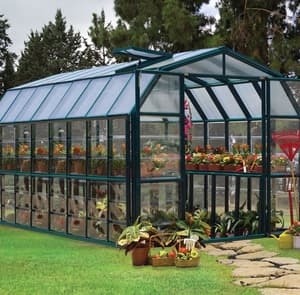
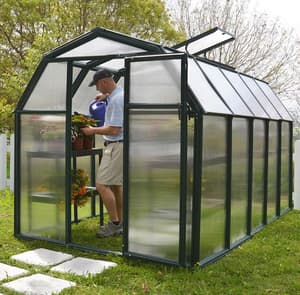
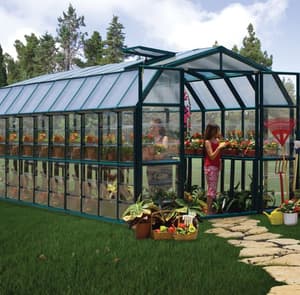
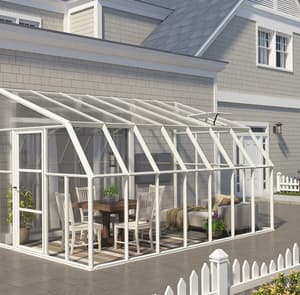
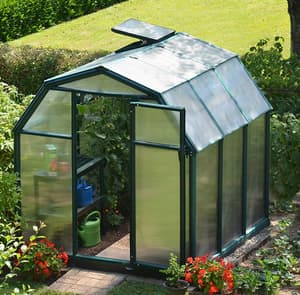
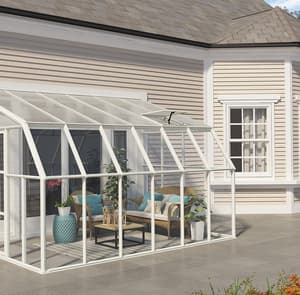
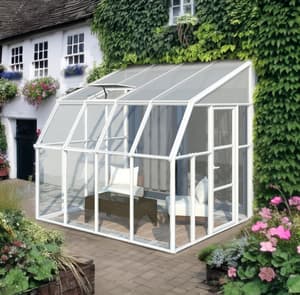
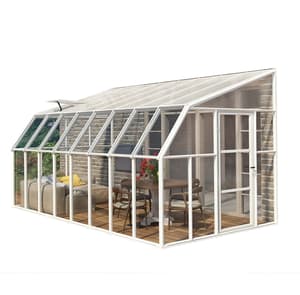
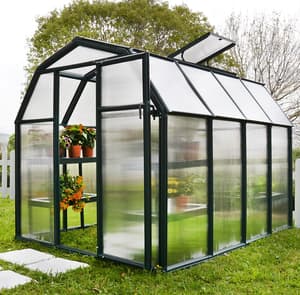
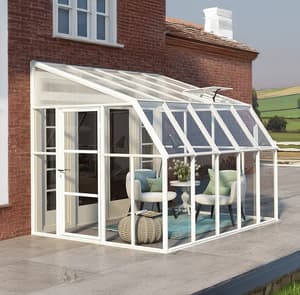
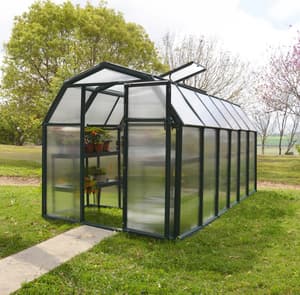
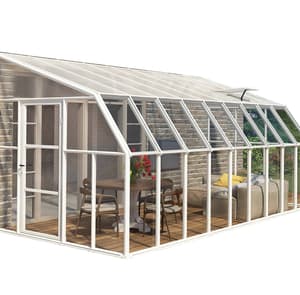
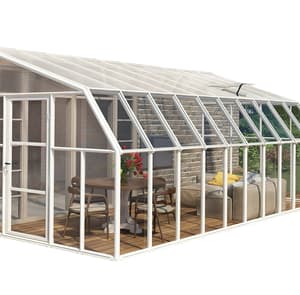
Our plastic greenhouses are the Palram Canopia range, built on a tough PE resin frame rather than aluminium. The frame will not rust, rot, or go cold to the touch, and the grey-green finish settles into a garden far better than bright silver metal. We stock 19 models from £999 to £3,255, in freestanding (EcoGrow, Grand Gardener) and lean-to (Sun Room) styles.
One trade-off is worth knowing. A resin frame is wider than an aluminium glazing bar, so you lose a touch of light, but it is far stiffer in wind and needs no upkeep at all. For exposed or coastal gardens, where aluminium pits and timber needs treating, this is the frame we point people towards.
When we say plastic greenhouse, we mean the frame, not a flimsy zip-up cover. These are Palram Canopia greenhouses built around a moulded PE resin frame, glazed in shatterproof polycarbonate. The resin is the whole point: it will not rust like aluminium or rot like timber, and it shrugs off salt air. We stock 19 models, from the compact EcoGrow through the roomy Grand Gardener to the wall-hugging Sun Room lean-to, priced £999 to £3,255.
It helps to know how these differ from our other ranges. Our aluminium greenhouses use a slim metal frame and take glass or polycarbonate. A plastic greenhouse swaps that metal for a stiffer, maintenance-free resin frame. If your priority is the clearest possible glass, choose aluminium; if it is a frame that never corrodes and a softer look in the garden, this is your range.
Why We Chose This Range
"I rate the Palram resin greenhouses for the gardens that chew up aluminium. On a coastal plot or a windy hilltop, a metal frame pits and a timber one needs constant treating, but this resin just sits there and takes it. The panels click into channels rather than relying on dozens of loose clips, which is why they survive gales that strip glass out of a cheaper greenhouse. The Grand Gardener is the one I'd pick if you want the space and the looks."
— Matt, Founder of Greenhouse Stores💡 Tip: Choose a plastic-framed greenhouse if you will not be around to maintain it. There is no painting, no oiling, and no rust to treat. A wipe-down once a season is the whole job.
A polycarbonate greenhouse is lighter than glass, so it needs anchoring well or wind gets under it. Bolt the base to a slab or concrete pad at every fixing point, not just the corners. Done right, these ride out storms that flatten heavier greenhouses left sitting loose on soil.
Best For: A roomy, maintenance-free greenhouse for an exposed garden.
Why I Recommend It: The resin frame never corrodes, the twin-wall polycarbonate holds heat well, and at 8x8 you get proper growing space with headroom to match.
Price: from £1,750
| Frame | Best for | Upkeep |
|---|---|---|
| Plastic resin (Palram) ⭐ Matt's Pick for coastal plots | Exposed, windy or coastal gardens | None |
| Aluminium | Clearest light, widest model choice | None, but can pit near the sea |
| Timber | Warmth and traditional looks | Re-oil every 2-3 years |
The frame is moulded PE resin, not metal or wood. The glazing is twin-wall or single polycarbonate. This makes the whole greenhouse rust-proof, rot-proof, and shatterproof, which suits exposed and family gardens.
Yes, the Palram resin range is genuinely durable. The frame will not corrode, the polycarbonate will not shatter, and the panels lock into channels that hold up in strong wind. They trade a little light clarity for much lower upkeep.
It comes down to the frame. Plastic resin frames never rust and look softer in a garden, but are slightly wider. Aluminium frames are slimmer and let in marginally more light. Both use polycarbonate or glass glazing.
Yes, twin-wall polycarbonate insulates better than single glass. The air gap in the panel slows heat loss, so these greenhouses warm up quickly and hold temperature well into the evening, which helps in early spring.
Anchored properly, yes. The resin frame is stiff and the panels clip into channels rather than loose clips. Bolt the base down at every fixing point and these cope with exposed sites better than many glass greenhouses.
Call our team free on 0800 098 8877