How to Get Rid of Ants in the Garden Fast
By Matt W — Greenhouse Stores — Updated February 2026
A borax-and-sugar paste mixed at a 1:3 ratio kills most ant colonies within seven days. Workers carry the bait back to the queen, collapsing the nest from within. Natural deterrents such as vinegar sprays, cinnamon, and coffee grounds disrupt pheromone trails and cost under £5. For persistent infestations, BPCA-certified pest control runs £150 to £300 per treatment.
Key Takeaways
- Most common species: Black garden ants are the UK's most widespread, with colonies of 4,000 to 15,000 workers.
- Natural baits work quickly: Borax and sugar in a 1:3 ratio usually eliminates colonies within seven days.
- Trail disruption: Vinegar solutions break down pheromone scent trails that guide workers to food.
- Repellents: Coffee grounds and cinnamon deter ants with strong aromas that mask trail markers.
- Irrigation helps: Regular watering discourages nests in pots because ants prefer dry growing media.
- Dry kill method: Diatomaceous earth dehydrates ants on contact but only works on dry soil.
- Prevention wins: Exclusion and hygiene are far more effective than repeated chemical treatments.
Installer's Note
We dig greenhouse foundations and lay bases across the UK every week. Ant nests are one of the most common things we hit when excavating. Black garden ants love the dry, compacted soil under paving slabs and along base rails. I always treat the ground before laying a greenhouse base. A dusting of diatomaceous earth across the footprint stops colonies establishing underneath the structure. If you skip this step, ants will nest in the warm sheltered space under your greenhouse floor within a season.
Why Ants Come to Your Garden
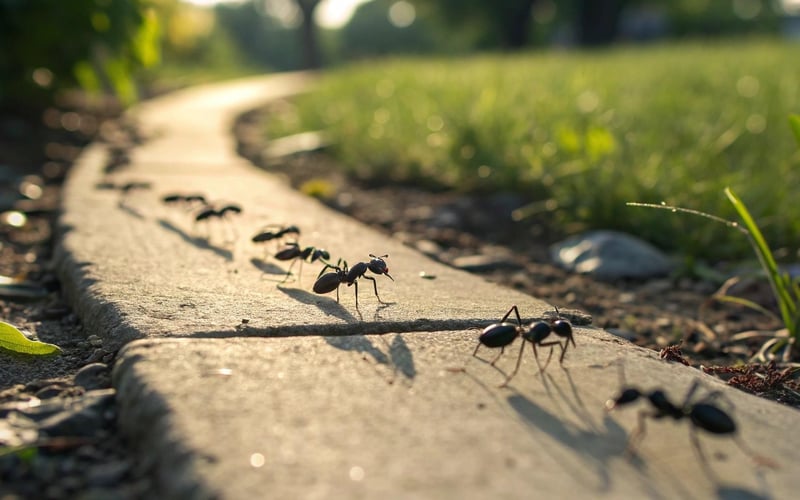
Ants do not appear at random. They seek two things: food and suitable nesting sites. Understanding these drivers makes control far more effective.
Foraging workers travel along established pheromone trails. They cluster around sweet food sources such as fallen fruit and aphid honeydew. Pet food left outdoors also attracts them, as does poorly managed compost. If you are making your own compost, keep bins sealed and turn contents regularly.
Black garden ants will enter homes in warm weather. Scouts search kitchens for new resources between June and September.
Mating flights for males and virgin queens usually occur during warm, still days. Expect visible spikes in activity from June through September.
Weather plays a key role in nest location. Ants favour dry nesting conditions, so anthills increase during dry spells. Many gardeners pour boiling water into entrances. Without targeting the whole colony, results are often short-lived.
Kill the Colony with Baits
Baits target the entire colony because workers carry poisoned food back to the nest. Sprays only kill on contact and usually leave the queen alive. Baiting is the most reliable long-term control method.
For tough infestations, sugar-and-borax baits can eliminate a colony in roughly a week.
Make a Borax and Sugar Bait
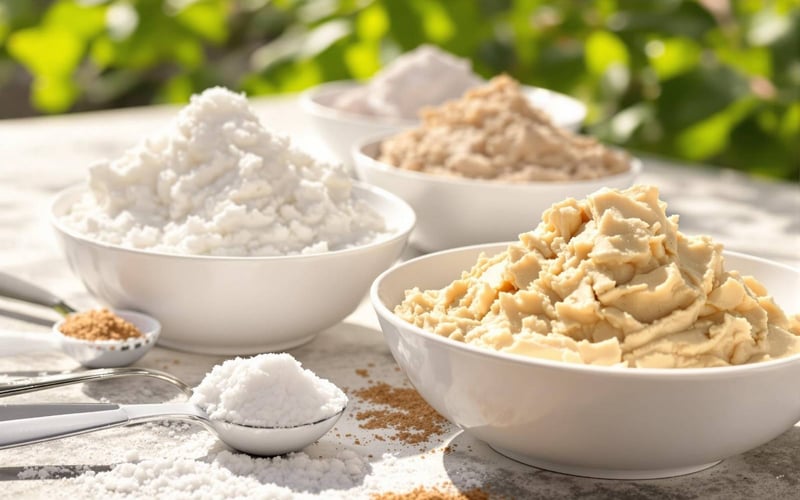
Use a 1:3 ratio of borax to sugar. Mix 1 tsp borax with 3 tsp icing sugar. Add a few drops of water or honey to form a paste. A larger batch uses 120 ml water, 120 ml sugar, and 1.5 tsp borax.
Place small amounts on bottle caps or shallow lids along ant trails. Position them near nest entrances too. The sugar lures workers in. They ingest some and carry the rest back for the queen and brood.
Borax can harm people and pets. Wear gloves when handling it. Place baits out of reach of children and animals. Wash hands thoroughly after handling.
Use Baking Soda and Sugar
As a gentler option, mix equal parts baking soda and icing sugar. The sugar attracts foragers while the baking soda disrupts their digestion. This method is slower than borax but safer around households.
Offer the mix in shallow lids along trails. Refresh every few days or after rain.
Place the Bait Strategically
Location is everything with ant baits. Observe ant movements for 24 hours before placing any bait. Position baits on the busiest routes, by nest entrances, and in cracks or crevices.
Do not combine baits with sprays or dusts. Repellent chemicals will stop ants from taking the bait.
Eliminate and Deter Ants Naturally
Natural methods work by disrupting pheromone communication. They also make your garden less attractive to scouting workers.
Use a Vinegar Solution
Mix equal parts white vinegar and water in a spray bottle. Treat trails, entry points, and the area around nests. The acetic acid neutralises the scent trails ants follow. Reapply after rain. Vinegar is also useful as one of several homemade weed killers for paths and patios.
Clean with Soapy Water
Combine 2 tbsp washing-up liquid with 1 litre of water. This kills ants on contact and wipes away scent trails. The surfactants compromise the waxy cuticle, causing dehydration.
Use Natural Repellents
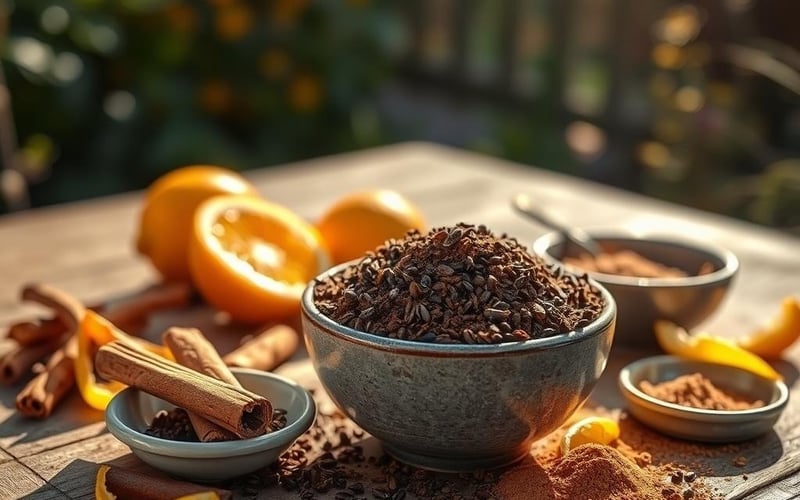
Sprinkle cinnamon, citrus peel, or coffee grounds for plants near nests and along likely approaches. These strong aromas mask pheromones and nudge ants elsewhere. Cayenne pepper lines may also deter crossings. Pair repellents with baits for best effect.
Advanced Natural Methods
Diatomaceous Earth (DE)
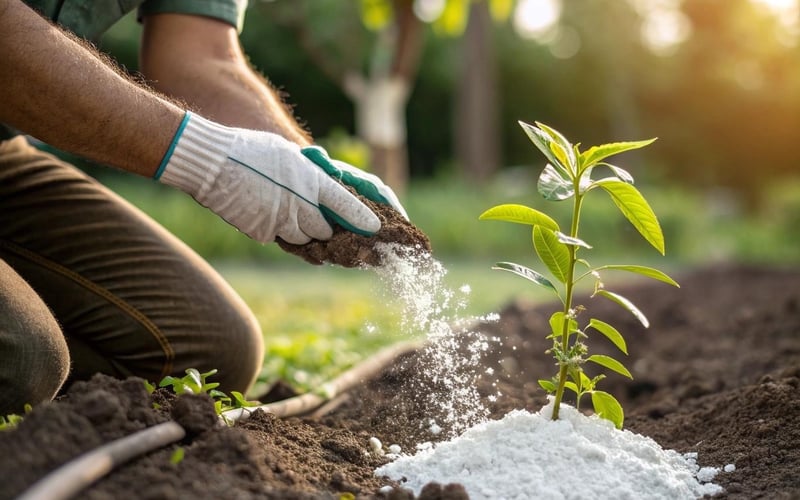
Food-grade DE is a fossil algae powder that kills through desiccation. Lightly dust it on dry soil along trails and around nest areas. Reapply after rain or irrigation. Keep DE dry for it to remain effective. Avoid breathing the dust and use a mask for large applications.
Boiling Water
Pour boiling water into visible surface entrances for immediate knockdown. Colonies are often deeper and wider than they appear on the surface. Repeat treatments may be needed over several days. Avoid pouring near plant roots as the heat will damage them.
Beneficial Nematodes
Steinernema feltiae nematodes can be watered into lawns and borders. They attack ant colonies underground. This method works best in consistently moist soil. Follow the supplier's directions for application rates. Nematodes are safe for pets, children, and non-target wildlife.
Prevent Future Infestations
Remove access to food and water, then block entry points. Most re-infestations trace back to poor hygiene and unsealed gaps. Prevention is always more effective than repeated treatment. This principle applies to all garden pests, from ants to slug control.
Keep Surfaces Clean
Store all foods in sealed containers, including pet food. Clean up residues immediately after meals. Wipe preparation areas with vinegar solution to remove attractant traces.
Seal Entry Points
Fill cracks in masonry and seal gaps around pipes and cables. Fit tight brush seals to doors and weather-strip windows. Check foundations periodically for new gaps appearing.
Professional pest controllers focus residual treatments on strategic points. These include doors, vents, ducts, and drains for a lasting barrier.
Remove Food Sources
Clear pet feeding areas daily and store feed securely. Remove fallen fruit from the garden promptly. Keep compost lids tight and turn contents regularly to reduce attractiveness.
Companion Planting for Ant Control
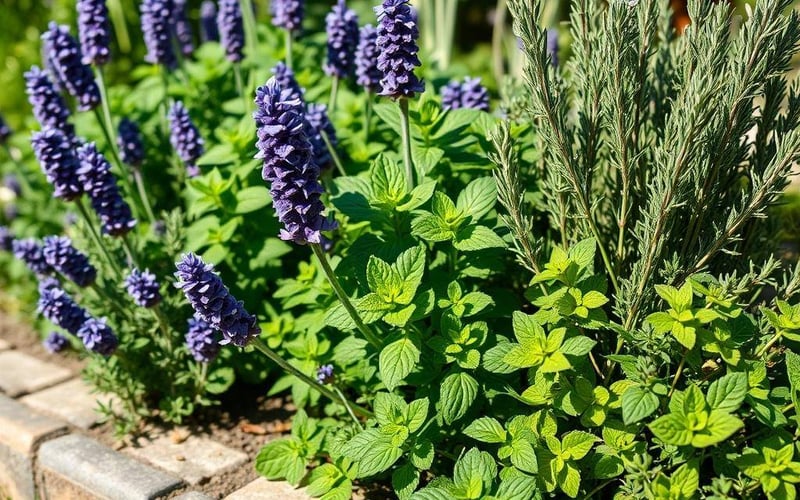
Some plants reduce ant activity indirectly by deterring aphids. Fewer aphids means less honeydew, which is the ants' primary food source. Strong-scented plants also mask pheromone trails near entrances and patios.
Try borders or pots of these deterrent plants:
- Mint, lavender, rosemary: aromatic deterrents along paths and thresholds. Read our guide to growing lavender for best results.
- Wormwood (Artemisia absinthium): strongly scented and helps reduce aphid pressure around beds.
- Garlic: sulphur compounds discourage ant activity near vegetable beds.
Consider a scented herb moat around veg beds or seating areas. Growing herbs in your greenhouse gives you a ready supply of deterrent plants to transplant outdoors.
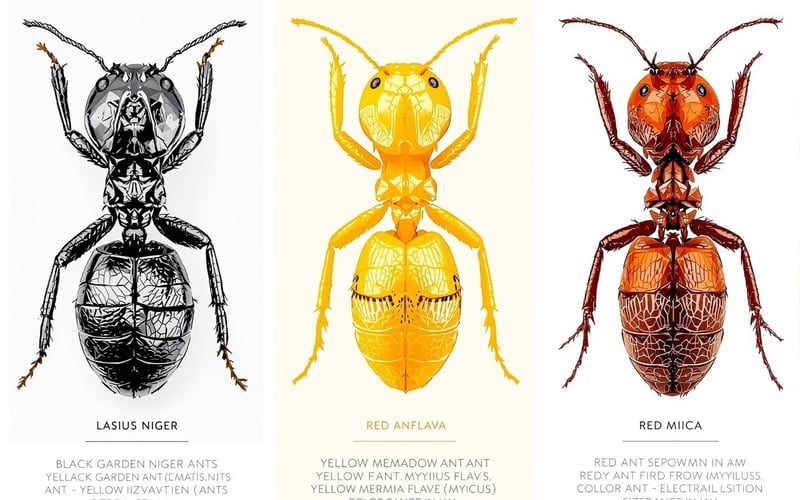
Understanding UK Ant Species
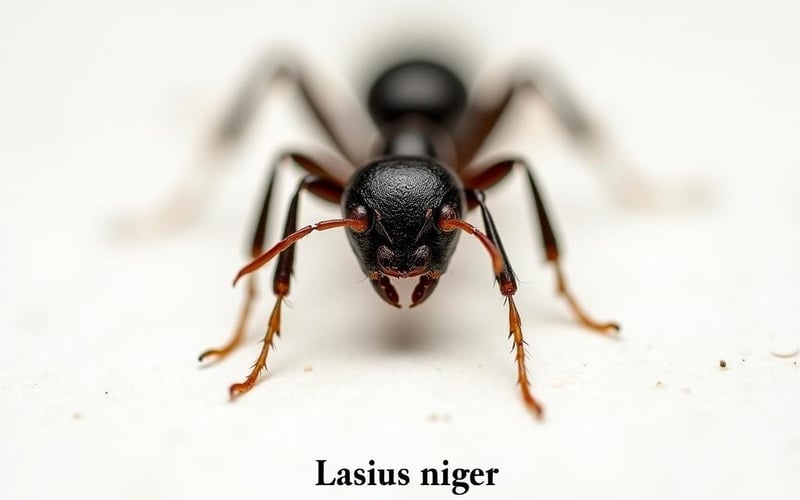
Black Garden Ant (Lasius niger)
Workers measure around 3 mm in length. Colonies range from 4,000 to 15,000 individuals. They are active outdoors from April to October, peaking in warm spells. Black garden ants are harmless and do not sting.
Yellow Meadow Ant (Lasius flavus)
Small ants measuring 2 to 4 mm. They create low mounds in lawns and are mostly subterranean foragers. Yellow meadow ants rarely enter houses.
Red Ants (Myrmica spp.)
Reddish-brown ants measuring 4 to 6 mm. They can sting, though the pain is usually mild. Red ants nest under stones and logs. They are less common in domestic gardens.
When Professional Help is Needed
Call in professionals if natural methods fail. For greenhouse pest control, professional treatment may be needed when:
- Estimated populations exceed 40,000 per colony or multiple colonies exist on the property.
- Nests threaten structures or cause persistent contamination indoors.
- Residents experience allergic reactions to red ant stings.
Seek BPCA-certified technicians for species-specific, family-safe solutions. Residential treatments typically cost £150 to £300. Price depends on severity and property size. Most treatments include a guarantee.
Remember the ecological role of ants in your garden. RHS guidance suggests tolerance where practical. Reserve control for genuine problems only.
Matt's Tip: Keeping Ants Out of Greenhouses
After 16 years fitting greenhouses, I can tell you ants love base rails. The aluminium warms in the sun. The gap between rail and ground makes a perfect sheltered corridor. I run a bead of silicone sealant along the outside edge of the base rail to block entry. Inside, I sprinkle diatomaceous earth under staging and around leg footings every spring. If you spot ant trails on your greenhouse floor, trace them to the entry point. Seal it before baiting. Prevention at the base rail saves you chasing colonies through your seed trays all summer.
|
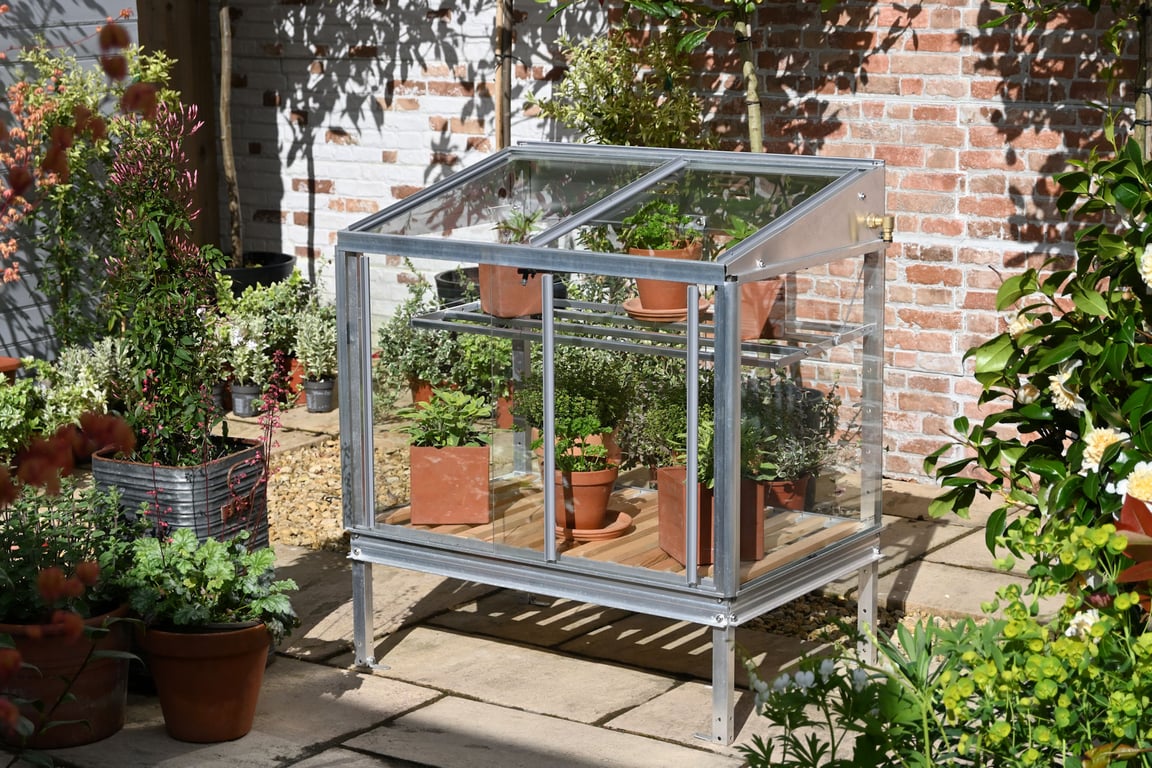
Matt's Pick for Natural Ant ControlBest For: Growing mint, lavender, and rosemary as natural ant deterrents Why I Recommend It: I grow companion herbs here and transplant them around greenhouse bases where ants nest Price: £419 |
Frequently Asked Questions
What is the best homemade ant killer?
Borax and sugar paste in a 1:3 ratio is most effective. Place along trails where workers will carry it back to the queen. Most colonies collapse within about seven days.
What do ants hate the most?
Strong acidic or aromatic scents disrupt their trails. Vinegar, cinnamon, citrus peel, and coffee grounds all work as deterrents. These mask the pheromone markers that guide foraging workers.
How do I get rid of ants in hours?
Boiling water on entrances gives immediate knockdown. Follow up with soapy water spray on visible trails. Then set borax baits for lasting colony control over the following week.
Does vinegar kill ants?
Vinegar kills on contact and neutralises pheromone trails. Mix equal parts white vinegar and water in a spray bottle. Reapply after rain for continued effectiveness.
How long do natural methods take?
Baits take 3 to 7 days for full colony collapse. Repellents work immediately but need regular reapplication. Diatomaceous earth is fastest on dry surfaces in warm weather.
Are ants beneficial to gardens?
Yes, ants aerate soil and scavenge garden pests. They aid decomposition and support pollination through seed dispersal. Control only when they are genuinely causing problems.
Can I use natural methods around pets and children?
Vinegar, coffee grounds, and cinnamon are low risk. Handle borax with care by wearing gloves during preparation. Keep all borax baits out of reach of children and animals.
Why do ants keep coming back?
Food sources and entry points remain available to scouts. New queens often recolonise areas that have been cleared. Consistent prevention through hygiene and exclusion is the only lasting solution.
Related Articles
- How to Get Rid of Rats from Your Garden
- Natural Ways to Keep Cats Out of Your Garden
- How to Grow Garlic in a Greenhouse
- Guide to Destroying Greenfly
- July Gardening Jobs
Need garden pest advice? Email us at info@greenhousestores.co.uk