How to Get Rid of Rats from Your Garden
By Matt W — Greenhouse Stores — Updated February 2026
The UK has an estimated 150 to 200 million rats. Pest controllers handle around 743 rodent call-outs daily across Britain. Rat control is the largest segment of the UK's £1.2 billion pest management industry. DIY deterrents cost £20 to £50, while professional treatments range from £129 to £300. Council services charge £40 to £264 depending on your area. Acting within 48 hours of the first sighting prevents small problems becoming serious infestations.
Key Takeaways
- Act quickly: Early intervention prevents small problems becoming major infestations.
- Remove food sources: Secure bins, clear fallen fruit, and manage bird feeding carefully.
- Eliminate shelter: Clear debris, trim vegetation, and seal entry points to buildings.
- Use humane methods first: Natural deterrents and exclusion techniques are safest for families and pets.
- Professional help: Contact qualified pest controllers for severe infestations or if DIY methods fail.
- Health risks: Rats spread serious diseases including Salmonella, E. coli, and Weil's disease.
- Legal responsibility: Under UK law, landowners must manage rat problems on their property.
Installer's Note
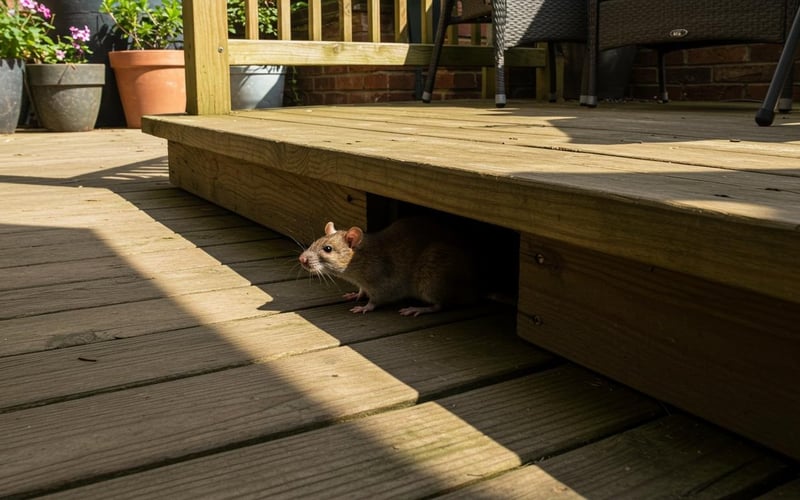
I have been installing greenhouses across the UK for over a decade. On at least a third of jobs, we find signs of rats. They nest under decking, burrow near shed bases, and love compost areas. Twice last year we lifted old greenhouse frames and found active burrows underneath. If you are planning any garden building work, check for rat activity first. It saves a lot of trouble later.
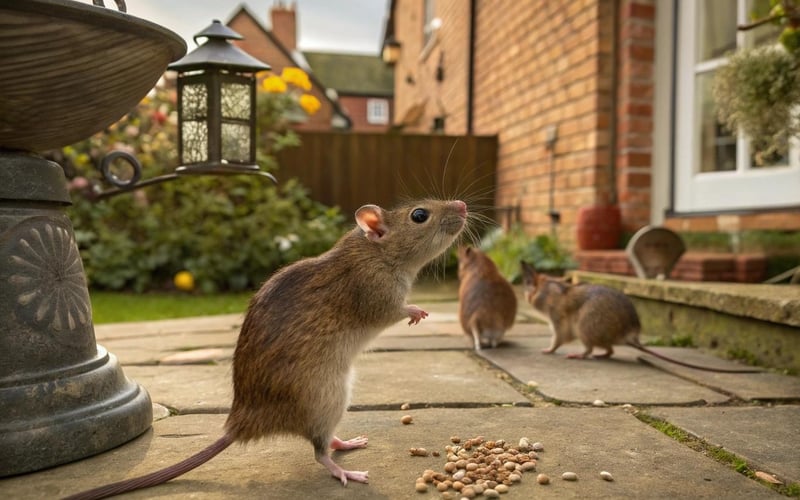
Signs of Rats in Your Garden
Before tackling a rat problem, you need to confirm you have one. Rats are mostly nocturnal. Spotting them in daylight often means a large population or overcrowding.
Rat infestations increased by 42% during COVID-19 lockdowns. The British Pest Control Association reported a 115% rise in enquiries during winter 2023. Councils logged 271,343 rodent visits in 2023 alone.
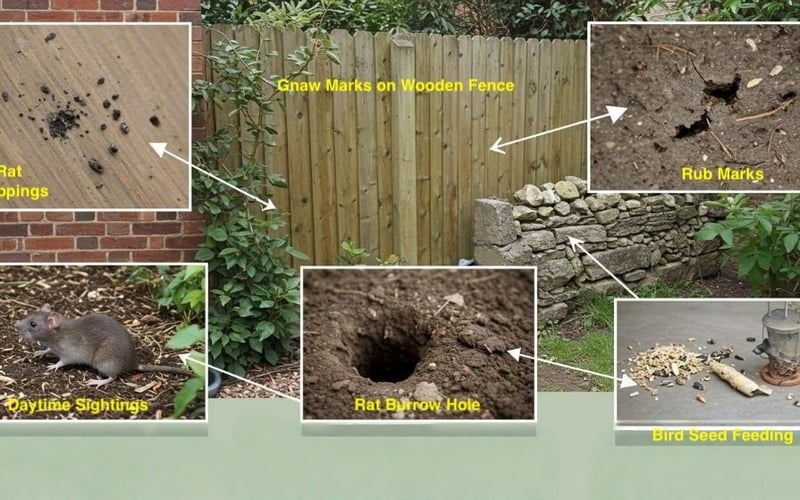
Key indicators include:
- Droppings: Dark, rice-sized pellets near food sources or along walls.
- Gnaw marks: Fresh scratches on wood, plastic bins, or plant stems.
- Burrow holes: Circular openings 6 to 9 cm wide, often near walls or structures.
- Runs: Worn pathways along fences or buildings, about 10 cm wide with greasy marks.
- Scratching sounds: Especially at night from sheds, decking, or roof spaces.
If you see rats during the day, treat it as a priority. Daytime sightings mean the colony is large enough that some are forced to forage in less safe hours. This is especially common in winter when natural food sources run low.
Track their activity: Place flour or talcum powder near suspected areas. This reveals footprints and travel routes. It helps you target your control efforts precisely.
Why Rats Choose Your Garden
Rats do not wander in randomly. Specific features attract them. Understanding these helps you remove the draw.
Food sources that attract rats:
- Spilled bird seed and pet food left outdoors.
- Fallen fruit from trees and bushes.
- Accessible compost heaps containing food scraps.
- Unsecured rubbish bins.
- Vegetable gardens, particularly root crops like potatoes and carrots.
Shelter opportunities:
- Overgrown vegetation and long grass.
- Piles of garden debris, wood, or building materials.
- Spaces under decking, sheds, and greenhouses.
- Dense hedgerows and untrimmed shrubs.
- Gaps in walls, fencing, or building foundations.
Modern gardening trends sometimes create rat-friendly environments by accident. Wildlife gardens with long grass, open compost heaps, and bird feeding stations become magnets. The trick is balancing wildlife support with pest deterrence.
Rat activity often increases during autumn and winter. Natural food sources become scarce. Rats seek warmer shelter. Planning prevention around these patterns works better than reacting.

From our experience with greenhouse pest control, protected growing spaces become rat targets in colder months. They provide warmth, shelter, and often stored seeds that attract rodents.
Eliminating Food and Water Sources
The most effective rat control starts with removing attractions. Rats have excellent memories. They return repeatedly to reliable food sources.
Secure food storage:
- Store pet food indoors in sealed containers.
- Use metal bins with tight-fitting lids for outdoor storage.
- Clean up spilled bird seed daily. Consider suspending feeding temporarily.
- Harvest ripe fruit promptly and clear fallen produce weekly.
- Remove outdoor water sources like dripping taps or standing water.
Compost management: Traditional open compost heaps are rat magnets. Switch to enclosed, rodent-proof bins with tight-fitting lids. Avoid composting meat, dairy, or cooked food. Turn your compost regularly. If you are interested in better techniques, our guide to making your own compost covers rodent-proof methods.
Bird feeding strategies: Ground feeding creates perfect rat buffets. Use hanging feeders with trays to catch spillage. Choose seeds less attractive to rats, such as nyjer. Bring feeders indoors overnight. If you have an active rat problem, suspend bird feeding for 4 to 6 weeks.
Water elimination: Rats need water and will travel far to find it. Fix leaky outdoor taps. Ensure gutters drain properly. Empty water containers regularly. Even small amounts in plant saucers can sustain a colony.
Removing Potential Shelters
Creating an environment that does not support rat housing is equally important. Rats prefer areas that offer predator protection while staying close to food.
Garden maintenance priorities:
- Keep grass short. Rats avoid exposed areas where predators can spot them.
- Clear piles of garden debris, logs, and unused materials.
- Trim vegetation back from buildings and remove overgrown areas.
- Maintain at least 30 cm clearance between shrubs and structures.
- Remove ivy and climbing plants that provide highways to roof spaces.
Structural improvements:
- Seal gaps around pipes and cables with expanding foam or wire mesh.
- Repair damaged fencing and fill holes in walls.
- Install mesh barriers under decking and raised structures.
- Ensure shed and greenhouse doors close properly.
- Block access points under porches and garden buildings.
Plant thorny shrubs like roses or berberis around problem areas. These create natural barriers while adding visual appeal. If you are also dealing with slug control, raised barriers help with both pests.
Schedule major garden tidying for late autumn. This removes nesting sites when rats are most actively seeking winter homes. Regular upkeep throughout the year prevents attractive debris from piling up.
Natural Deterrents and Humane Methods
Before considering lethal control, natural deterrents offer safe options for families with children and pets. These work best as part of a combined approach.
Scent-based deterrents:
- Peppermint oil: Soak cotton balls and place near entry points. Refresh weekly.
- Eucalyptus oil: Similar method to peppermint. Particularly effective around buildings.
- White vinegar: Spray around areas of activity. Requires frequent reapplication.
- Predator scents: Commercial fox urine or used cat litter can signal danger to rats.
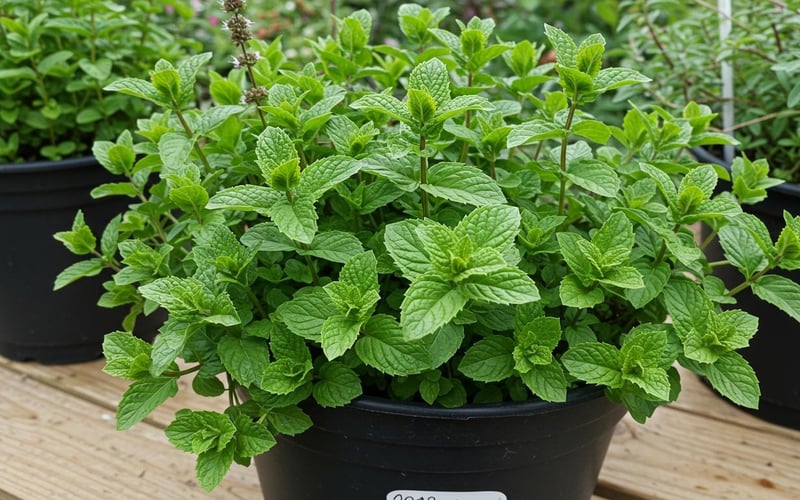
Plant-based deterrents: Certain plants repel rodents through strong scents. Marigolds, daffodils, and catnip are traditional choices. Growing lavender near problem areas also helps. Its strong fragrance is unpleasant for rats while adding beauty to your garden.
Physical barriers: Sometimes the simplest solutions work best. Fine wire mesh around vulnerable plants, gravel paths that rats dislike, and thorny cuttings can redirect movement. Some gardeners also find that coffee grounds for plants serve double duty as a mild rat deterrent.
According to the RSPCA's guidance on humane wildlife management, deterrent methods should always be tried before lethal control. This protects non-target wildlife and reduces risks to children and pets.
Encouraging natural predators: Owls and birds of prey help control rat populations long-term. Install owl boxes and maintain habitat for these species. Do not rely on predators alone though. They supplement active management, not replace it.
Ultrasonic devices claim to repel rodents. Scientific evidence for their effectiveness is limited. If you try them, use alongside other methods. Do not expect them to solve serious infestations alone.
Effective Trapping Strategies
When deterrents are not enough, well-planned trapping offers a targeted approach. Success depends on understanding rat behaviour and placing traps strategically.
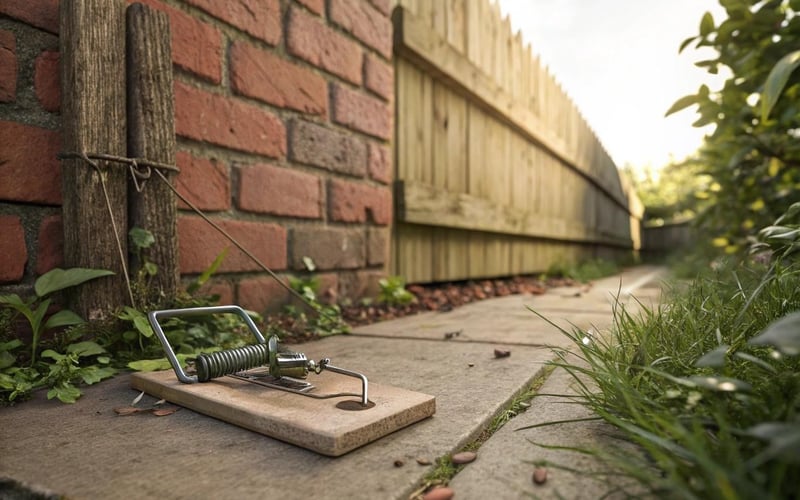
Snap trap selection: High-quality snap traps remain one of the most humane lethal options. Choose traps matched to the species. Rat traps for rats, mouse traps for mice. Mixing them reduces effectiveness and can cause suffering.
Optimal positioning: Place traps along walls, perpendicular to rat runs. Position the trigger end facing the wall. Rats prefer to move along edges rather than crossing open spaces. Use tunnel-style covers to protect children and pets.
Bait selection: Fresh, aromatic baits work best. Peanut butter, dried fruit, bacon, or chocolate all appeal. Secure bait firmly to the trigger mechanism. Replace stale bait every few days.
Five well-positioned traps catch more rats than twenty random ones. Study their movement patterns first. Then place your traps along confirmed runs.
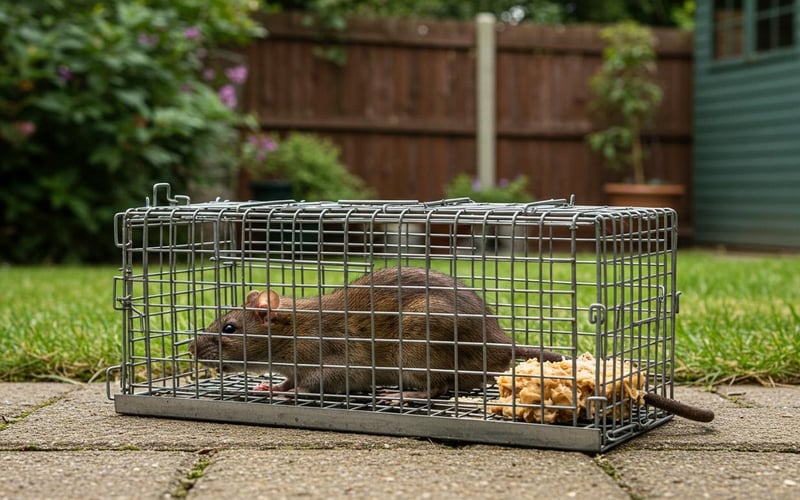
Live capture options: For non-lethal approaches, live traps can work but need careful management. Check traps every morning without fail. UK regulations require humane treatment of captured animals. Leaving them trapped causes severe stress.
Trap monitoring: Check all traps daily. Remove captured animals promptly. Reset triggered but empty traps. Move unsuccessful traps to new locations after a few days. Keep records to identify effective positions.
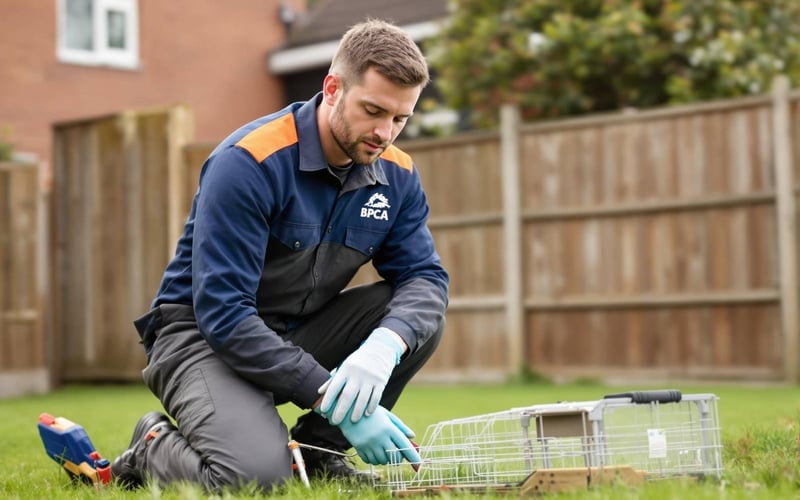
Always wear gloves when handling traps and captured animals. Dispose of dead rats hygienically. Disinfect trap areas thoroughly. Store unused traps safely away from children and pets.

Professional Costs and Regional Differences
Understanding professional pest control costs helps you budget and choose the right approach. Prices vary significantly by region and service type across the UK. If you are also dealing with other garden pests like getting rid of ants, some pest controllers offer combined treatment packages.
Council Services (2024-2025 Rates)
- Basic rat or mouse treatment: £40 to £264 depending on location.
- Average council cost: £150 per treatment.
- Highest charges: Oxford City Council (£264), Southwark (£227), Kirklees (£210).
- Only 8% of councils provide free pest control services.
- 26% of UK councils do not offer pest control at all.
Private Professional Services
- Standard rat control: £129 to £300 for residential properties.
- Follow-up visits: £50 to £150 additional cost.
- Emergency call-outs: premium rates apply.
- Heat treatment for severe infestations: £600 or more plus VAT.
- Average professional service: £230 per day including materials.
Regional Cost Variations
London rates run up to 119% higher than smaller cities like Belfast. This reflects higher demand, older buildings, and increased living costs.
Use the UK government's postcode checker to find your local council's pest control services and charges.
Regional Pest Patterns
- Northern Ireland and Wales: Highest rat infestation rates nationally.
- London: Significant rat populations in Lambeth and Camden. Bed bugs more common overall.
- Scotland: Bird pest issues more prevalent than rats.
- Northern England: Higher mouse infestation rates than the national average.
- South West England: Wasp problems more common than rodent issues.
Professional services prove most cost-effective for severe infestations. Many councils offer reduced rates for residents on benefits.
Rodenticides: Use with Extreme Caution
Poison baits should only be a last resort. The potential for harm to non-target animals, children, and the environment demands careful thought.
Professional-only products: The most effective rodenticides are restricted to professional use. Single-feed anticoagulants like brodifacoum and difethialone are highly toxic. They require special handling and placement protocols.
Consumer products: Products available to the public are less potent but still dangerous if misused. They typically require multiple feeds over several days. This increases the risk of non-target animals accessing bait.
Secondary poisoning risks: Birds of prey, foxes, and domestic cats can be poisoned by eating affected rats. Studies have found rodenticide residues in over 70% of some UK wildlife species. This is one of the most serious concerns with any poison-based approach.
Safe application principles: If you must use rodenticides, follow label instructions exactly. Use tamper-proof bait stations. Place stations along rat runs. Check them regularly. Remove dead rats promptly to prevent secondary poisoning.
Legal requirements: UK law requires that rodenticide use must be humane. You must take steps to protect non-target animals from bait stations. This includes children, pets, and wildlife.
Environmental impact: Modern rodenticides persist in the environment and bioaccumulate in food chains. This has led to tighter restrictions and ongoing research into safer alternatives.
The professional consensus increasingly favours integrated pest management. This approach minimises reliance on toxic baits. Focus on exclusion, habitat modification, and targeted trapping first. Many gardeners dealing with homemade weed killers and natural solutions apply the same philosophy to pest control.
Seasonal Action Calendar and UK Weather
British climate patterns directly influence rat behaviour. Seasonal planning keeps you ahead of infestations rather than reacting after damage is done.
Winter (December to February)
This is peak invasion period. Temperatures drop to 0 to 7 degrees C and rats seek warm shelter. They move into buildings and heated spaces. Natural food is scarce, making gardens with bird feeders prime targets. Seal building entry points and reduce outdoor food sources. Increase trap monitoring.
Spring (March to May)
Breeding season begins as temperatures reach 9 to 15 degrees C. Clear winter debris before rats establish breeding sites. New growth provides cover. Maintain short grass and trim overgrowth. Conduct thorough garden clearance. Repair any winter weather damage to fences and structures.
Summer (June to August)
Peak activity period. Long daylight hours extend foraging time. Fallen fruit, vegetable gardens, and outdoor dining increase attractions. Population growth hits maximum. Harvest produce promptly. Maintain strict food hygiene. Monitor for signs regularly.
Autumn (September to November)
Rats collect food and seek winter shelter locations. Heavy rains and flooding can displace entire colonies. This is the critical prevention window. Complete final garden clearance. Make structural improvements. Get preventive measures in place before winter.
British Weather and Rat Behaviour
Rainfall and flooding: Heavy autumn and winter rainfall displaces rats from burrows and sewers. Gardens near flood plains or with drainage issues become temporary refuges.
Temperature: The UK rarely drops below minus 10 degrees C or exceeds 30 degrees C. This moderate climate allows year-round rat activity. Unlike colder countries, our winters do not kill off populations.
Humidity: Britain's 60 to 80% average humidity creates ideal conditions for rat survival. Compost and organic matter decompose faster, creating attractive food sources.
Regional weather patterns also play a role. Scotland's longer, colder winters increase shelter-seeking behaviour. Northern England's higher rainfall drives more indoor infestations. Southern England's milder winters allow larger overwintering populations. Wales's wet climate creates more flooding displacement.
Monthly Action Calendar
| Month | Priority Actions | Weather Considerations |
|---|---|---|
| January | Monitor traps, check building seals | Peak invasion period |
| February | Plan spring clearance, order supplies | Continue winter vigilance |
| March | Begin garden clearance, repair damage | Weather improving, rats emerge |
| April | Trim vegetation, check compost systems | Breeding season starts |
| May | Secure food sources, monitor activity | Population growth begins |
| June | Harvest early crops, maintain short grass | Long days increase activity |
| July | Continue strict hygiene, check water sources | Peak breeding period |
| August | Monitor traps, clear fallen fruit | Maximum population density |
| September | Major garden clearance, structural work | Preparation for winter |
| October | Final prevention measures, seal entry points | Critical prevention period |
| November | Complete winter preparations, increase monitoring | Invasion season begins |
| December | Emergency response readiness | Peak shelter-seeking time |
Matt's Tip: Rat-Proofing Your Greenhouse
When we install greenhouses, we always recommend laying galvanised wire mesh under the base rails. Use 6 mm gauge or smaller. Rats can squeeze through gaps as small as 25 mm, so do not leave any openings. Close floor-level vents at night during autumn and winter. Store seed packets and bulbs in metal tins, not cardboard boxes. I have seen rats chew through plastic storage boxes overnight. If you spot droppings inside your greenhouse, clear them immediately and check for entry points along the base frame.
|
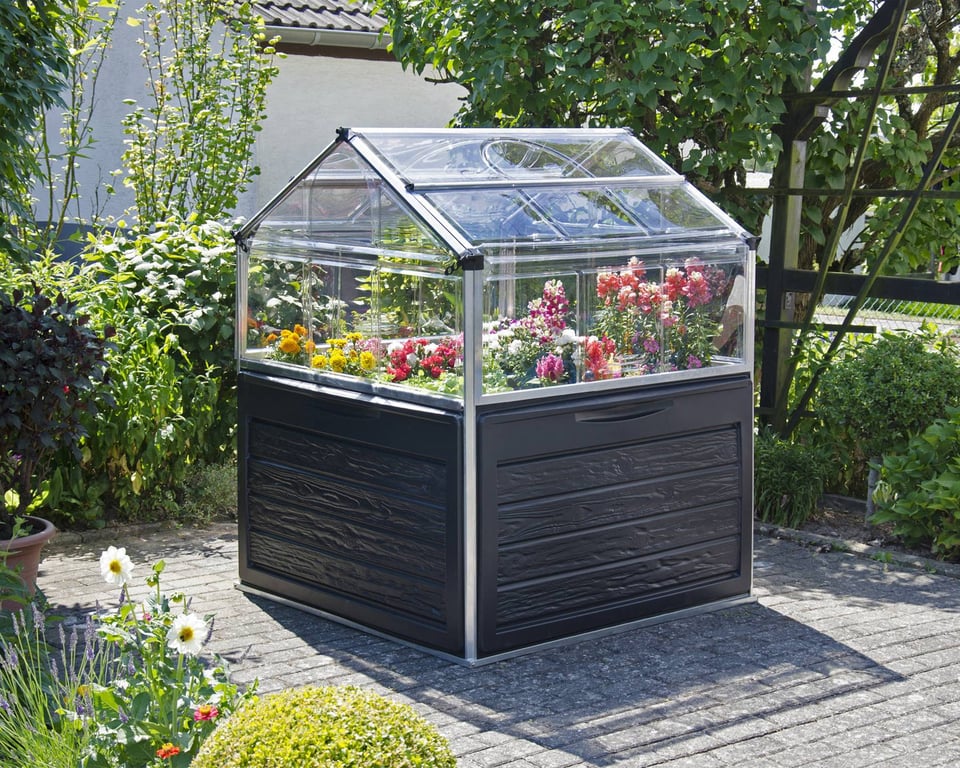
Matt's Pick for Rat-Proof GrowingBest For: Protecting seedlings and herbs from ground-level pests Why I Recommend It: The raised design keeps plants above rat level and sealed panels protect your seed trays Price: £329 |
Frequently Asked Questions
Should I be worried if I saw a rat in my garden?
One rat usually means more are nearby, so act quickly. Rats are social animals. Start by removing food sources and monitoring for droppings, burrows, and runs.
How do you get rid of rats in your garden naturally?
Remove food, water, and shelter, then use scent deterrents. Peppermint oil, eucalyptus oil, and lavender plants all help. These methods work best when combined rather than used alone.
How to get rid of rats permanently?
Permanent control requires ongoing management, not a one-off treatment. Make your garden consistently less attractive through food storage, regular maintenance, and environmental changes.
How long does it take to get rid of rats?
Small problems can improve within days; established colonies take 2 to 6 weeks. Professional treatments often show results within 1 to 2 weeks. Patience and consistency are essential.
Are rats in the garden dangerous?
Yes, rats carry diseases including Salmonella, E. coli, and Weil's disease. UK hospitals admitted 48 people after rat bites in 2022/23. Always wear gloves when cleaning up after rats.
What attracts rats to gardens in the first place?
Food sources, water, and shelter are the three main attractions. Bird seed, pet food, fallen fruit, leaking taps, long grass, and gaps under structures all draw them in.
Do I need to contact my local council about rats?
Around 80% of UK councils offer some pest control to homeowners. Costs range from free (8% of councils) to £264. Use the government's postcode finder to check your area.
Related Articles
- October Garden Jobs UK
- Autumn Tips for Preparing Your Garden
- How to Grow Herbs in Your Greenhouse
- Keep Cats Out of Your Garden
- Greenhouse Wind Damage Guide
Need garden pest advice? Email us at info@greenhousestores.co.uk