How to Grow Herbs in Your Greenhouse
A greenhouse is the best way to grow herbs year-round in the UK. We recommend 10 varieties that thrive under glass, from basil and coriander to rosemary and thyme. Sow from March onwards and expect germination within 1–3 weeks. Basil yields increase by up to 60% under glass compared to outdoor growing. With 16 years of greenhouse installation experience, we have seen customers harvest fresh herbs in every month of the year.
Key Takeaways
- Year-round harvests – a greenhouse extends herb growing through all four UK seasons
- Water at the base – avoid wetting leaves to prevent fungal disease in humid conditions
- Pinch growing tips – regular pruning gives bushier plants and heavier crops
- Ventilate on warm days – airflow prevents mildew and regulates temperature
- Start from seed in March – most herbs germinate in 1–3 weeks in greenhouse conditions
Installer's Note
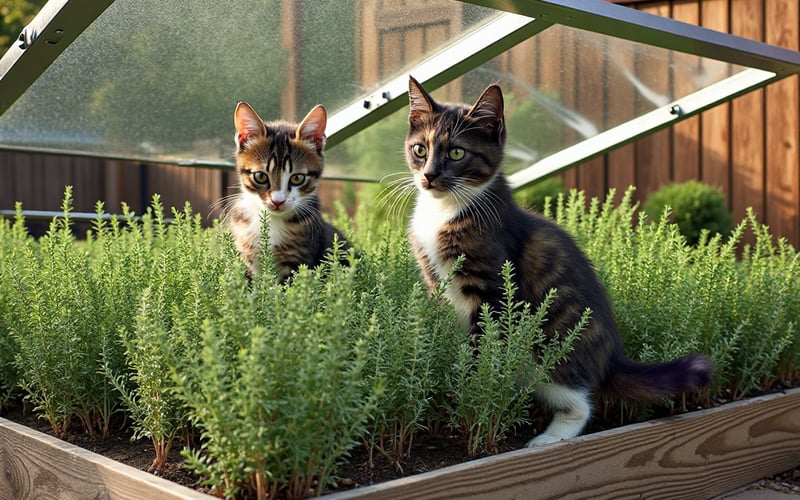
Most of our customers grow herbs alongside tomatoes and peppers. Even a small greenhouse or cold frame provides enough space for a full herb collection. We fit greenhouses every week where herbs are the main crop. A 6×4 greenhouse holds 20–30 herb pots with room to spare.
Why Grow Herbs in a Greenhouse?
Year-Round Herb Production
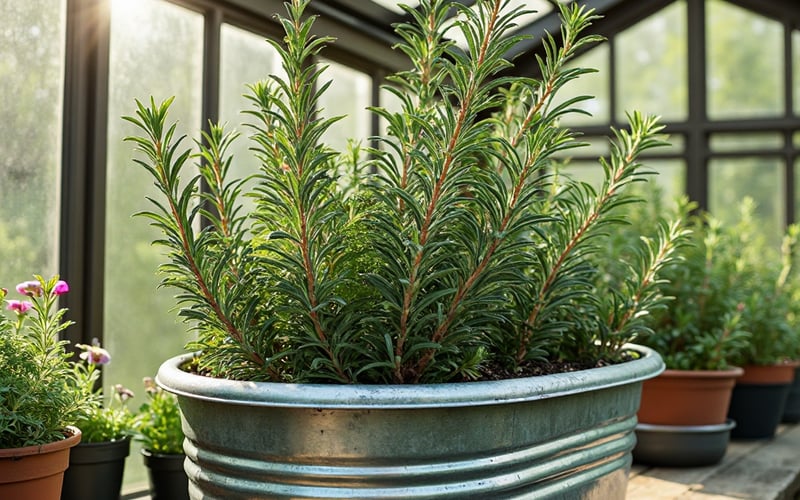
A greenhouse lets you harvest fresh herbs in every season. The controlled environment keeps conditions stable when the weather outside turns cold or wet. We have picked fresh basil in January from greenhouses we installed years ago. Rosemary and thyme crop year-round without any supplementary heat.
Protection from UK Weather
British weather is unpredictable. A greenhouse shields herbs from sudden downpours, frost, and strong winds. This protection matters most for tender herbs like basil and coriander. We have seen outdoor coriander bolt in a wet July while greenhouse plants stayed productive. Glass or polycarbonate panels block wind damage and reduce temperature swings.
Pest Control for Healthier Herbs
Greenhouses create a natural barrier against slugs, snails, and other common pests. We find greenhouse herbs suffer far less leaf damage than outdoor plantings. Spotting problems early is simpler in a contained space. Aphids and whitefly can still appear, but they are easier to manage under glass. You can read more in our greenhouse pest control guide.
Best Herbs to Grow in a UK Greenhouse
These are the 10 herbs we recommend for UK greenhouse growing. Even a small greenhouse has room for all 10 varieties in pots or staging shelves.
| Herb | When to Sow | When to Harvest | Used for Cooking |
|---|---|---|---|
| Basil | March–May | June–September | Italian dishes, pesto |
| Chives | March–April | May–September | Salads, soups, garnish |
| Coriander | March–August | May–September | Asian and Mexican cuisine |
| Dill | April–July | June–September | Fish dishes, pickles |
| Parsley | March–August | May–October | Garnish, sauces, soups |
| Oregano | March–May | July–October | Italian and Greek dishes |
| Rosemary | March–May | Year-round | Roasts, Mediterranean dishes |
| Sage | March–May | June–October | Poultry dishes, stuffing |
| Thyme | March–May | June–October | Soups, stews, meat dishes |
| Mint | March–May | April–September | Teas, desserts, cocktails |
Matt's Tip: Keep Mint in a Pot
Always grow mint in its own container. It spreads aggressively through underground runners. Left unchecked, mint will take over a greenhouse bed within one season. Use a deep pot with drainage holes and stand it on a saucer. We learned this the hard way on a customer install years ago.
|
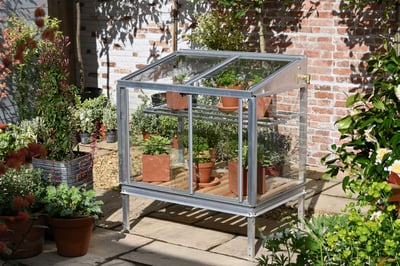
Matt's Pick for Herb Growing1×3 Access Herb House Mini Greenhouse Best For: Dedicated herb growing in a compact footprint Why I Recommend It: This is purpose-built for herbs. The 1×3 foot frame fits against any wall or fence. Three shelves give you growing space for 15–20 pots. The toughened glass panels hold heat well for year-round growing. We have installed these for customers who want fresh herbs without a full-size greenhouse. £419 View This Herb House → |
Essential Tips for Greenhouse Herb Growing
Proper Watering Techniques
Overwatering is the most common mistake we see with greenhouse herbs. Always check soil moisture before reaching for the watering can. Most herbs prefer well-draining compost that dries slightly between waterings. Water at the base of each plant to keep leaves dry. Wet foliage encourages fungal disease in the humid greenhouse environment. We recommend watering in the morning so excess moisture evaporates during the day.
Pruning and Pinching for Bushy Growth
Regular pruning produces bushier, more productive plants. Pinch off the growing tips of basil and mint to promote branching. For woody herbs like rosemary and thyme, trim back about one-third after flowering. This keeps plants compact and encourages fresh growth. We prune our greenhouse herbs weekly during the growing season.
Ventilation and Temperature Control
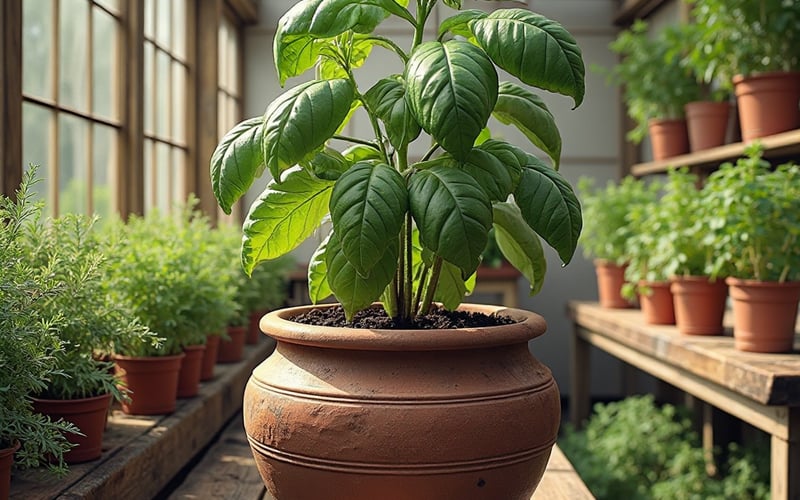
Good airflow prevents fungal diseases and regulates temperature. Open vents or doors on warm days to let fresh air circulate. In summer, provide shade to prevent overheating above 30°C. During colder months, a small heater maintains minimum temperatures for tender herbs. A small lean-to greenhouse against a south-facing wall holds heat well and suits herb growing perfectly.
Sowing and Propagating Herbs
Starting Herbs from Seeds
Starting from seed is the most cost-effective approach. Fill seed trays with good quality, peat-free compost. Most herb seeds are small, so sow thinly on the surface. Cover lightly with vermiculite to retain moisture. Keep the compost damp but not waterlogged. Seedlings emerge in 1–3 weeks for most varieties. We start our first seeds in March when greenhouse temperatures rise above 10°C. For more detail, see our guide to growing seeds in a greenhouse.
Propagating Herbs from Cuttings
Many herbs propagate easily from cuttings. Take 10–15cm cuttings from non-flowering stems in spring or early summer. Remove the lower leaves and place the cutting in well-draining compost. Keep the compost moist and position in a warm, bright spot out of direct sun. Roots develop in 2–4 weeks for most varieties. Rosemary, sage, and thyme all root reliably from cuttings.
Overwintering Herbs in a UK Greenhouse
Protecting Tender Herbs from Frost
A greenhouse provides good frost protection, but extra measures help in harsh winters. We use horticultural fleece to cover tender herbs on cold nights. Grouping pots together creates a warmer microclimate. For very tender herbs, a heated propagator keeps roots above freezing. Move the most vulnerable varieties to the centre of the greenhouse where temperatures stay highest. Our guide to growing in the greenhouse in winter covers this in more detail.
Preparing Perennial Herbs for Spring
As winter ends, prepare perennial herbs for the new season. Prune away dead or damaged growth in late February. Refresh the compost in pots that have been growing all winter. Gradually increase watering as daylight hours lengthen. Divide and repot overgrown herbs to encourage fresh growth. Rosemary, thyme, and sage all benefit from a spring tidy-up.
Common Problems and Solutions
Overwatering causes root rot and is the number one problem we see. Ensure pots have good drainage and only water when the top 2–3cm of soil feels dry. Aphids and whitefly can appear even under glass. Control them with organic sprays or introduce natural predators like ladybirds.
Fungal diseases thrive in humid greenhouse conditions. Maintain good air circulation and avoid overhead watering. Remove affected growth promptly if you spot powdery mildew. An organic fungicide treats persistent outbreaks.
Yellowing leaves or stunted growth often signals nutrient deficiency. Apply a balanced, organic fertiliser every few weeks during the growing season. Most herbs prefer lean soil, so avoid over-feeding. A half-strength liquid feed works well for potted herbs.
Harvesting and Preserving Your Herbs
Regular harvesting encourages bushier growth and prevents flowering. Snip off the top few inches of leafy herbs, just above a leaf joint. This prompts the plant to branch out. For woody herbs like rosemary, cut stems back by about one-third.
Air-drying works well for oregano, thyme, and sage. Hang small bunches in a warm, dry place for 1–2 weeks. Freezing is another good option. Chop herbs finely and freeze them in ice cube trays with water or olive oil. Fresh herbs keep in the fridge for up to a week wrapped in damp kitchen paper inside a sealed bag.
Try making herb-infused oils or vinegars with your surplus crop. Blend dried herbs with sea salt for a home-made herb seasoning. A steady supply of fresh herbs transforms everyday cooking.
Frequently Asked Questions
Which herbs grow well in a greenhouse?
Basil, coriander, parsley, chives, oregano, thyme, rosemary, sage, dill, and mint all thrive under glass. The controlled greenhouse environment suits both tender annuals and hardy perennials. Tender herbs like basil and coriander benefit most from the warmth and shelter. Hardy varieties like rosemary and thyme grow year-round with minimal care.
Can you grow herbs in a greenhouse all year round?
Yes, a greenhouse supports year-round herb growing with the right care. Hardy perennials like rosemary and thyme continue growing through winter without heat. Tender herbs like basil need supplementary warmth when temperatures drop below 10°C. We grow herbs in every month using a combination of fleece and a small heater.
How often should you water herbs in a greenhouse?
Water when the top 2–3cm of compost feels dry to the touch. This usually means every 2–3 days in summer and once a week in winter. Mediterranean herbs like rosemary and thyme prefer drier conditions. Leafy herbs like basil and parsley need slightly more frequent watering.
What herbs should not be planted next to each other?
Fennel inhibits the growth of most other herbs and needs its own space. Keep mint separate too, as it spreads aggressively through underground runners. Basil and rue have a negative effect on each other when planted closely. Dill and fennel cross-pollinate easily, so grow them apart to keep flavours true.
When should I start sowing herbs in a greenhouse?
Start sowing most herbs from March onwards once temperatures rise above 10°C. Basil, parsley, chives, and coriander all germinate well from a March sowing. Hardy herbs like thyme and oregano can be sown as early as late February under glass. Succession sow coriander every 3–4 weeks for a continuous supply.
Do herbs need full sun in a greenhouse?
Most herbs perform best with at least 6 hours of direct sunlight per day. Position sun-loving herbs like basil and rosemary on the south-facing side. Shade-tolerant herbs like mint, parsley, and chives cope well with partial shade. In summer, some shading prevents leaf scorch when temperatures exceed 30°C.
Frequently asked questions
What herbs grow best in a greenhouse?
Basil, coriander, parsley, chives and mint thrive in a greenhouse. Mediterranean herbs like rosemary, thyme and oregano prefer the warmth and shelter from winter rain. Tender herbs like lemongrass and Thai basil need greenhouse protection year-round.
Can you grow herbs in a greenhouse all year round?
Yes, an unheated greenhouse extends the herb season to 10-11 months. Hardy herbs like chives, thyme and rosemary crop through winter. Sow quick-growing herbs like coriander and rocket every 3 weeks for continuous supply.
How often should I water herbs in a greenhouse?
Water most herbs every 2-3 days in summer, weekly in winter. Mediterranean herbs like rosemary and thyme prefer drier conditions. Basil and coriander need consistently moist soil. Check the top 2cm of compost before watering.
Do herbs need direct sunlight in a greenhouse?
Most herbs need at least 6 hours of direct light daily. Place sun-loving herbs like basil and rosemary on south-facing staging. Shade-tolerant herbs like mint, parsley and chervil grow on north-facing shelves or under staging.
When should I start growing herbs in a greenhouse?
Sow herb seeds from March in an unheated greenhouse. Start basil and coriander on a heated propagator at 18-21C from February. Hardy perennial herbs like thyme and rosemary can be propagated from cuttings in September.
Related Articles
- Growing Chillies in the Greenhouse
- Growing Tomatoes in a Greenhouse
- How to Prepare Your Greenhouse for Spring
- Seed Sowing Month by Month UK Guide
- How to Grow Strawberries in a Greenhouse
Questions about growing herbs in a greenhouse? Email us at info@greenhousestores.co.uk