Natural Ways to Keep Cats Out of Your Garden
By Matt W — Greenhouse Stores — Updated February 2026
Cats dig in flowerbeds, foul on freshly laid soil and scratch newly planted seedlings. After 16 years fitting greenhouses across the UK, I have tried every deterrent going. The most effective natural methods cost nothing. Citrus sprays, coffee grounds, lavender borders and chicken wire stop most cats within days. This guide covers 12 proven methods that protect your garden without harming any animal.
Key Takeaways
- A citrus, rosemary and vinegar spray is the single most effective homemade repellent.
- Coffee grounds and citrus peels cost nothing and deter cats from flowerbeds.
- Coleus canina (the scaredy cat plant) repels cats within a 2-metre radius.
- Chicken wire laid flat on soil stops cats digging without harming them.
- Motion-activated sprinklers work day and night for hands-off protection.
- All methods must be humane. Cats are protected under UK law.
Installer's Note
I have fitted greenhouses in hundreds of UK gardens since 2008. Cats cause problems at almost every site. They dig around newly laid greenhouse bases before the concrete sets. They sleep under cold frames and knock staging over climbing inside. Freshly dug soil beside a new greenhouse is an open invitation. Every method in this article is one I have used or recommended to a customer.
Why Cats Enter Your Garden
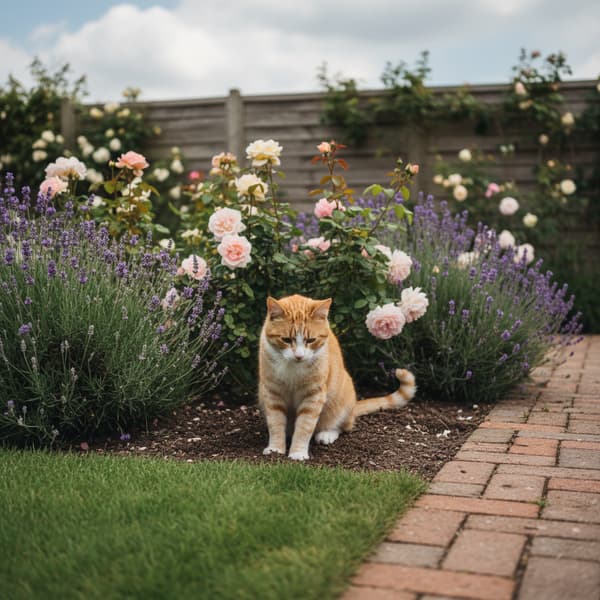
Cats love soft garden soil — once they claim a spot, they return daily
Cats are territorial. Once they find soft soil and shelter, they return daily. They dig in loose earth to bury waste. They hunt under hedges and sleep in warm, sheltered spots.
Compost heaps attract cats because they contain food scraps. Open bins and fallen fruit draw them in too. A tidy garden with fewer hiding spots is less appealing to a visiting cat.
If you are also dealing with other garden pests, our guides to getting rid of rats and getting rid of ants cover natural solutions for those too.
How Cat Behaviour Affects Deterrent Success
Every cat reacts differently. Some flee at the first whiff of citrus. Others ignore it completely. Cats are fussy about surfaces. They avoid prickly, wet or unstable ground.
The key is combining methods. A single deterrent rarely works on every cat. Layer two or three approaches and swap them around. Persistence matters more than any single product.
Homemade Cat Repellent Solutions

Spraying homemade essential oil cat deterrent in a UK garden
Citrus-Based Sprays
This is the most effective homemade repellent I have found. Mix one cup of water with two tablespoons of lemon juice. Add a few rosemary sprigs and a splash of white vinegar.
Pour it into a spray bottle and target problem areas. Avoid spraying directly on plant leaves. The acid can damage foliage. Reapply after every rainfall.
Citrus Peels
Do not bin your orange and lemon peels. Scatter them around garden edges and flowerbed borders. Cats dislike the texture and the strong citrus scent.
Replace them weekly once the smell fades. This works best alongside other methods like textured surfaces.
Textured Surfaces
Cats avoid walking on uncomfortable ground. Lay chicken wire flat on soil. Pine cones, egg shells and holly clippings also work well.
Place these materials in the areas where cats dig most. They learn quickly and start avoiding those spots within a few days.
Essential Oil Mixtures
Mix 10 drops of lavender, peppermint or citronella oil with water. Use a spray bottle and target paths where cats walk. Keep the mix away from plants.
Reapply every three to four days. Rain washes oils away fast. You could start by growing lavender so you always have a fresh supply through summer.
Coffee Grounds
Used coffee grounds for plants are a brilliant dual-purpose deterrent. Sprinkle them where cats like to lounge or dig. Cats dislike the strong smell and gritty texture.
Your soil benefits from the nitrogen too. Reapply a thin layer every few days for best results.
Vinegar Solution
Mix white vinegar and water in equal parts. Spray it along fences, paths and garden borders. Do not spray it on plants. Vinegar damages foliage.
The strong smell fades after a day or two. Keep reapplying to maintain a scent barrier around your garden perimeter.
Cat-Repelling Plants
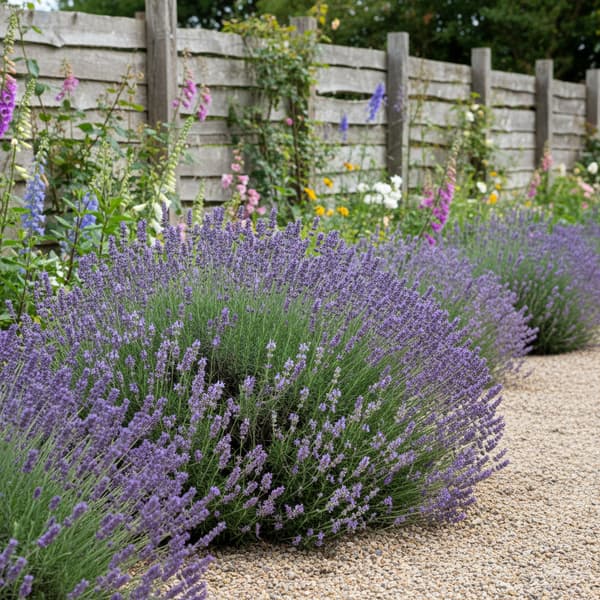
Lavender and rosemary along a garden border — cats avoid the strong scent
Coleus Canina (Scaredy Cat Plant)
This plant does exactly what its name suggests. Plant it in sunny borders. Cats avoid it within a 2-metre radius. You will barely notice the smell yourself.
It is easy to grow and needs very little maintenance. Space plants 30 cm apart for a continuous barrier along a border.
Lavender and Rosemary
Both plants repel cats with their strong fragrance. They also attract bees and butterflies. Plant them in full sun with well-drained soil.
A row of lavender along a path creates a natural scent barrier. Rosemary bushes work well at garden entry points where cats slip through.
Curry Herb Plant (Helichrysum italicum)
This is not a cooking herb. Its powerful smell drives cats away. It thrives in full sun and well-drained soil. Once established, it needs almost no care.
Plant it alongside lavender and coleus canina for a triple-layer scent defence. Even stubborn cats avoid this combination.
Keeping Your Garden Clean
A tidy garden is less attractive to cats. Lock bins and cover compost with a secure lid. Clear fallen fruit and vegetable scraps promptly.
Use gravel or bark mulch on bare soil. Cats prefer loose, dry earth for digging. Covered soil removes their favourite toilet spots. Store seed trays and growing supplies inside potting sheds where cats cannot reach them.
Keep Flowerbeds Watered
Cats prefer dry, loose soil for digging and toileting. Keeping flowerbeds consistently moist deters them naturally. Water your beds regularly, especially during dry spells.
Damp mulch creates an uncomfortable surface cats dislike walking on. Combine watering with a bark mulch layer for double the effect.
Get a Motion-Activated Sprinkler
Motion-activated sprinklers detect movement and release a burst of water. Cats hate sudden water jets. These devices work day and night without any effort from you.
Place them near problem areas like flowerbeds or vegetable patches. Most models cost between £20 and £40. They run on batteries and connect to a standard garden hose.
Use Stone and Gravel in Borders
Sharp gravel, decorative stones or crushed shells create uncomfortable surfaces. Spread a 50-75 mm layer around plant bases. Choose angular materials, not smooth pebbles.
This also helps with weed suppression. For more natural garden maintenance tips, read our guide to homemade weed killers.
Plant Catnip in a Decoy Zone
This sounds backwards, but it works. Plant catnip in a far corner of your garden. Cats flock to it and ignore your flowerbeds entirely.
Keep the catnip patch well away from the areas you want to protect. Combine it with deterrents on your main beds for the best results.
Build a Sandbox as a Decoy Toilet
Give visiting cats a designated toilet area. Fill a shallow tray with fine sand in a quiet garden corner. Cats naturally prefer soft sand over harder ground.
Clean it regularly. This redirects them away from your flowerbeds and vegetable patches. It works especially well alongside other deterrent methods.
Combining Methods for Better Results
No single method stops every cat. The best approach layers two or three deterrents together. Use citrus spray near scent-repelling plants. Place textured surfaces where you have sprayed oils.
Rotate methods every few weeks. Cats adapt to familiar deterrents over time. For broader greenhouse pest control advice, including slugs and insects, read our dedicated guide. We also cover slug control methods that pair well with cat deterrents.
Cat Welfare and Legal Considerations
Cats are protected by UK law and are free to roam. The Animal Welfare Act 2006 makes it an offence to cause unnecessary suffering. All deterrent methods must be humane and non-harmful.
Never use snares, poison or unlicensed devices. Ultrasonic deterrents must not exceed safe decibel levels. If in doubt, check guidance from the RSPCA or your local council.
You do not need expensive products or harsh chemicals to protect your garden. Everyday kitchen items, the right plants and some clever garden design do the job. Keep trying different combinations until you find what works for your patch.
Matt's Tip: Protecting Greenhouse Beds from Cats
Cats love greenhouses. The warm soil inside is irresistible for digging. I have seen cats destroy entire seed trays overnight by scratching through freshly sown compost. My fix is simple: lay a piece of chicken wire over every seed tray until seedlings are 50 mm tall. Close the greenhouse door every evening. If you want ventilation, fit a mesh door screen. It keeps cats out while allowing airflow. For seedlings you are hardening off outside, a sealed growhouse is the safest option.
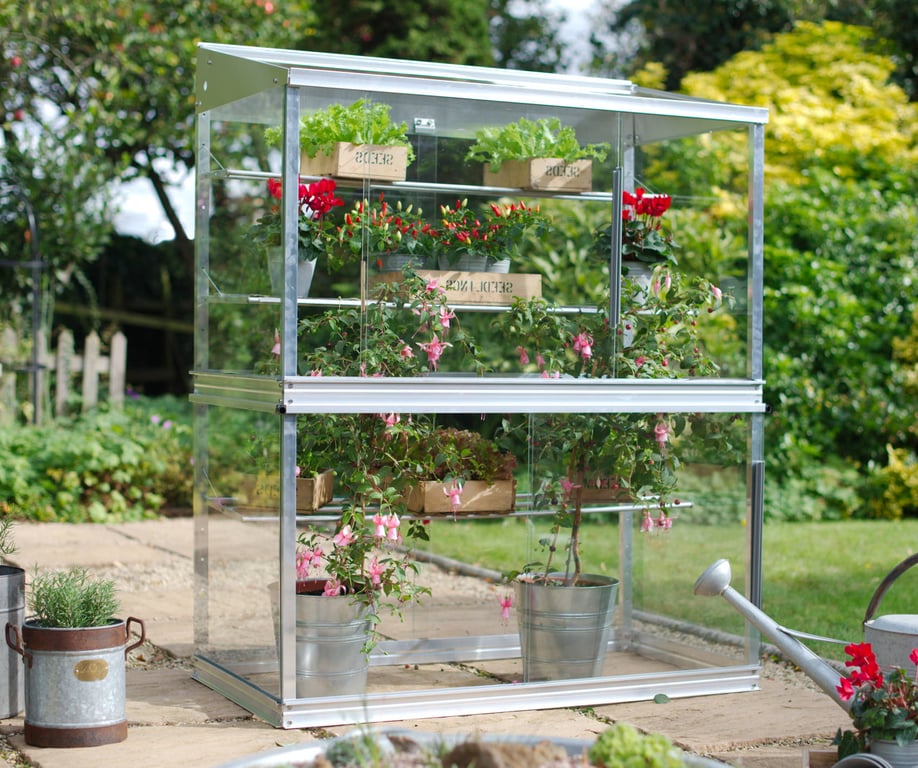
|
Matt's Pick for Cat-Proof GrowingBest For: Protecting seedlings from cats digging in your seed trays Why I Recommend It: Cats cannot access plants inside a sealed growhouse so your seedlings stay safe Price: £545 |
Frequently Asked Questions
What is the most effective homemade cat repellent?
A citrus, rosemary and vinegar spray works best. Mix water, two tablespoons of lemon juice, rosemary sprigs and white vinegar. Spray it around planters, borders and patio edges. Reapply after rain. Avoid spraying directly on plants as the acid can damage leaves.
How do I stop cats pooping in my garden?
Lay pine cones, egg shells or thorny cuttings on the soil. Cats hate walking on scratchy or spiky surfaces. Place these materials flat around your plants. Chicken wire laid on soil works too. Cats quickly learn to avoid these areas without any harm.
What are the best natural ways to deter cats?
Plant coleus canina, lavender and rosemary in sunny borders. Scatter citrus peels and coffee grounds around problem spots. Spray paths with citronella or eucalyptus oil mixed with water. Layer several methods together for the strongest effect.
Does chilli powder keep cats away?
Yes, freshly ground black pepper and chilli powder deter cats. Fresh spices have a stronger scent that cats notice immediately. Sprinkle lightly around plants. Reapply after rain. Use sparingly and keep it away from areas where children or pets play.
Are ultrasonic cat deterrents effective?
Ultrasonic devices work on some cats but not all. They emit a high-frequency sound that most cats find unpleasant. Battery-powered models cost between £15 and £30. They work best combined with scent-based deterrents. Older cats with reduced hearing may ignore them.
Is it legal to deter cats from my garden in the UK?
Yes, but all methods must be humane and non-harmful. Cats are protected under the Animal Welfare Act 2006. You may use scent repellents, water sprinklers and textured surfaces freely. Never use snares, poison or any device that could injure a cat. Causing unnecessary suffering is a criminal offence.
Related Articles
- How to Grow Herbs in Your Greenhouse
- Potting Shed Ideas: Layout, Storage and Organisation Tips
- How to Make Your Own Compost
- October Garden Jobs UK
- Autumn Tips for Preparing Your Garden
Need garden advice? Email us at info@greenhousestores.co.uk