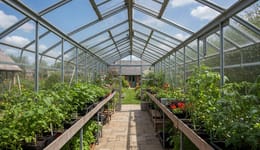
How to Grow Peppers in your Greenhouse
Peppers need sustained warmth of 21–28°C to fruit properly, making a greenhouse essential for UK growers. We have fitted greenhouses for pepper growers across the country over 16 years. With the right setup, you can harvest 6 or more varieties from a single greenhouse. Expect green peppers in 60–90 days from transplanting and fully coloured fruit in 90–120 days. This guide covers sowing, temperature control, feeding, and harvesting based on what actually works in British conditions.
Key Takeaways
- Sow pepper seeds from mid-February to March using a heated propagator set to 21–25°C for reliable germination
- Maintain daytime temperatures of 21–28°C and night temperatures above 16°C throughout the growing season
- Pinch out the growing tip at 30cm height (around 8 leaves) to encourage branching and heavier cropping
- Switch to a high-potash feed once flowers appear and water at the base to prevent blossom end rot
- Harvest green peppers from 60 days after transplanting or wait 90–120 days for full colour development
Installer's Note
We have fitted hundreds of greenhouses for customers growing peppers and chillies. The two things that make the biggest difference are heat retention and position. A south-facing site with good quality glazing keeps overnight temperatures stable. When we install for pepper growers, we always recommend checking that the greenhouse holds heat well into the evening. A 6mm polycarbonate or toughened glass greenhouse facing south will outperform a cheaper model in a shaded spot every time.

Why Grow Peppers in a Greenhouse in the UK?
The UK climate is too cool and too unpredictable for most pepper varieties to fruit outdoors. Peppers originate from Central and South America. They need consistent warmth above 21°C during the day to set fruit. Even in southern England, outdoor summer temperatures often fall below this threshold.
A greenhouse solves this problem. It traps solar heat, extends the growing season by 6–8 weeks, and protects plants from wind and rain. You can start seeds in February rather than April. You can grow hot varieties like Jalapeno that would never ripen outdoors in Manchester or Edinburgh.
Choosing one of the best greenhouses for your garden gives peppers the controlled environment they need. Even a small 6x4ft greenhouse can hold 8–12 pepper plants in pots and growbags.
Best Pepper Varieties for UK Greenhouses
Not all pepper varieties perform equally in British greenhouses. The UK growing season is shorter than southern Europe. Choose varieties bred for cooler climates or with shorter maturation times.
Sweet Pepper Varieties
Bell Boy is the most reliable sweet pepper for UK greenhouses. It produces blocky green fruits that ripen to red in about 75 days from transplanting. Gypsy F1 is an early-maturing variety that handles temperature fluctuations better than most. California Wonder is a classic thick-walled pepper ideal for stuffing and salads.
Hot Pepper Varieties
Jalapeno is the most popular hot pepper for UK growers. It fruits reliably in greenhouses and reaches 2,500–8,000 Scoville heat units. Hungarian Hot Wax produces long, tapered fruits that ripen from yellow to red. Padron produces small peppers perfect for frying whole, with most fruits mild but the occasional one hot.
Variety Comparison Table
| Variety | Type | Days to Harvest | Heat Level | Fruit Size | Best For |
|---|---|---|---|---|---|
| Bell Boy | Sweet | 70–80 days | None (0 SHU) | Large (10–12cm) | Salads, stuffing, roasting |
| Gypsy F1 | Sweet | 60–70 days | None (0 SHU) | Medium (8–10cm) | Early cropping, cooler greenhouses |
| California Wonder | Sweet | 75–85 days | None (0 SHU) | Large (10–14cm) | Thick-walled, ideal for stuffing |
| Jalapeno | Hot | 70–80 days | Medium (2,500–8,000 SHU) | Small (6–8cm) | Salsas, pickling, nachos |
| Hungarian Hot Wax | Hot | 65–75 days | Mild-Medium (1,000–15,000 SHU) | Medium (10–15cm) | Frying, pickling |
| Padron | Hot (variable) | 60–70 days | Mild (500–2,500 SHU) | Small (3–5cm) | Frying whole in olive oil |
Sowing and Propagation
Pepper seeds need warmth to germinate. Sow from mid-February to the end of March. Any earlier and the seedlings will not get enough natural light. Any later and you lose valuable growing weeks.
How to Sow Pepper Seeds
Fill 7cm pots or module trays with seed compost. Sow seeds 1cm deep, two per pot. Water gently with tepid water. Place in a heated propagator set to 21–25°C. Germination takes 7–14 days for sweet varieties and up to 21 days for hot peppers.
A heated propagator is essential at this stage. Windowsill temperatures fluctuate too much overnight. The soil temperature must stay above 18°C consistently for germination to succeed.
Potting On
When seedlings develop two true leaves (not the seed leaves), pot on into 9cm pots of multipurpose compost. Handle seedlings by the leaves, never the stem. Keep potted-on seedlings in the propagator or a warm greenhouse at 18–21°C.
Pot on again into 12cm pots when roots fill the 9cm pot. This usually happens 3–4 weeks after the first potting on.
Hardening Off
From early May, move plants to an unheated greenhouse or cold frame during the day. Bring them back inside at night. Do this for 10–14 days before planting out. This toughens the stems and acclimatises the plants to cooler conditions.
Planting Out in the Greenhouse
Plant out after the last frost risk has passed. In most of the UK, this means late May to early June. Do not rush this step. One cold night below 5°C can kill pepper plants.
Use pots at least 30cm in diameter, or plant two peppers per standard growbag. Space plants 45cm apart to allow air circulation and prevent disease. A wooden greenhouse with good thermal mass can help maintain stable temperatures during the transition period.
Position plants where they will receive maximum sunlight. The south side of the greenhouse is ideal. Avoid placing them directly against the glass, as this can cause leaf scorch on hot days.
Temperature and Environment
Getting the temperature right is the single most important factor in growing peppers successfully. Peppers stop growing below 15°C and drop flowers below 10°C.
Environmental Requirements
| Factor | Optimal Range | Minimum | Notes |
|---|---|---|---|
| Daytime temperature | 21–28°C | 15°C | Growth stops below 15°C |
| Night temperature | 16–18°C | 10°C | Flowers drop below 10°C |
| Sunlight | 6–8 hours direct | 6 hours | South-facing position ideal |
| Humidity | 65–75% | 50% | Mist foliage in hot, dry weather |
| Soil temperature | 18–24°C | 15°C | Use black pots to absorb heat |
Ventilation
Open vents or doors when greenhouse temperatures exceed 28°C. Fitting auto vent openers takes the guesswork out of ventilation. They open automatically when the temperature rises and close when it drops. We fit these on most greenhouses we install. They make a real difference for heat-sensitive crops like peppers.
Heating
In the UK, you will almost certainly need supplementary heating from September onwards to keep peppers cropping. Even in June, night temperatures can dip below the 16°C that peppers prefer. A thermostatically controlled electric heater set to 15°C protects plants on cold nights. Running costs stay manageable. Browse our range of greenhouse heaters to find one that suits your greenhouse size.
Watering and Feeding
Inconsistent watering is the most common cause of problems with greenhouse peppers. Irregular moisture causes blossom end rot, flower drop, and misshapen fruit.
Watering
Water at the base of the plant, never over the foliage. Wet leaves encourage fungal diseases. Water in the morning so excess moisture evaporates during the day. Check soil moisture daily in summer. Peppers in pots and growbags dry out faster than those planted in greenhouse borders.
The soil should be consistently moist but never waterlogged. Push your finger 2cm into the compost. If it feels dry, water thoroughly. If it feels damp, leave it another day.
Feeding
Start feeding once the first flowers appear. Use a high-potash liquid feed (such as tomato fertiliser) diluted to the manufacturer's recommended strength. Feed once a week through the growing season. High-potash feed promotes flowering and fruiting. Do not use a high-nitrogen feed, as this produces lots of leaves but few peppers.
Matt's Tip: Pinch Out at 30cm
I always pinch out the growing tip of my pepper plants at about 30cm tall. This is usually around the 8-leaf stage. This forces the plant to branch sideways instead of growing straight up. The result is a bushier plant with more flowering points, which means more peppers per plant. I learned this years ago and it consistently increases my yield by a third. Use your thumb and forefinger to nip out the very top growing point. Do it once and the plant does the rest.
Pruning and Support
Pruning
Beyond the initial pinch-out at 30cm, remove any side shoots that appear below the first fork in the main stem. These low branches rarely produce good fruit and they divert energy from the upper canopy.
Remove the first few flowers that appear. This feels wrong, but it forces the plant to put energy into root and stem development. A stronger plant produces more peppers over the full season.
Support
Tall varieties like Hungarian Hot Wax and California Wonder need staking. Push a 90cm bamboo cane into the pot next to the main stem. Tie the stem loosely with soft string as it grows. Without support, heavy fruit can snap branches or topple the entire plant.
Common Problems and Solutions
Most pepper problems in UK greenhouses come down to temperature, watering, or pests. Here is how to identify and fix the most common issues. For a full breakdown of pest management, read our greenhouse pest control guide.
Aphids
Green and black aphids cluster on new growth and under leaves. They weaken plants and spread viruses. Squash small infestations by hand. For larger outbreaks, spray with diluted washing-up liquid (5ml per litre of water). Ladybirds and lacewing larvae work well as biological control.
Red Spider Mite
Tiny mites that thrive in hot, dry conditions. You will see fine webbing on leaves and yellow speckling. Raise humidity by misting the floor and foliage. Introduce the predatory mite Phytoseiulus persimilis for biological control.
Blossom End Rot
A dark, sunken patch appears on the bottom of the fruit. This is caused by calcium deficiency, which is almost always linked to irregular watering. The calcium is present in the soil but the plant cannot transport it without consistent moisture. Water regularly and evenly. A calcium foliar spray can help in severe cases.
Sunscald
White or papery patches on fruit exposed to direct, intense sun. This happens when fruit is suddenly exposed after leaf removal or on exceptionally hot days. Shade the greenhouse with fleece or shade paint when temperatures exceed 30°C. Leave enough foliage on the plant to shade developing fruit.
Harvesting Peppers
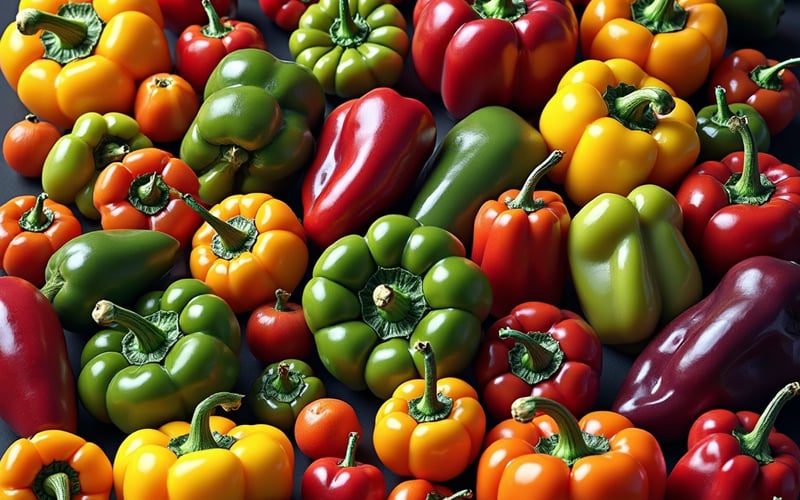
Green peppers are ready to harvest 60–90 days after transplanting. Fully coloured peppers (red, yellow, or orange depending on variety) take 90–120 days. The longer you leave them on the plant, the sweeter they become.
Cut peppers from the plant with sharp secateurs or a knife. Do not pull them off by hand, as this damages the stem and can break branches. Leave a short stalk of 2–3cm attached to the fruit.
Harvesting regularly encourages the plant to produce more flowers and fruit. Pick green peppers every few days in peak season. If you want coloured peppers, leave 2–3 fruits to ripen fully. Pick the rest green to keep the plant productive.
Matt's Pick for Greenhouse Pepper Growing
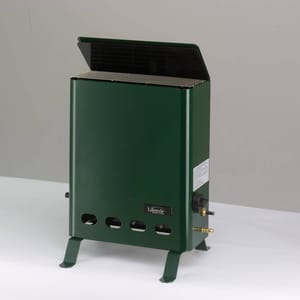 |
Eden 2KW Greenhouse Heater Best For: Keeping greenhouse temperature above 10°C overnight for pepper growing Why I Recommend It: I have fitted this heater for dozens of customers who grow peppers and chillies. The built-in thermostat holds the temperature steady overnight without running up a huge electricity bill. It kicks in automatically when the greenhouse drops below your set temperature. For pepper growers, I set it to 15°C to keep plants safe on cold nights from September through to October. Price: £140 |
When should I sow pepper seeds in a UK greenhouse?
Sow pepper seeds from mid-February to the end of March. Use a heated propagator set to 21–25°C for reliable germination. Sweet pepper varieties typically germinate within 7–14 days at this temperature. Hot pepper varieties such as Jalapeno can take up to 21 days. Sowing before mid-February is not recommended because seedlings will not receive enough natural daylight to grow strongly.
Can I grow peppers and tomatoes in the same greenhouse?
Yes, peppers and tomatoes grow well together in a greenhouse. Both plants belong to the Solanaceae family and need similar temperatures of 21–28°C. They also share the same feeding requirements, responding well to high-potash liquid feed once flowering begins. Plant peppers on the south side where they receive maximum light. They are shorter than tomato plants and can be shaded out.
Why are my greenhouse pepper leaves curling?
Leaf curling is usually caused by inconsistent watering or pest damage. Check the soil moisture first. If the compost is very dry, water thoroughly and the leaves should recover within 24 hours. Inspect the undersides of leaves for aphids or spider mites. Temperature stress from cold nights below 10°C also causes leaf curl. Maintain night temperatures above 16°C for healthy foliage.
How do I make my peppers turn red faster?
Reduce watering slightly and ensure temperatures stay above 21°C during the day. Mild water stress signals to the plant that it is time to ripen fruit. Remove any new flowers so the plant focuses energy on existing fruit. Placing a ripe banana near the plants releases ethylene gas, which speeds up ripening. Expect green peppers to take 3–4 weeks to fully change colour on the plant.
Do pepper plants need support in a greenhouse?
Most pepper varieties benefit from staking once they start fruiting. Sweet peppers like California Wonder produce heavy fruit that can snap branches without support. Push a 90cm bamboo cane into the pot beside the main stem and tie loosely with soft string. Compact varieties like Padron usually support themselves. Tall varieties like Hungarian Hot Wax always need staking.
Frequently asked questions
When should I plant peppers in a greenhouse UK?
Sow pepper seeds indoors in February or March at 21-25C. Transplant seedlings into the greenhouse from late May when overnight temperatures stay above 12C. Earlier planting in a heated greenhouse can start from April.
How long do peppers take to grow?
Green peppers are ready 60-80 days after transplanting. Red, yellow and orange peppers need an extra 2-3 weeks to fully ripen after reaching full size. Chilli peppers take 80-120 days depending on variety.
Do peppers need a lot of water in a greenhouse?
Water peppers every 1-2 days in summer, keeping compost moist. Inconsistent watering causes blossom end rot and flower drop. Morning watering is best. Reduce frequency in autumn as growth slows.
Should I pinch out pepper plants?
Pinch out the growing tip when the plant reaches 30cm tall. This encourages side shoots and a bushier plant with more fruit. Remove the first flower (king flower) to direct energy into plant growth before fruiting.
Can you grow peppers and tomatoes together in a greenhouse?
Yes, peppers and tomatoes grow well together in similar conditions. Both need temperatures above 15C, full sun, and regular feeding with high-potash fertiliser. Space plants 45cm apart to allow good airflow.
Related Articles
- Growing Chillies in a Greenhouse
- Growing Tomatoes in a Greenhouse
- How to Grow Seeds in a Greenhouse
- What to Grow in a Greenhouse Beginners Guide
- 25 Unusual Things to Grow in a Greenhouse
Questions about growing peppers or choosing a greenhouse? Contact our team at info@greenhousestores.co.uk