How to Grow Shallots in a Greenhouse: UK Guide 2026
Shallots grow faster and more reliably in a greenhouse than outdoors in the UK. Plant sets from January in modules at 15-20cm spacing. Maintain 10-21°C and water when the top 25mm of compost dries out. Most varieties reach harvest in 90-120 days. Greenhouse-grown shallots avoid the wet-soil rot that ruins outdoor crops. Properly cured bulbs store for six to eight months.
Shallots grow faster and more reliably in a greenhouse than outdoors in the UK. Plant sets from January in modules at 15-20cm spacing. Maintain 10-21°C and water when the top 25mm of compost dries out. Most varieties reach harvest in 90-120 days. Greenhouse-grown shallots avoid the wet-soil rot that ruins outdoor crops. Properly cured bulbs store for six to eight months.
Key Takeaways
- Earlier planting: Start sets in January under glass, two months before outdoor planting
- Higher success rate: Greenhouse shelter prevents the waterlogged soil that rots 30-50% of outdoor sets
- Variety choice matters: Golden Gourmet and Jermor perform best in UK greenhouse conditions
- Simple feeding: Liquid feed every three to four weeks from bulb formation until foliage yellows
- Long storage: Properly cured greenhouse shallots keep for six to eight months in a cool, dry place
- Space efficient: Each set produces 6-12 bulbs, making shallots ideal for small greenhouses
Installer's Note
We fit greenhouses across the UK all year round. Customers who grow alliums always tell us the same thing: the greenhouse changed everything. Outdoor sets rot in a wet British spring. Under glass, they get the warmth and dry conditions they need. We have grown shallots in our test greenhouse for six seasons now. We consistently harvest 8-10 bulbs per set.
Why grow shallots in a greenhouse?
A greenhouse gives shallots the warm, dry start that British weather rarely provides. Shallot sets need soil temperatures above 5°C to root properly. Outdoors in January, most UK gardens sit at 2-4°C. Inside even an unheated greenhouse, soil temperatures reach 8-12°C on sunny winter days. That difference means roots establish three to four weeks earlier than outdoor plantings.
Wet soil is the biggest killer of outdoor shallots. Sets sitting in waterlogged ground develop basal rot within days. A greenhouse keeps rain off the compost entirely. You control the moisture, and shallots prefer things on the dry side. We see far fewer losses from rot in greenhouse-grown crops compared to outdoor beds.
Greenhouse growing also extends the season at both ends. You can plant in early January and harvest by late May. That frees up greenhouse space for summer tomatoes and cucumbers. The controlled environment reduces pest pressure too, keeping onion fly and thrips at manageable levels without chemical sprays.
Best shallot varieties for UK greenhouses
Six varieties perform consistently well in UK greenhouse conditions, each suited to different cooking styles. Choosing the right variety makes a genuine difference to yield and flavour. Here are the ones we recommend from direct growing experience.
Golden Gourmet is the UK's most popular shallot. It produces 6-8 firm, golden-skinned bulbs per set. Flavour is mild and sweet. It stores well for up to eight months and resists bolting in warm greenhouse conditions. This is the variety we plant most often.
Jermor is a French copper-skinned variety prized by chefs. It produces elongated bulbs with a rich, complex flavour. Yields are slightly lower at 5-7 bulbs per set, but the taste is superior for sauces and dressings. It needs consistent warmth, making it ideal for greenhouse growing.
Red Sun adds colour to the harvest. The deep red skin and pink-tinged flesh look striking in salads. It produces 5-8 bulbs per set and stores for five to six months. Red Sun tolerates slightly cooler conditions than Jermor.
Pikant is the choice for long storage. This Dutch variety keeps for up to ten months in cool, dry conditions. Bulbs are round with reddish-brown skin and a strong, pungent flavour. It produces 6-10 bulbs per set.
French Grey (Griselle) is the gourmet variety. It has a delicate, complex flavour that true shallot enthusiasts seek out. Yields are smaller at 4-6 bulbs per set, and it does not store as long. Grow this one for immediate kitchen use.
Echalion (Banana Shallot) produces the long, torpedo-shaped bulbs you see in supermarkets. Each set typically yields 3-5 large bulbs rather than clusters of small ones. The mild flavour and easy peeling make it popular for roasting whole.
When and how to plant shallots in a greenhouse
Plant shallot sets in January or February for a May to June harvest. Sets are small, dormant bulbs that grow far more reliably than seeds. Seeds take 12-16 weeks longer and produce smaller bulbs in the first year. For greenhouse growing, sets are the clear choice.
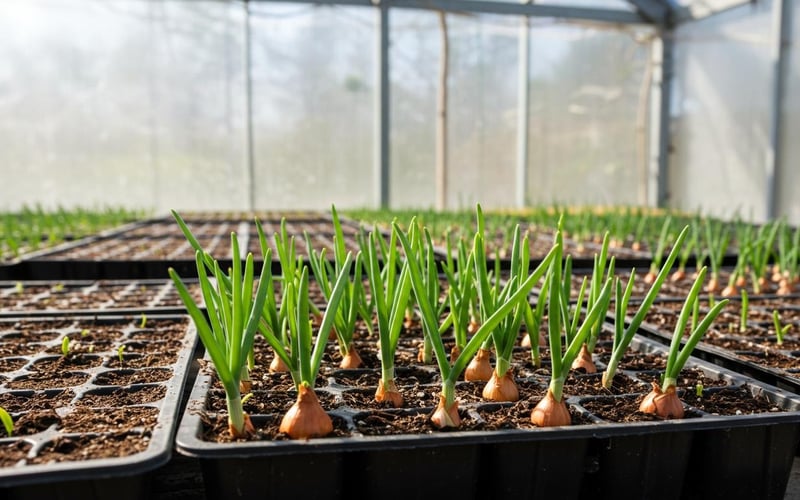
Fill module trays or 9cm pots with multi-purpose compost mixed with 20% perlite for drainage. Push each set into the compost so the pointed tip just shows above the surface. Water lightly to settle the compost around the base. Place the trays on greenhouse staging where they receive maximum light.
Once shoots reach 10-15cm and roots fill the module, transplant into larger containers or greenhouse border soil. Space plants 15-20cm apart in rows 25-30cm apart. Plant at the same depth as in the module. Firm the compost gently around each plant. We find that a 6x4 greenhouse comfortably holds 40-60 shallot plants alongside other crops.
Matt's Tip: Module Starting
I always start shallot sets in module trays rather than planting straight into the border. It sounds like extra work, but it saves time in the long run. You can check every set has rooted before giving it border space. Any sets that fail to sprout get replaced immediately. I lose maybe one in twenty this way, compared to one in five when planting directly. The roots also establish faster in the warm, contained compost of a module.
Temperature, watering, and feeding
Shallots need 10-21°C for steady growth and minimal watering compared to most greenhouse crops. They are not fussy plants, but getting the basics right makes a noticeable difference to bulb size and yield.
Temperature is straightforward. Shallots tolerate brief dips to 0°C but stop growing below 5°C. The ideal range for bulb formation is 15-21°C during the day and 10-15°C at night. In an unheated greenhouse, this happens naturally from March onwards in most of the UK. If you plant in January, a small tube heater set to a 5°C minimum keeps things moving.
Overwatering is the most common mistake. Shallots want the top 25mm of compost to dry out between waterings. Check by pushing your finger into the soil. If it feels damp, leave it alone. In winter, this might mean watering once a week. In late spring, every three to four days. Never let containers sit in saucers of water.
Start feeding when the bulbs begin to swell visibly, usually six to eight weeks after planting. Use a balanced liquid feed (such as a tomato feed diluted to half strength) every three to four weeks. Stop feeding once the foliage starts to yellow and flop over. That is the plant telling you the bulbs are finishing.
Common pests and diseases in greenhouse shallots
Greenhouse shallots face fewer problems than outdoor crops, but six issues still appear regularly. Early identification and good ventilation prevent most of them. For a full guide to managing bugs under glass, read our article on greenhouse pest control.
Onion fly lays eggs at the base of plants in May and June. The larvae tunnel into bulbs, causing them to soften and rot. Fleece covers over plants during the egg-laying period stop most infestations. Remove and destroy any affected plants immediately.
Thrips cause silvery streaking on leaves. They thrive in hot, dry conditions. Regular misting of the greenhouse floor raises humidity enough to deter them. Biological controls like Amblyseius cucumeris work well in enclosed greenhouse environments.
Aphids cluster on new growth and weaken plants. Introduce ladybirds or lacewing larvae as biological control. A strong jet of water from a hand sprayer dislodges small colonies. Avoid chemical sprays on edible crops wherever possible.
White rot is the most serious fungal disease. It causes white, fluffy growth at the bulb base with tiny black dots. There is no cure. Remove affected plants and the surrounding soil. Do not grow alliums in the same compost for at least eight years. This is why we recommend container growing in a greenhouse, as you can replace the compost entirely.
Downy mildew shows as grey-purple patches on leaves, usually in cool, damp conditions. Improve ventilation by opening roof vents and louvres. Remove affected leaves promptly. Space plants adequately to allow air circulation.
Botrytis (grey mould) attacks damaged or dying foliage and can spread to bulbs during storage. Keep greenhouse ventilation consistent. Remove dead leaves regularly. Cure bulbs thoroughly before storing to prevent post-harvest infection.
|
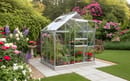
Matt's Pick for Growing ShallotsBest For: Small-space shallot growing with reliable ventilation Why I Recommend It: I have grown shallots in a Venus 2500 for three seasons. The opening roof vent prevents the damp air that causes mildew. The 6x4 footprint fits 50+ shallot plants with room for staging. A 12-year frame guarantee means it outlasts a decade of growing. Price: £395 |
How to harvest and store greenhouse shallots
Shallots are ready to harvest 90-120 days after planting, when the foliage yellows and falls over. Timing the harvest correctly is the difference between bulbs that store for months and bulbs that rot within weeks. Do not rush this stage.
Stop watering two weeks before you plan to harvest. This firms up the outer skins and starts the curing process while the bulbs are still in the ground. When the tops have fully yellowed and collapsed, gently lift each cluster with a hand fork. Avoid pulling by the stems, as this can damage the neck and let in disease.
Cure the bulbs in a warm, dry, well-ventilated spot for two to three weeks. We lay ours on greenhouse staging with the vents fully open. The skins should become papery and rustle when handled. Trim the roots and cut back the dried foliage to 25mm above the bulb.
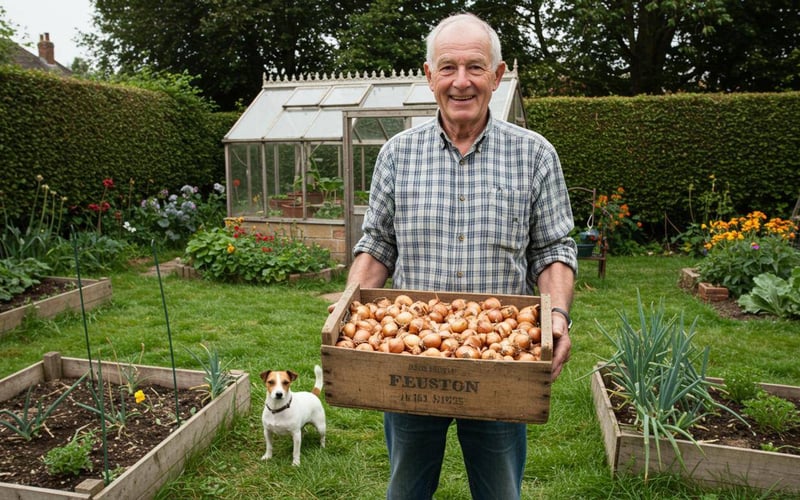
Store cured shallots in mesh bags or open crates in a cool, dry place at 5-10°C. A well-ventilated shed or unheated room works well. Check stored bulbs monthly and remove any showing signs of softness or mould. Golden Gourmet stores for up to eight months. Pikant can last ten months in ideal conditions. Keep the best-shaped bulbs from each harvest as sets for next year's planting.
Companion planting for greenhouse shallots
Shallots grow well alongside carrots, beetroot, lettuce, and strawberries in a greenhouse setting. Good companions make efficient use of limited greenhouse space and can help deter pests naturally. For a full guide to pairing plants under glass, see our article on companion planting in a greenhouse.
Carrots are the classic shallot companion. The scent of alliums repels carrot fly, while carrot foliage is said to confuse onion fly. Plant carrots in rows between shallot rows for a mutually beneficial arrangement.
Beetroot grows at a similar pace and shares the same watering needs. The upright beet foliage does not shade the shorter shallot leaves. Both crops appreciate the same feeding schedule.
Lettuce works well as a quick catch crop between shallot rows. It fills the gaps before shallots need the space. The shallow lettuce roots do not compete with deeper shallot roots.
Strawberries benefit from the pest-deterring properties of alliums. The low-growing strawberry plants make good ground cover between shallot containers.
Avoid peas and beans near shallots. Legumes fix nitrogen in the soil. Too much nitrogen causes lush foliage at the expense of bulb development. Keep at least 60cm between legumes and alliums in a shared greenhouse.
Frequently asked questions
Can I grow shallots year-round in a greenhouse?
Yes, a heated greenhouse allows year-round shallot growing. Growth slows significantly below 10°C. For winter crops, maintain a minimum 5°C with a greenhouse heater. Provide supplementary lighting in December and January when daylight drops below eight hours. Most UK growers find a single January-to-June crop more practical.
How many shallots does one set produce?
Each shallot set typically produces 6-12 bulbs. The exact number depends on variety and growing conditions. Golden Gourmet averages 6-8 bulbs. Pikant can produce up to 10. Echalion (banana shallots) yield fewer but larger bulbs, usually 3-5 per set. Consistent warmth and feeding in a greenhouse pushes yields toward the higher end.
Should I grow shallots from sets or seeds?
Sets are easier and faster for greenhouse growing. A set is a small dormant bulb that already contains the energy to sprout quickly. Sets reach harvest in 90-120 days. Seeds take 16-20 weeks longer and produce smaller bulbs in their first year. Seeds offer more variety choice, but for reliable greenhouse crops, sets win every time.
What size containers work for growing shallots?
Use containers at least 20cm deep and 30cm wide. Shallots need room for the cluster of bulbs to expand outward. A standard growbag works for a single row of 4-5 sets. Large tubs (40-50 litre) hold 6-8 sets comfortably. Ensure every container has drainage holes. We drill extra holes in the base of cheap plastic tubs to prevent waterlogging.
Do greenhouse shallots need full sun?
Shallots need at least six hours of direct light daily. Position them on the sunniest staging bench or greenhouse border. South-facing greenhouses give the best results. In a north-facing greenhouse, shallots grow but produce smaller bulbs. Avoid placing them under taller plants like tomatoes that cast shade during the critical bulb-forming period.
How do I prevent shallots from bolting in a greenhouse?
Keep temperatures below 25°C and avoid cold snaps after planting. Bolting happens when shallots experience a sudden cold period followed by warmth. This tricks the plant into thinking winter has passed and triggers flowering. Maintain steady temperatures by ventilating on warm days and closing vents overnight in early spring. Bolt-resistant varieties like Golden Gourmet also help.
Can I grow shallots alongside garlic in the same greenhouse?
Yes, shallots and garlic share almost identical growing needs. Both want the same temperature range, watering schedule, and feeding routine. Plant them in separate containers or adjacent rows. The main risk is disease transfer, as both are alliums susceptible to white rot and downy mildew. Rotate your allium growing position each year and use fresh compost. See our guide to growing garlic in a greenhouse for detailed garlic advice.