How to Grow Winter Pansies: UK Planting, Care and Cold Frame Guide
Winter pansies (Viola x wittrockiana) flower from November to April in UK gardens, surviving temperatures down to -10°C. Plant in September or October while soil is still warm for the strongest root systems. Deadhead every 2-3 days to keep blooms coming. They grow in pots, window boxes, hanging baskets and borders. Use a cold frame from £249 to protect displays during the harshest frosts.
Key Takeaways
- Plant by early October: Warm soil lets roots establish before temperatures drop. Buy garden-ready plants if planting from November onwards.
- Deadhead relentlessly: Remove spent flowers every 2-3 days. Pinch the whole stem, not just the petals. This doubles the flowering period.
- Drainage beats everything: Mix 20% grit or perlite into compost. Wet roots kill pansies faster than frost does.
- Full winter sun: Place pots south-facing. Winter sun is weak, so pansies need every ray they can get.
- Raise pots off the ground: Use pot feet or bricks to prevent waterlogging and freezing from below.
- Cold frame rotation: Swap battered outdoor displays with fresh plants kept under glass. A cold frame from £249 pays for itself in one season.
Expert Tip
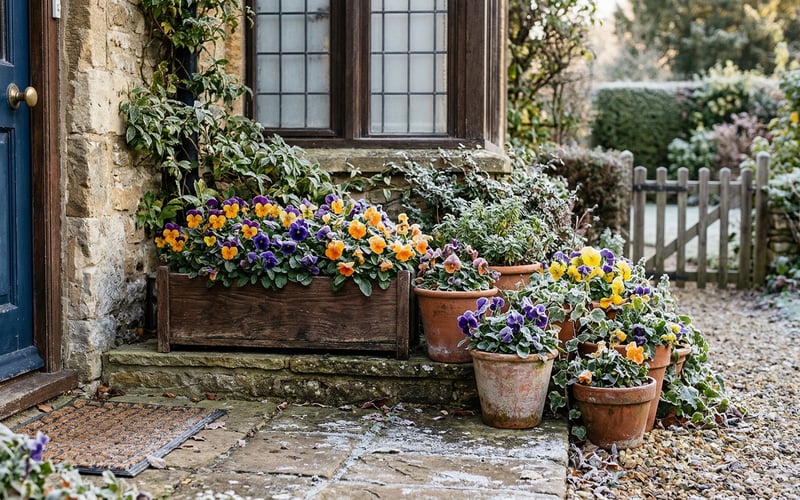
We fit cold frames and small greenhouses for customers who grow winter pansies every year. The single best investment we recommend is a 4x2 or 4x4 cold frame positioned against a south-facing wall. It gives you a recovery station for frost-damaged plants and a space to raise plugs from September onwards. Customers rotate three sets of pots between the front door and the cold frame. Flowers look perfect all winter without buying replacements. The frame pays for itself in one season.
When should you plant winter pansies in the UK?
Plant winter pansies in September or early October for the best results. The soil is still warm from summer, which lets roots establish before temperatures drop. A strong root system means more flowers from November onwards. Plants with established roots also bounce back faster after frost.
If you miss the autumn window, you can still plant from November through December. Buy garden-ready plants in 9cm pots rather than small plugs. Plugs planted late sit in cold, wet compost and often rot before they establish. Keep late-planted pansies sheltered near a house wall for the first week to acclimatise them.
For the earliest displays, sow seed in July or August in a cold frame or greenhouse. Seedlings need 8-10 weeks to reach transplanting size. This is how commercial growers produce the plug plants sold in garden centres each autumn. Our guide to growing from seed over winter covers the full process.
How to choose the right spot for winter pansies
Winter pansies need full sun and shelter from prevailing winds. In summer, pansies prefer partial shade. In winter, they crave every hour of sunlight available. South-facing positions are ideal for pots and window boxes.
Wind is the hidden killer. Cold winter wind desiccates leaves when the ground is frozen, because the roots cannot replace lost moisture. A sheltered spot against a wall, fence, or hedge makes a big difference. Avoid exposed, north-facing positions where frost lingers longest.
For beds and borders, drainage matters more than anything else. Pansies hate wet feet. If your soil is heavy clay, dig in grit and organic matter before planting, or grow in raised beds instead. Container growing is often easier because you control the compost mix completely.
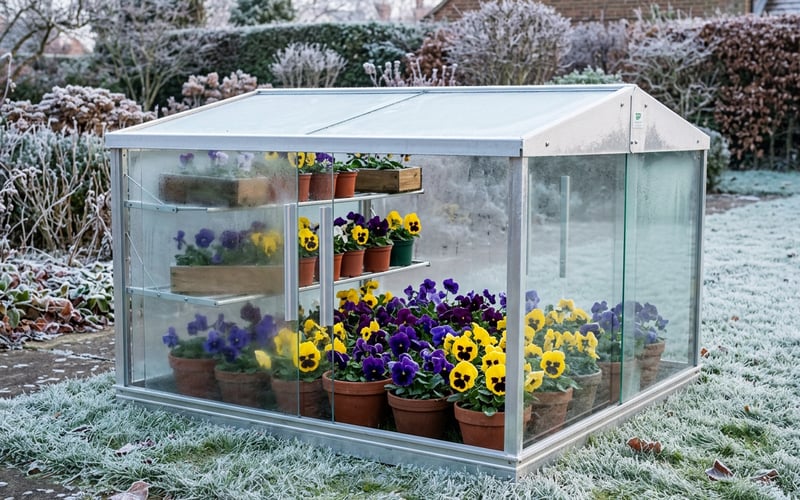
Shop the 4x4 Access Aluminium Coldframe →
What is the best compost for winter pansies?
Use fresh peat-free multipurpose compost mixed with 20% grit or perlite for drainage. Never reuse old summer compost. It is exhausted of nutrients and harbours disease spores that thrive in cold, damp conditions.
The grit is non-negotiable for UK winters. Our rainfall from November to March is heavy and persistent. Without good drainage, compost stays sodden and roots rot within weeks. Mix slow-release fertiliser granules into the compost at planting time. This feeds the plants during mild spells without you having to remember liquid feeds.
If planting in the ground, dig in organic matter and sharp sand to break up heavy clay. A 5cm layer of gravel mulch around the base of each plant keeps the crown dry and discourages slugs. For more on protecting plants through the cold months, see our overwintering plants guide.
How to plant winter pansies step by step
Water plants in their nursery pots first, then plant at the same depth they were growing at. Burying the stems causes rot. Follow these steps for pots, baskets, or beds:
- Water first: Soak the plants in their nursery pots for 30 minutes before planting.
- Prepare the container: Ensure drainage holes are clear. Add a 2cm layer of crocks or gravel at the bottom.
- Fill with compost: Fresh multipurpose compost with 20% grit mixed in. Add slow-release fertiliser.
- Plant at the right depth: The top of the root ball should sit level with the compost surface. Not deeper.
- Space correctly: 10-15cm apart. Winter pansies grow slowly so closer spacing works for fuller displays.
- Firm gently: Press the compost around the roots with your fingers. Water lightly to settle.
If you buy plug plants in autumn, pot them into 9cm pots first. Let the roots fill that pot before moving to a final container. This prevents the "surrounded by wet cold compost" problem that kills tiny plugs. Potting on takes two to three weeks in September.
How to keep winter pansies blooming all winter
Deadhead every 2-3 days and feed during mild spells. A pansy's goal is to set seed. Once a flower fades and forms a seed pod, the plant stops producing new blooms. Removing spent flowers before seeds form forces the plant to keep flowering.
The right technique matters. Do not just pull the petals off. Follow the flower stem back to the base of the plant and pinch or snip the whole stem off. Leaving a headless stalk wastes the plant's energy. Check your plants every couple of days through winter. It takes 30 seconds per pot and doubles the total number of flowers.
Feed with a weak liquid feed (half-strength tomato fertiliser works well) during mild spells in November, February, and March. Do not feed when temperatures are below 5°C because the roots cannot absorb nutrients in cold soil. The slow-release granules mixed in at planting time carry the plants through the coldest months.
Matt's Tip: The Cold Frame Rotation Trick
I keep three sets of pansy pots going through winter. Two are on display by the front door and one set is recovering in the cold frame. When display pots get battered by a storm or hard frost, I swap them with the cold frame set. The tired plants perk up under glass within a week. This way the front of the house always has perfect pansies and I never buy replacements mid-season. A 4x2 cold frame fits six pots comfortably.
How to water and feed winter pansies
Water only when the compost feels dry to the touch, and always water in the morning. Winter watering is the opposite of summer. Overwatering is the biggest killer of winter pansies in the UK because our winters are wet already.
Lift your pot to check the weight. A heavy pot has enough moisture. A light pot needs water. Water in the morning so excess drains before the evening freeze. Never water frozen compost because the plant cannot absorb it and it creates an ice block around the roots.
Raise pots on pot feet, bricks, or a piece of slate. This prevents the drainage hole sitting in a puddle and stops the base freezing to the ground. It also improves airflow underneath, which reduces disease. For more winter gardening techniques, our 10 gardening tips for winter covers the essentials.
Using cold frames and greenhouses for winter pansies
A cold frame is the single most useful tool for growing winter pansies in the UK. The plants survive -10°C outdoors, but flowers get damaged by snow, freezing rain, and persistent frost. A cold frame keeps blooms pristine.
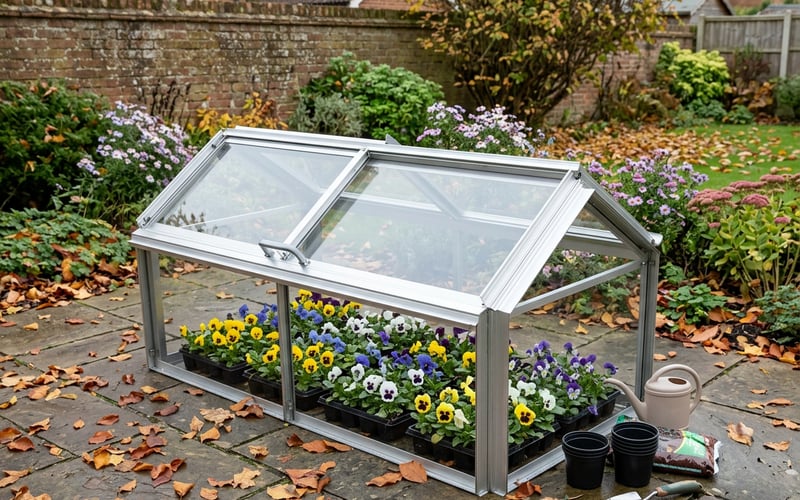
Use a cold frame to start plug plants from August, harden off young plants, and rotate display pots through winter. The 4x4 Access Aluminium Coldframe at £427 fits eight to ten pots. Toughened glass handles hail and heavy snow loads.
A mini greenhouse or growhouse works equally well if you have limited space. The Access City Growhouse at £799 sits on a patio and holds six to eight pots on two shelves. It provides enough frost protection for pansies without needing heating. Open the vents on mild days above 10°C to prevent mildew. Our winter greenhouse growing guide covers temperature management.
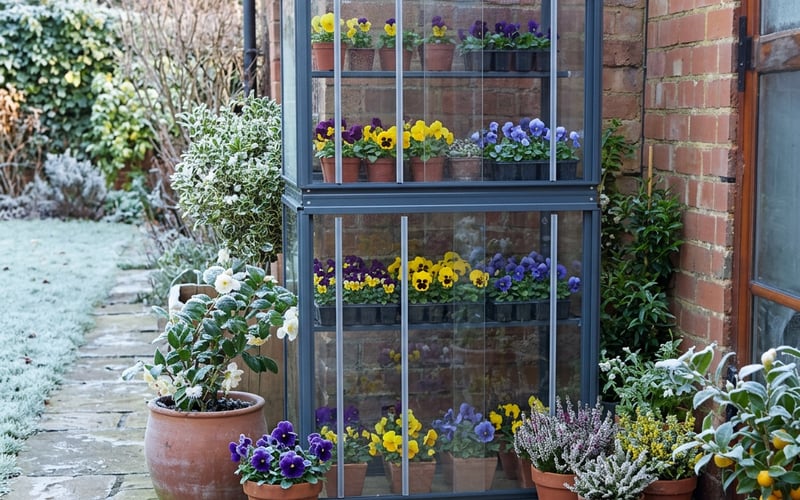
Shop the 2x3 Access City Growhouse →
Common winter pansy problems and fixes
Slugs, downy mildew, and waterlogging cause most winter pansy failures in UK gardens. All three are preventable with good practice.
Slugs and snails do not disappear in winter. They are less active but feast on young pansy growth during mild, damp nights. Check under pot rims each morning. Copper tape around pots is the most effective barrier. Organic slug pellets work but need reapplying after rain. Our slug control guide has the complete treatment plan.
Downy mildew shows as yellowing leaves or grey furry patches. It thrives in damp, still air. Space plants correctly, water the soil not the foliage, and ventilate cold frames on dry days. Remove affected leaves immediately to stop the spread.
Leggy growth happens in late winter when temperatures rise. Cut leggy stems back hard. This forces bushy new growth from the base and produces a second flush of flowers in March and April.
Winter pansy variety comparison
| Variety | Flower size | Colour range | Hardiness | Best for | Flowering period |
|---|---|---|---|---|---|
| Ultima | 6-8cm | Wide (20+ shades) | Down to -10°C | Borders and beds | November-April |
| Universal | 6-7cm | Mixed and single colours | Down to -10°C | Pots, window boxes | October-April |
| Turbo | 7-8cm | Bold single colours | Down to -8°C | Hanging baskets | November-March |
| Cool Wave | 5-6cm | Mixed trailing | Down to -12°C | Hanging baskets, cascading | November-April |
| Matrix | 8-9cm | Bi-colour and blotch | Down to -10°C | Show displays, containers | November-March |
| Winter Sun ★ | 7-8cm | Yellow, gold, orange | Down to -12°C | Brightest winter colour | October-April |
★ Matt's Pick for the longest-lasting winter colour
|
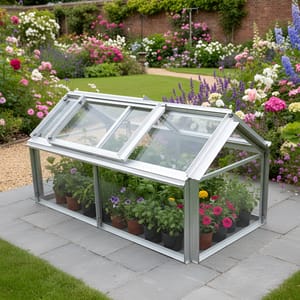
Matt's Pick for Winter Pansy GrowingBest For: Protecting winter pansies and rotating display pots through the cold months Why I Recommend It: The Elite Min E Lite fits against a wall and holds six pots comfortably. The aluminium frame will not rot in winter wet. I use mine as a pansy recovery station from November to March. Plants battered by frost bounce back under the glass in a week. The low profile means it tucks behind a garden wall without looking out of place. Price: £249 |
Frequently asked questions
When should you plant winter pansies in the UK?
Plant in September or early October for the strongest root systems. The soil is still warm from summer, allowing rapid root growth before temperatures drop. You can plant garden-ready plants (9cm pots) from November through December during mild spells. Avoid planting small plugs late in the season. They rot in cold, wet compost.
Do winter pansies come back every year?
Technically yes, but most UK gardeners treat them as annuals. Pansies are short-lived perennials that become leggy and exhausted after their first major flowering season. They rarely produce the same quality of bloom in the second year. Most gardeners replace them each autumn for the best display. Removing them in April makes space for summer bedding.
How do you keep winter pansies blooming?
Deadhead every 2-3 days and feed during mild spells. Remove the entire flower stem, not just the petals. This prevents seed formation and forces new blooms. Feed with half-strength tomato fertiliser when temperatures are above 5°C. Position in full winter sun and raise pots on feet to prevent waterlogging.
Can winter pansies survive frost?
Yes, most winter pansy varieties survive down to -10°C. The plants droop during a hard frost as a survival mechanism. They move water out of cells to prevent ice damage. They pop back upright once thawed. Flowers can be damaged by heavy frost, but the plant survives and produces new blooms. Cool Wave varieties tolerate down to -12°C.
Do you deadhead winter pansies?
Yes, deadheading is the single most important thing you can do. A pansy that forms seed pods stops flowering. Pinch off the entire flower stem at the base every 2-3 days. This takes 30 seconds per pot and doubles the total flowering period from November through to April.
What is the best container for winter pansies?
Terracotta or frost-proof ceramic pots with drainage holes. Avoid plastic pots that trap moisture. Terracotta breathes, which helps prevent waterlogging. Every pot needs at least one drainage hole. Sit pots on feet or bricks to keep the base off cold, wet ground. Window boxes and hanging baskets work well with a drainage layer of gravel.
Are winter pansies better in pots or in the ground?
Pots give you more control over drainage and positioning. You can move pots into shelter during severe frost and rotate them through a cold frame. Ground planting works well in raised beds with free-draining soil. Avoid heavy clay borders where water sits around the roots. For front-of-house displays, pots win every time.
Start your winter pansy display today
Winter pansies are the easiest way to keep colour in your garden from November to April. A cold frame turns good results into perfect results. Browse our cold frames and small greenhouses for winter growing.