Why Are Young People Turning to Gardening?
Young people aged 18-35 are the fastest-growing group of UK gardeners. RHS research shows a 29% increase in under-35s taking up gardening since 2020, with 45% of new allotment applicants now under 40. Container gardening, balcony growing and mini greenhouses let renters and flat-dwellers grow food in spaces as small as 1 square metre.
Key Takeaways
- Gardening among 18-35 year olds in the UK has risen 29% since 2020 — driven by mental health awareness, food costs, and social media inspiration.
- You do not need a garden to start. Windowsills, balconies, and shared allotments all work for beginners.
- Container gardening costs as little as £15 to set up with a pot, compost, and a packet of herb seeds.
- Growing your own herbs saves £50-80 per year compared to buying supermarket packs weekly.
- A mini greenhouse or cold frame extends your growing season by 4-6 weeks and fits in most small outdoor spaces.
Installer's Note
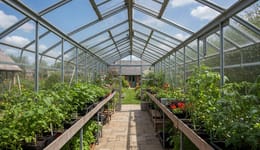
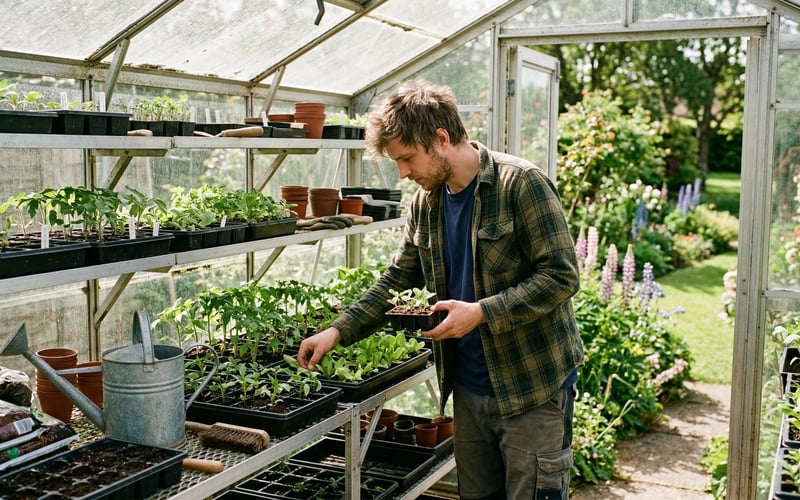
We have been fitting greenhouses for 16 years, and the age of our customers has shifted noticeably. Five years ago, most buyers were retired couples. Now we regularly install mini greenhouses and cold frames for people in their twenties and thirties, often in rented properties. The most common request from younger customers is a compact lean-to or growhouse that bolts to a wall without drilling into brickwork. When space is tight, a 2x3 growhouse against a south-facing wall gives surprisingly good results.
Why Are Young People Getting into Gardening?
The shift toward gardening among younger people is not a passing trend. It is a response to several forces that affect daily life in your twenties and thirties. The RHS National Gardening Survey found that 30% of 16-24 year olds started gardening during the pandemic, and most have continued. Allotment waiting lists across major UK cities now average 3-5 years, with under-40s making up the largest group of new applicants.
Mental health is the single biggest motivator. A 2024 study by the University of Sheffield found that 20 minutes of gardening reduces cortisol levels by 23%, matching the stress reduction of a guided meditation session. For a generation dealing with screen fatigue, housing uncertainty, and work pressure, getting hands in soil provides a tangible reset. Unlike a gym membership at £40-60 per month, a window box of herbs costs under £20 and delivers daily mindfulness.
Shop the Elite 2x2 Raised Bed →
Food Costs Are Pushing Young Growers to the Soil
Supermarket food prices rose 19.2% between 2022 and 2024. A pack of fresh basil costs £1.10 and lasts four days. A basil plant costs £1.50 and lasts months. Young people have done the maths. Growing herbs alone saves £50-80 per year. Add tomatoes, lettuce, and courgettes, and a small growing space can offset £200-400 of annual grocery spending.
The "grow your own" movement has exploded on social media. TikTok's #growyourown tag has over 2.8 billion views. Instagram's #allotmentlife has 1.4 million posts. Young gardeners share harvest photos, propagation tips, and balcony growing setups. The social element transforms what was once considered a solitary hobby into a community activity. Local seed swap events, community gardens, and gardening Discord servers have created new entry points for people who never grew up around a garden.
You Do Not Need a Garden to Start Growing
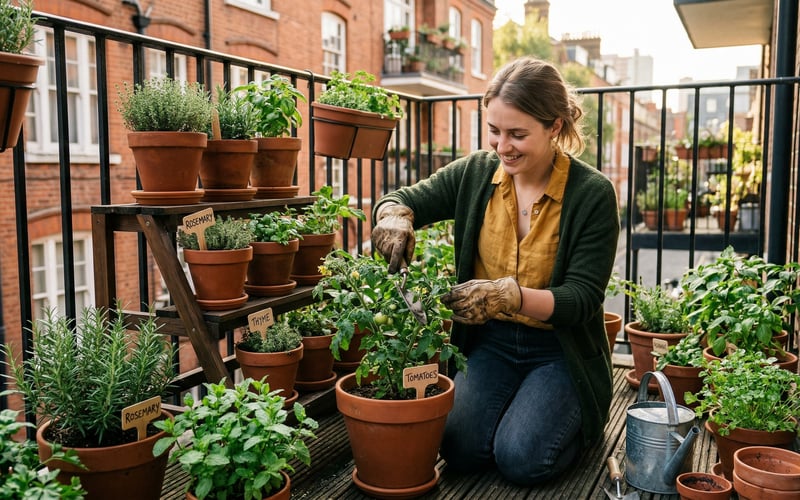
The biggest myth holding young people back is that gardening requires a garden. It does not. A south-facing windowsill supports basil, coriander, chives, and spring onions year-round. A balcony or patio accommodates grow bags, raised planters, and even a compact container garden producing salad leaves, strawberries, and dwarf tomatoes. The minimum space needed for a meaningful food harvest is roughly 1 square metre.
| Space | Size | What You Can Grow | Setup Cost |
|---|---|---|---|
| Windowsill | 0.2m² | Herbs, microgreens, chillies | £15-25 |
| Balcony | 1-3m² | Tomatoes, salad, strawberries, beans | £30-80 |
| Small patio | 3-6m² | Raised beds, grow bags, mini greenhouse | £80-250 |
| Allotment half-plot | 125m² | Full vegetable garden, fruit bushes, cut flowers | £25-50/year rent |
| 2x3 growhouse | 0.6m² | Tomatoes, cucumbers, peppers, aubergines | From £400 |
Matt's Tip: Start with Herbs
If you have never grown anything before, start with herbs. A £1.50 pot of supermarket basil, repotted into a slightly larger container with decent compost, will produce leaves for months instead of days. Coriander, parsley, and chives are equally forgiving. Once you have kept a few herb pots alive for a season, you will have the confidence to move on to tomatoes and salad crops. I have seen this exact progression dozens of times with our younger customers.
Mental Health Benefits of Gardening for Young People
The mental health case for gardening is backed by strong evidence. The University of Westminster's 2023 research found that regular gardeners report 15% lower anxiety scores than non-gardeners. The NHS now prescribes social gardening through Green Social Prescribing programmes in 40+ areas across England. Gardening combines physical activity, outdoor time, mindfulness, and a sense of purpose. That combination is difficult to replicate with any other single activity.
For young people specifically, gardening offers something the digital world cannot provide: delayed gratification with a tangible result. Planting a tomato seed in March and harvesting fruit in July teaches patience. Watching seedlings grow in a greenhouse gives a daily sense of progress. These small wins build confidence that transfers to other areas of life. Multiple universities now include therapeutic gardening in their wellbeing programmes.
How to Start Gardening with No Experience
The fastest path from zero to growing is a windowsill herb garden. Buy three pots, fill them with multipurpose compost, and sow basil, coriander, and chive seeds. Water when the top centimetre of soil feels dry. Within two weeks, you will have seedlings. Within six weeks, you will be harvesting fresh herbs for cooking. Total cost: under £15.
Once you have herbs growing, expand to a balcony or patio with grow bags. A standard grow bag costs £3-5 and supports three tomato plants, two pepper plants, or a row of lettuce. If you have a south-facing wall, a lean-to growhouse or mini greenhouse turns an otherwise dead space into a productive growing area. We fit these regularly for first-time buyers in their twenties and thirties.
Best Beginner Gardening Kit for Under £50
You do not need expensive equipment to start. Here is what we recommend for a complete beginner setup:
| Item | Cost | Where to Get It |
|---|---|---|
| 3 × terracotta pots (15cm) | £5-8 | Garden centre or supermarket |
| 10L multipurpose compost | £3-5 | Any DIY store |
| Seed packets (herbs × 3) | £3-6 | Garden centre, supermarket, online |
| Hand trowel | £3-5 | Pound shop or garden centre |
| Watering can (small) | £3-5 | Pound shop or DIY store |
| Grow bag (× 2) | £6-10 | Garden centre |
| Total | £23-39 |
|
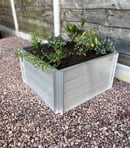
Matt's Pick for Young GardenersBest For: First-time growers with a small patio or balcony Why I Recommend It: At 60cm × 60cm, this raised bed fits in the smallest outdoor space. The aluminium frame will not rot like wooden alternatives, and the 30cm depth is enough for carrots, salad, and herbs. I recommend it to every young customer who has a patio but no garden. Price: £110 |
Community Gardening and Allotments
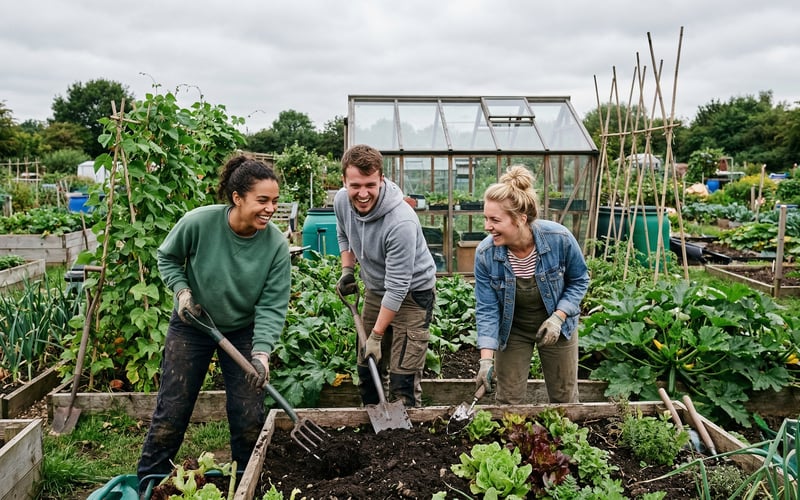
Community gardens have become social hubs for younger generations. Organisations like Social Farms & Gardens UK report a 40% increase in under-35 volunteers since 2021. Community plots provide free access to growing space, tools, and experienced mentors. For young renters who cannot modify their homes, a community garden offers a permanent growing space regardless of tenancy changes.
Allotments remain popular despite long waiting lists. A half-plot (125m²) costs £25-50 per year in most councils and produces £500-800 worth of vegetables annually. The social aspect matters as much as the growing. Allotment communities share seedlings, swap produce, and pass on decades of local growing knowledge. For young people who moved away from family for work, the allotment community fills a gap that social media cannot.
Read our raised beds growing guide →
Next Steps: From Windowsill to Greenhouse
Most young gardeners follow a predictable path. Herbs on a windowsill lead to grow bags on a balcony, which lead to a first greenhouse. A 2x3 mini growhouse fits against a house wall and extends the growing season by 4-6 weeks at each end. That means tomatoes from June to October instead of August to September. A cold frame adds another month of growing and overwinters tender plants through frost.
If you are starting from scratch, begin this weekend. Three pots of herbs on a windowsill will change how you think about food, patience, and what you can achieve with your hands. Within a year, you will wonder why you did not start sooner. That is the same thing every young gardener we have spoken to tells us.
How much does it cost to start gardening?
A basic windowsill herb garden costs £15-25 to set up. You need three pots, compost, and seeds. A balcony grow bag setup costs £30-80 and produces tomatoes, salad leaves, and herbs. A raised bed or mini greenhouse is a bigger investment at £100-400 but pays for itself in produce within 1-2 growing seasons.
Can you garden without a garden?
Yes, millions of UK residents grow food on windowsills, balconies, and patios. A south-facing windowsill supports herbs year-round. A 1m² balcony space fits three grow bags producing tomatoes, peppers, and salad. Community gardens and allotments provide free or low-cost growing space for those without any outdoor area at home.
What should a beginner grow first?
Start with herbs: basil, coriander, and chives are the most forgiving for beginners. They germinate in 7-14 days, tolerate inconsistent watering, and give a usable harvest within 6 weeks. Move on to salad leaves and tomatoes once you have kept herbs alive for a full season. Our beginner's greenhouse guide covers the full progression.
Is gardening good for mental health?
Research shows 20 minutes of gardening reduces cortisol by 23%. The University of Sheffield and University of Westminster both found measurable reductions in anxiety and depression among regular gardeners. The NHS now prescribes social gardening through Green Social Prescribing programmes in over 40 areas across England.
How do I get an allotment?
Contact your local council to join the allotment waiting list. Average wait times are 3-5 years in cities, shorter in rural areas. A half-plot costs £25-50 per year. While waiting, register with community gardens via Social Farms & Gardens UK for immediate access to growing space and gardening mentorship.
What is the cheapest way to grow your own food?
Grow bags on a balcony or patio are the cheapest way to grow food at home. A single £3 grow bag with three tomato plants produces 5-8kg of tomatoes worth £15-25 at supermarket prices. Herbs grown from seed cost pennies per pot and replace £1-2 supermarket packs each week. Save seeds from this year's crop to eliminate seed costs entirely next season.
Do young people need a greenhouse?
No, but a greenhouse or growhouse extends your season by 4-6 weeks and improves yields. A 2x3 mini growhouse fits against a wall and costs from £400. A cold frame starts at £250 and protects seedlings in spring and salad crops through winter. Both options suit small patios and do not require planning permission.