
Verified Customer
Great service lovely greenhouse !
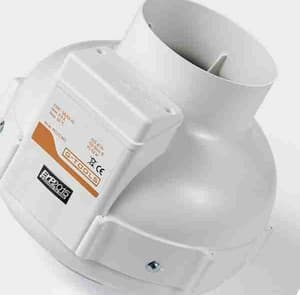
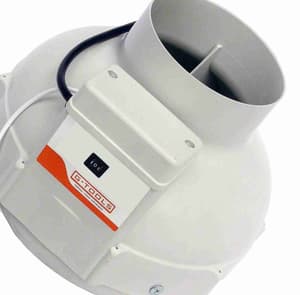
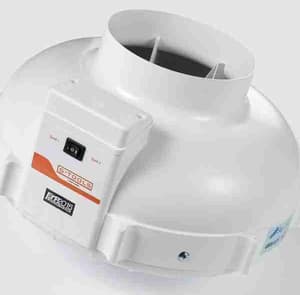
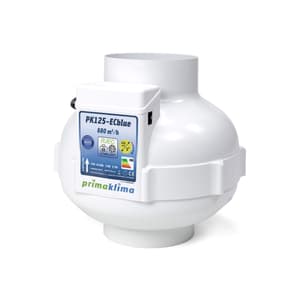
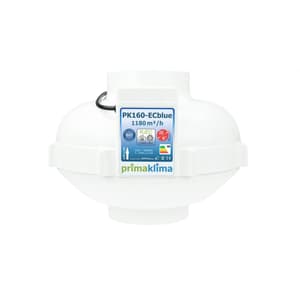
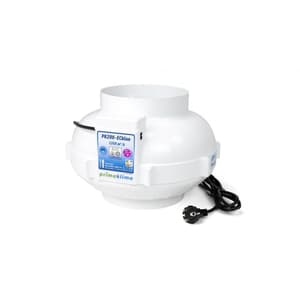
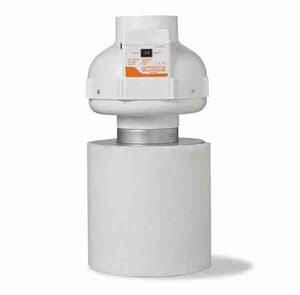
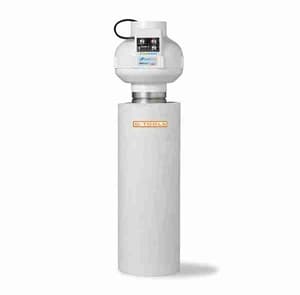
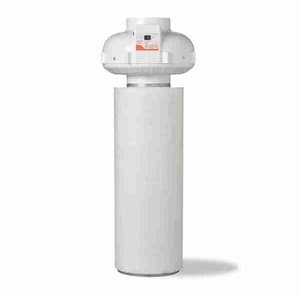
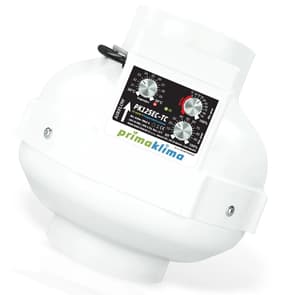
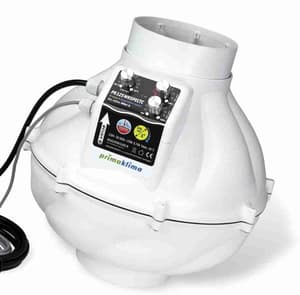
Extractor fans for grow cabinets, grow rooms and ventilated greenhouses, covering the G-tools mini fan, the GT125 and GT160 ranges, and the Prima Klima EC-blue line. Airflow runs from 185 m3/hour on the mini fan up to 1350 m3/hour on the PK200. Flange diameters cover 100mm, 125mm, 160mm and 200mm, so a fan matches almost any ducting.
Pick the fan by the air volume you need to move, then check the flange matches your filter and ducting. Single-speed, two-speed and thermostat-controlled versions are all here. Pair every fan with a carbon filter to keep growing air clean.
An extractor fan is the engine of a grow space. It pulls warm, stale air out, draws fresh air in, and pushes spent air through a carbon filter so odours never build up. Without one, heat and humidity climb fast and your herbs, microgreens or seedlings struggle. We stock the G-tools mini fan, the GT125 and GT160 ranges, and the quieter Prima Klima EC-blue fans. Prices start at £51 for the mini fan.
Sizing comes down to one number: airflow. The mini fan moves 185 m3/hour and suits a single cabinet. A GT125 shifts 420 m3/hour for a small grow room. Step up to the GT160 at 800 m3/hour, or the PK200 EC-blue at 1350 m3/hour, for larger setups. Match the fan flange to your carbon filter and add an ECTC controller if you want hands-off temperature control.
Why We Stock This Range
"Growers ring up asking for the most powerful fan, and that is usually the wrong question. A fan that overshoots your space just runs loud and wastes power. The trick is to match airflow to filter and to room volume. A GT125 and a K2601 filter handle most small grow rooms with ease. We brought these in because the EC-blue motors run far quieter than older AC fans, which matters a lot if the cabinet sits in a kitchen or spare room."
— Matt, Founder of Greenhouse Stores💡 Tip: Always rate your fan slightly above your filter's optimal airflow, not its maximum. A fan running near full tilt is loud and short-lived. A little headroom keeps it quiet and steady all season.
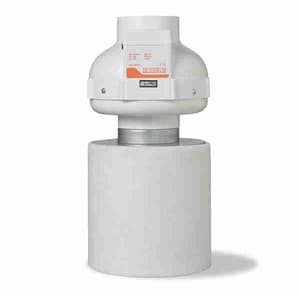
Mount the fan so it draws air through the carbon filter, not blows into it. Pulling air keeps the filter under slight negative pressure, which traps odour better and stops smells leaking past the seals. Fit the filter at the top of the space where warm air gathers.
| Fan | Max airflow | Flange | From |
|---|---|---|---|
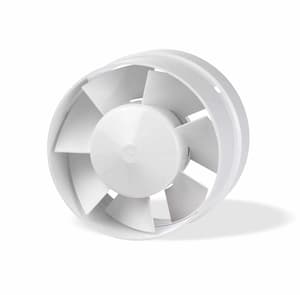
| G-tools mini fan | 185 m3/hour | 125mm | £51 |
| GT125 2-speed | 440 m3/hour | 125mm | £159 |
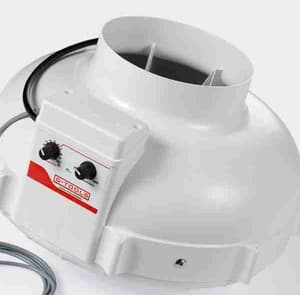
| GT125 ctr ⭐ Matt's Pick | 420 m3/hour, thermostat | 125mm | £189 |
| GT160 2-speed | 800 m3/hour | 160mm | £145 |
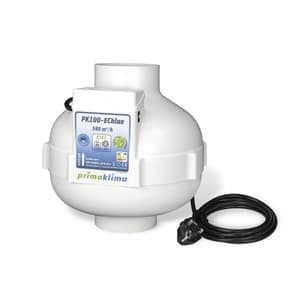
| PK200 EC-blue | 1350 m3/hour | 200mm | £395 |
Match airflow to your room size and filter. A small cabinet needs around 185 m3/hour. A small grow room suits the GT125 at 420 m3/hour. Larger rooms want the GT160 at 800 m3/hour. Always keep the fan rated above your filter's optimal flow.
The flange is the round outlet the ducting and filter clamp onto. Our fans come in 100mm, 125mm, 160mm and 200mm. The filter, fan and ducting must all share the same diameter, so check this before you order.
The EC-blue and German EBM Papst motors run very quietly. They are built for cabinets sat in homes, not industrial sheds. Running a fan with airflow headroom, rather than flat out, keeps the noise low.
Yes, for any space where odour control matters. The fan moves the air; the carbon filter scrubs it clean before it leaves the room. Pair each fan with a matching carbon filter of the same flange size.
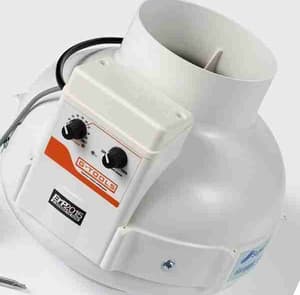
The ctr models include a digital temperature sensor on a cable. The fan speeds up when the room warms and slows when it cools. This holds a steady temperature without you touching it. The EC-blue fans pair with a separate ECTC controller instead.
Single-speed runs at one fixed rate and costs less. Two-speed lets you switch between a quiet low setting and full power. Two-speed suits rooms where conditions change through the day, like a greenhouse that heats up at noon.
Call our team free on 0800 098 8877