7 Health Benefits of Gardening: What the Research Says
Gardening reduces cortisol levels by up to 20% after just 30 minutes, according to a 2011 Dutch study. Regular gardeners over 60 have a 27% lower risk of heart attack and a 36% lower risk of dementia. The NHS now includes gardening in social prescribing programmes for anxiety and depression. A greenhouse extends these health benefits to every month of the year, even through a British winter.
Key Takeaways
- Stress relief is measurable: A Dutch trial found 30 minutes of gardening lowered cortisol more than indoor reading.
- Heart health improves: Swedish research showed active gardeners over 60 had a 27% lower risk of heart attack or stroke.
- Dementia risk drops 36%: A study of 2,805 over-60s linked regular gardening to significantly lower dementia rates.
- Soil bacteria boost immunity: Mycobacterium vaccae in garden soil triggers serotonin production and strengthens immune response.
- NHS prescribes it: GPs across the UK now refer patients to gardening therapy for mental health conditions.
- Year-round exercise: A greenhouse provides moderate-intensity activity in every season, burning 200-400 kcal per hour.
- Better diet follows: Children who garden eat 40% more fruit and vegetables, according to RHS research.
Shop the Vitavia Venus Range →
Installer's Note
After 16 years fitting greenhouses across the UK, I have watched hundreds of customers transform their health through growing. One retired couple in Sheffield told us their GP visits dropped from monthly to twice a year. They credit their 6x8 Vitavia Venus. The physical routine of watering, potting, and harvesting gave them structure. The fresh tomatoes gave them nutrition. The daily purpose gave them something no prescription could match. That conversation changed how I think about what we sell. We do not just fit aluminium frames. We fit something that keeps people well.
Does gardening reduce stress and cortisol?
Gardening lowers cortisol, the primary stress hormone, more effectively than other leisure activities. A 2011 study at Wageningen University in the Netherlands split 30 participants into two groups after a stressful task. One group gardened for 30 minutes. The other read indoors for 30 minutes. The gardening group showed significantly lower cortisol levels and reported a full recovery in positive mood. The reading group saw cortisol levels drop less, and some participants reported their mood actually worsened.
Cortisol affects far more than mood. Sustained high levels weaken the immune system, raise blood pressure, and increase abdominal fat storage. Chronic stress is linked to heart disease, type 2 diabetes, and digestive problems. Regular gardening provides a natural reset.
A greenhouse adds a winter dimension to this benefit. Seasonal Affective Disorder affects roughly 6% of UK adults between October and March. Thirty minutes in a greenhouse on a cold January morning provides the same cortisol-lowering effect. Green growth and natural light deliver that benefit year-round. The growing never stops, and neither does the stress relief.
How does gardening improve cardiovascular health?
Regular gardening cuts heart attack and stroke risk by 27% in adults over 60. A 2013 Swedish study in the British Journal of Sports Medicine tracked 4,232 Stockholm adults over 12 years. Those who stayed active through gardening, DIY, or allotment work had 27% fewer heart attacks and strokes. They also had a 30% lower risk of death from all causes compared to sedentary participants.
The NHS recommends 150 minutes of moderate-intensity exercise per week. Gardening tasks meet this threshold comfortably. Digging burns 200-400 kcal per hour depending on body weight and soil type. Raking, weeding, and carrying bags of compost fall within the moderate-intensity range. Unlike gym sessions, gardening spreads the effort across varied movements that work different muscle groups.
For older gardeners or those with joint problems, greenhouse gardening is gentler. Raised staging benches reduce bending. The flat, even floor surface lowers fall risk. Watering, pricking out seedlings, and potting on are low-impact tasks that still keep you moving. Our guide to setting up a new greenhouse covers models with wide doors and accessible layouts.
Can gardening help prevent dementia?
Gardeners over 60 have a 36% lower risk of developing dementia. A 2006 study in the Medical Journal of Australia followed 2,805 participants aged 60+ for 16 years. Those who gardened regularly had a 36% lower risk of dementia than non-gardeners. The effect remained significant even after adjusting for other physical activity, education, and lifestyle factors.
Researchers believe gardening combines physical and cognitive demands in a way few other hobbies match. Planning crop rotation, identifying pests, and solving drainage problems all engage executive function. These are the mental skills that keep the brain active. Working memory and executive function decline first in Alzheimer's disease.
Greenhouse growing intensifies the cognitive element. You manage temperature, humidity, ventilation, feeding schedules, and pest prevention in a controlled environment. Each season brings different challenges. Growing from seed to harvest requires planning weeks and months ahead. This sustained mental engagement helps build cognitive reserve, which is the brain's ability to resist the effects of age-related damage.
Matt's Tip: Start a Growing Journal
I keep a notebook in my greenhouse and write down sowing dates, varieties, what worked and what failed. Looking back through three years of entries, I can see patterns I would have forgotten otherwise. Writing things down forces me to think about what I am doing. It stops me going through the motions. Several of our customers over 70 tell me their greenhouse journal is the most important tool they own. It keeps the mind sharp and gives every season a purpose.
How does gardening boost your immune system?
Soil contains Mycobacterium vaccae, a bacterium that triggers serotonin production and strengthens immune response. Research led by Dr. Chris Lowry at the University of Bristol found that M. vaccae activates serotonin-releasing neurons in the brain. Serotonin regulates mood, sleep, and immune function. Exposure to this soil bacterium through regular gardening provides a natural boost that hand sanitiser and indoor living cannot replicate.
Vitamin D from outdoor light exposure adds a second layer of immune support. The UK Health Security Agency recommends 10 micrograms of vitamin D daily. Roughly one in five UK adults are deficient between October and March. Spending 20-30 minutes outdoors or in a well-lit greenhouse contributes to vitamin D synthesis even on overcast days. Adequate vitamin D supports T-cell function, which is essential for fighting infection.
Growing your own produce delivers a third immune benefit. Shop-bought vegetables travel an average of 1,500 miles before reaching UK supermarkets. Nutrient levels in spinach drop by 50% within eight days of harvest. Home-grown vegetables eaten within hours of picking retain far more vitamin C, folate, and antioxidants. Our guide to growing tomatoes in a greenhouse covers the best varieties for UK growers.
Does gardening improve mental health?
The NHS now includes gardening in social prescribing programmes for anxiety and depression. Since 2019, GPs across England can refer patients to community gardening projects as a non-pharmaceutical intervention. A 2020 review in Preventive Medicine Reports analysed 77 studies. Gardening reduced symptoms of depression, anxiety, and stress across all age groups. The effect size was comparable to cognitive behavioural therapy for mild to moderate depression.
The biophilia hypothesis, first proposed by biologist E.O. Wilson, suggests humans have an innate need to connect with living systems. Nurturing a plant from seed to harvest satisfies this need in a measurable way. Brain imaging studies show that viewing green plants reduces activity in the amygdala, the brain's fear centre. This calming effect is amplified when you are actively tending those plants rather than simply looking at them.
A greenhouse provides a private, enclosed therapeutic space that works in every season. On a wet November morning, stepping into a greenhouse full of winter salads offers an immediate mood lift. The warmth, the smell of damp compost, and the green surroundings create what environmental psychologists call a restorative environment. Read our winter greenhouse care guide for keeping your space productive through the cold months.
Is greenhouse gardening good exercise?
Greenhouse tasks burn 200-400 kcal per hour and qualify as moderate-intensity exercise. Moving 20-litre bags of compost, filling watering cans, and bending to plant seedlings work the major muscle groups. There is no repetitive strain from gym machines. A 2019 British Journal of Sports Medicine study confirmed gardening meets WHO guidelines for health-protective activity.
The advantage over gym-based exercise is consistency. A greenhouse needs daily attention throughout the year. Watering takes 10-15 minutes. Checking for pests takes 5 minutes. These small sessions add up to 2-3 hours per week without any scheduling effort. Contrast this with gym memberships, where 50% of new members stop attending within six months according to Sport England data.
For people with arthritis, fibromyalgia, or mobility issues, greenhouse gardening is easier on the joints than many alternatives. Staging benches bring plants to waist height. The flat floor removes uneven ground that makes outdoor gardening difficult. Temperature control means no battling cold, wet conditions that aggravate joint pain. The enclosed space also removes wind chill, which is a significant comfort factor for older gardeners.
|
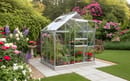
Matt's Pick for Getting StartedBest For: First-time gardeners wanting a dedicated growing space Why I Recommend It: The Venus 2500 is our entry-level greenhouse. I recommend it to customers who want to start growing for wellbeing. The 6x4 footprint fits most gardens. The roof vent keeps air flowing on warm days. A 12-year frame guarantee means years of worry-free growing. Price: £395 |
Can growing your own food improve your diet?
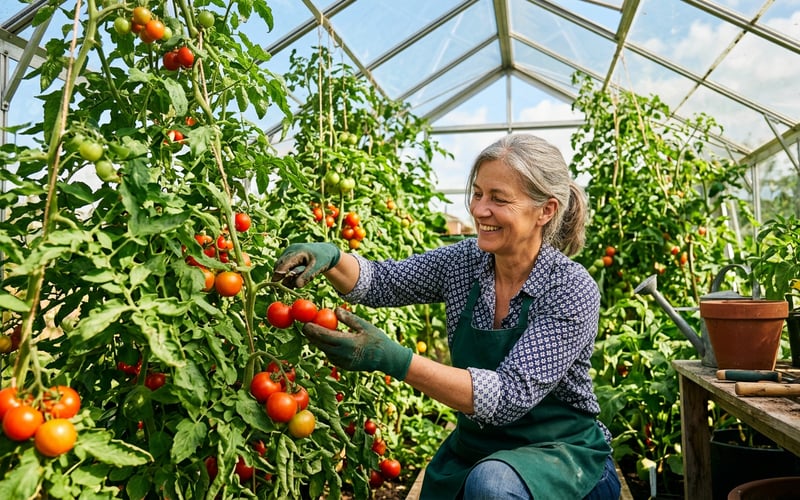
Home-grown vegetables contain significantly more nutrients than supermarket equivalents stored for days in transit. A University of California study found garden-fresh spinach retains 90% of its vitamin C. After eight days of cold storage, that figure drops to just 50%. Fresh-picked tomatoes contain up to 30% more lycopene than those harvested green for long-distance transport. When food travels from your greenhouse to your plate in minutes, you get peak nutritional value.
Growing your own also changes what you eat. Gardeners try vegetables they would never buy in a shop. Purple sprouting broccoli, heritage tomatoes, and unusual salad leaves become normal when you grow them yourself. An RHS Campaign for School Gardening study (2015) found children who gardened ate 40% more fruit and vegetables. The connection between nurturing a plant and eating it breaks down resistance to new foods.
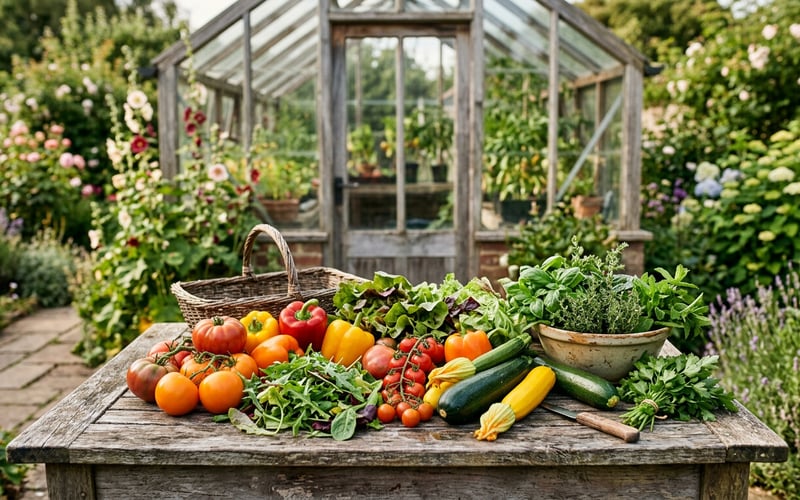
A greenhouse makes year-round production realistic in the UK. Lettuce and salad leaves grow from February to November without heating. Winter varieties like lamb's lettuce and mizuna keep producing through December and January under glass. The result is a continuous supply of fresh, nutrient-dense food that costs a fraction of organic supermarket prices. A single greenhouse tomato plant produces 3-5 kg of fruit per season, worth £15-£25 at retail.
Frequently asked questions
How many calories does gardening burn per hour?
Gardening burns 200-400 kcal per hour depending on the task. Digging and turning compost sit at the higher end, equivalent to brisk walking or moderate cycling. Lighter tasks like watering, pruning, and planting seedlings burn 150-250 kcal per hour. The NHS classifies gardening as moderate-intensity physical activity. Spending 2.5 hours per week in the garden meets the recommended minimum for cardiovascular health.
Does gardening help with anxiety and depression?
Yes. Multiple studies show gardening reduces symptoms of anxiety and depression. A 2020 meta-analysis of 77 studies found consistent improvements across all age groups. Physical activity, nature exposure, and soil bacteria all contribute to the effect. GPs in England now refer patients to gardening programmes as part of NHS social prescribing.
What is Mycobacterium vaccae and why does it matter?
Mycobacterium vaccae is a soil bacterium that triggers serotonin production in the brain. Research at the University of Bristol showed that contact with M. vaccae activates serotonin-releasing neurons. Serotonin regulates mood, appetite, and immune function. Regular exposure through handling garden soil provides a natural mood and immunity boost. This is one reason gardeners often report feeling better after working with soil.
Is gardening better exercise than going to the gym?
Gardening provides comparable moderate-intensity exercise with better long-term adherence. A British Journal of Sports Medicine study confirmed that gardening meets WHO physical activity guidelines. The key advantage is consistency. Greenhouses and gardens need daily attention, creating a built-in exercise routine. Sport England data shows 50% of gym members quit within six months. Gardeners tend to keep going for decades.
Can gardening really reduce the risk of dementia?
Regular gardeners over 60 have a 36% lower risk of dementia. A 16-year Australian study of 2,805 participants confirmed this link. The result held after adjusting for other exercise and lifestyle factors. Gardening combines physical movement with cognitive tasks like planning and problem-solving. This dual stimulation builds cognitive reserve against age-related decline.
What are the health benefits of a greenhouse specifically?
A greenhouse extends gardening health benefits to every month of the year. Without a greenhouse, most UK gardening stops from November to February. A greenhouse provides a warm, sheltered space for exercise, sunlight exposure, and growing fresh food through winter. It reduces Seasonal Affective Disorder symptoms by providing a green, light-filled environment. The controlled conditions also make gardening accessible for people with mobility issues or chronic pain.
How does growing your own food improve nutrition?
Home-grown vegetables retain up to 90% of their vitamin C compared to 50% in shop-bought equivalents. Supermarket produce is harvested early and transported an average of 1,500 miles before sale. Nutrient levels decline during storage and transit. Vegetables picked and eaten the same day deliver peak levels of vitamins, antioxidants, and beneficial compounds. Greenhouse growers can harvest fresh salads and herbs in every month of the year.