Family Gardening: Fun Greenhouse Activities for Kids
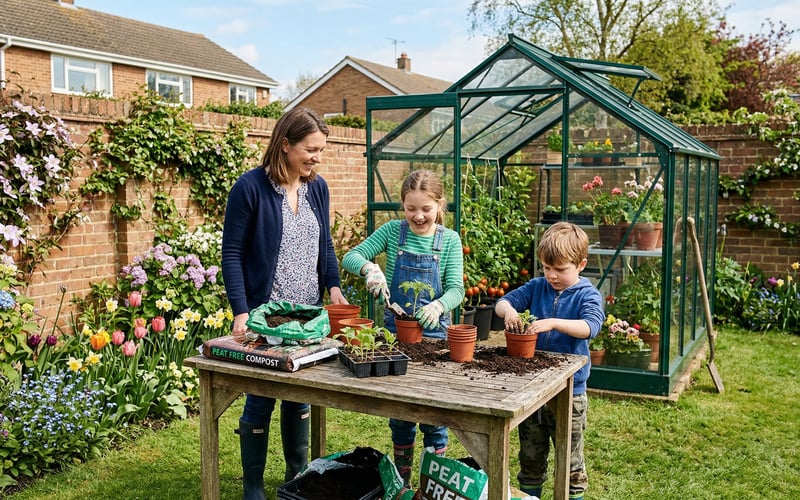
A greenhouse turns family gardening from a weather-dependent gamble into a year-round activity that works in any UK climate. Children as young as three can sow seeds, water plants, and harvest cherry tomatoes in a greenhouse. The enclosed space keeps them focused and the warmth means you can start growing in February rather than waiting until May. Fast-growing crops like cress (7 days), radishes (25 days), and sunflowers (10 weeks) give children visible results before they lose interest. A family greenhouse from £395 with £20 of seeds and compost is all you need to start.
Key Takeaways
- Children as young as 3 can help — sowing large seeds, watering, and picking ripe fruit are all within a toddler's ability
- Fast-growing crops keep kids engaged — cress in 7 days, radishes in 25 days, sunflowers in 10 weeks
- Always use toughened glass around children — it shatters into safe pebbles, not dangerous shards
- A greenhouse extends the season by 8-10 weeks — start in February, grow until November
- Give each child their own shelf or section — ownership keeps them coming back to check on their plants
- Start small: a 6x4ft greenhouse or cold frame is enough for a family's first year
Browse All Family Greenhouses →
Installer's Note
Matt Ward, 12 years installing greenhouses across the UK
The best greenhouse installations I do are the ones where kids are involved. I fitted a Vitavia Venus 8x6 in Harrogate last spring and the two children were out helping before I'd finished clearing up the packaging. Within a week their mum sent us a photo of the kids with their first tray of seedlings. That greenhouse gets used every single day during the growing season. When children feel like the greenhouse is partly theirs, the whole family gets more out of it. That's why I always recommend giving each child their own shelf or section of staging.
Why a Greenhouse Makes Family Gardening Better
A greenhouse gives your family 8-10 extra weeks of growing season and a warm, sheltered space where children can garden in any weather. Rain, wind, and cold are the three things that stop families gardening together. A greenhouse removes all three.
Inside a greenhouse, temperatures stay 10-15°C above the outside air even without heating. That means you can sow seeds in February rather than waiting until late April. Children see results weeks earlier, which keeps them interested. A child who sows a sunflower seed in March and sees nothing until June has already moved on to something else. The same child who sows in a greenhouse in February has a 30cm plant by April.
The enclosed space also helps with younger children. There's no running off to the other end of the garden. Everything is within arm's reach. You can garden together in a 6x4ft space without losing track of anyone.
Best Crops to Grow with Children by Age
Match the crop to the child's patience level. A three-year-old needs results in days. A ten-year-old can wait weeks. Choose wrong and they'll lose interest before anything sprouts.
| Age Group | Best Crops | Time to Harvest | Why Kids Love It |
|---|---|---|---|
| 3-5 years | Cress, sunflowers, nasturtiums | 7 days (cress), 10 weeks (sunflowers) | Big seeds easy to handle, fast visible growth |
| 5-7 years | Cherry tomatoes, radishes, lettuce | 25 days (radishes), 8-12 weeks (tomatoes) | Can eat what they grow, bright colours |
| 7-10 years | Strawberries, cucumbers, peppers | 8-14 weeks | More responsibility, daily watering routine |
| 10+ years | Chillies, herbs, melons | 12-20 weeks | Cooking connection, exotic results |
Cherry tomatoes are the single best crop for family greenhouses. The plants are tough, they produce dozens of fruit per plant, and children can pick and eat them warm off the vine. Our guide to growing tomatoes in a greenhouse covers varieties and technique in detail.
Cress is the fastest win for very young children. Sprinkle seeds on damp kitchen paper, place it on the greenhouse staging, and you'll have edible cress within seven days. No soil needed. Children can cut it with safety scissors and put it in their sandwiches. That seed-to-plate connection in under a week is powerful.
Shop the Palram Plant Inn 4x4 Cold Frame →
Greenhouse Safety with Children: What Every Parent Needs to Know
The single most important safety choice is toughened glass — it shatters into small, blunt pebbles rather than dangerous shards. Standard horticultural glass breaks into long, razor-sharp pieces. Around children, that's a risk not worth taking.
| Glazing Type | Break Pattern | Child Safety | Cost Difference |
|---|---|---|---|
| Toughened glass | Small blunt pebbles | Safe — recommended for families | +£50-150 over horticultural |
| Polycarbonate | Doesn't shatter | Safe — virtually unbreakable | Similar to toughened |
| Horticultural glass | Long sharp shards | Not recommended with young children | Cheapest option |
Beyond glazing, a few common-sense rules keep children safe in the greenhouse:
- No running inside — wet greenhouse floors are slippery
- Adult supervision for tools — secateurs, canes, and wire should stay on high shelves
- Watch for heat — greenhouses can reach 40°C+ in summer. Keep the door and vents open when children are inside
- Wash hands after handling compost — standard hygiene practice
- Avoid toxic plants — no foxglove, nightshade, or lily of the valley in a family greenhouse
Our glass vs polycarbonate guide covers the safety differences in full detail.
Fun Greenhouse Projects for Families
The Sunflower Race
Give each family member a sunflower seed and their own pot. Sow them on the same day and measure weekly. Keep a chart on the greenhouse wall. Children learn about growth, competition, and patience. The greenhouse warmth means germination in 7-10 days rather than the 14-21 outdoors. Dwarf varieties like 'Little Leo' stay manageable at 60cm. Giant varieties like 'Russian Giant' can reach 3 metres if you move them outside after the last frost.
The Pizza Garden
Grow everything you need for homemade pizza in one greenhouse: tomatoes, basil, peppers, oregano, and chillies. Children choose what goes on their pizza and pick the ingredients themselves. Our herb garden guide covers growing the herbs side of this project.
The Butterfly Garden
Plant nectar-rich flowers like marigolds, zinnias, and cosmos in pots inside the greenhouse. On warm days, open the door and watch butterflies and bees visit. Children learn about pollination while helping the insects that make their tomatoes and strawberries grow.
The Science Experiment Shelf
Dedicate one shelf to experiments. Grow the same seed in different conditions: one in full light, one in shade, one with fertiliser, one without. Children record results in a notebook. This is real science, and a greenhouse gives you a controlled environment that outdoor growing can't match.
Matt's Tip: Give Each Child Their Own Shelf
Label a shelf with each child's name using a piece of masking tape. Let them decide what to grow on their shelf and make them responsible for watering their own plants. Ownership changes everything. When it's "my tomato plant", they'll check it every day. When it's "mum's greenhouse", they'll forget it exists. I've fitted greenhouses for families with three children and the labelled-shelf trick works every time. Add a cheap thermometer at kid height so they can read the temperature and record it in their garden journal.
What Size Greenhouse Does a Family Need?
A 6x4ft greenhouse is enough for a family's first year. An 8x6ft gives room to grow without feeling cramped. Every customer I've spoken to who bought a 6x4 says they wish they'd gone bigger. But if budget or garden space is tight, a 6x4 still fits a family of four working together.
| Size | Works For | Staging Space | Budget From |
|---|---|---|---|
| Cold frame (4x2ft) | First introduction, ages 3-6 | Top opening only | £249 |
| 6x4ft | Small family, limited garden | One side of staging | £395 |
| 8x6ft | Family of 4, room for all | Both sides of staging | £509 |
| 6x10ft | Keen family, year-round growing | Full staging + border beds | £599 |
For young children under six, a cold frame or raised bed planting setup might be the best starting point. The Palram Plant Inn sits at perfect child height and combines a raised bed with a cold frame lid. Children can lift the lid, plant seeds, water, and close it again without any help from adults.
Shop the Vitavia Venus 6x4 in Black →
A Month-by-Month Family Greenhouse Calendar
| Month | Activity | What to Sow or Do |
|---|---|---|
| February | First seeds | Sow tomato, pepper, and chilli seeds on a warm windowsill or heated propagator |
| March | Greenhouse sowing starts | Sow sunflowers, lettuce, radishes, and herbs directly in the greenhouse |
| April | Transplanting | Move tomato and pepper seedlings into greenhouse grow bags or pots |
| May | Planting out | Harden off and plant out anything that's going into the garden |
| June-August | Harvesting | Pick tomatoes, cucumbers, strawberries, herbs daily. Water twice a day in heat |
| September | Autumn sowing | Sow winter lettuce, spinach, and radishes for late-season harvests |
| October | Clear and clean | Remove spent plants, wash glass, compost old growth. Good family clean-up day |
| November-January | Planning | Browse seed catalogues together. Plan next year's crops. Great rainy-day activity |
Our 6 essential greenhouse growing tips for beginners covers the basics for anyone starting their first greenhouse season.

|
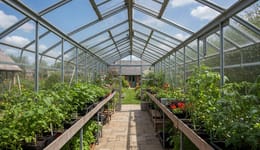
Matt's Pick for Family GrowingBest For: Families with primary-school-age children who want a proper greenhouse that grows with them Why I Recommend It: The Venus 8x6 in green is our most popular family greenhouse. It's big enough for both sides of staging plus a central path a child can walk down. Toughened glass keeps little ones safe. The green frame blends into the garden rather than standing out. I've installed hundreds of these and families always tell me it was the best garden purchase they ever made. Price: £649 |
Making Composting Fun for Kids
Children find composting fascinating once you frame it as "making soil from rubbish". Set up a small compost bin near the greenhouse. Let children add fruit peels, eggshells, tea bags, and garden waste. Explain what breaks down and what doesn't. Check it monthly and let them turn it with a small fork.
After 3-4 months, show them how the dark, crumbly compost at the bottom started as banana skins and apple cores. Use it to pot up their next batch of seedlings. The circular nature of composting is a brilliant science lesson disguised as gardening. Our composting guide covers the full process.
How to Keep Children Interested Long-Term
The biggest challenge with family gardening is sustaining interest past the first few weeks. These strategies work based on what our customers report back:
- Let them eat the results — growing food they actually eat (cherry tomatoes, strawberries, herbs for pasta) connects effort to reward
- Keep a garden journal — younger children draw pictures, older children measure and record. Bring it out each season to compare
- Involve friends — invite a school friend to help pick strawberries or sow seeds. Peer involvement keeps interest alive
- Enter local shows — village fetes and allotment society shows often have children's categories for sunflowers, biggest pumpkin, or best tomato
- Photograph everything — create a yearly photo album of the greenhouse. Children love looking back at what they grew
Shop the Elite Min E Lite 4x2 Cold Frame →
Frequently Asked Questions
What age can children start greenhouse gardening?
Children as young as three can sow large seeds, water plants, and pick ripe fruit. Sunflower seeds and nasturtium seeds are large enough for small hands to handle. Use a child-sized watering can and show them how to water the soil, not the leaves. By age five or six, most children can manage their own small section of greenhouse independently with supervision.
Is a greenhouse safe for children?
Yes, provided you choose toughened glass or polycarbonate glazing. Toughened glass shatters into small blunt pebbles if broken, unlike horticultural glass which produces dangerous shards. Keep sharp tools on high shelves, ensure good ventilation in summer heat, and supervise younger children around watering and compost.
What is the best first crop to grow with kids?
Cress is the fastest win — edible in just 7 days from sowing. For a slightly longer project, radishes mature in 25 days and sunflowers give dramatic height within 10 weeks. Cherry tomatoes are the best long-term crop because children can pick and eat them daily throughout summer.
How much does a family greenhouse cost?
A starter 6x4ft greenhouse with toughened glass costs from £395. An 8x6ft family-sized model starts from around £509. Add £20-30 for seeds, compost, and pots and you're ready to grow. Cold frames start from £249 if you want something smaller for young children.
What size greenhouse is best for a family?
An 8x6ft greenhouse is the sweet spot for most families. It fits staging on both sides with a central path wide enough for a child. A 6x4ft works for a first year but most families wish they'd gone bigger. If space allows, a 6x10ft gives room for a family of four to garden without getting in each other's way.
Can you garden in a greenhouse all year round?
Yes, a greenhouse extends the UK growing season to roughly 10-11 months. Sow the first seeds under cover in February and harvest winter salads through November. December and January are quieter, but still useful for planning and cleaning. An unheated greenhouse adds 8-10 weeks to the growing season compared to outdoor-only gardening.
What greenhouse accessories do children need?
A child-sized watering can, small pots, seed labels, and a cheap thermometer are enough to start. Let children write their own plant labels with waterproof markers. A magnifying glass adds a science element — examining roots, insects, and leaf structures. Staging at child height makes everything accessible without needing a step.