How to Grow Melons in Your Greenhouse
Growing melons in a UK greenhouse requires soil temperatures of 21–25°C and 60–90 days from sowing to harvest. Charentais and Ogen are the most reliable varieties for British growers, producing sweet fruit from mid-April sowings. Hand-pollination is usually needed because greenhouse environments limit bee access. We have been growing and installing greenhouses for 16 years, and melons remain one of our favourite warm-season crops.
Key Takeaways
- Sow melon seeds mid-April to May in 3-inch pots at 20–22°C soil temperature
- Charentais and Ogen are the best-performing varieties for UK greenhouses
- Maintain 21–25°C during fruiting and reduce watering as melons ripen
- Hand-pollinate female flowers with a soft brush each morning for reliable fruit set
- Harvest when the fruit stops swelling, smells sweet, and sounds hollow when tapped
Installer's Note
We have grown melons in our own greenhouses since 2015. They need more heat than tomatoes but the reward is worth it. The biggest mistake we see customers make is transplanting seedlings into cold soil. Melons stall below 18°C and may never recover. We always tell customers to invest in a soil thermometer before buying melon seeds. It costs a few pounds and saves an entire growing season.
When to Sow Melon Seeds in the UK
The sowing window for greenhouse melons runs from mid-April to late May. Earlier sowings risk cold soil temperatures that stunt germination. Later sowings may not leave enough warm days for fruit to ripen before autumn.
Soak seeds in lukewarm water for 24 hours before sowing. This softens the hard seed coat and speeds up germination by two to three days. After soaking, plant each seed on its edge in a 3-inch pot filled with seed compost. Push the seed 2cm below the surface. Place pots on a heated propagator or warm windowsill where soil temperature stays between 20–22°C.
Seedlings emerge in 7–10 days at the right temperature. Keep compost moist but not waterlogged. Once two true leaves appear, move seedlings to a bright spot in the greenhouse. Harden them off for a week in a cold frame before transplanting into their final growing positions. If you are new to starting seeds under glass, see our seed sowing guide in the related articles below.
We aim to transplant by the end of May. This gives plants the full warmth of June, July, and August to set and ripen fruit. In a heated greenhouse, you can start two weeks earlier.
Best Melon Varieties for UK Greenhouses
Variety choice determines success more than any other factor. UK greenhouse growers need varieties bred for shorter seasons and lower light levels than Mediterranean climates. The four varieties below have performed well in our trial greenhouses over the past eight years.
| Variety | Growing Time | Size | Best Features | UK Growing Notes |
|---|---|---|---|---|
| Cantaloupe 'Halona' | 65–75 days | 1–1.5kg | Early ripening, orange flesh | Good for short seasons |
| Honeydew 'Honey Bun' | 80–90 days | 1.5–2kg | Pale green flesh, sweet | Needs consistent heat |
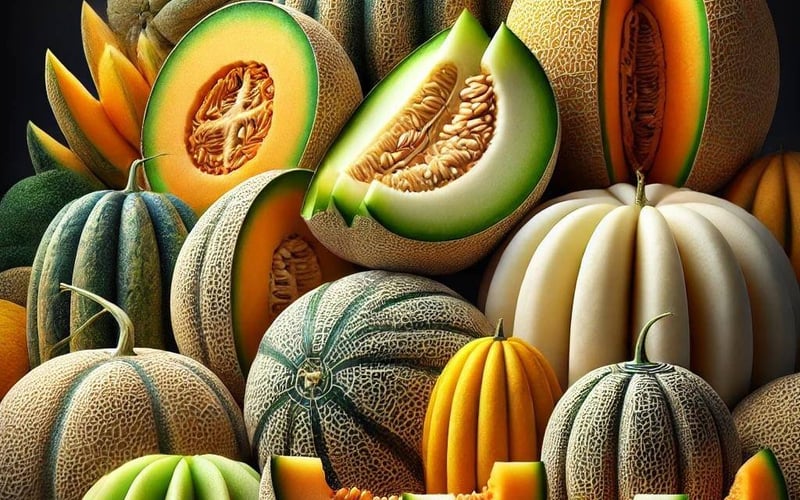
| Charentais 'Savor' | 70–80 days | 0.7–1kg | Intense flavour, compact | Perfect for small spaces |
| Ogen | 60–70 days | 0.5–0.8kg | Early cropping, crisp flesh | Good greenhouse starter |
For first-time growers, Ogen is our top recommendation. It crops in just 60–70 days, tolerates cooler nights better than other varieties, and produces small fruits that ripen evenly. Halona is another strong choice for beginners thanks to its early ripening habit.
Charentais 'Savor' produces the best flavour we have tasted from a UK greenhouse. The fruits are small (under 1kg) but intensely aromatic. This variety suits a mini greenhouse because the compact plants need less floor space.
Honeydew 'Honey Bun' needs the longest season and the most consistent warmth. We only recommend it for heated greenhouses or south-facing sites in the warmer parts of England. The reward is large, sweet fruit with a long shelf life after picking.
Melons belong to the cucurbit family alongside cucumbers and courgettes. If you already grow cucumbers successfully, you have most of the skills needed for melons. Our cucumber growing guide (linked below) covers the shared growing techniques.
Preparing Your Greenhouse for Melons
Melons need rich, well-drained soil with a pH between 6.0 and 6.5. Test your soil before planting and add sulphur to lower the pH or lime to raise it. Most garden centres sell simple pH testing kits for under £5.
Dig in plenty of well-rotted manure or garden compost at least two weeks before transplanting. Work it into the top 30cm of soil. This improves drainage, adds nutrients, and helps the soil hold warmth. We spread a 10cm layer of compost and fork it through.
Growing in raised beds in your greenhouse gives melons ideal root conditions. Raised beds warm up faster in spring, drain better than ground-level soil, and let you control the growing medium precisely. We fill ours with a 50/50 mix of loam-based compost and well-rotted manure.
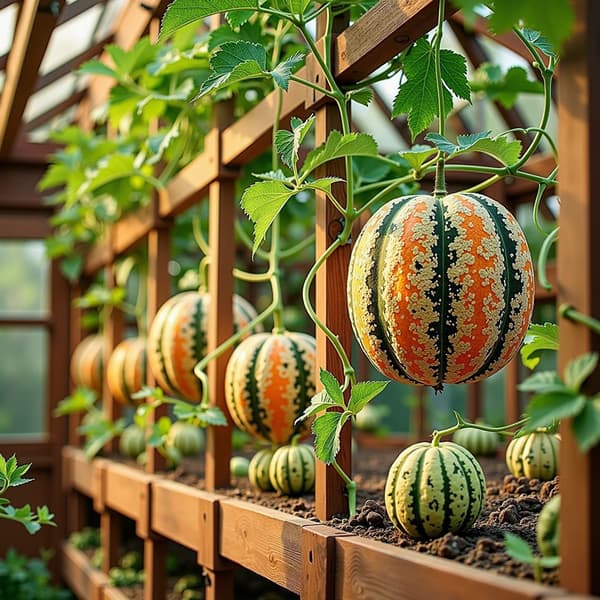
Install vertical supports before planting. Melons are climbing plants that produce more fruit when trained upwards. Fix strong horizontal wires or mesh panels at 30cm intervals from 30cm above soil level to the roof. Each plant needs at least 60cm of horizontal space along the support.
Space plants 60–90cm apart in rows. Closer spacing reduces air flow and encourages fungal disease. In a 6×8 greenhouse, three melon plants is a practical maximum. In a 6×10, you can fit four to five plants comfortably alongside other crops. Wooden greenhouses retain heat well and suit melon growing, though any well-ventilated structure works.
Temperature and Watering for Greenhouse Melons
Temperature control separates successful melon growers from disappointed ones. Melons need more heat than tomatoes, peppers, or cucumbers at every growth stage. The table below shows the targets we use in our own greenhouses.
| Growing Stage | Soil Temperature | Air Temperature | Water Needs | Care Notes |
|---|---|---|---|---|
| Seed Starting | 20–22°C | 18–22°C | Keep just moist | Use heated propagator |
| Young Plants | 18–20°C | 18–22°C | Regular watering | Begin training up supports |
| Flowering | 20–23°C | 20–25°C | Moderate, consistent | Hand-pollinate daily |
| Fruiting | 21–25°C | 21–28°C | Deep, less frequent | Support fruits with slings |
| Ripening | 20–24°C | 20–26°C | Reduce by half | Stop feeding, watch for scent |
Water deeply at the base of each plant rather than overhead. Wet leaves encourage powdery mildew, which is the most common melon disease in UK greenhouses. We water every two to three days during active growth, pushing 2–3 litres per plant into the soil each time.
As fruit develops, reduce watering gradually. Less water during the final two weeks before harvest concentrates sugars in the flesh. The melons taste noticeably sweeter when you ease off the watering at the right time. Stop watering completely two days before picking.
If you also grow tomatoes, you will find the heat requirements similar. Our tomato growing guide (linked below) covers shared temperature management techniques that apply to melons too.
Grow Lights and Ventilation
UK daylight hours limit melon growth from September onwards. Supplementary LED grow lights extend the growing season by two to three weeks in autumn. Position lights 30–40cm above the canopy and run them for 14–16 hours per day.
Ventilation prevents overheating above 30°C and reduces humidity that causes disease. Open roof vents early on sunny mornings and close them before the evening temperature drops. A louvre vent at ground level creates airflow from bottom to top. On still days, a small clip-on fan keeps air moving around the plants.
Matt's Tip: Soil Temperature
I always use a soil thermometer when growing melons. The difference between 18°C and 22°C soil temperature is the difference between a weak plant and a strong one. I push a cheap digital probe 5cm into the soil each morning before watering. Once it reads 21°C consistently, I transplant my seedlings. A £6 digital thermometer from any garden centre does the job. This one step has saved me more failed crops than any other technique.
How to Pollinate Melons in a Greenhouse
Melons produce separate male and female flowers on the same plant. Male flowers appear first on thin stems. Female flowers follow a week or two later and have a small swelling behind the petals that becomes the fruit. You need to transfer pollen from male to female flowers for fruit to set.
In an open garden, bees handle pollination. Inside a greenhouse, bee access is limited. Hand-pollination is the most reliable method. Pick a freshly opened male flower in the morning. Peel back the petals and gently dab the stamen onto the stigma inside each female flower. Alternatively, use a soft paintbrush to transfer pollen between flowers.
Pollinate in the morning between 8am and 11am when pollen is most viable. Each female flower is receptive for only one or two days. Check plants daily during the flowering period. Aim to pollinate at least three female flowers per plant to allow the strongest fruits to develop.
Opening greenhouse vents and doors on warm mornings encourages bees and hoverflies to enter. We leave the door open from 9am to 4pm on days above 20°C. Even with natural pollinators visiting, we still hand-pollinate as a backup. Poor pollination is the most common reason greenhouse melons fail to produce fruit.
Supporting and Training Melon Vines
Train the main stem up a vertical string or cane tied to the horizontal wires. Pinch out the growing tip when the stem reaches the top wire. This forces the plant to produce side shoots where fruit will form.
Allow two side shoots per leaf joint. Pinch out the tips of each side shoot two leaves beyond the developing fruit. This directs energy into the fruit rather than into more leaf growth. Remove any side shoots that do not carry flowers.
Once fruit reaches the size of a tennis ball, support each one in a sling. Cut a 30cm square of soft netting or old tights and tie the corners to the horizontal wires. The sling takes the weight off the stem and prevents the fruit dropping before it ripens. Without support, heavy melons snap the vine.
Limit each plant to three or four developing fruits. Remove any extra fruitlets when they are small. Fewer fruits means each one grows larger and develops more flavour. We typically allow three fruits on Charentais plants and four on the larger Halona variety.
Growing fruit vertically works well for other crops too. If you enjoy growing warm-season fruit under glass, try our guide to grow strawberries in a greenhouse for another rewarding option.
Common Melon Growing Problems
Even experienced growers encounter problems with melons. These are the issues we see most often in customer greenhouses, along with practical fixes.
Powdery mildew appears as white patches on leaves, usually in late summer when nights turn cool and humidity rises. Improve ventilation, water at the base rather than overhead, and remove affected leaves immediately. Sulphur-based sprays help if caught early.
Aphids cluster on young shoot tips and the underside of leaves. They weaken plants and spread viral diseases. Blast them off with a fine spray of water or introduce ladybird larvae as biological control. Check plants weekly from June onwards.
Poor fruit set usually means pollination failed. Check that you are pollinating female flowers (the ones with the small swelling behind the petals) rather than male flowers. Pollinate in the morning and ensure pollen is fresh. If male flowers have not opened yet, wait a few more days.
Split fruit happens when heavy watering follows a dry spell. The flesh expands faster than the skin can stretch. Maintain a steady watering routine and avoid sudden large doses of water, especially once fruit is developing.
Bitter or bland taste results from overwatering during the ripening stage or picking too early. Reduce watering in the final two weeks before harvest. Let the fruit ripen fully on the vine rather than picking it early. The scent test is the most reliable indicator of ripeness.
Red spider mite thrives in hot, dry conditions. Tiny yellow speckles on leaves and fine webbing between stems are the signs. Mist the undersides of leaves regularly to increase humidity. Biological controls (Phytoseiulus persimilis) are effective in greenhouse environments.
When to Harvest Greenhouse Melons
Knowing when to pick is as important as knowing how to grow. Harvesting too early gives you flavourless, hard flesh. Too late and the fruit becomes mushy. These four signs tell you a melon is ready.
The fruit stops growing. Measure your melons weekly with a tape. When size stays the same for five to seven days, ripening has begun.
Sweet scent develops. Ripe melons produce a strong, sweet aroma at the stem end. This is the single most reliable indicator. If you cannot smell anything, the fruit needs more time.
Skin colour changes. Charentais melons change from grey-green to cream. Cantaloupes develop a golden colour beneath the netting pattern. Ogen melons turn from green to golden-yellow.
The tap test. Flick the fruit gently with your finger. A ripe melon sounds hollow. An unripe melon sounds solid and dull.
Cut the fruit from the vine with a sharp knife, leaving 2cm of stem attached. Handle melons carefully because ripe fruit bruises easily. Eat cantaloupe and Charentais types within two to three days of picking. Honeydew melons store for up to a week in a cool room.
Most plants produce fruit over a period of three to four weeks. Check daily during the harvest window. We have grown grapes alongside melons for a late summer harvest. Our grape growing guide (linked below) explains how to share space between climbing crops.
|
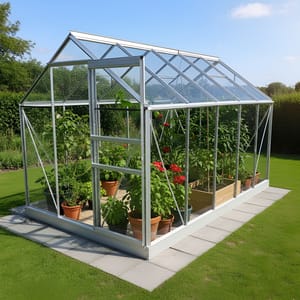
Matt's Pick for Growing MelonsBest For: Growing melons, cucumbers, and other heat-loving crops in a UK garden Why I Recommend It: The 6×10 Venus gives melons the floor space and height they need for vertical training. The horticultural glass lets in maximum light, and the roof vent gives you the ventilation control melons need. I have grown Charentais melons in this exact model and picked 12 fruits from three plants. Price: £599 |
Frequently Asked Questions
When should I sow melon seeds in my greenhouse?
Sow melon seeds from mid-April to late May. This timing gives plants the warmest months for fruit development. Soak seeds in lukewarm water for 24 hours before planting in 3-inch pots of seed compost. Keep soil temperature at 20–22°C using a heated propagator. Seedlings emerge in 7–10 days. Transplant to their final position by late May once two true leaves have developed.
What temperature do greenhouse melons need?
Melons need soil temperatures of 21–25°C during fruiting. Air temperature should stay between 18–28°C depending on the growth stage. Night temperatures must not drop below 16°C or plants stall. We use a min-max thermometer in our greenhouse and a soil probe at root level. Getting the soil warm enough is more important than air temperature. A heated propagator mat under young plants makes a big difference in spring.
How do I pollinate melons in a greenhouse?
Hand-pollinate by transferring pollen from male to female flowers. Use a soft paintbrush or pick a male flower and dab its stamen directly onto the female flower's stigma. Female flowers have a small round swelling behind the petals. Pollinate between 8am and 11am when pollen is most viable. Each female flower stays receptive for only one to two days, so check plants every morning during the flowering period.
What are the best melon varieties for UK greenhouses?
Ogen and Charentais are the most reliable UK greenhouse varieties. Ogen crops in 60–70 days and tolerates cooler conditions, making it ideal for beginners. Charentais 'Savor' produces intensely flavoured fruit in 70–80 days. Cantaloupe 'Halona' suits short seasons at 65–75 days. Honeydew 'Honey Bun' needs 80–90 days and consistent heat, so we only recommend it for heated greenhouses in southern England.
How do I know when greenhouse melons are ready to pick?
Ripe melons stop growing, smell sweet, and sound hollow when tapped. Measure your melons weekly. When size stays constant for five to seven days, ripening has started. The strongest indicator is a sweet aroma at the stem end. Skin colour also changes. Charentais turns from grey-green to cream. Cantaloupes develop golden netting. Ogen melons shift from green to yellow. Cut with a sharp knife, leaving 2cm of stem attached.
Related Articles
- A Greenhouse Grower's Guide to Cucumbers
- How to Grow Grapes in a Greenhouse
- 25 Unusual Things to Grow in a Greenhouse
- Growing Tomatoes in a Greenhouse
- How to Grow Seeds in a Greenhouse
Need help choosing a greenhouse for growing melons? Email us at info@greenhousestores.co.uk. We have been helping UK gardeners grow under glass for over 16 years.