Soil Types: A Guide to UK Garden Soils
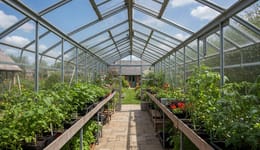
The UK has six main garden soil types: clay, sandy, silt, chalk, peat, and loam. Each has a different pH range, drainage profile, and nutrient level. A simple squeeze test identifies your type in under a minute. Clay soil holds nutrients but drains poorly. Sandy soil warms fast but loses moisture. Loam (pH 6.0-7.0) suits most plants. Greenhouse growers can bypass problem soil entirely using raised beds or grow bags.
Key Takeaways
- Six UK soil types — clay, sandy, silt, chalk, peat, and loam each need different treatment
- The squeeze test takes 30 seconds — grab a handful from 150mm deep and roll it between your fingers
- pH 6.0-7.0 suits most vegetables — test yours with a kit from any garden centre for under £10
- Greenhouse raised beds solve bad soil — fill with your own mix and forget what's underneath
- Add organic matter every autumn — 50mm of compost fixes nearly every soil problem over time
Installer's Note
We install greenhouses on every soil type across the UK. Heavy clay in the Midlands, sandy ground along the Norfolk coast, chalk in the South Downs. The base preparation changes each time, but the biggest mistake we see is people ignoring what's under the greenhouse floor. Get your soil right before you plant a single seed.
What are the six UK garden soil types?
British gardens sit on one of six soil types. Each behaves differently when wet, holds nutrients at different rates, and suits different plants. Before you buy a single packet of seeds, you need to know which one you have. The table below gives you the quick reference. Scroll down for the hands-on identification tests.
| Soil Type | UK Coverage | pH Range | Drainage | Best For |
|---|---|---|---|---|
| Clay | 25% | 6.5-7.5 | Poor | Roses, brassicas, fruit trees |
| Sandy | 20% | 5.5-6.5 | Fast | Root veg, herbs, bulbs |
| Silt | 15% | 6.0-7.0 | Moderate | Most vegetables, soft fruit |
| Chalk | 5% | 7.0-8.0 | Fast | Lavender, clematis, brassicas |
| Peat | 5% | 4.0-5.5 | Slow | Blueberries, heathers, azaleas |
| Loam | 30% | 6.0-7.0 | Balanced | Nearly everything |
How to identify your soil type at home
You do not need a lab. Two tests done in your kitchen will tell you exactly what you are working with. I teach these to every customer who asks what to grow in their new greenhouse.
The squeeze test (30 seconds)
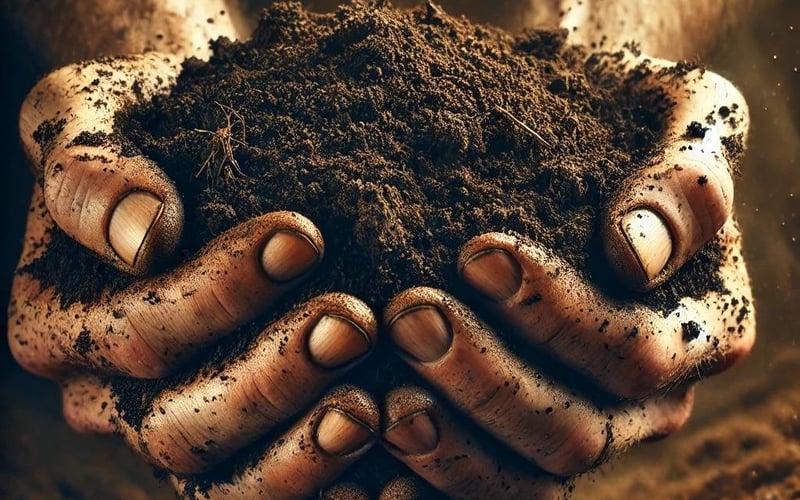
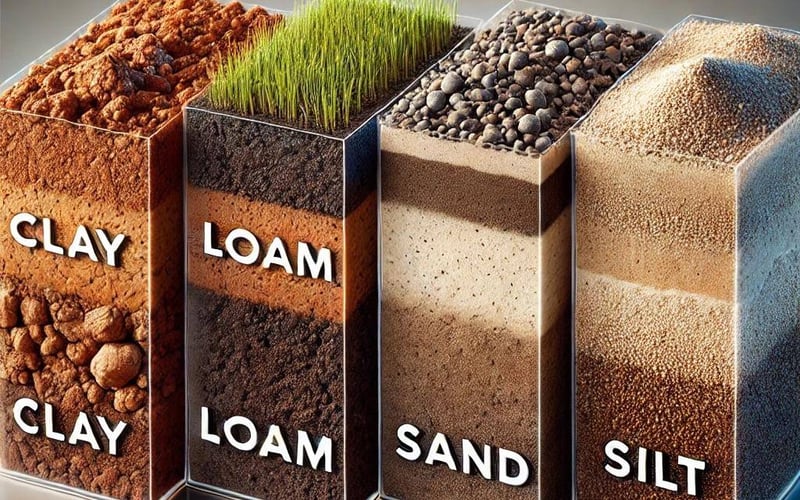
Dig a handful of soil from 150mm below the surface. Squeeze it in your fist. Clay soil holds its shape and feels sticky. Sandy soil falls apart immediately and feels gritty. Silt feels smooth and silky, like wet flour. Loam holds a loose shape but crumbles when you poke it. Chalky soil contains visible white lumite fragments. Peat soil is dark, spongy, and smells earthy.
The jar test (24 hours)
Fill a glass jar one-third full with soil. Top up with water and shake hard for two minutes. Leave it for 24 hours. Sand settles to the bottom within minutes. Silt forms the middle layer within a few hours. Clay stays suspended and settles last on top. The thickness of each layer shows your soil's composition. A balanced loam shows roughly equal layers.
How to improve each soil type
Every soil type improves with organic matter. The specifics change depending on what you start with. Here is what actually works, based on what we see in gardens across the country.
Clay soil
Clay holds more nutrients than any other soil type. The problem is drainage and workability. Never dig clay when it is wet. You will create brick-like lumps that take months to break down. Add 50mm of homemade compost in autumn and let frost break it in over winter. Grit and sharp sand mixed into the top 200mm opens up air channels. Green manures like field beans protect the surface from winter rain compaction.
Sandy soil
Sandy ground warms up two to three weeks earlier than clay in spring. That head start matters for early crops. The trade-off is that water and nutrients drain straight through. Mulch heavily with bark or compost to slow moisture loss. Feed little and often rather than one heavy dose. Water-retaining granules help in containers and grow bags. Sandy soil suits carrots and other root vegetables because they grow straight without obstruction.
Silt soil
Silt is naturally fertile and easy to work. The weakness is compaction. Walk on wet silt and you squeeze out all the air pockets that roots need. Use permanent paths between beds. Lay boards when working in wet conditions. Annual compost additions maintain the open structure. Silt suits most vegetables and performs well in greenhouse borders where foot traffic is limited.
Chalk soil
Chalk is alkaline, stony, and free-draining. It locks up iron and manganese, causing yellow leaves in acid-loving plants. Add organic matter every year to build a decent topsoil layer. Sulphur chips lower pH temporarily but need reapplying. Growing in raised beds filled with ericaceous compost gives you full pH control. Mediterranean herbs, lavender, and brassicas thrive on chalk without any amendments.
Peat soil
Peat soil is acid (pH 4.0-5.5), dark, and water-retentive. It suits blueberries, heathers, and rhododendrons without any work. For vegetables, add garden lime to raise the pH towards 6.0-6.5. Peat compacts when it dries out and is difficult to re-wet. Improve drainage with grit and maintain moisture levels through the growing season.
Loam soil
Loam is what every gardener wants. It balances clay, sand, and silt in roughly equal parts. Drainage works. Nutrients stay available. Roots penetrate easily. Maintain loam with annual compost and light cultivation. Avoid deep digging. The earthworm population does the heavy lifting if you keep feeding them organic matter. Loam produces the best results for greenhouse tomato growing and general vegetable production.
Matt's Tip: Greenhouse Soil Strategy
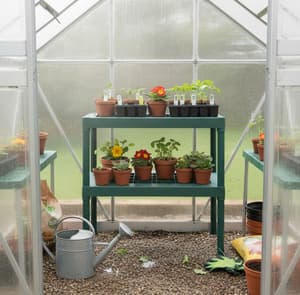
If your garden soil is heavy clay or thin chalk, do not bother amending the greenhouse border. Build raised beds inside the greenhouse instead. Fill them with a 50/50 mix of compost and garden loam. You control the drainage, pH, and nutrient levels from day one. I have done this in at least 30 greenhouse installs. The growing results are always better than fighting the native soil.
Soil management in a greenhouse
Greenhouse soil behaves differently from outdoor soil. Rain never reaches it. Temperature swings are wider. Salt build-up from fertilisers concentrates faster because nothing flushes through. Here are the three main approaches we recommend.
Border growing (directly in the ground)
This works if you have decent loam or improved soil. Dig in 100mm of compost before each growing season. Rotate crops annually to prevent soil-borne disease build-up. Replace the top 150mm every three to four years. Companion planting helps manage pests and improves soil biology between seasons.
Raised beds
Raised beds are the best option for difficult soil. Fill with a custom mix. Standard recipe: 40% topsoil, 40% compost, 20% perlite or grit. Height of 200-300mm is enough for most vegetables. Line the base with weed membrane if your native soil is full of perennial weed roots.
Grow bags and containers
Grow bags bypass soil entirely. They suit year-round greenhouse vegetables including tomatoes, peppers, aubergines, and cucumbers. Replace the compost each season because nutrients deplete and disease organisms accumulate. Standard grow bags hold three plants. Ring culture pots sitting on grow bags give deeper root space for tall crops.
Month-by-month soil care calendar
| Month | Outdoor Soil Task | Greenhouse Soil Task |
|---|---|---|
| January | Leave soil undisturbed. Plan amendments | Check border soil pH. Order compost |
| February | Spread lime on acid soil if needed | Top-dress raised beds with fresh compost |
| March | Fork over beds. Add compost to borders | Warm soil with fleece for early seed sowing |
| April | Mulch around perennials. Start planting | Plant out greenhouse tomatoes and peppers |
| May | Mulch bare soil between crops | Begin liquid feeding programme |
| June | Water deeply in dry spells | Check soil moisture daily. Increase watering |
| July | Continue feeding and watering | Feed fortnightly with tomato fertiliser |
| August | Sow green manures on empty beds | Monitor for salt build-up on soil surface |
| September | Start clearing spent crops | Remove old grow bags. Clean greenhouse floor |
| October | Spread compost. Plant garlic | Dig out and replace top 150mm in borders |
| November | Cover beds with cardboard or mulch | Add fresh compost to raised beds |
| December | Let frost break up clay clods | Rest the soil. Check structure is intact |
Common soil problems and how to fix them
| Problem | Cause | Fix |
|---|---|---|
| Waterlogging | Clay or compacted soil. Poor drainage | Add grit. Build raised beds. Install drainage |
| Yellow leaves (chlorosis) | High pH locking out iron | Add sulphur chips. Use ericaceous compost |
| White crust on surface | Salt build-up from fertiliser | Flush with clean water. Reduce feeding rate |
| Poor germination | Cold soil or surface capping | Warm with fleece. Rake to fine tilth before sowing |
| Stunted root growth | Compaction or hardpan layer | Double dig once. Add organic matter annually |

|
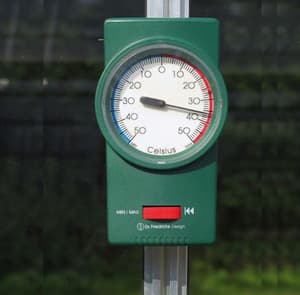
Matt's Pick: Soil Temperature MonitoringBest For: Tracking overnight temperature drops that affect soil Why I Recommend It: I fit one in every greenhouse we install. Cold soil stops seeds germinating and stunts root growth. This thermometer records the overnight minimum so you know if your soil needs warming before planting. Price: £30 |
Soil and Temperature Monitoring
Frequently asked questions
How do I test my soil type at home?
Use the squeeze test with a handful of moist soil from 150mm deep. Clay feels sticky and holds its shape. Sandy soil crumbles and feels gritty. Silt feels smooth like flour. Loam holds a loose ball but breaks apart easily. The jar test gives more detail. Fill a jar one-third with soil, add water, shake hard, and leave for 24 hours.
What pH do most vegetables need?
Most vegetables grow best in soil with a pH between 6.0 and 7.0. Test your soil with a kit from any garden centre (under £10). Brassicas prefer slightly alkaline soil around 6.5-7.5. Blueberries need acid soil at 4.5-5.5. Add garden lime to raise pH or sulphur chips to lower it. Retest after six weeks.
Can I grow vegetables in clay soil?
Yes, clay soil holds more nutrients than any other type. The challenge is drainage and workability. Never dig clay when it is wet. Add 50mm of compost each autumn and let winter frost break it up. After two or three seasons of improvement, clay becomes excellent for brassicas, beans, and fruit trees.
What is the best soil for a greenhouse?
A 50/50 mix of multi-purpose compost and garden loam works best. This gives good drainage, nutrient availability, and root penetration. Use this mix in raised beds inside the greenhouse to bypass whatever native soil sits underneath. Replace the top 150mm every three years to prevent disease build-up and salt accumulation from fertilisers.
How often should I add compost to my soil?
Add 50mm of compost to your soil every autumn. This single habit fixes most soil problems over time. Compost improves clay drainage, helps sandy soil hold moisture, and feeds the earthworms that maintain soil structure. In greenhouses, top-dress raised beds in February and replace grow bag compost every season.