Growing Chillies in a Greenhouse: UK Guide
UK greenhouse chillies need sowing in February at 20–24°C in a heated propagator. Expect germination in 7–14 days. Varieties range from mild Padron peppers at 500 SHU to fiery Habaneros at 350,000 SHU. Harvest begins 60–120 days after sowing depending on variety. A 6×6ft polycarbonate greenhouse holds 8–10 chilli plants with room for a propagator shelf.
Key Takeaways
- Sow chilli seeds in February in a heated propagator set to 20–24°C
- Polycarbonate greenhouses retain 3–5°C more heat than glass, ideal for chillies
- Pinch the main stem at 30cm to encourage bushy growth and more fruit
- Switch to tomato feed when flowers appear after 6 weeks of general fertiliser
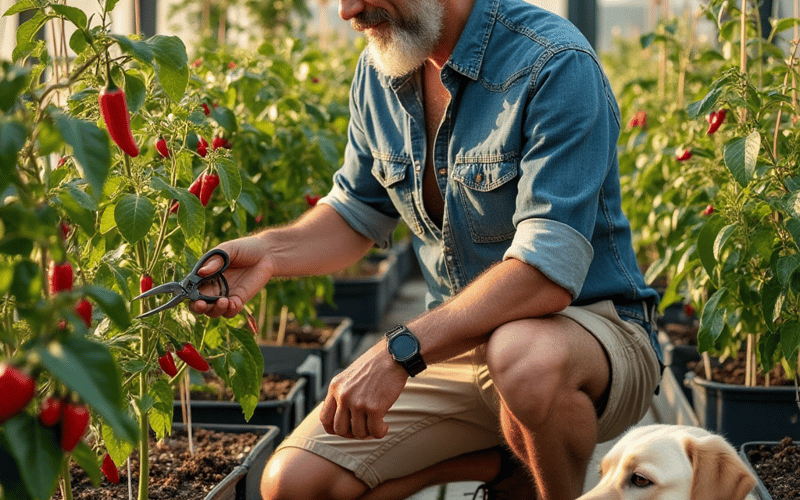
- Harvest from July onwards by snipping ripe fruits with scissors
- Preserve surplus by freezing whole then grate from frozen into cooking
Installer's Note
We fit greenhouses specifically for chilli growers every year. Polycarbonate panels hold heat far better than glass for heat-loving crops. The twin-wall design traps an insulating air layer that keeps night temperatures 3–5°C warmer. From our experience, that difference matters in March and April when young chilli plants are most vulnerable. We always recommend polycarbonate greenhouses for customers growing chillies, peppers, or aubergines.
When should I sow chilli seeds in the UK?
Sow chilli seeds in early February for most varieties. Super-hot types like Habanero and Scotch Bonnet need a January start. They require the extra growing time to ripen fully before autumn.
Use a heated propagator set to 20–24°C. Place it inside your greenhouse if you have mains power. Otherwise, start seeds on a south-facing windowsill indoors. Move seedlings to the greenhouse once night temperatures stay above 10°C.
Germination takes 7–14 days at the correct temperature. Some super-hot varieties take up to 21 days. Be patient and keep the compost moist but not waterlogged.
New to greenhouse growing? Our beginners greenhouse growing guide covers the basics.
Which chilli varieties grow best in a UK greenhouse?
Start with jalapeños and cayenne if you are a beginner. Both germinate reliably and produce heavy crops. They tolerate the cooler temperatures of a British spring better than tropical varieties.
For something milder, try Padron peppers. They crop in just 60–70 days and are perfect fried in olive oil with sea salt. Hungarian Hot Wax is another good choice for pickling and stuffing.
Experienced growers should try Habanero or Scotch Bonnet. Both reach 100,000–350,000 SHU. They need a longer growing season of 90–120 days. Start these in January to guarantee ripe fruit by September.
| Variety | Scoville (SHU) | Days to Harvest | Heat Level | Best For |
|---|---|---|---|---|
| Padron | 500–2,500 | 60–70 | Mild | Frying, tapas |
| Jalapeño | 2,500–8,000 | 75–80 | Medium | Salsas, nachos, stuffing |
| Hungarian Hot Wax | 5,000–10,000 | 60–70 | Medium | Pickling, stuffing |
| Cayenne | 30,000–50,000 | 70–80 | Hot | Drying, sauces, flakes |
| Bird's Eye (Thai) | 50,000–100,000 | 80–90 | Hot | Stir-fries, curries |
| Habanero | 100,000–350,000 | 90–120 | Very Hot | Hot sauces, jerk marinades |
| Scotch Bonnet | 100,000–350,000 | 90–120 | Very Hot | Caribbean cooking |
How do I grow chillies from seed step by step?
Fill 2.5cm pots or module trays with multipurpose compost mixed with one-fifth perlite by volume. This mix drains freely and prevents root rot. Drop one seed per cell onto the surface. Cover with a thin layer of perlite.
Water gently with warm water at 20–24°C using a fine rose. Place in a heated propagator and keep the lid on until seedlings emerge. Remove the lid once you see green shoots to prevent damping off.
Prick out seedlings when the first true leaves appear. Transplant into 10cm pots of multipurpose compost. Water in carefully at propagator temperature to avoid shocking the roots.
When roots show through the drainage holes, pot on into 20cm containers. This is their final home. Even a small greenhouse fits 4–6 chilli plants in 20cm pots. You can also plant two per grow bag if space is limited.
Pinch out the growing tip when the plant reaches 30cm tall. This forces side shoots and produces a bushier plant with more fruiting points. Support with two or three short canes to stop plants toppling when laden with fruit.
Matt's Tip: Seed Handling
Chilli seeds are small and fiddly. I use a damp pencil tip to pick them up one at a time. It sounds old-fashioned but it works better than tweezers. I have sown hundreds of chilli seeds this way over 16 years and never crushed one. For super-hot varieties, wear gloves when handling the seeds. Capsaicin transfers to your skin and you will regret touching your eyes later.
What temperature do chillies need in a greenhouse?
Chillies need different temperatures at each growth stage. Germination requires 20–24°C. Growing plants thrive at 15–18°C during the day. Night temperatures should not drop below 10°C.
Polycarbonate greenhouses hold warmth more effectively than glass. The twin-wall panels trap an insulating air pocket. We see 3–5°C warmer night temperatures in polycarbonate structures compared to single-glazed glass. That margin keeps chilli plants growing through cool spring nights.
Use a maximum-minimum thermometer positioned at plant height. Floor level temperatures run up to 5°C cooler than the ridge. Knowing both extremes helps you decide when to add or remove insulation.
In an unheated greenhouse, wait until late April before moving chilli plants in. Before that date, overnight lows drop below the 10°C minimum. Bubble wrap lining can extend the safe window by two to three weeks.
How do I feed and water chilli plants?
For the first six weeks after potting on, use a balanced general-purpose liquid fertiliser. Apply at half strength every two weeks. This builds strong stems and healthy leaf growth.
Switch to a high-potash tomato feed as soon as flowers appear. Potash promotes flowering and fruit set. Feed every two weeks throughout the fruiting season. If leaves turn yellow, revert to a general-purpose feed for one or two applications.
Water when the top 25mm of compost feels dry. Push your finger in to check. Chillies dislike waterlogging, which causes root rot and blossom end rot. Water deeply but less frequently rather than giving light daily sprinkles.
Greenhouse chillies typically need watering every two to three days in summer. In a heatwave, daily watering may be necessary. Morning watering is best. It gives foliage time to dry before evening, reducing fungal risk.
When are chillies ready to harvest?
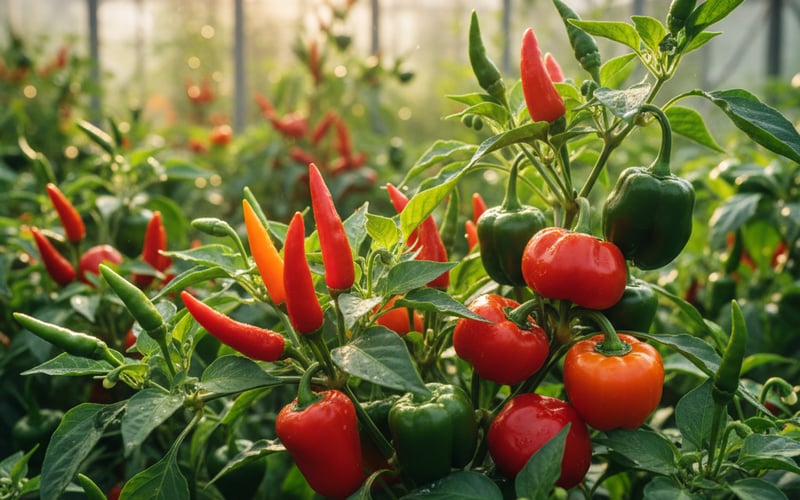
Most chilli varieties are ready 3–4 months after sowing. Padron and Hungarian Hot Wax crop fastest at 60–70 days. Super-hots like Habanero take 90–120 days from seed to ripe fruit.
Colour change is the clearest sign of ripeness. Green chillies turn red, orange, or yellow depending on variety. You can pick chillies green for a milder, sharper flavour. Leaving them to fully colour increases both heat and sweetness. Chillies pair well with other greenhouse crops covered in our year-round growing guide.
Cut chillies from the plant with sharp scissors or secateurs. Leave a short stem attached. Pulling risks damaging the branch and reducing future harvests. A single plant produces 20–40 chillies per season in a warm greenhouse.
Pick regularly to encourage the plant to keep fruiting. An unpicked plant stops producing new flowers. Harvest every few days once fruiting begins. The season runs from July through to October in most UK greenhouses.
What pests affect chillies in a greenhouse?
Whitefly is the most common greenhouse chilli pest. They cluster on leaf undersides and excrete sticky honeydew. Yellow sticky traps hung at plant height catch adults effectively. Replace traps every four weeks.
Aphids target new growth tips and flower buds. Wipe them off with a damp cloth for small infestations. For serious outbreaks, introduce the parasitic wasp Encarsia formosa as a biological control. It targets both whitefly and certain aphid species.
Red spider mite thrives in hot, dry greenhouse conditions. Misting plants with water raises humidity and deters them. Tiny yellow speckles on leaves are the first warning sign. Check leaf undersides with a magnifying glass for the mites themselves.
Prevention beats cure with greenhouse pests. Keep vents open on warm days to maintain airflow. Inspect plants weekly during summer and act early. Our exotic greenhouse growing guide covers companion planting that deters common pests.
How do I preserve and store chillies?
A productive greenhouse chilli plant gives you far more fruit than you can eat fresh. Preserving surplus chillies lets you enjoy your harvest through winter. Three methods work well at home.
Drying chillies
Air drying works best with thin-walled varieties like Cayenne and Bird's Eye. Thread a needle through the stems and hang the string in a warm, dry spot. A greenhouse eave or kitchen ceiling works well. Allow two to three weeks for full drying.
Oven drying suits thicker-walled chillies like jalapeños. Lay halved chillies on a baking tray. Set your oven to its lowest temperature, around 50–60°C. Leave the door slightly ajar for moisture to escape. Check every 30 minutes until crisp. This takes 4–8 hours depending on size.
Crush dried chillies into flakes using a pestle and mortar. Store in airtight glass jars away from sunlight. A cool potting shed is ideal for storage. Home-dried flakes keep their flavour for 12 months or more.
Freezing chillies
Freezing is the fastest preservation method. Bag whole chillies and place directly in the freezer. No blanching is needed. Frozen chillies keep for up to 12 months.
The best trick is grating frozen chillies directly into cooking. They grate easily from frozen and distribute evenly through sauces, stir-fries, and soups. No need to defrost first.
Saving seed for next year
Select seeds from your best fully-ripe chillies. Scoop out the seeds and rinse under cold water. Spread on kitchen paper and dry at room temperature for 48 hours. Store in labelled paper envelopes in a cool, dark place. Seeds remain viable for 3–5 years when stored correctly.
| Preservation Method | Pros | Cons | Best Chillies For |
|---|---|---|---|
| Air Drying | Free, decorative, 12+ month shelf life | Takes 2–3 weeks, needs warm dry air | Cayenne, Bird's Eye, Habanero |
| Oven Drying | Fast (4–8 hours), works in any climate | Uses energy, needs monitoring | Jalapeño, Hungarian Hot Wax |
| Freezing | Quickest method, retains full flavour | Needs freezer space, softens on thaw | All varieties, especially thick-walled |
| Chilli Flakes | Concentrated flavour, small storage space | Requires drying first, loses some heat | Cayenne, Bird's Eye, Scotch Bonnet |
| Chilli Oil | Ready-to-use, lasts 6+ months | Dilutes heat, needs sterilised bottles | Bird's Eye, Habanero, Cayenne |
|
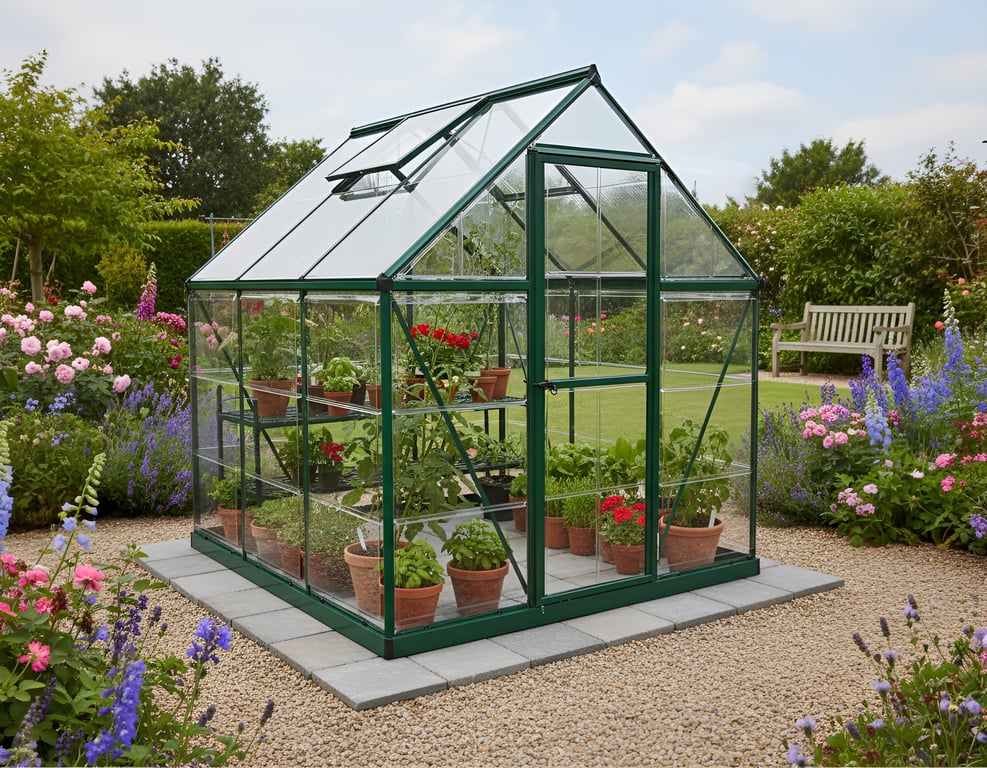
Matt's Pick for Growing ChilliesBest For: Heat-loving crops like chillies, peppers, and aubergines Why I Recommend It: I have fitted dozens of these Hybrid 6×6 greenhouses. The 4mm twin-wall polycarbonate holds heat far better than glass, which chillies need through cool UK nights. The 6×6ft footprint gives you room for 8–10 chilli plants plus a propagator shelf along the back wall. Twin-wall panels also diffuse light evenly, which prevents leaf scorch on hot summer days. Price: £449 |
Frequently Asked Questions
Do chillies grow well in a UK greenhouse?
Chillies thrive in a UK greenhouse with proper temperature management. A greenhouse provides the consistent 15–24°C range that chillies need throughout the growing season. Polycarbonate models hold heat 3–5°C better than glass, making them the top choice for chilli growers. Most UK greenhouse chilli plants produce 20–40 fruits per season from a February sowing.
How often should I water chilli plants in a greenhouse?
Water greenhouse chillies every 2–3 days in summer. Check the compost by pushing your finger 25mm below the surface. If it feels dry, water deeply until liquid drains from the pot base. Avoid light daily sprinkling, which encourages shallow root growth. Morning watering gives foliage time to dry before nightfall, reducing fungal risk.
Can I grow chillies in an unheated greenhouse?
Yes, but wait until late April to move plants in. Unheated greenhouses drop below 10°C overnight in early spring, which stalls chilli growth. Start seeds indoors on a warm windowsill in February. Transfer to the greenhouse once night temperatures reliably stay above 10°C. Bubble wrap lining extends the safe window by two to three weeks.
What is the hottest chilli I can grow in a UK greenhouse?
Scotch Bonnet and Habanero reach 350,000 SHU in a UK greenhouse. Both need sowing in January and 90–120 days to ripen fully. Start them in a heated propagator at 24°C for reliable germination. They need the warmest spot in your greenhouse and consistent feeding with tomato fertiliser from flowering onwards.
Why are my greenhouse chilli plants dropping flowers?
Flower drop is usually caused by temperature swings or overwatering. Chillies drop flowers when night temperatures fall below 10°C or daytime temperatures exceed 30°C. Open greenhouse vents on hot days to prevent overheating. Waterlogged roots also trigger flower drop. Let compost dry slightly between waterings during the flowering stage.
How do I make my chillies hotter?
Mild water stress during fruiting increases capsaicin production. Reduce watering slightly once fruits begin to form. Let the top 25–30mm of compost dry between waterings. Higher temperatures also boost heat levels. Keep greenhouse daytime temperatures above 25°C during the fruiting period. Thin-walled varieties like Bird's Eye concentrate capsaicin more than thick-walled types.