Homemade Weed Killers: Natural Solutions That Actually Work
By Matt W | Updated February 2026
White vinegar at 20% acetic acid with 1 cup salt and dish soap kills annual weeds in 2-4 hours. Boiling water destroys pavement weeds instantly with zero chemicals. Perennial weeds need 2-3 repeat treatments spaced 7-10 days apart. All methods are non-selective. Use a spray bottle or foam brush to protect nearby plants.
Key Takeaways
- White vinegar with 20% acetic acid is the base of most effective homemade weed killers
- Salt acts as a desiccant but should only be used on hard surfaces like driveways and patios
- Dish soap works as a surfactant, helping solutions stick to weed leaves
- Boiling water provides instant results for annual weeds without any chemicals
- Pet-friendly options include corn gluten meal and boiling water once cooled
- Multiple applications are needed for persistent perennial weeds
- Apply during sunny, dry weather above 21C for best results
Installer's Note
When we install greenhouses, the base area is always the first battleground for weeds. Grass and dandelions push through gravel bases within weeks if left unchecked. We clear every weed before laying a greenhouse base, then treat the perimeter with vinegar solution to buy time. A clean base matters because weeds growing under a greenhouse frame can lift edging strips and block drainage channels. I keep a spray bottle of the basic vinegar recipe in the van for every installation.
How Do Natural Weed Killers Work?
Acids like vinegar cause rapid dehydration by breaking down the waxy coating on leaves. Salt draws moisture from plant tissues through osmotic pressure. Boiling water destroys cell walls on contact, causing immediate plant death.
Commercial herbicides often contain glyphosate. The World Health Organisation has classified this as "probably carcinogenic". Many gardeners prefer natural alternatives that pose no risk to children, pets, or pollinators like bees.
Natural weed killers work best on annual weeds and green growth on perennials. Deep-rooted perennials like dandelions need multiple treatments or manual removal. Timing applications during active growth phases gives the best results.
Most natural weed killers are non-selective. They damage any plant they contact. Use a foam brush or targeted spray bottle rather than broadcasting widely. This protects desirable plants while treating the problem areas.
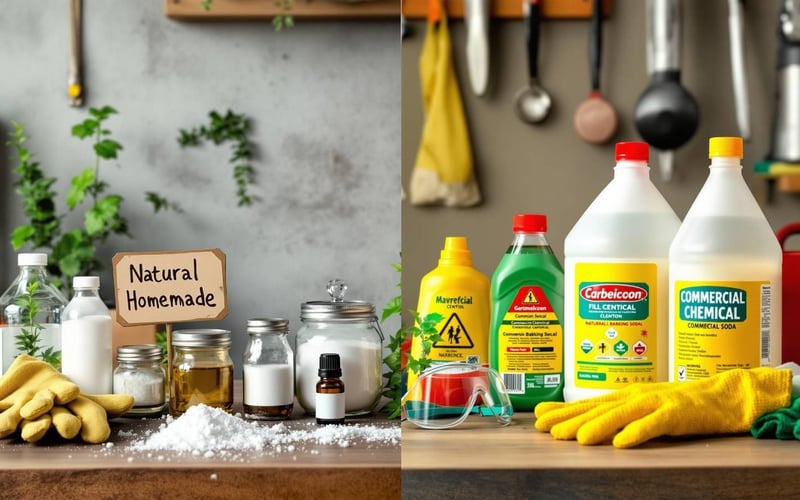
Vinegar-Based Weed Killer Recipes
Basic Three-Ingredient Recipe:
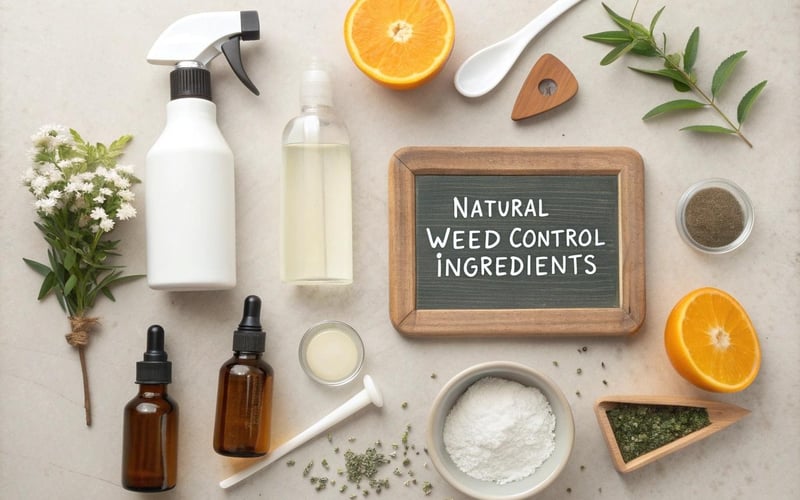
- 1 gallon white vinegar (20% acetic acid preferred)
- 1 cup table salt
- 1 tablespoon liquid dish soap
Mix until the salt dissolves fully. The dish soap acts as a surfactant, helping the solution cling to waxy leaf surfaces. Add the soap last to prevent excessive foaming.
Epsom Salt Variation:
- 1 gallon white vinegar
- 2 cups Epsom salt
- 1/4 cup dish soap
Epsom salt (magnesium sulphate) adds extra drying power while being less harmful to soil than table salt. This version works well on broadleaf weeds like plantain and clover. Use it in areas where soil health matters more than total sterilisation.
Concentrated Formula for Tough Weeds:
- 1 quart 20% acetic acid vinegar
- 4 ounces orange oil or d-limonene
- 1 teaspoon liquid soap
The citrus oil penetrates waxy leaf coatings while the high-acid vinegar causes rapid dehydration. Reserve this recipe for stubborn perennial weeds or heavily established patches.
Apply vinegar-based solutions during sunny, warm weather when weeds are actively growing. Heat and direct sunlight speed up desiccation. Expect results within 2-4 hours on annual weeds. Perennials may take several days to show damage.
Non-Vinegar Alternatives for Weed Control
Not everyone wants vinegar-based solutions. The strong smell, concerns about soil pH, or personal preference drive many gardeners to explore alternatives.
Boiling Water Method
Pour boiling water directly onto weeds, covering leaves and stems fully. The heat destroys cell walls, causing immediate wilting. Reuse water from cooking pasta or vegetables to save energy.
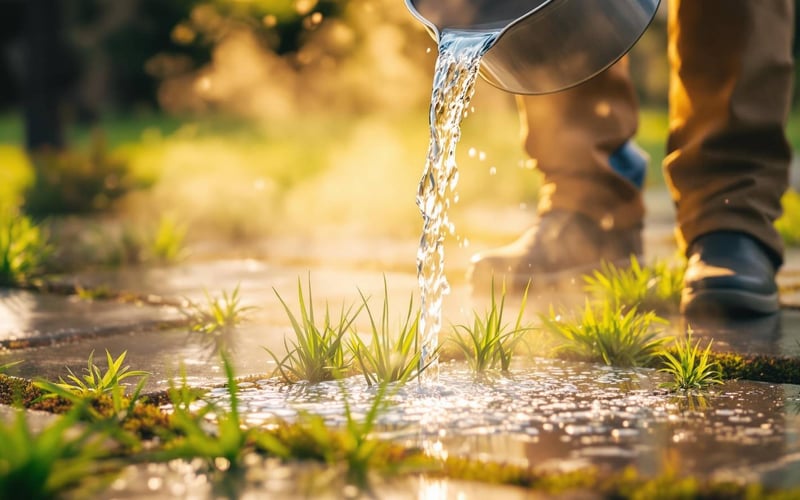
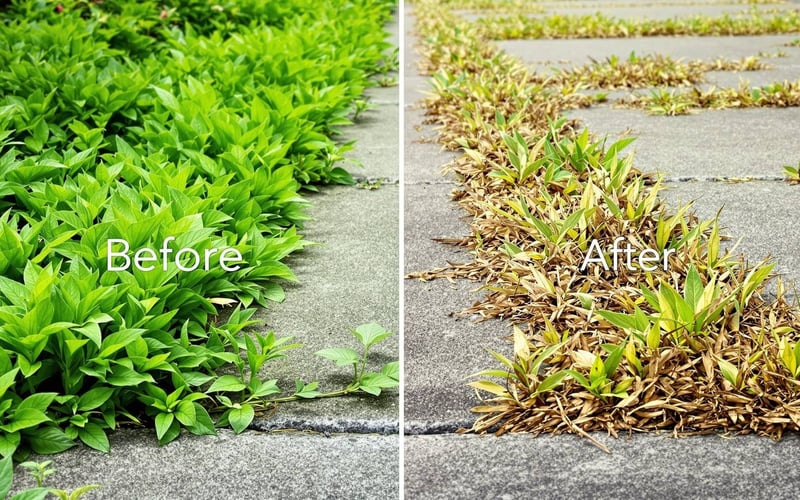
Boiling water works well on annual weeds and young perennials. Established perennials may need multiple applications as new growth emerges from undamaged roots. This method is 100% effective on weeds in pavement cracks and between patio stones.
Baking Soda Applications
Sodium bicarbonate creates an alkaline environment that many weeds cannot tolerate. Sprinkle it onto wet weed leaves, or mix 4 tablespoons per quart of water. The alkalinity disrupts the plant's natural pH balance.
This method works slowly but effectively on moss and small annual weeds. Use it on hard surfaces where white residue is not a problem. Baking soda also helps prevent regrowth by altering surface pH temporarily.
Corn Gluten Meal Pre-emergent
This organic by-product prevents weed seeds from germinating rather than killing existing weeds. Apply 20 pounds per 1,000 square feet in early spring before seeds sprout. Timing is critical. Apply too late and you miss the germination window.
Corn gluten meal works well for preventing crabgrass and other annual weeds in established lawns. Results are not immediate, but it provides long-term prevention without harming existing grass. If you are also working on lawn health, scarifying your lawn at the right time helps grass outcompete weeds.
Manual and Physical Methods
Regular hoeing on dry days cuts weeds at soil level. Annual varieties die quickly. Hoe vegetable beds weekly during the growing season to prevent weed establishment.
Pet-Friendly Weedkiller Options
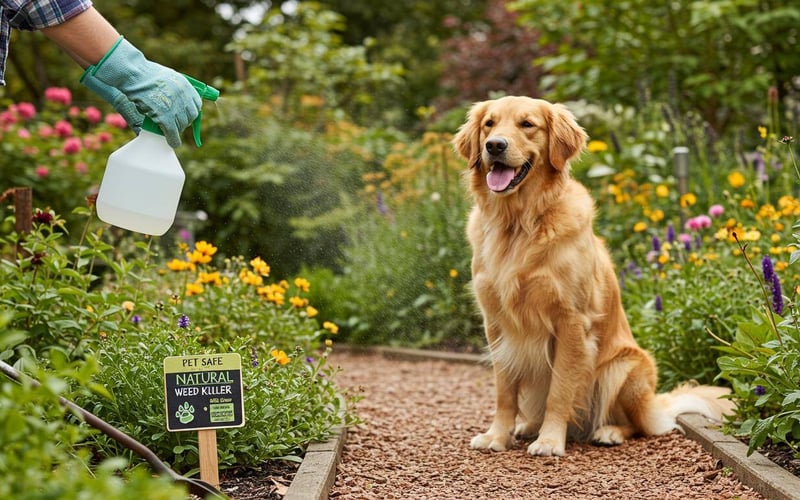
Pet safety should be the top priority when choosing weed control methods. Many ingredients in homemade weed killers can harm pets who walk through treated areas or investigate interesting smells. For other ways to keep your garden pet-friendly, our guide to keeping cats out of your garden covers natural deterrents that work alongside weed control.
Safe Physical Methods
Hand weeding remains the safest option around pets. Use a long-handled weeding tool to remove dandelions and deep-rooted weeds without bending. Zero chemical exposure for you or your animals.
Mulching prevents weed establishment while creating safe play areas. Apply 7-10cm of organic mulch around garden beds. Wood chips, shredded leaves, and grass clippings all work effectively. Growing in raised beds and planters gives you full control over the growing medium and keeps weeds out entirely.
Pet-Safe Natural Options
Corn gluten meal presents minimal risk to pets while preventing germination. Pets can walk on treated areas immediately after application. Use it around your dog's favourite outdoor areas without concern.
Boiling water poses only temporary danger. Once cooled, treated areas are completely safe. Pour boiling water on driveway weeds in the morning. By afternoon, pets can use the area normally. No chemical residues transfer to paws or fur.
Matt's Tip: Weed Control Around Greenhouse Bases
After 16 years of installing greenhouses, the best weed prevention is a proper membrane under gravel bases. Lay heavy-duty weed membrane before any aggregate goes down, overlapping edges by at least 15cm. Without it, weeds push through within one growing season. For paths between small greenhouses and potting sheds, I use the basic vinegar recipe on any weeds that find the membrane seams. It takes five minutes and saves hours of pulling later.
Strong Homemade Weed Killer Formulations
Established perennial weeds and large infestations need stronger formulations. These recipes require careful handling and application.
High-Acid Vinegar Formula:
- 1 gallon 30% acetic acid vinegar (from agricultural supply stores)
- 1/2 cup salt
- 2 tablespoons concentrated dish soap
- 1/4 cup vegetable oil
This industrial-strength solution can burn skin and eyes. Wear gloves, eye protection, and long sleeves when mixing and applying. The vegetable oil helps the solution stick to vertical surfaces and waxy leaves. This formula works on brambles and bindweed that resist weaker solutions. Apply during hot, sunny weather.
Triple-Action Concentrated Mix:
- 2 cups 20% acetic acid vinegar
- 1/2 cup salt
- 1/4 cup liquid soap
- 2 tablespoons orange oil concentrate
This attacks weeds through multiple mechanisms. The acid dehydrates, salt draws moisture, soap improves adherence, and citrus oil penetrates leaf coatings. Mix in small batches.
Iron Sulphate Addition:
Adding 1 tablespoon of iron sulphate per gallon to vinegar solutions increases effectiveness against broadleaf weeds. Iron sulphate causes rapid leaf burn in broadleaf plants but has minimal effect on grass species.
Citric Acid Alternative:
Mix 4 tablespoons citric acid powder per quart of water, adding dish soap as a surfactant. This gives similar pH to vinegar without the strong smell. Citric acid works particularly well on moss and algae on hard surfaces and pavements.
|
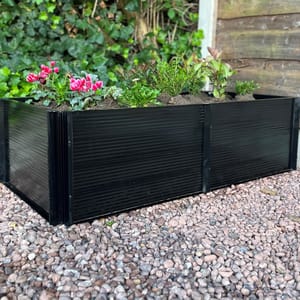
Matt's Pick for Weed-Free GrowingBest For: weed-free growing in a dedicated raised bed Why I Recommend It: I fit these raised beds regularly and they eliminate ground-level weeds completely. The aluminium frame sits on any surface. Fill with fresh compost and no weed seeds get in from below. Price: £155 |
Organic Weed Control Strategies
Organic weed management goes beyond sprays. Combining prevention, cultural practices, and targeted treatments gives sustainable long-term control.
Prevention Through Soil Health
Healthy, dense turf naturally suppresses weeds. Focus on proper fertilisation, appropriate watering, and overseeding thin areas. Soil testing reveals nutrient deficiencies that encourage certain weed species. Understanding creating a herb garden can also teach you how dense companion planting crowds out weeds naturally.
Organic matter additions improve soil structure while supporting beneficial microorganisms. Add compost annually to garden beds. Use organic fertilisers that feed soil biology rather than just plants.
Cultural Control Methods
Proper mowing height prevents many weed seeds from germinating. Keep grass at 7.5-10cm, which shades soil and blocks light-dependent seeds from sprouting. Higher grass develops deeper roots that compete more effectively.
Crop rotation in vegetable gardens disrupts weed cycles adapted to specific crops. Rotate plant families annually and use cover crops during fallow periods.
Integrated Approach
Combining multiple organic methods produces better results than any single technique. Use mulch for prevention, hand weeding for spot control, natural sprays for problem areas, and cultural practices for long-term management.
Essential Oil-Based Weed Killers
Essential oils offer aromatic alternatives with varying effectiveness. These concentrated plant extracts work differently from acid-based solutions.
Clove Oil Formula
Clove oil contains eugenol, which disrupts cell membranes. Mix 2 tablespoons clove oil with 1 quart water and 1 teaspoon dish soap. Results appear within hours on contact. It works best on young annual weeds and moss. The pleasant spice scent makes it suitable near outdoor living areas.
Citrus Oil Concentrate
Orange oil (d-limonene) penetrates waxy leaf surfaces effectively. Commercial citrus oil concentrates outperform homemade versions. Mix according to label directions, typically 1-2 ounces per gallon of water. The oil breaks down quickly in sunlight, reducing environmental concerns.
Application Tips for Essential Oils
Apply essential oil solutions during calm, sunny conditions. Most work on contact and need thorough coverage. Use a foam brush for precise application to avoid drift onto desirable plants.
When and How to Apply Homemade Weed Killers
Weather Considerations
Sunny, calm days between 21-29C are ideal for most homemade weed killers. Wind causes drift onto desirable plants. Check forecasts and plan treatments for dry periods lasting at least 24 hours.
Morning applications allow full-day sun exposure. Avoid treating above 32C as rapid evaporation reduces contact time with plant tissues.
Equipment Selection
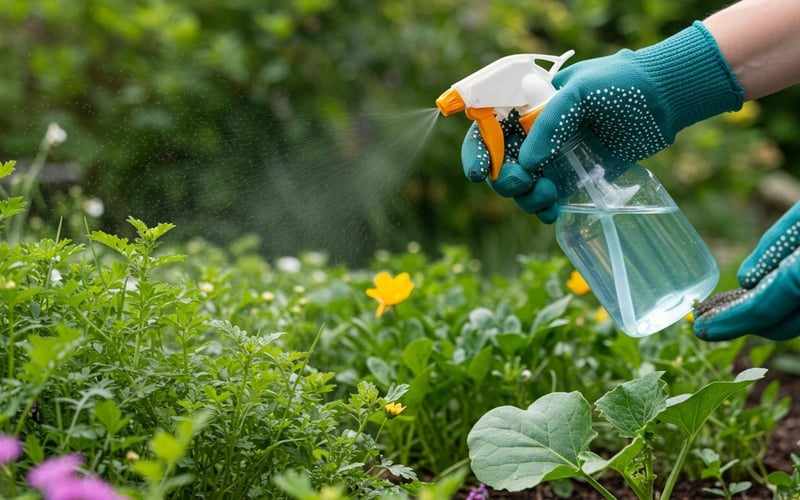
Foam brushes give the most precise application near desirable plants. Spray bottles work for small areas but need careful pressure adjustment to prevent fine misting. For larger areas, pump sprayers with brass wands offer efficiency and comfort.
Seasonal Timing
Spring: Target young weeds before they establish deep roots. Begin when soil temperatures reach about 10C consistently.
Summer: Use stronger solutions and more frequent applications. Mid-summer heat stress reduces plant resilience and aids natural weed killers.
Autumn: Treat seed-producing plants before they mature. Late-season treatments also target perennials as they move energy to roots for winter.
Multiple Application Strategy
Most natural weed killers require repeated applications. Space treatments 7-10 days apart to assess results. Follow-up applications can be 25-30% weaker as stressed plants are more vulnerable.
Frequently Asked Questions
What kills weeds permanently with vinegar?
Vinegar at 20% acetic acid kills annual weeds permanently in one application. Perennial weeds typically need multiple treatments targeting new growth from roots. Adding salt and dish soap increases effectiveness. Repeat applications every 7-10 days for complete root kill on established perennials.
Which is better for killing weeds, vinegar or baking soda?
Vinegar works faster and more effectively than baking soda on most weeds. Vinegar's acetic acid causes rapid dehydration within hours. Baking soda works slowly by altering surface pH. Use vinegar for quick results on actively growing weeds. Use baking soda for moss and algae on hard surfaces.
What is the best homemade weed killer for permanent results?
Boiling water gives the most permanent kill for annual weeds on hard surfaces. For perennial weeds, combine hand weeding, mulching, and repeated vinegar treatments for best long-term control. No single natural method matches synthetic herbicides for permanence.
Does vinegar, Epsom salt, and dish soap really kill weeds?
Yes, this combination kills most annual weeds within 2-6 hours on sunny days. The vinegar dehydrates, Epsom salt draws moisture, and dish soap helps the solution stick to leaves. Multiple applications may be needed for tough perennial weeds with deep root systems.
Is bleach safe to use as a weed killer?
Bleach kills weeds but poses serious environmental and safety risks. It contaminates groundwater, harms beneficial soil organisms, and creates toxic conditions for pets and wildlife. Natural alternatives like vinegar or boiling water provide safer options with similar effectiveness on contact.
How long does baking soda take to kill weeds?
Baking soda takes 2-3 weeks to show significant effects on weeds. Results appear gradually as alkaline conditions stress plant systems. For faster results, use vinegar instead. Baking soda is most effective on moss and algae on hard surfaces rather than established weeds.
Are homemade weed killers safe for pets?
Boiling water and corn gluten meal are the safest options around pets. Once boiling water cools, treated areas are completely safe with no residues. Corn gluten meal is non-toxic and pets can walk on treated areas immediately. Keep pets away from vinegar and salt solutions for 24 hours after application.
Related Articles
- How to Use Coffee Grounds for Plants: UK Expert Guide
- The Ultimate Guide to Slug Control
- Soil Types: A Complete Guide to UK Garden Soils
- How to Make Your Own Compost
- Complete Greenhouse Pest Control Guide UK
Need growing advice? Email our team at customerservice@greenhousestores.co.uk.