How to Use Coffee Grounds for Plants: UK Expert Guide 2025
By Matt W | Updated February 2026
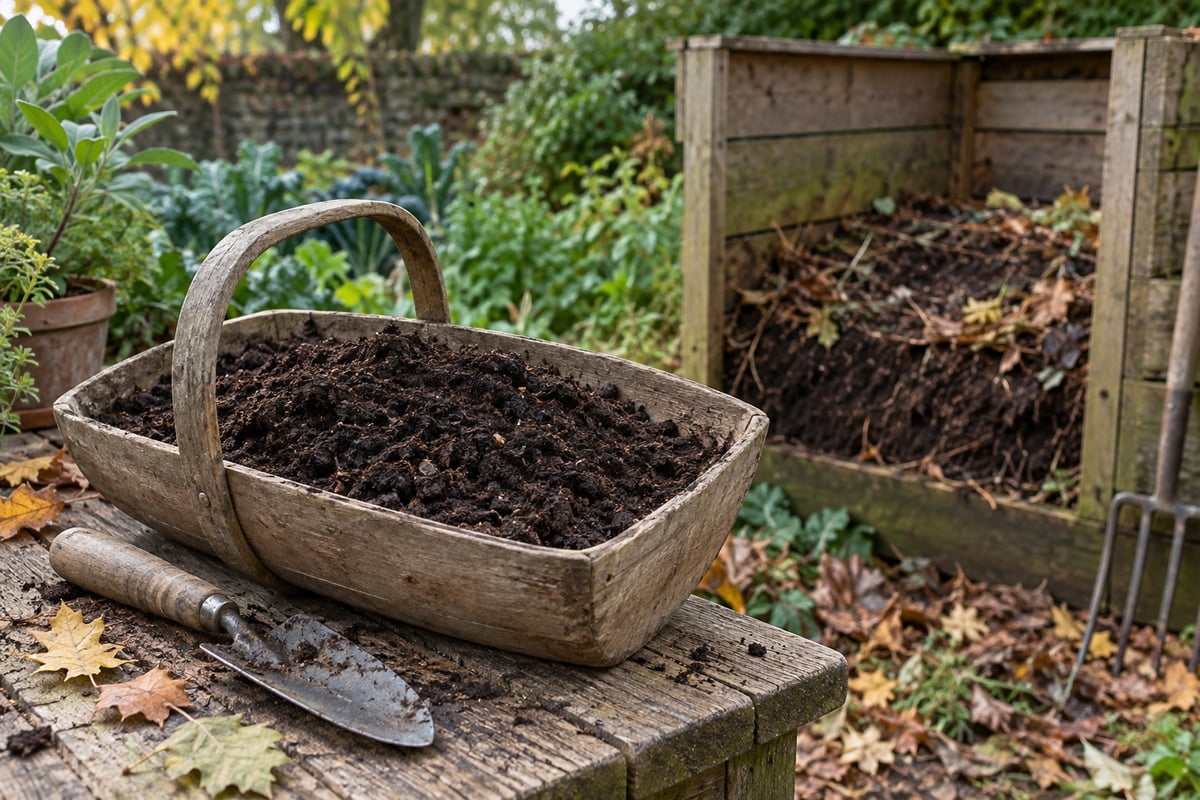
Used coffee grounds are a useful addition to a mixed compost heap. Break up the clumps and add them with dry leaves, torn cardboard and other garden waste. Once the compost is ready, use it around suitable plants. You do not need special coffee recipes or feeding schedules. Here is how to make good use of your morning coffee leftovers.
Key Takeaways
- Add used coffee grounds to a mixed compost heap.
- Break up clumps and mix with drier, coarser material.
- Use finished garden compost around established plants.
- Choose suitable potting compost for houseplants and seedlings.
Expert Tip
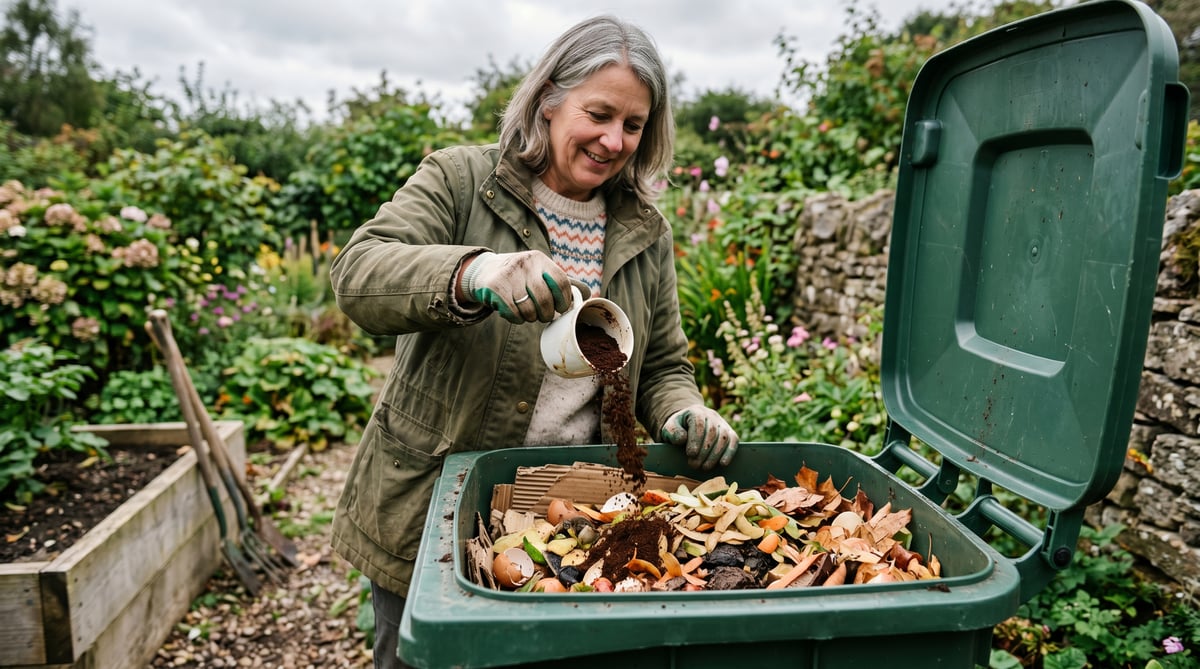
Keep some torn plain cardboard beside the compost bin. When you empty your cafetiere, mix in a handful of cardboard too. It is an easy habit that helps stop the heap becoming a soggy mass of kitchen scraps.
Why Coffee Grounds Work in Your Garden
Coffee grounds are organic material that can become part of useful garden compost.
They contain nitrogen, although it becomes available as the material breaks down. Think of grounds as one ingredient in your compost heap, alongside vegetable peelings and garden waste. They are not a complete plant feed on their own.
Used grounds are also less acidic than their reputation suggests. Brewing removes much of the acidity, and the remaining pH varies. Adding coffee is not a dependable way to turn ordinary soil into an acidic bed.
Why compost coffee grounds first?
Composting makes coffee grounds easier to use around the garden.
A thick layer of fine grounds can clump together on the soil surface. Mixing them into a heap with coarser material avoids that problem and gives them time to break down.
Keep raw grounds out of seed trays. Young plants do better with a suitable sowing compost and straightforward watering. There is no need to add extra fertiliser to compensate for coffee grounds.
For help identifying problems with greenhouse crops, our greenhouse pest control guide is a useful starting point.
Adding Coffee Grounds to Your Compost Bin
Add grounds in small batches and mix them through the heap.
- Empty the cooled grounds into the compost bin and break up any solid lumps.
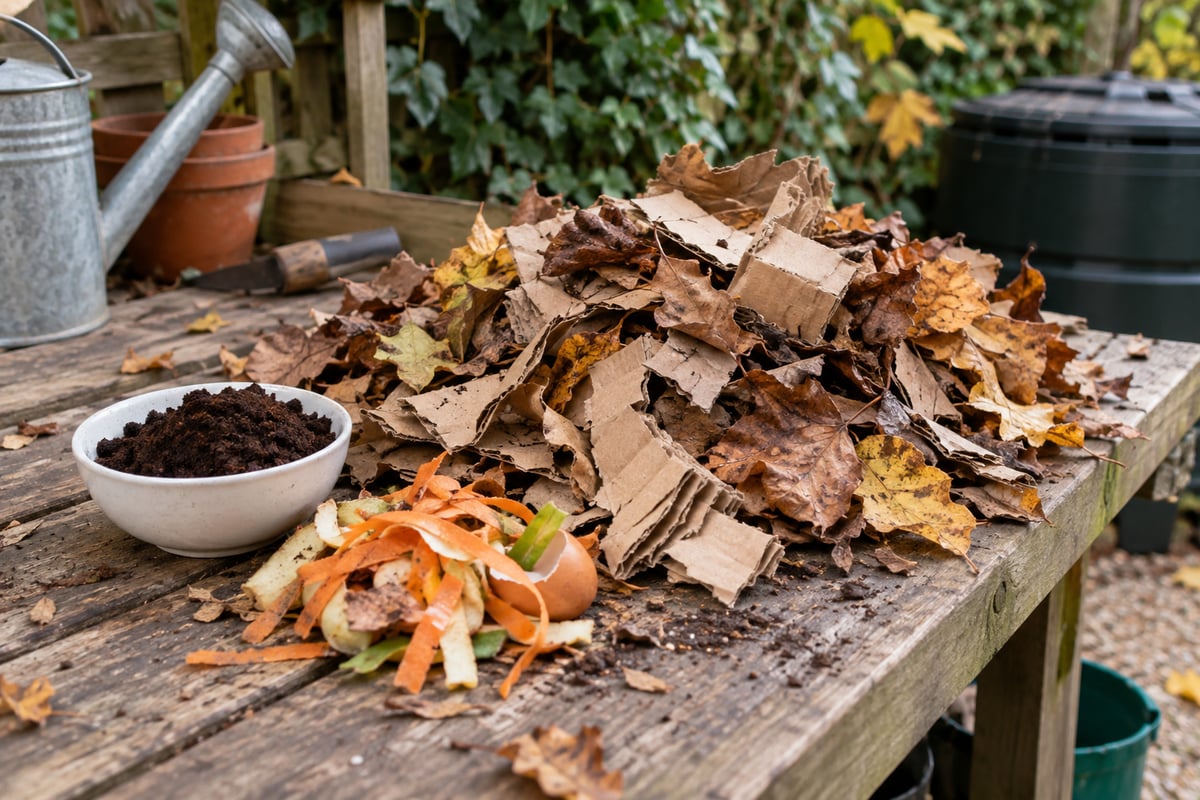
- Mix with dry leaves, torn plain cardboard or other brown material.
- Add other kitchen and garden waste so coffee remains a small part of the mix.
- If the heap becomes wet and compacted, add more dry material and turn it.
Paper coffee filters can go in too. Remove any plastic packaging or pods first. Aim for a moist heap, rather than one that drips when squeezed.
Use the compost when it is dark and crumbly, with an earthy smell. The time needed depends on the heap and season. Finished compost is useful for improving soil in raised beds and planters.
How to Use Coffee Grounds for Indoor Plants
For houseplants, stick with suitable potting compost and the plant's usual feed.
Sprinkling grounds into a small pot adds little benefit and can leave a damp surface layer. A homemade coffee tea also has no consistent nutrient strength, making feeding harder to judge.
When repotting, choose compost suited to the plant. Cacti and succulents need a free-draining mix; other houseplants have different requirements. Your used grounds can go into the garden compost bin instead.
Which Plants Like Coffee Grounds (And Which Do Not)
The useful question is which plants suit the finished compost, rather than which ones like coffee.
| Growing area | Useful approach |
|---|---|
| Roses and mixed borders | Use mature garden compost as a soil improver or mulch, keeping stems clear. |
| Vegetable beds | Add finished compost as part of normal bed preparation. |
| Blueberries, azaleas and camellias | Choose suitable acidic soil or ericaceous compost. Coffee is not a substitute. |
| Seedlings and houseplants | Use suitable sowing or potting compost. |
| Lavender, rosemary and succulents | Prioritise drainage and avoid rich, wet growing conditions. |
This keeps the decision simple. You can recycle grounds without giving every plant its own coffee treatment.
How to Apply Coffee Grounds to Your Lawn
Coffee grounds are better composted than scattered across the lawn.
If grass looks tired, first check mowing, drainage and watering. Use a suitable lawn feed when needed, following its application rate. Coffee does not replace aeration for compacted ground.
For a lawn with excess thatch, our guide to scarifying your lawn explains when that job is useful.
Coffee Grounds for Pest Control
Coffee grounds are not a dependable barrier against slugs or snails.
Research into caffeine solutions is different from spreading spent grounds or pouring leftover coffee around plants. A mug of coffee has no standard pesticide strength. The precise homemade recipes often quoted online do not follow from those experiments.
Check vulnerable plants after dark and remove slugs you find. Keep pots and trays tidy so hiding places are easier to inspect. Our related slug guide below covers other options.
If cats are disturbing a bed, physical protection around newly planted areas is more useful than relying on coffee scent. See our guide to keeping cats out of your garden.
Common Mistakes and How to Avoid Them
The main mistake is collecting more grounds than the heap can handle.
Start with your household's leftovers. If you collect from a cafe, take only what you can mix into your compost. Add the grounds promptly rather than stockpiling wet buckets for weeks.
Keep grounds in a lidded bin out of pets' reach because they contain caffeine.
Do greenhouse crops need coffee fertiliser?
There is no need to brew a separate coffee fertiliser for greenhouse crops.
Use suitable compost and feed tomatoes or peppers according to their growing stage. You will have a clearer idea of what the plants receive. In a small greenhouse, keeping feeding and watering simple makes daily care easier.
Using Coffee Grounds in Containers and Pots
Choose a potting mix suited to your plants, with clear drainage holes in each container.
Garden compost and potting compost have different jobs. Use your finished homemade compost where a planting method calls for it, rather than treating it as a universal potting mix. A potting shed gives you a convenient place to organise bags, pots and tools.
|
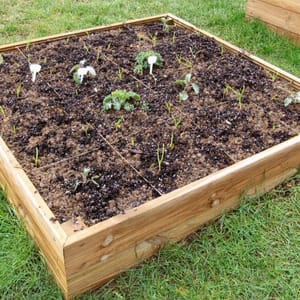
A raised bed for finished compostUseful for: A defined growing area for vegetables or flowers. Using it: Fill this wooden bed with suitable growing material, then use mature compost for soil improvement. Its pre-cut, pre-drilled boards make assembly straightforward. Price: £133 |
Seasonal Application Guide
You can add coffee grounds to the compost heap throughout the year.
In autumn, save dry leaves to mix with kitchen waste. Winter composting is slower, so keep batches modest. In spring, use mature compost when preparing beds. You do not need a monthly coffee-feeding calendar.
Coffee Ground Myths vs Reality
Used coffee grounds are useful compost material, not a cure-all for the garden.
They will not reliably acidify soil, replace a balanced feed or keep every pest away. Composting them with varied garden waste is the straightforward way to make them useful.
Frequently Asked Questions
Can I just sprinkle coffee grounds on plants?
Composting them first is the simplest approach. A thick layer of grounds can clump on the soil surface. Mix grounds with varied compost ingredients, then use the finished compost where suitable.
What plants do not like coffee grounds?
Seedlings and small pots are poor places for raw grounds. Use suitable sowing or potting compost instead. For established plants, choose soil improvements according to their growing needs.
Where should coffee grounds not be used in the garden?
Keep raw grounds out of seed trays and thick surface layers. Put them into a mixed compost heap instead. Store them where pets cannot reach them.
What pests do coffee grounds repel?
Coffee grounds are not a dependable garden pest treatment. Research on caffeine solutions does not establish a reliable recipe using household coffee. Choose a method suited to the pest you have identified.
How often can I use coffee grounds on my plants?
Add small batches to your compost heap as you produce them. Use the finished compost as part of ordinary soil care, rather than following a separate coffee-feeding schedule.
Do coffee grounds work for all types of soil?
Their main use is as an ingredient in mixed garden compost. Use finished compost according to your soil and plants. Coffee grounds alone do not correct poor drainage or unsuitable acidity.
How long do coffee grounds take to break down?
The time depends on the compost heap and the weather. Mix grounds with other ingredients and keep the heap moist and aerated. Use the compost when it is dark, crumbly and earthy-smelling.
Related Articles
- How to Make Your Own Compost
- The Ultimate Guide to Slug Control
- Soil Types: A Complete Guide to UK Garden Soils
- The Complete Guide to Creating Your Perfect Herb Garden
- Homemade Weed Killers: Natural Solutions That Actually Work
Need growing advice? Email our team at customerservice@greenhousestores.co.uk.