How to Grow Carrots: The Ultimate UK Guide (Raised Beds & Pots)
Carrots grow best in deep, stone-free soil with a pH of 6.0-6.8. Sow seeds 1cm deep in rows 15cm apart from February to July for harvests 10-16 weeks later. Short varieties like Chantenay and Paris Market suit raised beds and containers with a minimum depth of 20cm. Protect against carrot fly with fine mesh barriers at least 60cm high. Thin seedlings to 5cm spacing when the first true leaves appear.
UK carrots grow best in stone-free, sandy soil with a pH of 6.0 to 6.8. Sow early varieties from February under a cold frame. Maincrops go in from April to July for harvests June through December. A raised bed filled with screened topsoil and horticultural sand (70/30 mix) eliminates forking. Carrot fly barriers above 60cm stop 95% of damage without chemicals. We have grown carrots in raised beds at our test site since 2012. A single 4x4ft bed yields 8kg to 12kg of carrots per season.
Key Takeaways
- Carrots need stone-free, loose soil to grow straight. Heavy clay causes forking every time.
- Sow early varieties in February under glass, maincrops from April, and late types in July
- Carrot fly stays below 60cm. A barrier at that height is better than any chemical spray.
- Avoid fresh manure. It causes roots to fork. Use well-rotted compost from the previous year.
- Raised beds give you full control over soil quality, drainage, and depth
- A 4x4ft raised bed produces 8kg to 12kg of carrots per growing season
Expert Tip
We built a 4x4ft raised bed at our test site in 2012. We have grown carrots in it every year since. The first year in open ground, we got stubby, forked roots in every row. The raised bed changed everything. We filled it with screened topsoil and sharp sand, and every carrot came out straight. The soil warms up two weeks earlier than the ground around it. We now start sowing in late February and pull the last roots in November. If your garden has clay or stones, skip the digging and build upwards.
Soil Preparation: Why It Matters More Than Anything
Carrots are taproots. They push straight down through the soil. When the tip hits a stone, clay clod, or lump of fresh manure, the root splits or diverts. That is what causes forked carrots.
The ideal carrot soil is light, sandy loam with a pH of 6.0 to 6.8. Most UK garden soil does not meet this standard. Clay soils compact too easily. Stony soils deflect roots. Even good loam often contains enough debris to cause problems.
The Raised Bed Solution
A raised bed lets you control the growing medium completely. Fill it with a 70/30 mix of screened topsoil and horticultural sand. This gives you stone-free depth, good drainage, and a loose texture that carrots love.
The Access 6x4 Raised Wooden Bed Kit (£158) provides the depth and area needed for long-rooted varieties like Autumn King. The timber frame warms up faster than ground soil in spring. That means earlier germination and a longer growing window.
For aluminium beds that last 25 years or more, the Elite Roots and Shoots range starts from £110. We have fitted hundreds of these across the UK. The powder-coated aluminium does not rot, warp, or need annual treatment.
When to Sow Carrots in the UK
Carrot seeds germinate when soil temperature reaches 7 degrees Celsius. The ideal range is 10 to 20 degrees. Sowing times depend on the variety and your harvest goals.
| Month | Carrot Type | Method | Harvest |
|---|---|---|---|
| February–March | Early (Nantes types) | Under cloche, cold frame, or greenhouse | June |
| April–May | Second early | Direct outdoors or raised beds | July–August |
| May–June | Maincrop | Direct outdoors | September–October |
| July | Late (Autumn King) | Direct outdoors for winter storage | October–December |
| October–November | Overwintering | Greenhouse or cold frame | April (next year) |
Getting an Early Start with a Cold Frame
To harvest carrots in June, you need to pre-warm the soil. Place a cold frame over the bed two to three weeks before sowing. The glass traps solar heat and raises soil temperature by 3 to 5 degrees.
The Access 8x4 Large Coldframe (£648) covers a full bed. The sliding glass panels let you control ventilation as seedlings emerge. Once established, prop the lid open on warm days to harden off the plants.
How to Sow Carrot Seeds: Step by Step
Carrot seeds are tiny. Sowing too thickly causes overcrowding and forces you to thin later, which attracts carrot fly.
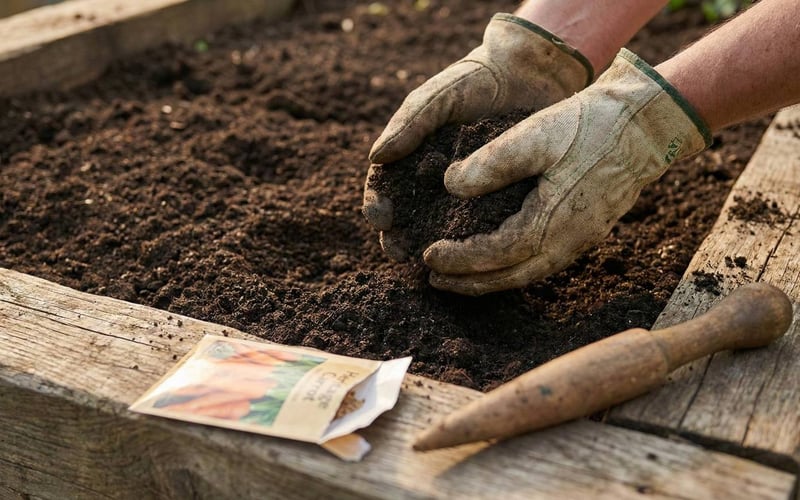
- Make a drill. Use a bamboo cane to press a shallow groove 1cm deep into the soil.
- Water the drill first. Soak the groove before sowing so seeds stick in place.
- Sow thinly. Drop one seed every 2 to 3cm. Mix seeds with dry sand to spread them evenly.
- Cover lightly. Brush fine soil or vermiculite over the seeds. Do not compact it.
- Label the row. Mark the variety and sowing date.
Space rows 15 to 20cm apart. For raised beds, you can reduce this to 10cm between rows because the loose soil allows closer planting.
Beating the Carrot Fly
The carrot root fly (Psila rosae) is the biggest pest for UK carrot growers. The larvae tunnel into roots, leaving black channels that cause rot. The good news: carrot fly is preventable without chemicals.
How Carrot Fly Finds Your Crop
The female fly tracks carrots by scent. Bruising the foliage during thinning or weeding releases the scent. The fly stays low. It rarely rises above 60cm off the ground.
The 60cm Barrier Method
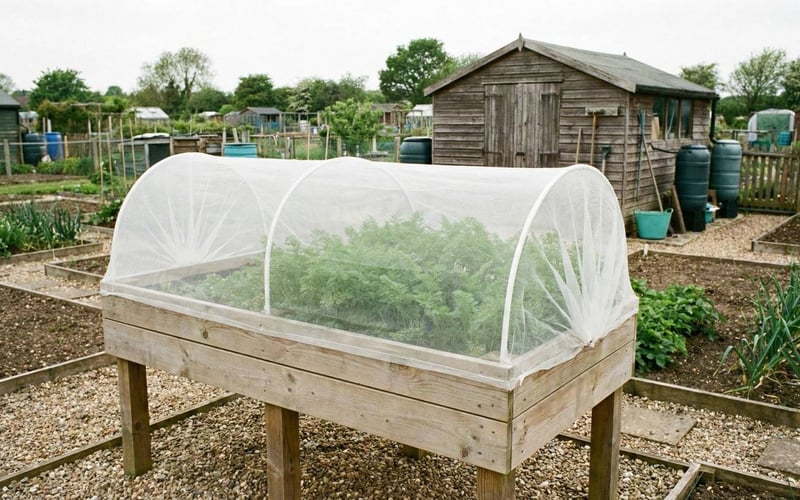
Grow your carrots in a raised bed or container with sides above 60cm. This puts the crop above the fly zone. For shorter beds, surround them with fine insect mesh (Enviromesh) at least 60cm tall. Our customers who use this method report almost zero carrot fly damage.
Companion Planting
Strong-smelling plants mask the carrot scent from the fly.
- Onions, leeks, and garlic — the classic combination. Allium scent masks carrot scent, and carrots repel onion fly in return.
- Rosemary, sage, and chives — aromatic herbs planted along the bed edges confuse the fly. See our herb garden guide for interplanting layouts.
Best Carrot Varieties for UK Gardens
| Variety | Type | Root Length | Best For |
|---|---|---|---|
| Amsterdam Forcing | Early | 10–12cm | Fast crops, sweet flavour, early sowing |
| Early Nantes | Early | 15–18cm | Blunt ends, great flavour, reliable |
| Autumn King | Maincrop | 20–25cm | Heavy cropper, stores for months |
| Berlicum | Maincrop | 18–22cm | Reliable mid-season, good all-rounder |
| Chantenay | Short root | 10–14cm | Heavy soil, shallow containers, clay gardens |
| Paris Market | Round | 3–5cm | Pots, window boxes, children's gardens |
For raised beds with deep, loose soil, grow Autumn King or Nantes for the biggest yields. For containers and heavy ground, stick with Chantenay or Paris Market. These short varieties tolerate more resistance without forking.
Care and Maintenance
Watering
Inconsistent watering causes split roots. If the soil dries out and is then flooded, the carrot expands too fast and cracks. Aim for even moisture throughout the growing season. In raised beds, soil drains faster than open ground, so check daily in summer.
Thinning
If you sowed too thickly, thin seedlings to 5 to 7cm apart. Always thin in the evening when carrot fly is least active. Water the soil first to make pulling easier. Bury or compost the pulled foliage immediately to hide the scent.
Weeding
Carrots do not compete well with weeds. Hand-weed carefully to avoid disturbing the roots. A 2cm mulch of fine compost between rows suppresses weeds and retains moisture.
Growing Carrots in a Greenhouse
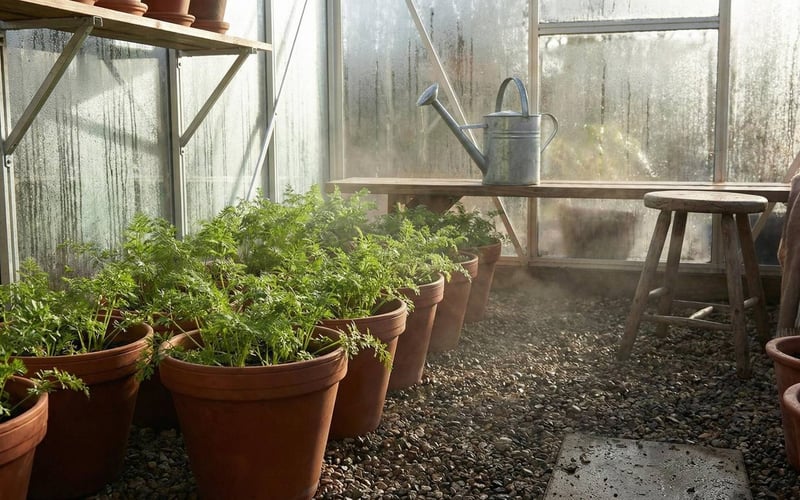
A greenhouse extends the carrot season at both ends. Sow early varieties in greenhouse borders or deep pots from January. The soil reaches germination temperature weeks before open ground. Harvest these by late May, then replant the space with greenhouse tomatoes for the summer.
For winter cropping, sow in October in deep pots inside the greenhouse. Carrots tolerate light frost. A layer of horticultural fleece on the coldest nights keeps them growing. You will harvest fresh roots in March and April when shop prices are highest.
Rotate your greenhouse crops each year. Never grow carrots in the same spot two years running. Follow carrots with a heavy feeder like tomatoes or peppers. Our potato growing guide explains how a potato crop breaks up the soil. That leaves ideal conditions for carrots to follow.
Matt's Tip: Sow Little and Often
The mistake I see every year is people sowing an entire packet of carrot seeds in one go. You end up with 200 carrots ready on the same week and half of them go to waste. Sow a 1-metre row every three weeks from March to July instead. That gives you fresh carrots from June right through to December. I keep a calendar on the greenhouse door. Every third Sunday, I sow another short row. It takes five minutes and the difference in the kitchen is enormous.
Harvesting and Storage
When to Harvest
Start pulling early varieties 12 weeks after sowing. Maincrops take 14 to 16 weeks. Brush soil away from the shoulder of the root. If it is 2cm or wider, it is ready. Younger carrots are sweeter. Do not wait for maximum size.
Long-Term Storage
Maincrop carrots store for four to six months if handled correctly.
- Twist off the foliage. Do not cut it. Twisting prevents the root from bleeding moisture.
- Dry for a few hours. Leave them on the soil surface. Do not wash them.
- Layer in damp sand. Place them in a wooden box with layers of damp sand. Ensure roots do not touch each other. Store in a cool, dark, frost-free shed at 1 to 5 degrees Celsius.
Troubleshooting Common Problems
| Symptom | Cause | Fix |
|---|---|---|
| Forked roots | Stones or fresh manure | Use a raised bed with screened topsoil. No fresh manure. |
| Green shoulders | Root exposed to light | Earth up around stems as they grow. |
| Black tunnels | Carrot root fly larvae | Barriers above 60cm or fine insect mesh. |
| Split roots | Irregular watering | Water consistently. Mulch to retain moisture. |
| Short, fat roots | Compacted or heavy soil | Switch to Chantenay variety or grow in loose compost. |
| Pale leaves | Low nutrients | Apply organic fertiliser. Avoid high nitrogen. |
Matt's Pick for Carrot Growing
|
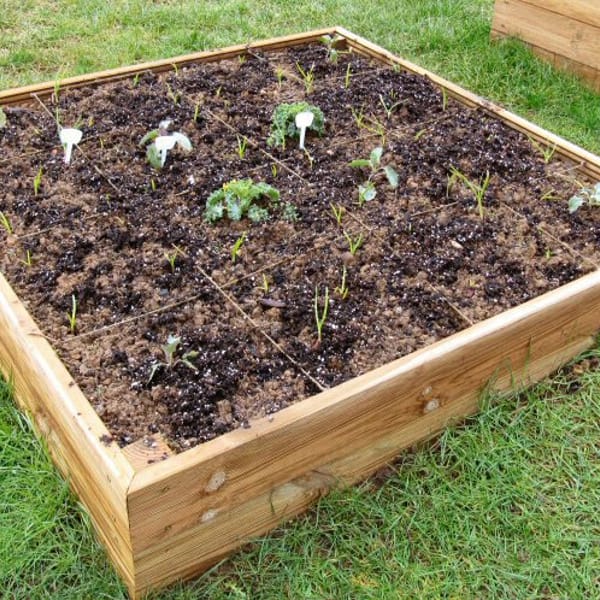
Access 4x4 Raised Wooden Bed Kit Best For: Stone-free carrot growing in any garden soil Why I Recommend It: This is the bed we use at our test site. Fill it with screened topsoil and sand, and every carrot comes out straight. The 4x4ft size yields 8kg to 12kg of carrots per season. The timber warms faster than ground soil, giving you a two-week head start in spring. Price: £133 |
What is the best month to plant carrots in the UK?
April and May are the best months for maincrop carrots. Sow early varieties from February under a cold frame for June harvests. Late varieties sown in July give an autumn crop for winter storage. Overwintering varieties go in during October inside a greenhouse or cold frame for spring pulling.
Do carrots need full sun?
Carrots grow best in full sun with six or more hours of direct light. They tolerate light shade but grow slower and produce smaller roots. Avoid planting next to tall crops like beans or sweetcorn that cast heavy shade over the row.
How long do carrots take to grow?
Early varieties are ready in 12 weeks, maincrops in 14 to 16 weeks. Amsterdam Forcing is the fastest at 10 to 12 weeks. Autumn King is the slowest at 16 to 18 weeks but produces the largest roots for storage. Check readiness by brushing soil from the shoulder. A 2cm diameter means it is ready to pull.
Why are my carrots forking?
Forking is caused by stones, clay lumps, or fresh manure in the soil. The growing tip hits an obstruction and splits. The fix is stone-free soil in a raised bed. Fill it with screened topsoil and horticultural sand (70/30 mix). Never add fresh manure to a carrot bed. Use well-rotted compost from the previous year.
Can you grow carrots in pots?
Yes, carrots grow well in pots at least 30cm deep. Use a peat-free compost mixed with 20% horticultural sand. Choose short-rooted varieties like Chantenay or round Paris Market for shallower containers. Ensure good drainage holes. Water daily in summer as pots dry out faster than beds. A single 30cm pot holds six to eight carrots.
Frequently asked questions
How long do carrots take to grow in the UK?
Most carrot varieties take 12 to 16 weeks from sowing to harvest. Early Nantes types like Nantes 2 are ready in 10-12 weeks. Maincrop varieties like Autumn King need 14-16 weeks. Sow from March to July for harvests from June to November.
Can you grow carrots in pots?
Yes, carrots grow well in pots at least 30cm deep. Use a 50/50 mix of multipurpose compost and sharp sand. Short-rooted varieties like Chantenay Red Cored and Paris Market suit containers best. Water daily in summer as pots dry faster than beds.
Why are my carrots forked?
Carrots fork when roots hit stones, lumps or fresh manure. Sieve the top 30cm of soil before sowing and only use well-rotted compost added the previous autumn. Stony or clay soils cause forking more than sandy soils.
How do you stop carrot fly?
Cover rows with fine mesh or fleece from sowing to harvest. Carrot fly detects the scent from 1.5km away. A 60cm barrier around beds blocks the low-flying adults. Companion planting with spring onions helps mask the carrot scent.
What month do you plant carrots in the UK?
Sow carrots outdoors from March to July in the UK. Early sowings under cloches can start in late February. Succession sow every 3 weeks for continuous harvests. Autumn King sown in June provides carrots right through to December.
Related Articles
- Overwintering Plants: UK Frost Protection Guide
- How to Make Your Own Compost
- Seed Sowing Month by Month UK Guide
- What to Grow in a Greenhouse: Beginners Guide
- Growing Vegetables Year Round in the UK
Need help choosing a raised bed or cold frame for carrot growing? Email us at info@greenhousestores.co.uk and we will recommend the best setup for your garden.