Summerhouse Buying Guide
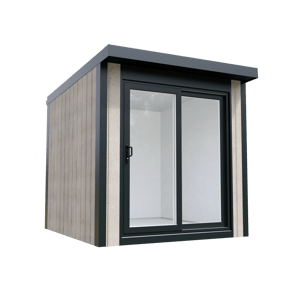
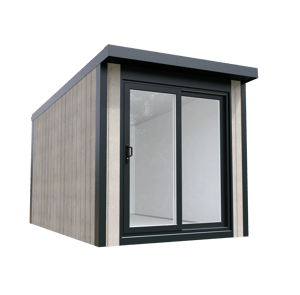
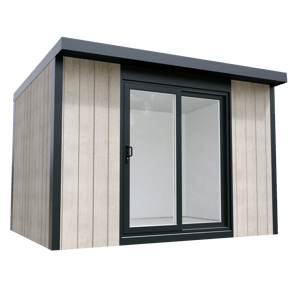
A timber summerhouse in the UK costs £2,399 to £6,299 for a Palmako log cabin, £9,799 to £11,500 for an insulated Calmpod garden building, and £18,250 upwards for a premium Lichfield Crown garden room. Most summerhouses fall under permitted development and need no planning permission if they stay under 30m² floor area, below 2.5m at the eaves, and behind the principal elevation of the house.
A timber summerhouse in the UK costs £2,399 to £6,299 for a Palmako log cabin, £9,799 to £11,500 for an insulated Calmpod garden building, and £18,250 upwards for a premium Lichfield Crown garden room. Most summerhouses fall under permitted development and need no planning permission if they stay under 30m² floor area, below 2.5m at the eaves, and behind the principal elevation of the house. This guide covers sizes, cladding types, base options, insulation, and planning rules based on 12 years of selling and delivering garden buildings across the UK.
Key Takeaways
- Palmako log cabins from £2,399 are our most popular summerhouse range, with 28mm interlocking walls and sizes from 3x2.4m to 5.7x4.2m
- No planning permission for buildings under 30m² that sit behind the house and stay below 2.5m eaves height
- 28mm walls suit seasonal use. For year-round home offices, choose 44mm logs or a fully insulated Calmpod from £9,799
- Concrete or paving slab bases cost £200-£2,000 and must be perfectly level before delivery
- Treat timber annually with a microporous wood stain (£30-£80 DIY) to protect against UK rain and UV
- South-facing positions get maximum daylight. Leave at least 900mm clearance on all sides for maintenance access
Installer's Note
We have sold and delivered garden buildings for 12 years. The single most common mistake buyers make is underestimating the base. A summerhouse sitting on uneven ground will twist within the first winter, doors jam, and panels crack. Get the base right first. The second mistake is buying too small. Once you put furniture inside, a 6x4 feels like a cupboard. If your garden allows it, go one size up from your first instinct. You will not regret it.
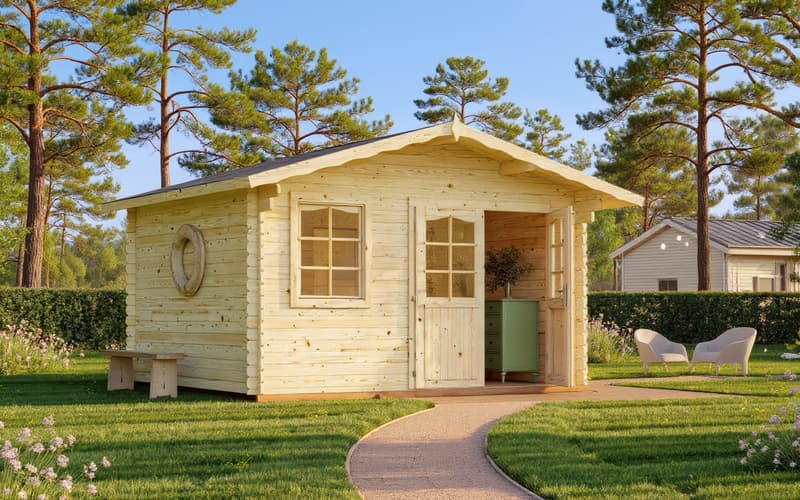
View the Palmako Emma 3.6x3m Log Cabin — £3,350 →
How much does a summerhouse cost in the UK?
A standard timber log cabin summerhouse costs £2,399 to £6,299. Insulated garden buildings designed for year-round use start at £9,799. Premium garden rooms with cedar cladding and full insulation range from £18,250 to £29,000. These are supply-only prices. Budget an additional £500-£2,000 for a concrete or slab base, and £500-£3,000 for a qualified electrician if you want power.
| Type | Price Range | Wall Thickness | Best For |
|---|---|---|---|
| Palmako log cabins | £2,399-£6,299 | 28mm interlocking | Seasonal summerhouse, entertaining, studio |
| Power log cabins | £5,259-£8,659 | 44mm interlocking | Home office, year-round hobby room |
| Calmpod insulated | £9,799-£11,500 | Multi-layer insulated | Year-round office, gym, treatment room |
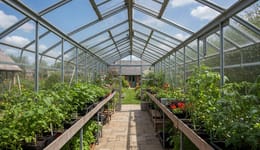
| Palram Canopia garden rooms | £3,940-£5,999 | Polycarbonate panels | Garden room with greenhouse feel |
| Lichfield Crown premium | £18,250-£29,000 | Fully insulated panels | Luxury garden room, sauna, outdoor kitchen |
The ongoing cost is modest. Annual timber treatment runs £30-£80 if you do it yourself. Insulated models like the Calmpod need no timber treatment at all. For a full comparison between insulated and uninsulated options, our garden rooms buying guide breaks down the long-term value.
What size summerhouse do I need?
The most popular summerhouse size in the UK is 3x3m (roughly 10x10ft), giving 9m² of usable floor space. That fits a sofa, two armchairs, and a coffee table comfortably. For a home office with a desk and storage, 3x2.4m (7.2m²) is the minimum. For entertaining 6-8 people, go for 3.6x3m or larger.
| Size | Floor Area | Best For | Example Model | Price |
|---|---|---|---|---|
| 3x2.4m | 7.2m² | Small office, reading room | Palmako Vivian | £2,499 |
| 3x3m | 9m² | Lounge, yoga studio | Palmako Hanna Corner | £3,399 |
| 3.6x3m | 10.8m² | Entertaining, family room | Palmako Emma | £3,350 |
| 4x3m | 12m² | Large office, art studio | Palmako Lisa | £3,870 |
| 4.5x4m | 18m² | Multi-use, gym, workshop | Palmako Lea Pent | £5,150 |
| 5.1x3.9m | 19.9m² | Large entertaining space | Palmako Iris | £5,895 |
Measure your garden first and mark the footprint with pegs and string. Stand inside the marked area with your furniture drawn on paper to check scale. Remember to add at least 900mm clearance on every side for maintenance, painting, and air circulation. Our guide on building a concrete base covers how to size and prepare the foundation.
Do I need planning permission for a summerhouse?
Most summerhouses do not need planning permission under permitted development rules in England and Wales. Your building is permitted development if it meets all of the following conditions:
- Total floor area under 30m²
- Maximum eaves height 2.5m
- Maximum overall height 4m for apex roofs, 3m for pent roofs (if more than 2m from the boundary)
- Within 2m of a boundary, maximum overall height drops to 2.5m
- Positioned behind the principal elevation of the house (not in front)
- All outbuildings combined cover no more than 50% of the garden area
- Used for purposes incidental to the dwelling only (no sleeping accommodation)
These rules do not apply to listed buildings, conservation areas, National Parks, or AONBs. In those cases, apply to your local planning authority before ordering. Scotland and Northern Ireland have different rules. For more detail on outbuilding planning rules, our planning permission guide covers the same permitted development thresholds.
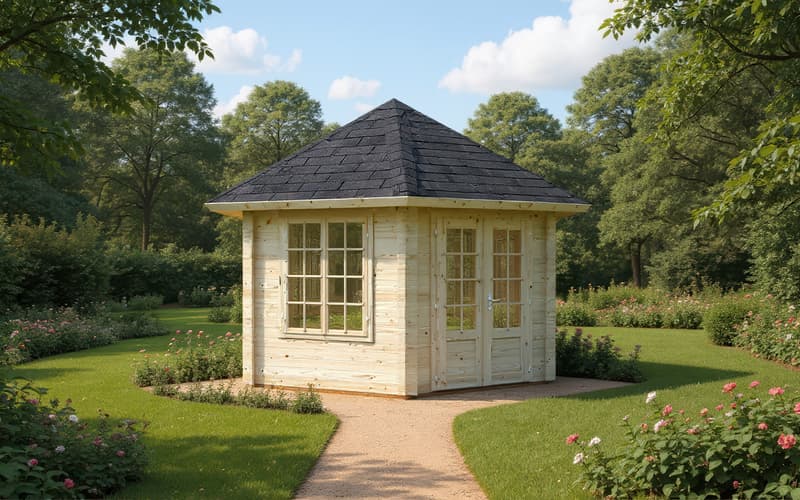
View the Palmako Hanna 3x3m Corner Log Cabin — £3,399 →
Apex, pent, corner, or octagonal: which roof style?
Apex roofs give the most headroom and suit traditional garden settings. Pent roofs are lower profile and ideal for positioning against a fence or boundary. Corner cabins tuck into dead space. Octagonal designs create a striking centrepiece.
| Roof Style | Pros | Cons | Best For | Example |
|---|---|---|---|---|
| Apex (A-frame) | Maximum headroom, good rain runoff, classic look | Tallest profile, may need to be 2m+ from boundary | Traditional gardens, tall users | Palmako Emma |
| Pent (single slope) | Lower profile, fits against fences, modern look | Less headroom at the back | Boundary positions, modern gardens | Palmako Lea |
| Corner (pentagonal) | Uses dead corner space, 270-degree views | Smaller floor area per footprint | Small gardens, L-shaped plots | Palmako Hanna |
| Octagonal | Statement piece, panoramic views, unique shape | Harder to furnish, more expensive | Centre of large gardens, entertaining | Palmako Veronica |
Matt's Tip: Corner Cabins for Small Gardens
If your garden is under 100m², a corner cabin like the Palmako Hanna is the smartest use of space. It slots into a corner that is usually wasted, leaves the main lawn open, and the angled windows give you a panoramic view across the whole garden. I have seen customers gain a genuine entertaining room in a space they thought was too small for any building at all.
What cladding should I choose?
Interlocking log construction is the standard for all Palmako cabins, using 28mm or 44mm solid timber walls. This is different from the panel-built shiplap and tongue-and-groove used in budget sheds. Interlocking logs slot together tightly to form a solid wall that is structurally stronger and more weather-resistant than panel construction.
| Construction | Wall Thickness | Insulation Value | Best For | Annual Treatment |
|---|---|---|---|---|
| 28mm interlocking log | 28mm | Moderate | Spring-to-autumn use | Yes — wood stain every 12-18 months |
| 44mm interlocking log | 44mm | Good | Three-season or year-round with heating | Yes — wood stain every 12-18 months |
| Insulated composite (Calmpod) | Multi-layer | Excellent | Year-round daily use, home office | No — maintenance-free cladding |
| Premium timber (Lichfield) | Multi-layer | Excellent | Luxury year-round garden room | Minimal — cedar weathers naturally |
For most buyers choosing between seasonal and year-round use: 28mm walls suit a classic summerhouse used from April to October. If you plan to work from the building through winter, move up to 44mm or choose an insulated model. The difference in comfort during a February morning is substantial.
Which base does a summerhouse need?
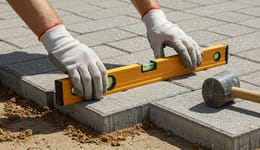
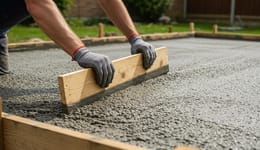
A concrete pad or paving slab base is essential for any log cabin over 3x3m. The base must be perfectly level. Even a 10mm slope across a 3m span will cause doors to jam and walls to gap within the first season. Here are the common options:
| Base Type | Cost | DIY? | Best For |
|---|---|---|---|
| Concrete pad | £500-£2,000 | Yes (hard work) | Large or heavy buildings, permanent installations |
| Paving slabs on sand | £200-£800 | Yes | Most popular DIY option, medium buildings |
| Timber bearers | £100-£400 | Yes | Small cabins, raised for airflow |
| Ground screws | £400-£1,200 | Professional only | Sloping ground, no concrete cure time |
Whichever base you choose, make it 50-100mm larger than the building footprint on each side. Use a damp-proof membrane between the base and the building to stop moisture wicking upward. Our step-by-step paving slab base guide walks through the process in detail.
Summerhouse vs garden room: which do I need?
A summerhouse is a timber building for seasonal use. A garden room is a fully insulated, year-round structure. The price difference reflects the construction quality.
| Feature | Summerhouse (Log Cabin) | Garden Room (Insulated) |
|---|---|---|
| Typical price | £2,399-£6,299 | £9,799-£29,000 |
| Wall construction | 28-44mm solid timber | Multi-layer with insulation |
| Usable months | April to October | All year |
| Heating needed? | Not usually | Small heater in winter |
| Annual maintenance | Wood stain every 12-18 months | None to minimal |
| Lifespan | 15-25 years with care | 25-40 years |
| Planning permission | Usually not needed | Usually not needed |
If you want a relaxation space for warm weather entertaining and do not plan to heat it through winter, a Palmako log cabin is the right choice. If you need a daily home office, gym, or treatment room that works in January as well as July, look at our best garden rooms guide for insulated options.
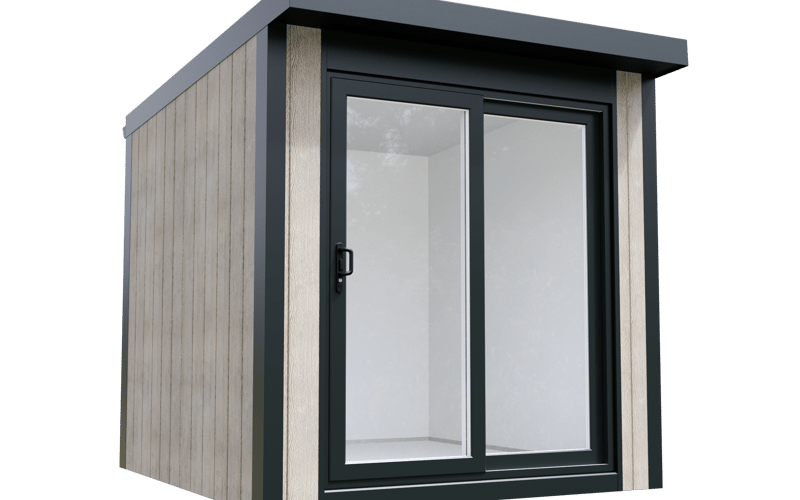
View the Calmpod 8x8 Insulated Garden Building — £9,799 →
Where should I position a summerhouse?
South-facing positions get the most natural light and warmth, making them ideal for year-round use. North-facing gives consistent, glare-free light for artists and screen-based work. East-facing catches morning sun. West-facing is perfect for evening entertaining.
Keep the building at least 900mm from fences and walls on every side. You need access to treat the timber and clear debris from the drip line. If positioning within 2m of a boundary, the maximum permitted height drops to 2.5m. This rules out most apex-roof cabins that close to a boundary, so consider a pent-roof model instead.
Avoid low-lying areas where water collects after rain. Check for overhanging branches that will drop leaves onto the roof and hold moisture. A clear, level area with good drainage and a view you enjoy from inside is the ideal spot.
How to maintain a timber summerhouse
Treat the exterior with a microporous wood stain every 12-18 months. Microporous stains let the timber breathe while repelling water. Standard paint or varnish seals moisture inside and causes rot. Apply on a dry day when the temperature is above 10°C.
- Spring: Inspect for winter damage. Check roof felt, hinges, and locks. Re-stain if the previous coat has worn thin.
- Summer: Clear gutters. Check windows open and close freely.
- Autumn: Clear leaves from the roof and gutters. Check the base for standing water. Apply fresh wood stain if due.
- Winter: Keep the door closed. Remove snow from the roof if it builds up heavily. Avoid using the building in sub-zero temperatures if it is not insulated.
For more on protecting outdoor timber structures through harsh weather, our bad weather protection guide covers securing against storms and frost.

|
Matt's Pick: Best All-Round SummerhouseBest For: Medium to large gardens wanting a genuine entertaining and relaxation space Why I Recommend It: The Palmako Lisa 4x3m is the sweet spot in our log cabin range. At 12m², it fits a sofa, armchairs, and a small dining table without feeling cramped. The 28mm interlocking walls are solid enough for three-season use, and the double doors with full-length windows flood the interior with light. It is the model I suggest most often when customers ask "which one should I get?" Price: £3,870 |
Frequently asked questions
How much does a summerhouse cost in the UK?
A timber log cabin summerhouse costs £2,399 to £6,299. Insulated garden buildings for year-round use start at £9,799. Budget an additional £500-£2,000 for a base and £500-£3,000 for electrics. Annual timber treatment costs £30-£80 if you do it yourself. The total first-year cost for a mid-range Palmako log cabin with a slab base and basic electrics is typically £4,500-£8,000.
Do I need planning permission for a summerhouse UK?
No, if the floor area is under 30m² and it meets permitted development rules. The building must sit behind the principal elevation of your house, stay below 2.5m at the eaves, and all outbuildings combined must cover no more than 50% of the garden. Within 2m of a boundary, the maximum overall height is 2.5m. Listed buildings and conservation areas require a planning application regardless of size.
What is the best base for a summerhouse?
A concrete pad or paving slab base is best for most log cabin summerhouses. The base must be perfectly level. Paving slabs on a compacted sand bed cost £200-£800 and most DIY builders can complete the job in a weekend. Concrete pads cost £500-£2,000 but are the strongest option for buildings over 4x3m. Make the base 50-100mm larger than the building footprint on each side.
How long does a summerhouse last?
A well-maintained timber summerhouse lasts 15 to 25 years. Insulated garden rooms last 25 to 40 years. Lifespan depends entirely on maintenance. Treat the timber every 12-18 months with microporous wood stain, keep the roof felt in good condition, and ensure the base drains properly. The most common cause of premature failure is moisture trapped against untreated timber.
What is the difference between a summerhouse and a garden room?
A summerhouse is a single-skin timber building for seasonal use. A garden room is fully insulated for year-round comfort. Summerhouses use 28-44mm solid timber walls. Garden rooms have multi-layer walls with insulation, typically 100-150mm thick. Summerhouses cost £2,399-£6,299. Garden rooms cost £9,799-£29,000. Choose a summerhouse for warm-weather relaxation and a garden room for daily year-round use.
Can I use a summerhouse as a home office?
Yes, from spring to autumn in an uninsulated cabin, or year-round in an insulated model. A 28mm log cabin is comfortable for screen work from April to October without heating. For winter use, choose a 44mm cabin with a small electric heater, or an insulated garden building like the Calmpod. You will need a qualified electrician to run power for lighting, sockets, and broadband equipment.
What size summerhouse can I build without planning permission?
Up to 30m² internal floor area under permitted development in England and Wales. That allows buildings up to roughly 5.5x5.5m. The 30m² limit is the total for all outbuildings on the property, so subtract any existing sheds or workshops. If your combined outbuildings already exceed 50% of the garden area, you will need a planning application for any new structure.
Related articles
- Garden Rooms UK: The Ultimate Buyers Guide
- Best Garden Rooms 2025
- How to Choose a Garden Shed
- How to Build a Concrete Shed Base: Complete DIY Guide
- Planning Permission UK: Do You Need It?