What to Grow in Greenhouse August UK
Vegetables, Herbs and Winter Sowing Guide
Your practical guide to maximising August in your UK greenhouse - from winter crop preparation to managing summer abundance
Key Takeaways
- August is transition month - last chance for summer sowings, prime time for winter crop establishment
- Focus on winter harvests - sow hardy vegetables now for fresh produce through cold months
- Heat management is crucial - proper ventilation and shading prevent seed failure
- Plan for continuous harvests - succession planting ensures year-round greenhouse productivity
- Prepare infrastructure - check heating systems and clean glazing for autumn success
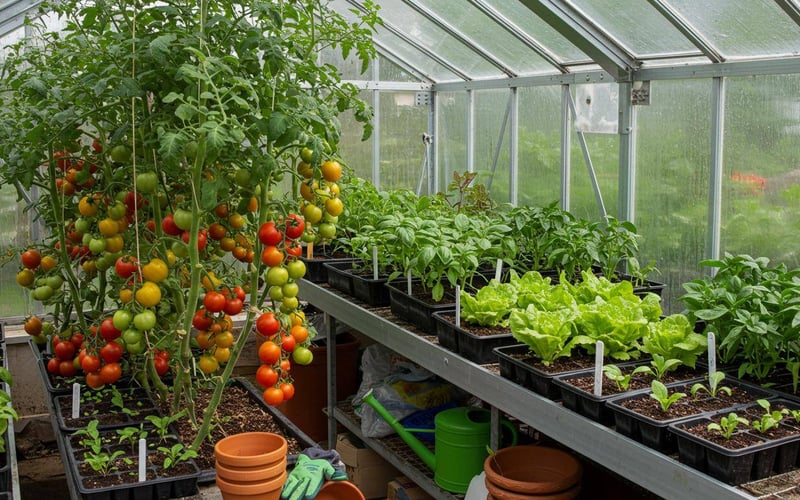
August is the most important sowing month for UK greenhouse growers. Soil temperatures of 16-22C are ideal for germinating winter lettuce, perpetual spinach, pak choi and rocket that will crop from October through March. You still have 13-14 hours of daylight for establishment, and your greenhouse gives a six-week head start over outdoor sowings. Sow winter crops now while managing heat stress on existing tomatoes, peppers and cucumbers to extend summer harvests into October.
Matt's Tip: Don't Waste the First Two Weeks
Every year I see growers leave August sowing until the bank holiday weekend, then wonder why their winter lettuce never establishes properly. The first two weeks of August are your golden window - soil is warm enough for fast germination but you've still got enough daylight hours for seedlings to put on real growth before autumn. I sow my Arctic King lettuce and perpetual spinach in the first week without fail. Wait until September and germination rates drop off a cliff.
August in your UK greenhouse isn't just about harvesting summer crops - it's your secret weapon for year-round growing success. While outdoor gardeners are starting to wind down, smart greenhouse growers know August is actually one of the most important months for establishing crops that'll keep producing through autumn and winter.
This is your last realistic chance to sow many summer crops for late harvests, while simultaneously being the perfect time to establish all those hardy winter vegetables that'll give you fresh salads when outdoor gardens are bare. But here's the thing - August greenhouse growing requires a completely different approach than outdoor gardening.
Your greenhouse can be both blessing and curse during August. Yes, it protects your plants and extends growing seasons, but it can also become a furnace that kills seedlings if you don't manage it properly. Get it right though, and you'll be harvesting fresh vegetables while your neighbours are buying expensive supermarket produce through winter.
I'll show you exactly what to sow now for continuous harvests, how to manage the heat that can kill your efforts, and the specific techniques that work in UK greenhouse conditions during our unpredictable late summer weather.
August Greenhouse Overview: Two Growing Seasons in One Month
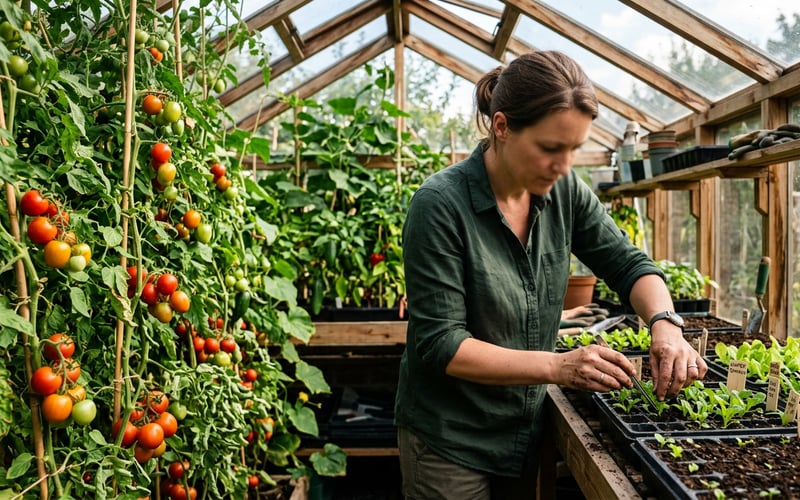
August sits right at the crossroads of your greenhouse year. You're squeezing the last productivity from heat-loving summer crops while simultaneously establishing the foundation for autumn and winter harvests. This dual focus makes August uniquely challenging but incredibly rewarding for UK greenhouse gardeners.
Why August is Critical for UK Greenhouse Gardeners
The Six-Week Advantage
Your greenhouse gives you roughly six weeks advantage over outdoor growing - crops you sow in August will establish and start producing before outdoor conditions become too harsh. This timing difference is what separates successful year-round growers from those who shut down for winter.
Temperature Sweet Spot
August soil temperatures (16-22C) are perfect for germinating hardy crops that need warmth to establish but will tolerate cold once mature. Wait until September and soil temperatures drop too low for reliable germination.
Light Levels Still Adequate
While days are shortening, August still provides 13-14 hours of daylight - enough for most crops to establish strong root systems before the really short days of winter kick in.
August Growing Conditions
| Aspect | Early August | Late August | Key Actions |
|---|---|---|---|
| Temperature | 25-30C peak | 20-25C average | Install shading, increase ventilation |
| Daylight | 14+ hours | 13+ hours | Position for maximum light |
| Humidity | High (watch pests) | Moderate | Monitor and control |
| Soil Temperature | 18-22C ideal | 16-20C | Perfect for germination |
| Heat Stress Risk | Very High | Moderate | Essential management period |
Key August Priorities
Maximise Remaining Summer Production
Don't neglect your established tomatoes, peppers, and cucumbers. August care determines whether they produce until October or peter out in September. Regular feeding, adequate water, and pest management keep them productive.
Establish Winter Crop Foundation
Hardy vegetables sown now will provide fresh harvests when shop prices soar and quality drops. Think of August sowings as your winter insurance policy against expensive, tasteless supermarket vegetables.
Prepare Infrastructure for Transition
Check heating systems now before you need them. Clean glazing for maximum winter light transmission. Service automatic systems that'll become critical as weather becomes more variable.
Manage Heat Stress Prevention
August heat can kill sowings faster than you can replace them. Proper ventilation, shading, and timing prevent costly failures when you're trying to establish important winter crops.
What to Sow in August for Winter Harvests
August sowing in your UK greenhouse focuses on hardy crops that'll establish quickly in warm conditions but continue growing as temperatures drop. These varieties are specifically chosen for their ability to handle the transition from summer heat to winter cold.
Leafy Greens for Continuous Harvests
Winter Lettuce Varieties That Actually Work
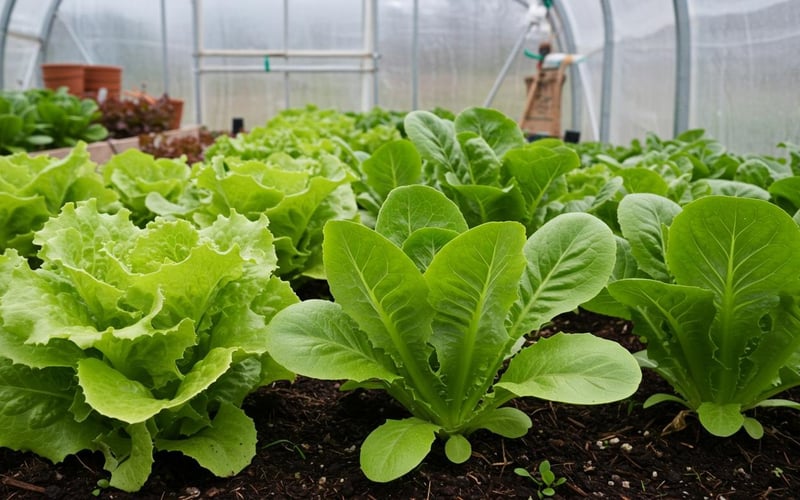
Winter lettuce in UK greenhouse conditions can provide fresh salads from October through March if you choose the right varieties and sow at the correct time.
'Arctic King' remains the gold standard for UK greenhouse winter lettuce. This butterhead variety handles temperatures down to -10C and forms decent hearts even in low light. Sow in early August for October harvests that continue through winter.
'Winter Density' offers a more compact alternative that works brilliantly in smaller greenhouses. The tightly packed leaves resist cold damage and the compact habit means you can fit more plants in limited space.
'All Year Round' lives up to its name in greenhouse conditions. While outdoor sowings might struggle, greenhouse plants provide reliable harvests regardless of weather. Less cold-hardy than Arctic King but more productive in autumn. For additional variety recommendations, check the RHS growing guides for plant information.
Sowing Technique for Winter Lettuce:
Sow in modules rather than direct seeding. August heat can prevent germination if seeds are sown directly into warm greenhouse soil. Use modules kept in the coolest part of your greenhouse, and transplant once temperatures drop in early September.
Spinach for Year-Round Production
Spinach sown in August provides harvests through the hungry gap when little else is available. Choose perpetual spinach varieties that keep producing leaves even after hard frosts.
'Perpetual Spinach' (actually a chard) produces tender leaves continuously once established. More heat-tolerant during establishment than true spinach, making it perfect for August sowings. Harvest outer leaves and the centre keeps producing.
'Giant Winter' spinach forms larger leaves than summer varieties and handles cold exceptionally well. Takes longer to establish but provides bigger harvests through winter months.
'Space' spinach offers a compact option for smaller greenhouse spaces. The upright growth habit maximises production in limited space while maintaining cold tolerance.
Oriental Greens Collection
August is actually the ideal time for oriental greens in UK greenhouse conditions because it avoids the bolting problems these crops face with earlier sowings.
Mizuna provides mild mustard-flavoured leaves that add interest to winter salads. The finely cut leaves look attractive and the plants keep producing even after multiple harvests.
Pak Choi 'Hanakan' was specifically bred for autumn sowing and winter production. The compact heads handle cold well while providing substantial harvests of tender leaves and crunchy stems.
Rocket 'Apollo' gives you that peppery bite that's often missing from winter salads. Hardy varieties continue producing even when outdoor rocket has long since finished.
Specialised August Sowings Reference
| Crop | Best Variety | Sowing Method | Days to Harvest | Harvest Window |
|---|---|---|---|---|
| Winter Lettuce | Arctic King | Modules then transplant | 70-90 days | Oct-Mar |
| Spinach | Perpetual | Direct sow | 60-70 days | Oct-Apr |
| Pak Choi | Hanakan | Direct sow | 45-55 days | Sep-Nov |
| Mizuna | Green Spray | Direct sow | 40-50 days | Sep-Feb |
| Rocket | Apollo | Direct sow | 30-40 days | Sep-Mar |
| Corn Salad | Verte de Cambrai | Direct sow | 60-80 days | Nov-Mar |
Brassicas for Spring Harvests
Spring Cabbage Setup
Spring cabbage planted now won't harvest until next March-May, but they're worth the wait. These provide fresh vegetables during the expensive spring months when stored crops are finished but new season growth hasn't started.
'Durham Early' remains the most reliable variety for UK greenhouse growing. Compact plants fit greenhouse spacing while producing decent-sized heads that store well once harvested.
'Spring Hero' offers improved disease resistance and more uniform heading. Slightly more expensive seed but worthwhile for the reliability, especially in greenhouse conditions where air circulation might be limited.
Sowing Method: Use modules to start spring cabbage, then transplant when plants have 4-5 true leaves. This gives you better control over spacing and reduces root disturbance compared to direct sowing.
Purple Sprouting Broccoli Planning
While you won't harvest purple sprouting broccoli until next March, August sowing is critical for plants that'll produce well. These need time to establish strong root systems before winter.
'Early Purple Sprouting' starts producing spears in February-March, extending your harvest season when little else is available.
'Late Purple Sprouting' continues the harvest into April-May, bridging the gap until summer vegetables begin production.
Root Vegetables for Storage
Quick-Growing Roots for Autumn Harvest
Not all August sowings are about winter crops. Some quick-growing roots sown now will be ready for October-November harvest before storage crops from earlier sowings are ready.
Turnip 'Sweetbell' grows fast enough for autumn harvest while remaining tender. These small, sweet roots store well and provide variety when your main root crops are in storage.
Beetroot 'Chioggia' with its distinctive striped flesh adds visual interest to autumn salads. The compact roots don't need much space and the leaves can be harvested separately as salad greens.
Early Carrots 'Adelaide' can still be sown in early August for November harvest. Choose early varieties rather than maincrop types that won't have time to develop properly before cold weather. For more detailed advice, see our guide to growing carrots in raised beds and pots.
Radish 'Cherry Belle' provides quick satisfaction - ready in just 25-30 days from sowing. Perfect for filling gaps between slower-growing crops or providing quick harvests while waiting for main crops to mature.
Herbs for Winter Windowsills and Greenhouse Growing
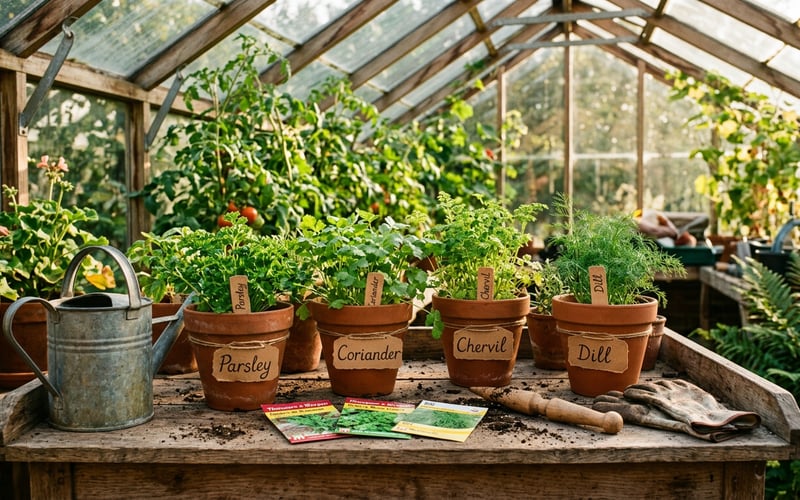
August herb sowing focuses on varieties that'll provide fresh flavour through winter months when dried herbs just don't compare to fresh-picked alternatives.
Mediterranean Herbs That Thrive
Parsley for Winter Harvests
Both flat-leaf and curled parsley sown in August will provide fresh leaves through winter. Flat-leaf parsley offers better flavour for cooking, while curled parsley handles cold slightly better and looks more attractive in mixed plantings.
Sow parsley in modules because the seeds are slow to germinate and benefit from consistent moisture control. Once established, parsley plants continue producing even after light frosts, making them perfect for unheated greenhouse growing.
Coriander Success Tips
Coriander requires careful timing in August. Early August sowings often bolt in residual heat, while late August sowings establish better as temperatures moderate. Use bolt-resistant varieties like 'Slowbolt' or 'Leisure' for better success rates.
Succession plant coriander every 2-3 weeks through August and September. Each sowing provides 3-4 weeks of harvest, so multiple sowings ensure continuous supply through autumn and early winter.
Chervil for Delicate Flavour
Often overlooked, chervil provides delicate anise-flavoured leaves that enhance winter soups and salads. This herb actually prefers cooler conditions, making it perfect for August establishment and winter production.
Chervil doesn't transplant well, so direct sow where plants will grow. The fine seeds need consistent moisture but good drainage - perfect conditions in well-managed greenhouse soil.
Dill for Cooking and Flowers
Dill sown in August grows slowly through autumn, providing both leaves for cooking and eventual flowers for seed collection. The feathery foliage adds texture to greenhouse plantings while providing useful harvests. For a deeper look at growing herbs under glass, see our full greenhouse herb growing guide.
Herb Growing Schedule
Early August (Weeks 1-2):
- Sow parsley in modules for transplanting
- Direct sow chervil in final positions
- Plant oregano and thyme divisions
Mid-August (Weeks 2-3):
- Sow coriander (first succession)
- Start dill in modules or direct sow
- Establish winter savory plants
Late August (Week 4):
- Second coriander succession
- Final herb sowings before autumn
- Take cuttings from established herbs
Extending Summer Crops Through August
Don't abandon your summer crops just because you're planning for winter. Proper August management can extend tomato, pepper, and cucumber harvests well into October, maximising your investment in these heat-loving plants.
Maximising Existing Plants
Tomato Management for Extended Harvest
August tomato care determines whether plants produce until October or collapse in September. Focus on maintaining plant health while managing the transition from peak summer to cooler autumn conditions. Our detailed greenhouse tomato growing guide covers feeding schedules and disease prevention in depth.
Continue feeding with high-potash fertiliser, but adjust frequency based on growth rates. Slower growth in late August means less frequent feeding prevents salt buildup that can damage roots.
Remove lower leaves progressively as they yellow. This improves air circulation and reduces disease pressure as humidity increases with cooler nighttime temperatures. Never remove more than 2-3 leaves per week to avoid shocking plants.
Support heavy trusses that developed during peak summer growth. The weight of ripening fruit can snap branches, ending production prematurely. Use soft ties or clips that won't damage stems as they continue growing.
Managing Heat Stress in Established Plants
Even well-established summer crops can suffer in August heat waves. Watch for signs of heat stress: wilting despite adequate moisture, poor fruit set, or yellowing leaves despite proper feeding.
Increase ventilation during peak heat periods. Automatic vent openers set to 18C ensure vents open before stress occurs. Manual vents should be opened early morning and closed only after temperatures drop in evening.
Provide temporary shading during extreme heat. Shade cloth or even old bedsheets can prevent temperature spikes that stop fruit development or cause flower drop. Monitor local conditions using UK weather forecasts to plan your August greenhouse activities around heat waves.
Late Summer Sowings for Extended Harvests
Quick-Growing Options for September Harvest
Some crops can still be sown in August for late summer harvest, extending your productive season before winter crops take over growing space.
French Beans 'Delinel' is a dwarf variety that matures quickly enough for August sowing. Plants will produce pods through September if protected from cold snaps. Use modules for better transplant success.
Courgette 'Eight Ball' produces compact round fruits on bushy plants that fit greenhouse spacing better than traditional trailing varieties. August sowings can produce harvests into October with basic protection.
Lettuce for September Use
Quick lettuce varieties sown in late August provide fresh salads during the September gap when summer lettuce finishes but winter varieties aren't ready yet.
Choose fast-maturing varieties like 'Tom Thumb' or 'Little Gem' that handle temperature fluctuations better than large heading types. These bridge the harvest gap effectively.
Heat Management for Late Sowings
Positioning Strategies
Place August sowings in the coolest areas of your greenhouse. North-facing positions or areas shaded by larger plants provide better germination conditions than full sun positions that worked for earlier sowings.
Timing for Success
Sow seeds in early morning or evening when temperatures are lowest. Hot soil can prevent germination or kill emerging seedlings before they establish.
Cover sowings with damp newspaper or cloth until germination occurs. This maintains moisture while preventing overheating that kills seeds in warm greenhouse soil.
August Greenhouse Management Tasks
August greenhouse management requires balancing the needs of established summer crops with creating optimal conditions for new sowings. This month demands more active management than any other time of year.
Heat Management Essentials
Ventilation Strategies That Work
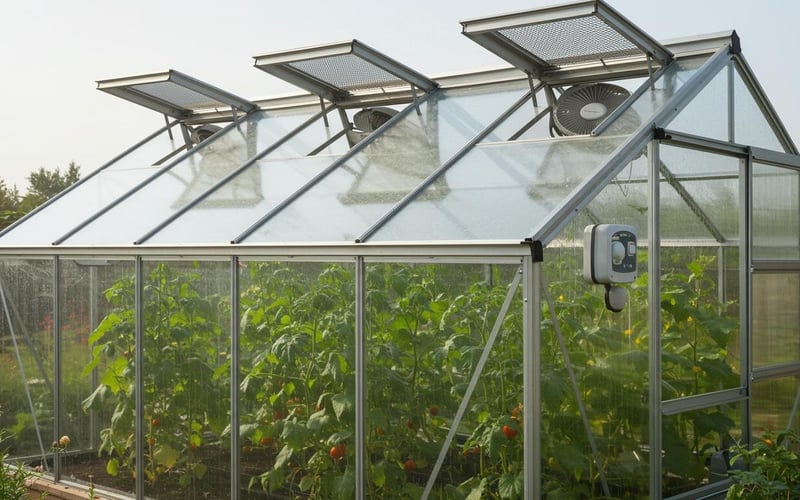
Proper greenhouse ventilation is absolutely critical during August. Inadequate ventilation kills more August sowings than any other factor in UK greenhouses.
Set automatic vent openers to trigger at 18C rather than the 20-22C you might use earlier in summer. This earlier opening prevents temperature spikes that stress plants and prevent seed germination.
Ensure cross-ventilation by opening both roof and side vents. Hot air rises and exits through roof vents while cooler air enters through side vents, creating circulation that prevents stagnant hot spots.
Consider electric fans for air movement during still, hot days. Even small clip-on fans can prevent the stagnant conditions that encourage fungal problems and heat stress.
|
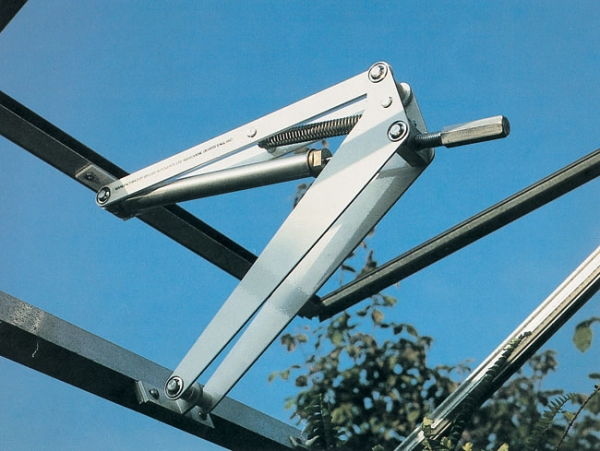
Matt's Pick for August VentilationBest For: Automatic temperature control when you can't be in the greenhouse all day Why I Recommend It: I fit the Bayliss MK7 on most of our installations. It lifts heavier vents than cheaper openers and the wax cylinder is replaceable so it lasts years. During August heat waves, this is the single most important piece of kit in your greenhouse. Set it to 18C and forget about it. Price: £89 |
Shading Solutions for August
External shading works better than internal shading for reducing greenhouse temperatures. Shade paint applied to outside glass reflects heat before it enters, while internal shading just moves hot air around.
Coolglass Shading Paint becomes transparent when wet, allowing maximum light during overcast periods while providing cooling during sunny weather. Apply in early August for best results.
Shade Cloth Systems offer more control than paint. 40-50% shade cloth provides adequate cooling while maintaining sufficient light for plant growth and seed germination.
Natural Shading using tall plants like cucumbers or beans can provide localised cooling for heat-sensitive sowings without reducing light throughout the entire greenhouse.
Watering and Feeding Adjustments
August Watering Best Practices
Watering becomes more complex in August as you're managing both water-hungry established crops and newly germinated seedlings with different needs.
Water established crops deeply but less frequently. This encourages deep root development and prevents waterlogged soil that encourages root diseases during humid August weather.
New sowings need consistent moisture but not waterlogging. Use spray bottles or fine-rose watering cans for newly emerged seedlings that can be damaged by heavy watering.
Time watering for early morning when possible. This gives plants time to dry before cooler evening temperatures, reducing fungal disease pressure that increases as nights become longer and cooler.
Feeding Programmes for Transition Period
Adjust feeding schedules to match slowing growth rates as daylight hours decrease. Overfeeding in August can cause soft growth that's vulnerable to disease and cold damage.
Use high-potash feeds for fruiting crops like tomatoes and peppers to encourage ripening of existing fruits rather than excessive vegetative growth.
Reduce nitrogen feeding for crops you want to slow down or prepare for winter dormancy. Excess nitrogen in August creates soft growth that doesn't handle autumn temperature fluctuations well.
Pest Prevention in Hot Weather
August heat creates perfect conditions for several greenhouse pests that can destroy crops quickly if not managed properly.
Red Spider Mites thrive in hot, dry conditions. Maintain adequate humidity through careful watering and avoid letting greenhouse air become too dry. Spider mites indicate insufficient humidity more than any other problem.
Whitefly Populations peak during August heat. Use sticky yellow traps to monitor populations and introduce beneficial insects like Encarsia wasps before populations explode.
Aphid Management becomes critical as they seek out new growth on both established crops and fresh sowings. Regular monitoring and early intervention prevent infestations that can destroy months of work.
For detailed pest identification and treatment strategies, check our UK Greenhouse Pest Control Guide which covers all the common August problems and natural solutions that work.
Preparing for Autumn Transition
August preparation work determines how smoothly your greenhouse transitions from summer abundance to winter productivity. Small tasks completed now prevent bigger problems later.
Infrastructure Preparation
Heating System Checks
Test heating systems now while you don't need them desperately. Check electric heaters for proper operation, clean paraffin heater wicks, and ensure gas connections are secure and leak-free. Our guide on how to heat a greenhouse covers all the options and running costs.
Service automatic controls that manage heating cycles. Battery-powered thermostats need fresh batteries, while electronic controls should be tested for accuracy using a separate thermometer.
Glazing and Insulation Assessment
Clean greenhouse glazing to maximise light transmission as days shorten. August cleaning is easier in warm weather and ensures maximum light penetration when autumn reduces natural light levels.
Check existing insulation materials for damage or deterioration. Bubble wrap insulation that's been up all winter may need replacement before autumn installation.
Inspect greenhouse structure for damage that could affect heating efficiency or create cold spots. Small repairs completed in August prevent larger problems during autumn storms.
Planning September Activities
Succession Planting Schedule
Plan September sowings while August sowings are establishing. Succession planting ensures continuous harvests rather than gluts followed by shortages.
Order seeds for autumn sowings now while varieties are still available. Popular winter varieties often sell out by September, leaving you with inferior substitutes.
Growing Area Preparation
Prepare dedicated areas for winter crops by removing finished summer plantings and refreshing soil. August soil preparation allows settling time before September plantings.
Label growing areas clearly to avoid confusion when managing multiple crops at different growth stages. Good organisation becomes critical as greenhouse space becomes more crowded.
Practical Growing Techniques for August Success
August growing success depends on adapting standard techniques to cope with heat stress while ensuring good establishment of crops that'll carry you through winter.
Sowing Methods That Work in August Heat
Module Sowing Advantages
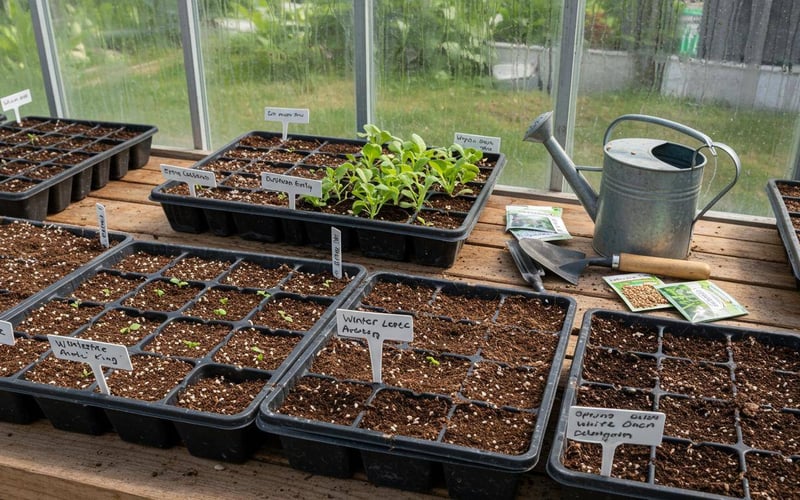
Module sowing gives you control over growing conditions that direct sowing can't match during August heat. Seeds sown in modules can be placed in the coolest areas of your greenhouse and moved as conditions change.
Use quality seed compost that retains moisture without becoming waterlogged. August sowings are particularly vulnerable to both drought and overwatering as you try to balance heat stress with adequate moisture. For more on getting seeds started successfully, see our guide to growing seeds in a greenhouse.
Consider larger modules for August sowings. 3cm modules provide more root space and moisture retention than smaller cells, giving plants better drought resistance during establishment.
Direct Sowing Guidelines
When direct sowing is necessary, prepare soil carefully to optimise conditions. Add compost or well-rotted manure to improve moisture retention without creating waterlogged conditions.
Cover direct sowings with damp newspaper or horticultural fleece until germination occurs. This maintains consistent moisture while preventing overheating that kills seeds in warm soil.
Water soil before sowing rather than after. This ensures adequate moisture for germination without washing seeds too deep or creating surface crusting that prevents emergence.
Companion Planting for August
Strategic Plant Combinations
August companion planting focuses on using established plants to create favourable microclimates for new sowings rather than just pest deterrence.
Plant heat-sensitive sowings in the shade of tall summer crops. Tomato and cucumber plants provide natural shading that creates cooler conditions for lettuce and herb establishment.
Use fast-growing crops as living mulch around slower-establishing plants. Radishes planted around spring cabbage provide ground cover that reduces soil temperature while giving quick harvests.
Beneficial Plant Partnerships
Marigolds planted near tomatoes continue providing pest deterrence while adding colour to greenhouse displays as summer flowers begin fading.
Basil near peppers enhances flavour development in fruits while the aromatic leaves help deter flying insects that become more problematic in August heat.
Nasturtiums work as trap crops for aphids that often move onto new sowings. Position them where they'll attract pests away from vulnerable seedlings.
August Greenhouse Growing Calendar
Plan your August activities week by week to ensure nothing gets forgotten during this busy transition month.
Week-by-Week August Schedule
| Week | Vegetables to Sow | Herbs to Sow | Care Tasks | Harvest Ready |
|---|---|---|---|---|
| Week 1 | Winter lettuce, perpetual spinach | Parsley, coriander | Install/check shading, service vents | Tomatoes, peppers, early herbs |
| Week 2 | Pak choi, rocket, mizuna | Chervil, dill | Deep water established crops, pest monitoring | Cucumbers, beans, summer salads |
| Week 3 | Spring cabbage, turnips | Final coriander succession | Support heavy fruit trusses, heat management | Aubergines, courgettes, basil |
| Week 4 | Final quick crops, radishes | Winter herb divisions | Autumn prep, seed orders for September | Late tomatoes, peppers, storage onions |
Daily August Priorities
Morning Tasks (7-9 AM):
- Check automatic vents are working
- Water new sowings before heat builds
- Monitor pest traps and plant health
- Harvest crops at peak condition
Midday Management (12-2 PM):
- Ensure adequate ventilation during peak heat
- Check shading is effective
- Adjust watering for any stressed plants
Evening Activities (6-8 PM):
- Plan next day's sowings
- Water deeply if morning watering insufficient
- Record successes and problems in garden diary
Troubleshooting August Growing Problems
August greenhouse growing presents unique challenges that require specific solutions. Understanding common problems helps you prevent failures and recover quickly when things go wrong.
Heat Stress Problems and Solutions
Identifying Heat Stress
Heat stress shows up differently in various crops. Tomatoes develop poor fruit set and blossom end rot. Lettuce bolts prematurely or fails to germinate. Seedlings wilt despite adequate moisture.
Immediate Solutions:
- Increase ventilation dramatically
- Install temporary shading
- Move vulnerable plants to cooler areas
- Adjust watering timing to early morning
Prevention Strategies:
- Use automatic vent openers set to lower temperatures
- Position heat-sensitive crops away from south-facing glass
- Maintain adequate humidity to reduce transpiration stress
Poor Germination Troubleshooting
Common Causes in August:
Soil Temperature Too High: Use a soil thermometer to check. Seeds won't germinate if soil exceeds 25C. Solution: sow in cooler areas or wait for evening temperatures to drop.
Inconsistent Moisture: August heat dries soil quickly. Solution: cover sowings with damp newspaper and check daily. Water gently to maintain moisture without waterlogging.
Old or Poor-Quality Seeds: Heat accelerates seed deterioration. Solution: use fresh seeds and store unopened packets in refrigerator between sowings.
Wrong Timing: Some crops are sensitive to day length changes beginning in August. Solution: check specific variety requirements and use varieties bred for late summer sowing.
Managing Multiple Crops Simultaneously
August greenhouse management becomes complex when you're caring for established summer crops while nurturing new sowings for winter harvest. If this is your first year, our essential greenhouse growing tips for beginners covers the fundamentals.
Space Management:
- Use vertical growing to maximise space
- Remove finished plants promptly to free growing areas
- Succession plant in small batches rather than large sowings
Watering Different Needs:
- Group plants with similar water requirements
- Use drip irrigation for consistent moisture
- Hand water new sowings separately from established plants
Disease Prevention:
- Maintain good air circulation between different crop areas
- Remove dead or diseased material promptly
- Avoid overhead watering that promotes fungal problems
Essential Equipment for August Growing Success
August greenhouse growing requires specific equipment to manage heat, maintain optimal conditions, and ensure successful establishment of winter crops.
Critical August Equipment
| Equipment | Purpose | Price Range | Priority Level |
|---|---|---|---|
| Automatic Vent Openers | Temperature control | £25-89 each | Essential |
| Shade Paint or Cloth | Heat reduction | £8-25 | Essential |
| Digital Min-Max Thermometer | Monitoring conditions | £15-25 | Essential |
| Propagation Trays | Seed starting | £10-20 | High Priority |
| Fine-Rose Watering Can | Gentle watering | £15-30 | High Priority |
| Electric Fan | Air circulation | £20-40 | Medium Priority |
| Soil Thermometer | Checking soil temperature | £10-15 | Medium Priority |
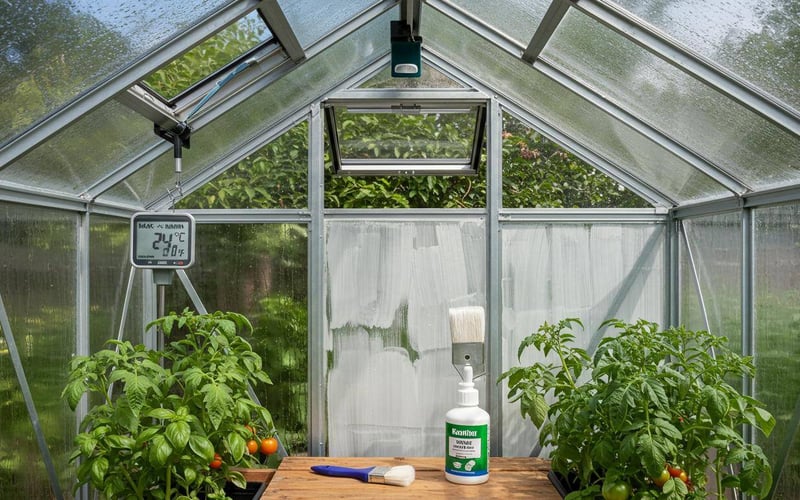
Equipment Setup for August Success
Ventilation Systems
Install automatic vent openers on both roof and side vents. Set trigger temperatures to 18C rather than higher settings used earlier in summer. This early opening prevents dangerous temperature spikes that can kill sowings within hours.
Monitoring Equipment
Position digital thermometers at plant level rather than eye level. Ground-level temperatures can be significantly different from air temperatures, especially important when managing sowings in modules on staging.
Shading Solutions
External shading works better than internal alternatives. Coolglass shading paint provides automatic adjustment - becoming transparent during overcast periods while providing cooling during sunny weather.
For all your August greenhouse equipment needs, from louvre window vents to raised beds and planters, visit Greenhouse Stores for everything you need to make August growing successful.
Frequently Asked Questions
Is it too late to sow vegetables in August for this year's harvest?
Quick-growing crops sown in August will harvest in 6-10 weeks. Radishes, spinach, rocket, and salad leaves all mature well before winter. You're also establishing winter crops like lettuce and herbs that'll produce through the cold months when shop prices are highest.
What's the latest I can sow tomatoes in August for greenhouse growing?
Cherry tomato varieties can be sown until mid-August in a UK greenhouse. Plants will fruit into November if you choose quick-maturing varieties like 'Stupice' or 'Surefire Red' rather than large fruiting types. Bush varieties work better than cordons for late sowings.
How do I keep my greenhouse cool enough for August seed sowing?
Combine automatic ventilation, external shading, and good air circulation. Set vents to open at 18C, apply shade paint or 40-50% shade cloth, and use small fans on still days. Position seed trays in the coolest parts of your greenhouse and sow in early morning or evening.
Which vegetables can survive winter in an unheated UK greenhouse?
Winter lettuce, perpetual spinach, rocket, mizuna and corn salad all survive unheated. They slow down during the coldest months but provide regular pickings. Spring cabbage planted now will survive for harvest next March-May. Arctic King lettuce handles temperatures down to -10C.
Should I focus on harvesting or sowing during August?
Do both - August is transition month in the greenhouse. Keep harvesting summer crops like tomatoes, peppers, and cucumbers to encourage continued production while simultaneously sowing winter crops. You're squeezing the last from summer while establishing winter abundance.
What herbs work best for August sowing in UK greenhouse conditions?
Parsley, coriander, chervil and dill all establish well from August sowings. Start them in modules and you'll have fresh herbs for winter cooking. Succession plant coriander every 2-3 weeks for continuous harvests through autumn and early winter.
How do I prevent my August sowings from bolting in the heat?
Choose bolt-resistant varieties bred for late summer sowing. Keep soil consistently moist but not waterlogged. Provide shading during the hottest parts of the day. Sow little and often rather than large batches that might all bolt simultaneously.
Make August Your Most Productive Greenhouse Month
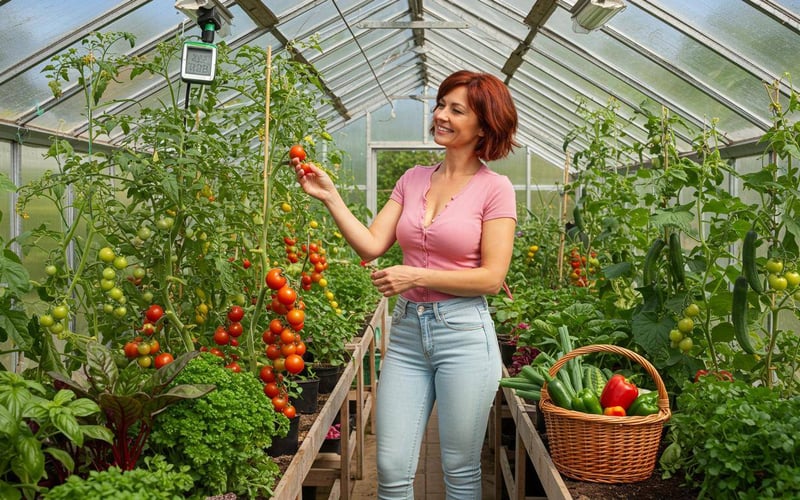
August in your UK greenhouse is about maximising opportunities. You're harvesting the rewards of summer growing while investing in winter abundance. The key is understanding that successful August growing requires active management - this isn't a month to set things up and hope for the best.
Focus on heat management first. Get your ventilation and shading sorted before you start sowing because failed sowings cost time you can't recover this late in the season. Once conditions are right, be bold with your sowings - your greenhouse gives you growing opportunities that outdoor gardeners simply don't have.
Remember that crops you establish now will carry you through the expensive winter months when fresh vegetables cost a fortune. A few pounds spent on seeds and proper equipment in August can save you hundreds on grocery bills while providing fresh, nutritious food your family will actually want to eat.
Related Articles
- What Can I Grow in the Greenhouse in Winter?
- September Gardening Jobs: 15 Must-Do Tasks Before Winter
- Growing Vegetables in a Greenhouse All Year Round
- Best Position for a Greenhouse UK
- Seed Sowing Month by Month UK Guide
Essential Equipment: