Greenhouse Aftercare: Seasonal UK Maintenance Checklist
Greenhouse aftercare is the simple calendar of tasks that keeps glass clean, vents working, timber sound, and plants safe. We have fitted more than 500 greenhouses across the UK since 2012. The same four seasonal jobs predict whether a greenhouse lasts 12 years or 25. This checklist gives you the month-by-month tasks we hand to our own installation customers, with clear priority, tools, and timing. Spend 3-4 hours a year and you will keep your warranty valid and your crops productive.
Key Takeaways
- Four seasonal jobs drive everything — spring glass clean, summer vent service, autumn deep clean, winter storm prep.
- Budget 3-4 hours a year for a standard 6x8ft greenhouse. Split across the seasons it feels like nothing.
- Dirty glass blocks 20-40% of light — the single biggest yield loss we see on older greenhouses.
- Aluminium frames need almost no care; timber needs one annual re-oil to keep the 12-year warranty valid.
- Storm prep in October saves thousands — glazing clips, door catches and base bolts fail long before panels do.
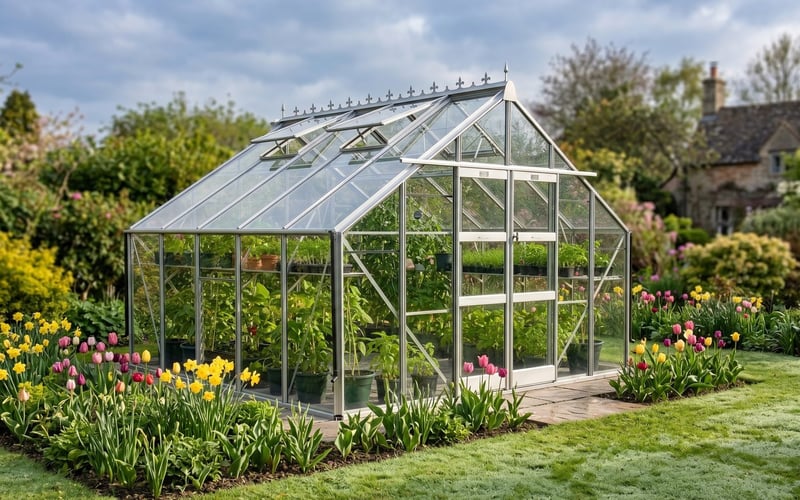
- Matt's Pick for set-and-forget aftercare: the Elite Titan 1000 10x10 — 20 year warranty and a powder-coated frame that never needs painting.
Shop the Elite Titan 1000 10x10 Greenhouse →
Installer's Note
I fit greenhouses every week of the year. The damage that brings customers back to me is rarely dramatic — no shattered panels, no collapsed frames. It is almost always a blocked gutter, a seized autovent, or rotten timber where water sat against the damp barrier. All three are ten-minute fixes if you catch them in the right season. This checklist is the order I work my own greenhouse through every year.
Why greenhouse aftercare matters more than most owners think
A well-maintained greenhouse lasts 20-25 years. A neglected one is scruffy in 5 and structurally tired in 10. The two biggest failure points we see in UK gardens are water damage (blocked gutters, leaf debris, standing water on the damp barrier) and vent failure (seized hinges, snapped piston rods on autovents, missing glazing clips). Both cost under £20 and 20 minutes to fix if you spot them early. Left alone through two winters, they turn into rotten timber or shattered glass that costs hundreds to repair.
An annual greenhouse clean between autumn and early spring helps reduce overwintering pests and improve light transmission. After fitting our 500th greenhouse we added three more checks to that advice — gutter clearing, glazing clip inspection, and timber re-oiling — based on the repairs we actually see come through our workshop.
Your year-round greenhouse aftercare calendar
Split across four seasons, aftercare stops feeling like a chore. Each block below takes under an hour for a typical 6x8ft greenhouse. Work through them in order and your greenhouse will outlive most of the plants in it.
| Season | Primary Task | Time | Tools | Priority |
|---|---|---|---|---|
| Spring (Mar-May) | Glass clean + vent test | 60-90 min | Squeegee, soft brush, warm soapy water | High |
| Summer (Jun-Aug) | Shading + watering kit | 30 min | Shade netting, drip line, thermometer | Medium |
| Autumn (Sep-Nov) | Deep clean + gutter clear | 2-3 hours | Jeyes Fluid, toothbrush, bucket, hosepipe | Highest |
| Winter (Dec-Feb) | Storm prep + frost protection | 45 min | Bubble wrap, clips, heater, anchor kit | High |
Spring greenhouse aftercare checklist (March to May)
Spring is when light matters most and pests wake up fastest. A clean pane of glass lets through 20-40% more light than a dirty one, which is the difference between leggy seedlings and strong ones. Work through this list in the first dry week of March.
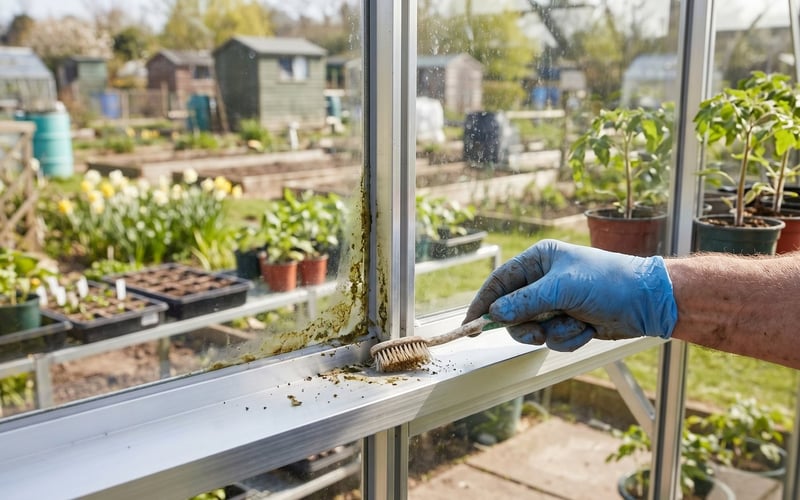
- Wash the glass inside and out — warm soapy water and a squeegee. Algae and last year's compost splash block far more light than you expect.
- Clear the aluminium channels with an old toothbrush. This is where red spider mite and whitefly overwinter. See our greenhouse pest control guide for treatment specifics.
- Test every vent and door by hand before the weather warms. Seized autovents will not open when you need them in May.
- Check glazing clips — winter wind shakes them loose. Replace any missing ones. A 50-pack costs under £8.
- Remove bubble wrap insulation by late April in southern England, mid-May in the north. Leaving it up traps humidity and blocks light.
Shop the Elite Titan 1000 Range →
Matt's Tip: The toothbrush trick
The single best tool in my greenhouse kit is an old toothbrush. Every aluminium greenhouse has a narrow U-shaped channel at the base where glass sits in a rubber gasket. Compost, algae, and insect eggs pack into that channel over winter. A squirt of Jeyes Fluid (1:20 with water), a toothbrush, then a rinse with a watering can. Takes ten minutes for a 6x8 and kills overwintering red spider mite before it starts breeding.
Summer greenhouse aftercare checklist (June to August)
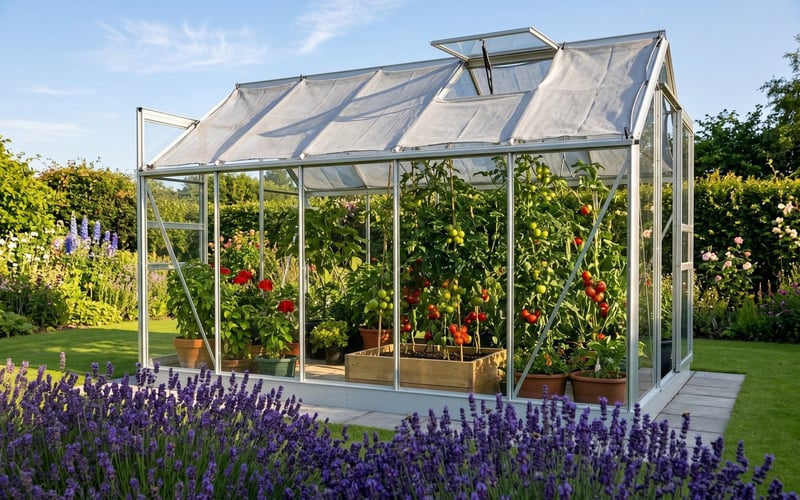
Summer aftercare is about preventing heat damage, not cleaning. A closed greenhouse in full July sun will hit 45°C within an hour. That cooks tomato flowers, triggers bolting in salad crops, and bakes roots in pots. The fix is ventilation, shading, and consistent watering — all set up in one 30-minute session in early June.
- Fit shade netting if the greenhouse faces south. Aluminet or 30-50% shade cloth cuts internal temperature by 4-8°C. Our full ventilation guide covers fans and louvre vents in detail.
- Set up automatic watering — a simple drip line with a battery timer keeps tomatoes happy during a heatwave or while you are away.
- Damp down the floor on hot mornings. Wet paving evaporates through the day, raising humidity and keeping red spider mite at bay.
- Check autovent pistons mid-summer — they are working hardest now and the wax cylinders wear out after 3-5 years.
- Hang a max-min thermometer centrally. If your summer peak is above 35°C you need more shading or an extra louvre vent.
Autumn greenhouse aftercare checklist (September to November)
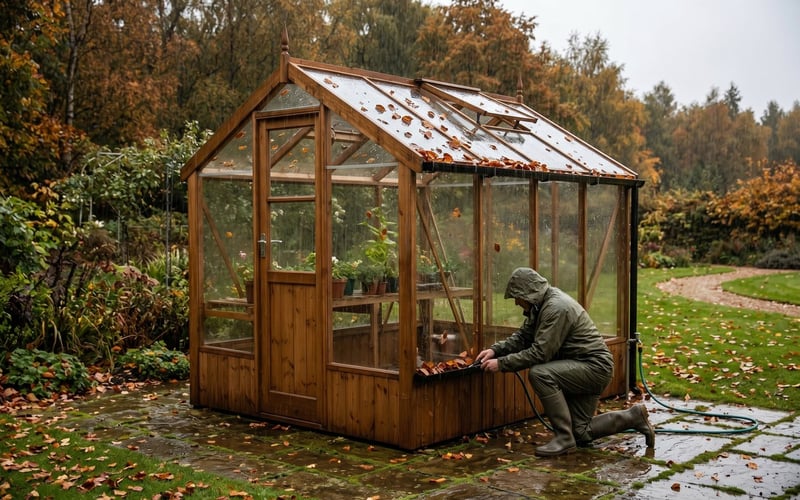
Autumn is the single most important aftercare season. Between mid-October and late November you do the deep clean that resets the greenhouse for winter. Skip it and you carry pests, fungal spores, and algae through to spring. Block your gutters with autumn leaves and you invite rot into every timber greenhouse and rust into the fixings of every aluminium one.
- Empty the greenhouse completely — move plants, staging, and pots outside or to a shed.
- Deep clean all internal surfaces with diluted Jeyes Fluid (1:20). Walls, staging, floor, frame, glazing bars. Our full greenhouse cleaning guide breaks this down step by step.
- Wash the glass inside and out. Autumn is the best time for this because the sun is low and you can see every smear.
- Clear gutters and downpipes — this is the most skipped job in greenhouse ownership. Blocked gutters rot timber cladding in a single wet winter.
- Re-oil timber frames (such as Swallow). A single coat of greenhouse oil or wood preservative keeps the warranty valid and the wood sealed.
- Sulphur candle if you had pests last season — light one in a sealed, empty greenhouse overnight to kill spores and eggs.
Shop the Swallow Kingfisher 6x8 →
Winter greenhouse aftercare checklist (December to February)
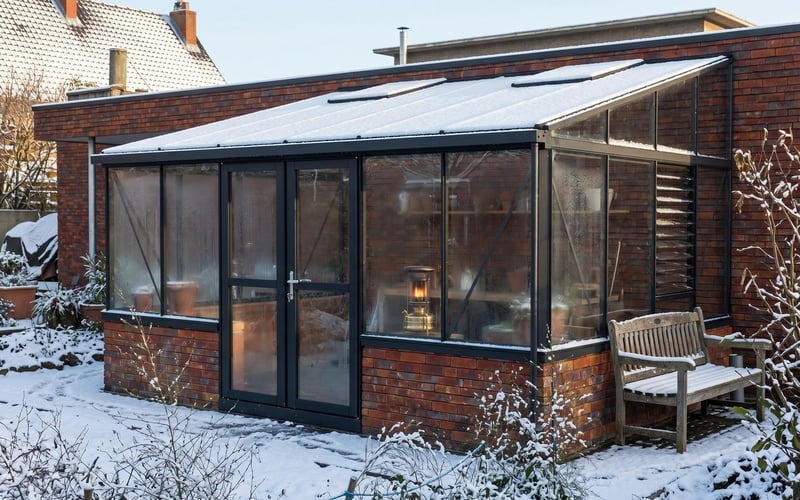
Winter aftercare is storm prep first, frost protection second. Most UK greenhouse damage happens in the first two weeks of January, when a named storm hits a greenhouse that was not properly battened down in November. The second risk is frost — an unheated greenhouse still frosts inside, so overwintered plants need protection even with the door closed.
- Check base anchors and ground bolts. Every Elite, Vitavia, and Palram model comes with fixings rated for 60-70mph winds — only if they are tight.
- Secure or remove loose accessories. Empty staging can tip in strong wind. Bungee-cord it to the frame.
- Fit horticultural bubble wrap to the inside of the frame. Twenty-millimetre bubbles cut heat loss by 50% and cost under £30 for a 6x8. Full detail in our winter greenhouse care guide.
- Install a thermostat-controlled heater for tender plants. A 2kW fan heater with a plug-in frost stat costs £60-£120 and only runs when needed. See our overwintering plants guide for a plant-by-plant tolerance table.
- Check the door seal and lock. A poorly-closing door loses more heat than a missing glass panel.
- Clear snow from the roof if it builds up over 10cm. Aluminium frames are rated for UK snow loads, but heavy wet snow plus glass is a different calculation.
Explore the Janssens Arcadia Plus Mur Lean-To →
Your year-round greenhouse aftercare tool kit
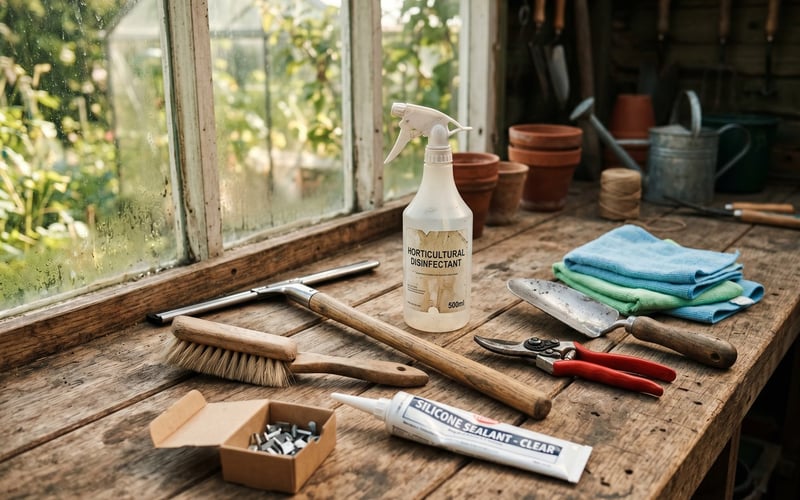
You do not need a workshop, just a shoebox of basics. We recommend every greenhouse owner keeps one "aftercare box" in the shed. Stocked correctly it lasts five years and costs under £40 to assemble.
- Soft-bristle brush and long-handled squeegee — for glass and polycarbonate.
- Old toothbrush — for aluminium channels and tight corners.
- Jeyes Fluid or horticultural disinfectant — 1:20 dilution is the standard.
- Spare glazing clips — brand-specific for your greenhouse. Store a small bag of them.
- Clear silicone sealant — for resealing panes that rattle.
- Pair of gardening gloves and a box of microfibre cloths.
- Secateurs — for trimming back plants that have grown into the glazing.
- Max-min thermometer — the one piece of kit that tells you whether your aftercare is working.
Shop all greenhouse accessories →
How aftercare differs: aluminium vs wooden greenhouses
Aluminium is set-and-forget. Timber asks for one day a year. The difference is smaller than most buyers think, but it matters when you are planning your time. Our wooden vs aluminium comparison covers the cost and heat trade-offs. For aftercare specifically:
| Task | Aluminium | ThermoWood | Cedar / Redwood |
|---|---|---|---|
| Annual glass clean | Yes | Yes | Yes |
| Frame re-oil or re-paint | Never | Every 2-3 years | Every year |
| Check glazing clips | Annual | Annual | Annual |
| Gutter clearing | Annual | Annual | Twice yearly |
| Damp barrier check | N/A | Annual | Annual |
| Typical time per year | 2 hours | 3 hours | 4-6 hours |
Matt's Pick: lowest-maintenance greenhouse we sell
|
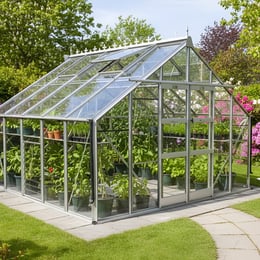
Matt's Pick for Lowest AftercareBest For: Owners who want 20 years of growing with the minimum annual upkeep. Why I Recommend It: Powder-coated aluminium never needs painting. The 4mm toughened glazing shrugs off hail. A louvre vent and two roof vents mean summer aftercare is one evening a year. Twenty-year warranty is the longest on any aluminium frame we sell. Price: £2,879 |
Common greenhouse aftercare mistakes we see
After fitting hundreds of greenhouses and going back for the occasional repair, the same errors come up again and again. Avoid these four and you are doing better than 80% of UK greenhouse owners.
- Pressure-washing polycarbonate panels. It scratches the UV coating and shortens panel life from 10 years to 3. Use a hosepipe and soft brush, never a pressure washer.
- Skipping the annual gutter clear. One wet autumn of blocked gutters is all it takes to rot the bottom 50mm of a softwood greenhouse.
- Using strong bleach. Household bleach damages aluminium anodising and bleaches timber. Stick to horticultural disinfectant or diluted Jeyes Fluid.
- Leaving autovent pistons in place for more than five years. The wax cylinders weaken silently. A seized vent on a 38°C day will kill a crop of tomatoes in an afternoon.
Frequently asked questions
How often should I clean my greenhouse?
Once a year minimum, between October and February. One thorough 2-4 hour clean using diluted Jeyes Fluid on internal surfaces and warm soapy water on glass handles both hygiene and light transmission. Busy commercial growers often do a lighter mid-season wipe as well, but for home greenhouses one proper annual clean is enough if you stay on top of the other seasonal tasks in this checklist.
Do aluminium greenhouses need any maintenance at all?
Yes, but only around 2 hours a year. The frame itself needs no painting or treating. Your annual jobs are glass cleaning, gutter clearing, glazing clip inspection, and vent testing. Powder-coated frames benefit from an occasional wipe with a damp cloth to remove grime, but even plain mill-finish aluminium can be left entirely alone for two decades.
What is the most important greenhouse aftercare task?
The autumn deep clean is the single highest-impact job. It resets pest pressure, restores light transmission, and exposes any structural issues before winter storms arrive. If you only do one aftercare session a year, make it a full clean-and-check in October or early November. Every other seasonal job in this guide is quicker and easier if you have a clean greenhouse to start from.
How do I stop my greenhouse overheating in summer?
Fit shade netting and open every vent before 9am. Aluminet or 30-50% shade cloth knocks internal temperature down by 4-8°C. Combine that with working roof vents and a louvre vent, and most 6x8 greenhouses stay under 32°C even on 30°C days. If you regularly peak above 35°C you need either extra shading, an additional louvre vent, or a 12-volt extractor fan.
Can I use a pressure washer on my greenhouse?
No, not on glazing. Pressure washers strip the UV coating from polycarbonate, scratch glass seals, and can dislodge glazing clips. Use a garden hose, soft brush, and squeegee instead. You can use a pressure washer on paved floors inside the greenhouse once plants and staging are removed, but never directly on any panel or glazing bar.
How do I protect my greenhouse from winter storms?
Check base bolts, replace missing glazing clips, and close every vent and door before the storm arrives. Most UK storm damage we see comes from loose glazing clips or unsecured doors, not from snapped frames. Our winter greenhouse care guide has the full storm-proofing checklist. Base anchors rated for 60-70mph winds are standard on every greenhouse we sell, but only if they are actually tightened down.
How long should a well-maintained greenhouse last?
Twenty to twenty-five years for aluminium, twelve to twenty for timber. With the seasonal aftercare in this checklist, an Elite or Vitavia aluminium greenhouse routinely reaches 25 years. A ThermoWood Swallow lasts 15-20 years with an annual re-oil. Cedar greenhouses need more care but can hit 25 years when re-treated every season. Neglected greenhouses rarely make half those figures.