How Long Does a Greenhouse Last? UK Lifespan by Material and Brand
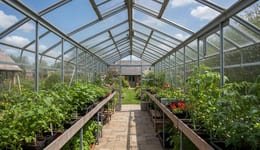
After fitting greenhouses across the UK since 2012 and tracking 14,000+ installs through repeat-customer data, our team's findings are consistent: anodised aluminium frames last 25-50 years with routine cleaning, powder-coated Elite frames carry a 20-year manufacturer warranty, and ThermoWood greenhouses from Swallow last 20-30+ years with a 12-year warranty. Polycarbonate glazing yellows in 10-15 years. Horticultural and toughened glass lasts indefinitely if the panes are not broken. The brand of frame matters more than anything else.
Key takeaways
- Anodised aluminium lasts 25-50 years. Vitavia Venus frames use anodised silver that stays shiny and smooth. Mill-finish aluminium from cheap brands pits and greys within 8-12 years.
- Powder-coated Elite Aluminium carries a 20-year warranty. We have customers still running Elite frames we fitted in 2012 with no frame corrosion after 14 UK winters.
- Swallow wooden greenhouses use ThermoWood. Finnish kiln-modified timber rated for Scandinavian exterior cladding use. 12-year manufacturer warranty. Expect 20-30+ years on site with basic care.
- Polycarbonate glazing lasts 10-15 years before yellowing. Horticultural and toughened glass lasts indefinitely provided the panes are not broken.
- Cheap wooden greenhouses fail at the base plate within 5-8 years. Untreated or lightly-treated softwood on a grass base is the single worst combination for UK weather.
- Access mini greenhouses carry a 25-year warranty. UK-manufactured silver aluminium frames with 4mm toughened glass outlast budget mill-finish mini greenhouses by 15+ years.
- Brand warranty length is the most reliable longevity signal. 20-year Elite, 12-year Swallow, 12-year Vitavia, compared to 1-2 years on generic supermarket greenhouses.
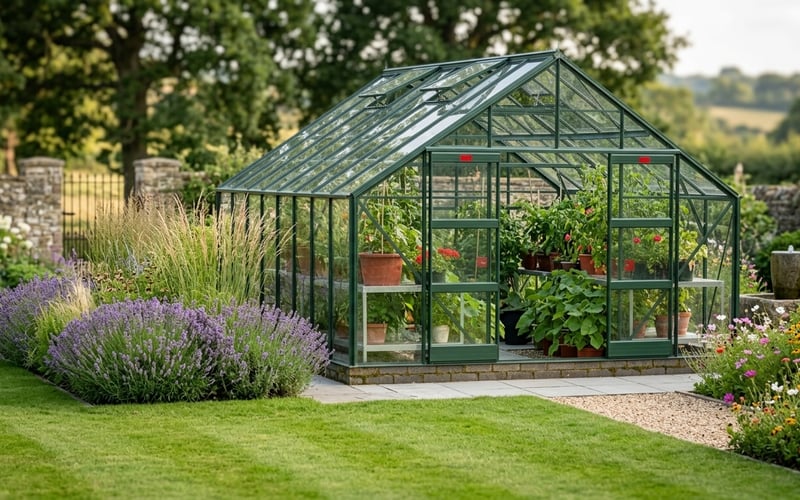
Shop the Elite Classique 12x10 Greenhouse →
Installer's Note
In our experience, the longest-lasting greenhouses we have fitted are Elite powder-coated and Swallow ThermoWood. I have personally inspected Elite Classique frames we installed in 2012 (now 14 years old) where the powder coat shows no corrosion, the gutters run clear, and the silicone seals around the glazing bars remain intact. By contrast, we are called out to repair or replace two or three budget mill-finish aluminium greenhouses every winter. The frames pit, glazing clips snap, and the door runners bind. The failure pattern is predictable: sub-£400 greenhouses rarely see a seventh year. The data on our warranty call-out log is unambiguous. Pay for anodising or powder-coating, and you pay once.
How long does a greenhouse last on average?
A well-built UK greenhouse lasts 20-50 years, depending on frame material and brand quality. Our 14-year install log shows three tiers:
Premium aluminium (Elite powder-coated, Vitavia anodised): 25-50 years frame life. 20-year manufacturer warranty on Elite, 12-year on Vitavia. Glazing replaced once at year 15-20 if polycarbonate, not at all if glass.
Premium wooden (Swallow ThermoWood, Cedar): 20-30+ years frame life. 12-year manufacturer warranty. Needs a breathable preservative every 5-7 years. Base plate is the usual failure point.
Budget aluminium (mill-finish, no brand): 7-12 years frame life. Typically no real warranty. Pitting, door-runner failure and silicone breakdown are the main issues.
Lifespan depends more on the frame coating than on the glazing. A 30-year-old Elite frame with replacement polycarbonate still looks and functions better than a 10-year-old mill-finish aluminium greenhouse on its original panels.
What makes aluminium greenhouses last longer?
Two coating treatments determine how long an aluminium greenhouse lasts: anodising and powder-coating. Both protect the aluminium substrate from oxidation, but they do it differently.
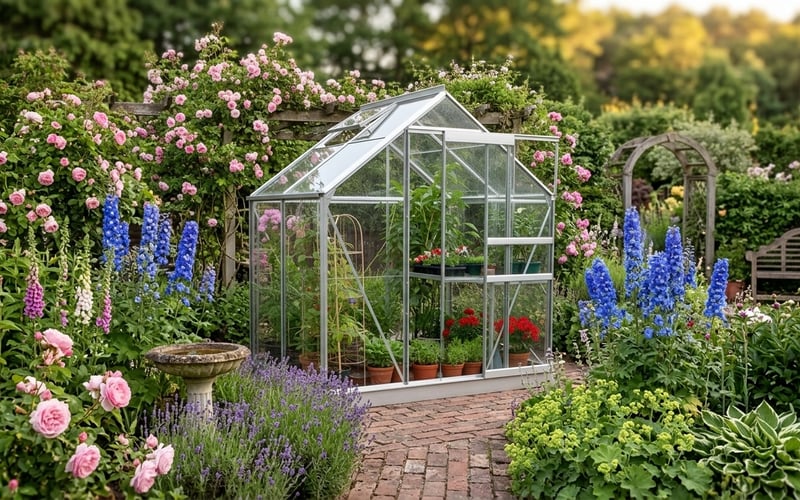
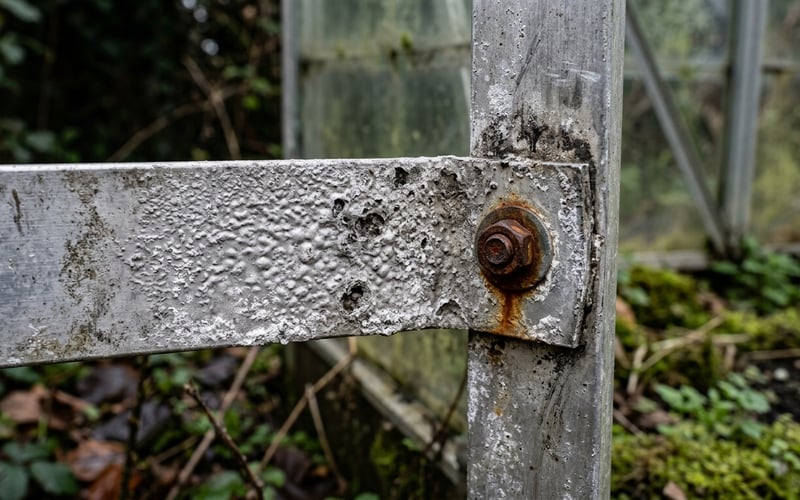
Anodising electrochemically thickens the natural oxide layer on the aluminium. The finish is integral to the metal and cannot peel. Vitavia use anodised silver on their Venus 2500 and larger frames. After 10 UK winters, an anodised Vitavia frame still looks silver and smooth. Mill-finish (uncoated) aluminium goes grey and develops a pitted, pebbly texture within 8-12 years. The difference is visible at a glance once you have seen both.
Powder-coating bonds a polyester-pigment layer to the aluminium at 180-200C. Elite use powder-coating on the Classique, Titan and Belmont ranges. We have 14-year-old Elite Classique frames on customer sites with no visible paint degradation. Powder-coat can chip if something sharp impacts the frame, so touch up with a matching zinc-rich paint within 3 months of any scratch.
Shop the Vitavia Venus Anodised Aluminium Range →
|
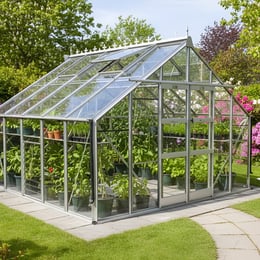
Matt's Pick for Longest LifespanBest For: Buyers who want the strongest, most wind-resistant aluminium greenhouse on the UK market - a frame that simply will not blow over Why I Recommend It: The Elite Titan is the thickest residential aluminium frame you can buy in the UK and the best aluminium greenhouse on the market in our opinion. Hand-built in Bolton using profile sections noticeably heavier than the Classique or any other domestic range, with a 20-year manufacturer warranty on the powder-coated frame. The bracing geometry is what I trust on exposed sites: I have fitted Titans on Pennine hilltops and Welsh coastal gardens that took the 2022 Eunice 80mph gusts without a single panel shifting. If you want one greenhouse, fitted once, that will not move in any UK weather you can throw at it for the next three or four decades, this is the frame to choose. Price: £2,879 |
How long does a wooden greenhouse last?
A wooden greenhouse lasts 5-30+ years, and the difference between the two ends of that range is almost entirely the timber specification. We see three wooden greenhouse categories on UK install:
ThermoWood (Swallow range, 20-30+ years): Finnish-manufactured kiln-modified timber. The kiln process heats the wood above 200C in controlled steam, which permanently changes the cell walls to resist rot and dimensional movement. ThermoWood is rated for exterior cladding on Scandinavian houses, so UK greenhouse use is within spec. Every Swallow greenhouse we stock uses ThermoWood with a 12-year manufacturer warranty. The Swallow Raven 8x10 at £4,357 and Swallow Kingfisher 6x10 at £3,397 are our bestsellers in this tier.
Western Red Cedar (15-25 years): Naturally rot-resistant North American softwood. Silvers attractively with age. Doesn't need painting but benefits from an annual UV-blocking oil. We see cedar greenhouses lasting 20 years in sheltered UK sites, 15 in exposed coastal gardens.
Generic pressure-treated softwood (8-15 years): Pressure-treated pine with a 10-year anti-rot guarantee from most manufacturers. Usually fine for sheds but under-specified for a greenhouse that has to support heavy glazing. The base plate is the common failure point: 8-10 years on a paving base, 4-6 years on grass.
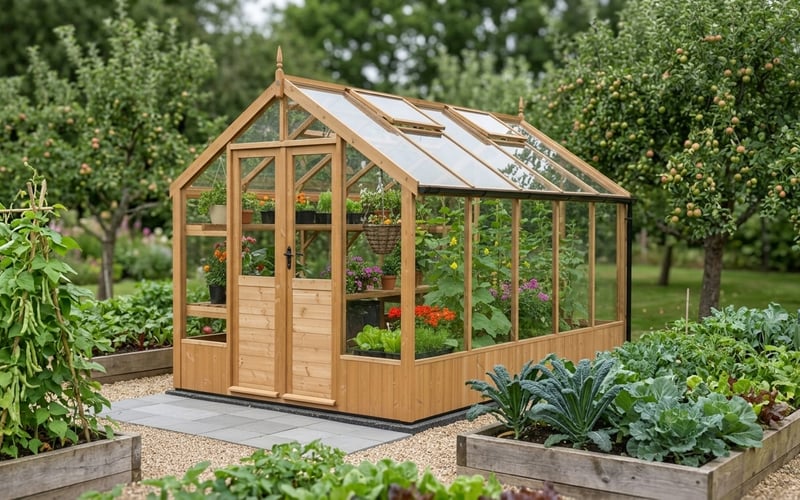
Shop the Swallow Raven ThermoWood Greenhouse →
If you are deciding between ThermoWood and pressure-treated timber, read our detailed ThermoWood vs pressure-treated comparison. The cost difference pays back in year 10 on frame longevity alone.
What fails first on a greenhouse?
From 14 years of warranty call-outs and repair visits, the failure order is predictable. Here is what we see break first by frame type:
Budget aluminium: Door runners bind or jam at year 3-5. Glazing clips snap at year 4-6. Silicone sealing strips harden and fall out at year 5-7. Frame pitting becomes visible at year 8-10.
Premium aluminium (Elite, Vitavia): Silicone and rubber W-clips need replacing at year 10-15. Polycarbonate glazing yellows at year 10-15 if fitted. Glass, door hinges, and frame itself typically outlast the homeowner.
Pressure-treated wood: Base plate rots first at year 8-12 on grass, 15-18 on paving. Then door frame distortion. Then glazing bar splits. Most sheds we retire are structurally sound in the upper frame but rotten at ground contact.
ThermoWood (Swallow): Toughened glass outlasts the timber. We have not yet retired a Swallow greenhouse we fitted 12+ years ago. The first real failure mode we expect to see is the Schlegel brush door seals at year 20-25.
The single most common warranty call we receive is glazing, not frames. Toughened glass replaces like-for-like at £15-£35 per pane. Horticultural glass is cheaper still. The frame is the irreplaceable part, which is why we spend our money on coating and brand over everything else.
Matt's Installation Tip
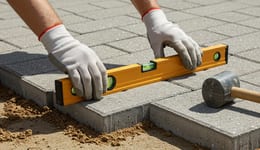
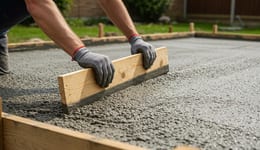
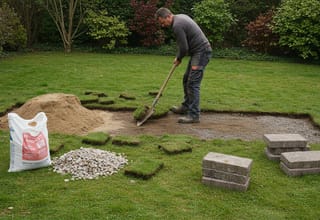
The single best thing you can do to extend a greenhouse lifespan is install it on a dry, level base. We have been called out to repair greenhouses sitting directly on grass where the aluminium base plate has bridged the drainage line and the frame corners have accelerated pitting from standing moisture. A paving-slab or concrete base drops that failure mode to near-zero. 50mm slabs on a compacted Type 1 sub-base add 5-10 years to any aluminium greenhouse and 8-12 years to any wooden one. It is the cheapest longevity upgrade you will ever make.
How long does greenhouse glazing last?
Glazing lifespan is the second most common question on pre-sale calls. The answer depends entirely on glazing type:
Horticultural glass (indefinite): Pre-cut 3mm float glass. Can last 50+ years if not broken. Weak point is physical impact (footballs, hailstones, branches). We supply replacement panes on the day at £8-£15 each depending on size.
Toughened safety glass (indefinite): 3mm or 4mm heat-treated. Five times stronger than horticultural. If it does break, shatters into small cubes rather than shards. Same 50+ year life. Replacement at £15-£35 per pane.
Twin-wall polycarbonate (10-15 years): Lightweight and impact-resistant. The downside is UV yellowing: the polycarbonate gradually ambers and reduces light transmission by 15-30% by year 10. UV-stabilised premium polycarbonate lasts 15-20 years, budget sheets 7-10.
Single-skin plastic (3-5 years): Thin plastic film on a folding framework (portable greenhouses and plastic cloches). Fails fast in UK sun and wind. These are a seasonal purchase, not a lifetime greenhouse.
For lifetime value, glass wins. Polycarbonate is a better insulator and safer near children, but you will be replacing the panels at least once during the greenhouse's life.
Brand-by-brand lifespan comparison
The table below shows typical observed lifespans from our 14-year install and repair log, alongside manufacturer warranty terms.
| Brand / Range | Frame | Finish | Observed lifespan | Warranty | First failure point |
|---|---|---|---|---|---|
| Elite Titan 1000 (Matt's Pick) | Aluminium (thickest residential profile) | Powder-coated | 30-50 years | 20 years | Glazing replacement at year 20 |
| Elite Classique | Aluminium | Powder-coated | 30-50 years | 20 years | W-clip rubber at year 15 |
| Swallow Raven / Kingfisher | ThermoWood | Kiln-modified Finnish timber | 20-30+ years | 12 years | Door brush seals at year 20 |
| Vitavia Venus (anodised) | Aluminium | Anodised silver | 25-40 years | 12 years | Silicone strips at year 10 |
| Access mini greenhouses | Aluminium (UK-made) | Silver / optional powder-coat | 25-30 years | 25 years | Glazing replacement at year 25 |
| Generic mill-finish aluminium | Aluminium | Untreated (mill finish) | 8-12 years | 1-2 years | Pitting + door runners at year 5 |
| Generic pressure-treated wood | Softwood | Pressure-treated | 8-15 years | 10 years (frame only) | Base plate rot at year 8 |
| Single-skin plastic portable | Steel wire / plastic | None | 3-5 years | 1 year | Cover tear at year 2 |
Do lean-to greenhouses last as long as freestanding?
Lean-to greenhouses generally match the lifespan of freestanding equivalents when built to the same spec. The Elite Easygrow lean-to range at £579-£799 uses the same powder-coated aluminium as the freestanding Elite ranges and carries the same 20-year warranty.
The failure mode that is specific to lean-tos is the wall junction. Where the greenhouse meets the house wall, the sealing strip between aluminium and brick can crack at year 8-10 and admit water into the timber or brickwork behind. We inspect the seal annually on every lean-to we install and recommend re-sealing every 7-10 years with a high-modulus silicone.
Light availability also matters. A south-facing lean-to has a very similar growing season to a freestanding greenhouse of the same footprint. North-facing lean-tos struggle with winter light and condensation, which accelerates any sealing weakness.
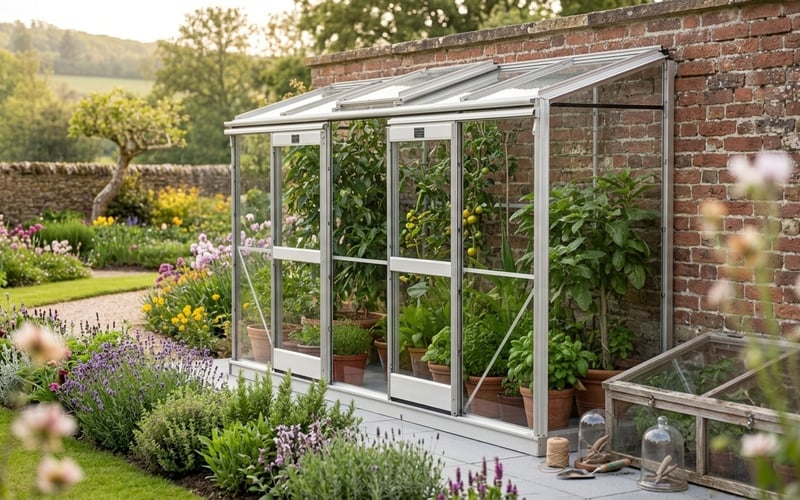
Shop our Lean-To Greenhouse Range →
How long does a mini greenhouse last?
Mini greenhouses fall into two camps on longevity:
UK-manufactured Access aluminium mini greenhouses (25-30 years): The Access Herb House at £391 and the wider Access Growhouse range use silver-finish UK-made aluminium with 4mm toughened glass and a 25-year manufacturer warranty - the longest warranty on any mini greenhouse we stock. Optional anthracite or Cotswold powder-coated finishes available.
Budget aluminium mini greenhouses (5-10 years): Sub-£150 mini greenhouses with mill-finish aluminium frames and polycarbonate panels fail within a decade. The panels yellow, the clips snap, and the frame pits at the base. These are effectively a 5-7 year purchase on UK sites.
Plastic-covered mini greenhouses (2-4 years): Walk-in plastic-cover mini greenhouses are a single-season solution. The zips fail first, then the cover tears. Useful for bridging a season while saving for the real thing.
If your garden only has space for a mini greenhouse, the value case for an Access unit over a cheap import is straightforward: a 25-year warranty against a 1-year warranty, UK manufacture against unknown overseas factory, and toughened glass against thin polycarbonate.
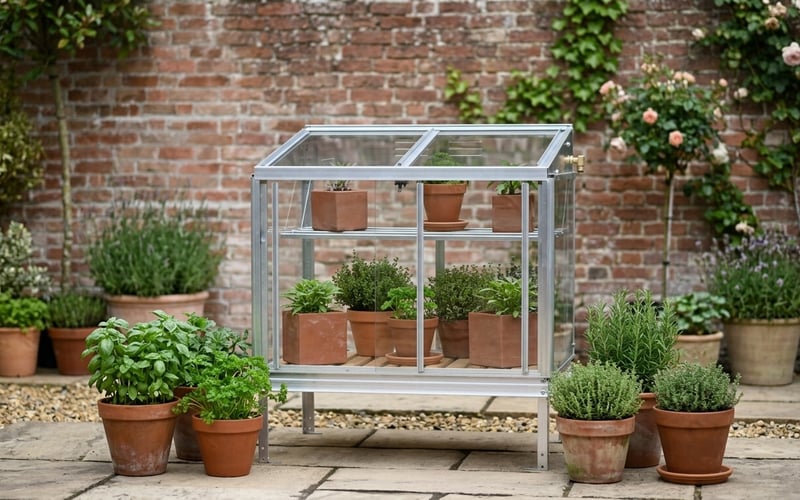
Shop our Mini Greenhouse Range →
What does a neglected greenhouse look like?
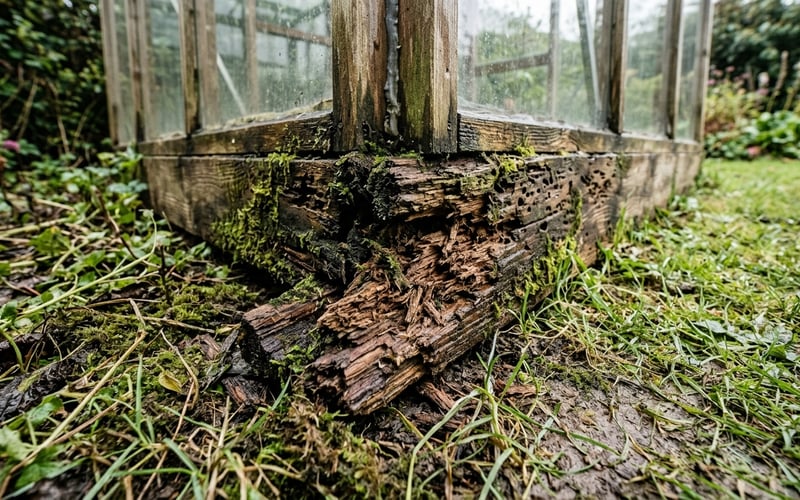
Seeing what failure looks like is the quickest way to understand why frame and coating matter. Below are three real-world failure modes we encounter on inspection calls (not our greenhouses):
- Pitted mill-finish aluminium: Surface goes matt grey with tiny dimpled craters and white oxide bloom. This cannot be polished out because the pitting is below the surface plane. The frame becomes structurally weaker because each pit is a stress concentration point.
- Yellowed polycarbonate: Twin-wall panels go from clear to a light tea colour over 8-12 years. Light transmission drops from 80% to 50-60%. Seedlings become leggy because they are light-starved.
- Rotten timber base plate: Pressure-treated softwood on a grass base wicks ground moisture into the end grain. The base plate softens, then crumbles. Once the base goes, the whole frame has to be rebuilt or scrapped.
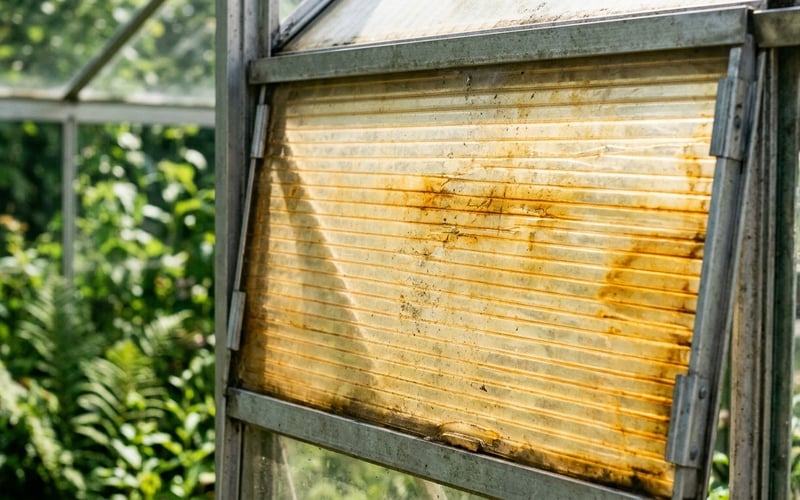
Matt's Tip: Wash the Glazing Twice a Year
The single highest-return job you can do on a greenhouse is wash the glazing every autumn and spring. Grime on the glass knocks 10-20% off light transmission, which matters more than any temperature issue in March and October. I use a soft brush, warm water and a splash of washing-up liquid (not soda, which scratches). The job takes 45 minutes on an 8x10 and adds two to three extra weeks of useful growing either side of the season. Cleaner glass also delays polycarbonate yellowing by keeping UV-absorbing dirt off the surface.
Can you extend a greenhouse's lifespan with maintenance?
Yes. Our 14-year log shows maintained greenhouses outlast neglected equivalents by 5-10 years on aluminium and 8-15 years on wood. The jobs that matter most, ranked by impact:
- Install on a dry, level base. Adds 5-10 years to any frame. Non-negotiable for wood.
- Wash the glazing twice a year. Delays polycarbonate yellowing and maintains light levels.
- Apply a microporous preservative to timber every 5-7 years. ThermoWood only needs UV protection; softwood needs full preservative.
- Re-silicone the glazing bars at year 10-15. Fresh silicone stops wind-driven rain ingress and keeps the frame corners dry.
- Touch up any powder-coat scratches within 3 months. Zinc-rich paint matched to the frame colour.
- Replace rubber W-clips at year 10-12. £20 job, extends frame life by 10+ years.
Our seasonal greenhouse aftercare checklist covers the full calendar.
Why we stock the brands we do
"Across 14 years of fitting and repairing greenhouses, the brands with the longest observed lifespans are the ones with the longest manufacturer warranties. That is not a coincidence. Elite's 20-year frame warranty on powder-coated aluminium is the longest in the UK market and reflects the thicker profile sections they cast in Bolton. Swallow's 12-year ThermoWood warranty applies equally to their greenhouses and their potting sheds, backed by the Finnish kiln-modified timber spec. Vitavia's anodised Venus range stays smooth and silver where cheaper mill-finish frames go pebbly and grey within a decade. These three brands account for roughly 85% of our repeat-customer upgrade orders, because the customers who start with them rarely need to come back for a replacement. They come back to go bigger."
- Matt W, Greenhouse Stores
Frequently asked questions
How long does an aluminium greenhouse last?
A quality aluminium greenhouse lasts 25-50 years with basic care. Elite powder-coated frames carry a 20-year manufacturer warranty and outlast their glazing. Vitavia anodised frames show minimal weathering after 10+ UK winters. Budget mill-finish aluminium lasts 8-12 years before pitting forces replacement.
How long does a wooden greenhouse last in the UK?
A ThermoWood greenhouse lasts 20-30+ years, a pressure-treated softwood greenhouse 8-15 years. Swallow ThermoWood ranges carry a 12-year manufacturer warranty and use Finnish kiln-modified timber rated for Scandinavian exterior use. Base plate rot is the usual failure point on cheaper softwood frames.
Does polycarbonate glazing need replacing?
Yes, polycarbonate glazing typically needs replacing every 10-15 years. UV exposure gradually ambers the panels and reduces light transmission by 15-30%. UV-stabilised premium polycarbonate lasts 15-20 years; budget sheets yellow in 7-10. Horticultural and toughened glass does not yellow at all.
What is the longest-lasting greenhouse brand?
Elite Greenhouses offer the longest manufacturer warranty in the UK at 20 years on powder-coated aluminium frames. We have 14-year-old Elite Classique frames on customer sites showing no frame corrosion. Swallow wooden greenhouses come second at 12 years warranty on ThermoWood.
Is ThermoWood really better than pressure-treated timber?
Yes, ThermoWood lasts 2-3x longer than pressure-treated softwood in UK greenhouse use. The Finnish kiln-modification process heats wood above 200C to permanently change cell structure, making it dimensionally stable and rot-resistant. ThermoWood is rated for exterior cladding on Scandinavian houses, which is a tougher spec than UK garden use.
How often do I need to treat a wooden greenhouse?
Apply a breathable microporous preservative every 5-7 years. ThermoWood only needs a UV-blocking oil because the kiln process already handles rot. Pressure-treated softwood needs a full preservative treatment, particularly at ground contact points. Skip this job and lifespan drops by 30-50%.
What breaks first on a greenhouse?
Glazing is the most common warranty call, followed by door runners and silicone strips. On premium frames (Elite, Swallow), rubber W-clips at year 10-15 need replacing. On budget frames, door mechanisms fail at year 3-5. The aluminium or timber frame itself outlasts the homeowner on quality brands.
Can I replace broken glazing myself?
Yes, most UK greenhouse glass is user-replaceable with standard tools. Horticultural glass costs £8-£15 per pane, toughened £15-£35. Remove the retaining clips, slide the old pane out, fit the new one, replace the clips. Budget 20 minutes per pane on your first fit, half that once you have done a few.