What to Grow in a Greenhouse in June
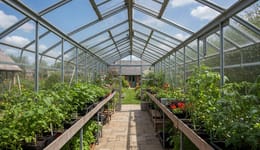
June is the peak month for UK greenhouse growing. Soil temperatures above 15C mean tomatoes, cucumbers, peppers and aubergines establish fast, while 16+ hours of daylight drive rapid growth. Sow tomato seeds by early June at the latest. Plant succession salads every two weeks for continuous harvests. Keep temperatures below 27C with automatic roof vents and damping down. Late June is also the time to sow winter lettuce, pak choi and mizuna for autumn cropping.
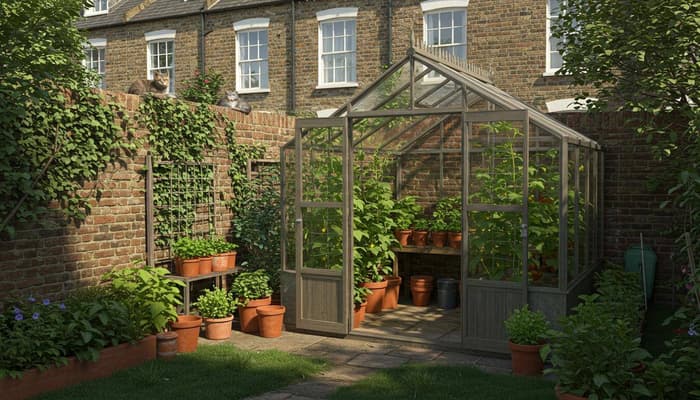
June is the peak month for UK greenhouse growing. Soil temperatures above 15C mean tomatoes, cucumbers, peppers and aubergines establish fast, while 16+ hours of daylight drive rapid growth. Sow tomato seeds by early June at the latest. Plant succession salads every two weeks for continuous harvests. Keep temperatures below 27C with automatic roof vents and damping down. Late June is also the time to sow winter lettuce, pak choi and mizuna for autumn cropping.
Key Takeaways
- Peak growing season: June is the last chance to sow tomato seeds and the ideal time for cucumbers, peppers and chillies.
- Succession plant every 2 weeks: Sow salad leaves, radishes and spring onions in small batches for continuous harvests.
- Keep below 27C: Use automatic vent openers, shading and damping down to prevent heat damage.
- Hand-pollinate fruiting crops: Tomatoes, peppers, cucumbers and melons may need help with pollination indoors.
- Plan for autumn now: Sow winter salads and oriental greens in late June for September-November harvests.
Matt's Tip: Don't Skip the Damping Down
On hot June days I soak the greenhouse floor with a hose first thing in the morning and again after lunch. It sounds too simple to work, but the evaporation pulls the temperature down by 3-5C and raises the humidity that tomatoes and cucumbers love. If you've got a concrete or paved base it works even better because the hard surface holds the water and releases it slowly. I've seen greenhouses hit 40C+ on still June days when this isn't done.
June marks a pivotal moment in the greenhouse gardening calendar. As summer temperatures rise and daylight hours reach their peak, your greenhouse becomes a productive powerhouse capable of nurturing everything from heat-loving tomatoes to crisp salad leaves. Whether you're tending a small greenhouse or managing a larger structure, June presents unique opportunities and challenges that require careful planning.
The month brings perfect conditions for establishing tender crops that will provide abundant harvests throughout summer and into autumn. Even the smallest, unheated structure will allow gardeners to extend the seasons and produce good crops of a wide range of vegetables. If you're new to greenhouse growing, our beginner's guide to greenhouse growing covers the fundamentals.
Essential Heat-Loving Crops to Plant in June
June represents the final opportunity to establish many warm-season crops from seed. The rising temperatures create ideal germination conditions, whilst still allowing sufficient growing time for a productive harvest.
Tomatoes: The Greenhouse Staple
Early June is the very latest you can plant tomato seeds for cropping this year, though seeds will germinate quickly in the warm conditions. If you've missed the seed-sowing window, young plants from garden centres can still be successfully established during June.
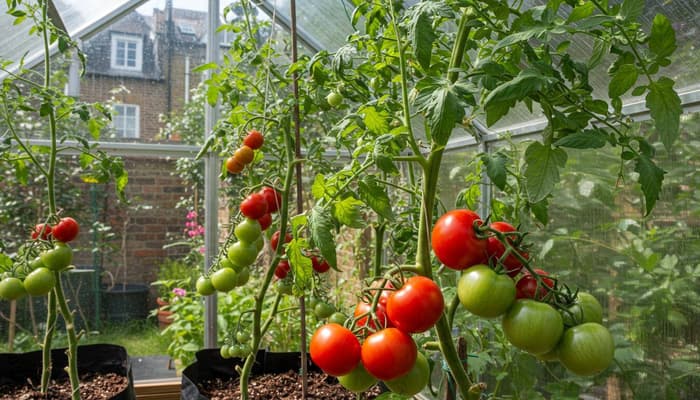
Choose varieties suited to greenhouse cultivation such as 'Sungold' for sweet cherry tomatoes, 'Gardener's Delight' for reliable cropping, or 'Shirley' for larger fruits. These varieties thrive in the controlled environment of a greenhouse, producing consistently good yields even in the variable UK climate. Our full guide to growing tomatoes in a greenhouse covers feeding schedules, disease prevention and variety selection in detail.
When planting tomatoes in June, ensure they have adequate support systems in place. Cordon varieties need strong canes or strings, whilst bush varieties benefit from being grown in large containers or growbags. Tie cordon tomatoes into strings or canes as they grow, and ensure climbing plants like cucumbers and melons have sufficient support.
Cucumbers: Cool and Refreshing
Cucumber plants thrive in the warm, humid conditions that June brings to your greenhouse. Sow cucumber seeds in early June for a continuous supply of crisp, refreshing cucumbers throughout summer. Compact varieties like 'Telegraph Improved' and 'Mini Munch' work well in smaller spaces, whilst climbing varieties can be trained up strings or canes to maximise growing area.
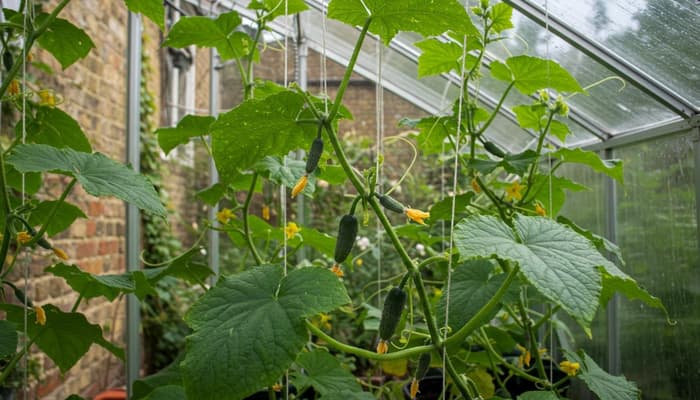
Cucumbers are hungry plants that require consistent feeding and watering. The warm June temperatures mean they'll establish quickly, but they'll also need daily attention to watering. A drip irrigation system can help maintain the consistent moisture levels these plants need.
Peppers and Chillies: Adding Spice to Summer
Plant pepper and chilli seedlings in June to ensure a plentiful harvest later in the season. Varieties such as 'California Wonder' peppers and 'Scotch Bonnet' chillies thrive in the warmth and protection of a greenhouse. These heat-loving plants benefit enormously from greenhouse cultivation, as outdoor growing in the UK can be unreliable.
Sweet peppers like 'California Wonder' provide reliable crops of thick-walled, sweet fruits, whilst chilli varieties can range from mild 'Hungarian Hot Wax' to fiery 'Scotch Bonnet'. Both require warm soil and consistent temperatures to establish well, making June planting ideal as soil temperatures remain consistently above 15C.
Quick-Growing Crops for Succession Planting
June is perfect for establishing succession plantings of fast-growing crops that will provide continuous harvests throughout summer. This approach prevents the glut-and-shortage cycle that often plagues gardeners.
Salad Leaves and Leafy Greens
Lettuce, spinach, and rocket can all be sown in June for harvest within 4-6 weeks. Rather than sowing entire packets at once, plant small amounts every two weeks to ensure a continuous supply of fresh leaves. This succession planting technique maximises productivity whilst preventing waste.
Choose heat-tolerant varieties for June sowings, as high temperatures can stress cool-season crops. 'Little Gem' lettuce and 'Red Salad Bowl' cope well with warmer conditions, whilst 'Mizuna' and 'Mustard Red Frills' add peppery flavours to summer salads.
Radishes and Spring Onions
These quick-maturing crops can be ready for harvest in as little as three to four weeks from sowing. Plant them between slower-growing crops to make efficient use of space, or use them as indicator crops to mark where slower-germinating seeds have been sown.
French Breakfast radishes provide mild, crisp roots, whilst Cherry Belle varieties offer round, bright red roots perfect for summer salads. Spring onions can be harvested at any stage, from pencil-thin scallions to more mature bulbing onions.
Advanced Greenhouse Crops for Experienced Growers
For gardeners looking to challenge themselves, June offers opportunities to establish more exotic crops that truly showcase the advantages of greenhouse growing.
Aubergines: The Heat-Loving Challenge
Aubergines require consistent warmth and careful attention, making them a rewarding challenge for experienced greenhouse gardeners. Plant young aubergine plants into their final growing position in early May for unheated greenhouses, or in late May to early June for outdoor growing after hardening off.
These plants need temperatures consistently above 20C to produce full-sized fruits, making greenhouse cultivation essential in most parts of the UK. Choose 'Black Beauty' for traditional large fruits, or 'Little Fingers' for smaller, quicker-maturing aubergines perfect for shorter growing seasons.
Water aubergine plants generously and consistently. Plants in containers are particularly susceptible to drying out and may need watering at least once a day in hot weather.
Melons: The Ultimate Greenhouse Treat
Growing melons successfully in a UK greenhouse represents the pinnacle of greenhouse gardening. Melons need 12-20 weeks from sowing to harvest depending on variety and growing conditions. June plantings will provide late summer harvests of sweet, homegrown melons that far exceed anything available in shops. Our full guide to growing melons in a greenhouse covers variety selection and training techniques.
Cantaloupe varieties like 'Sweetheart' and 'Edisto' are well-suited to greenhouse cultivation, whilst honeydew types require longer growing seasons. Each plant should produce two to four melons. The key to success lies in providing consistent warmth, adequate nutrition, and proper support for developing fruits.
Pollination becomes critical with melons. In a greenhouse you may need to hand-pollinate by transferring pollen from male flowers to female flowers using a soft brush on warm, sunny days when flowers are fully open.
|
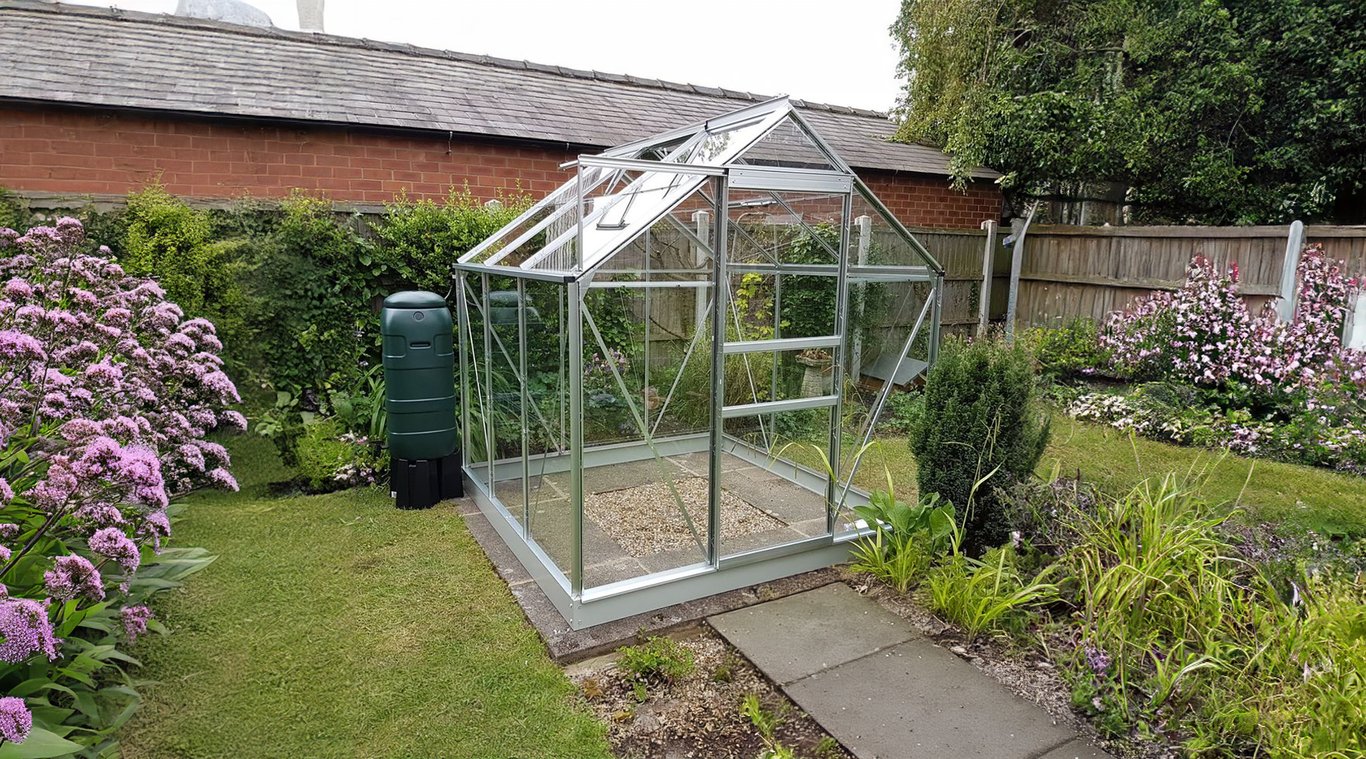
Matt's Pick for June GrowingBest For: Tomatoes, cucumbers and peppers with room to spare for salad succession sowing Why I Recommend It: The 6x6 Venus is our most popular greenhouse for a reason. It's big enough to grow 6 cordon tomatoes, a couple of cucumber plants and a tray of salads all at once, without everything being crammed in. The toughened glass means no worries about a stray football, and the two roof vents give decent airflow for June heat management. Price: £579 |
Essential Greenhouse Management for June
As temperatures rise throughout June, greenhouse management becomes increasingly critical. The difference between a thriving greenhouse and a struggling one often comes down to proper ventilation, watering, and temperature control.
Temperature Control and Ventilation
If temperatures build above 27C, plant damage can occur, making greenhouse ventilation absolutely critical during June. The ideal range sits between 20-25C during the day, with night temperatures not dropping below 15C for warm-season crops.
Automatic vent openers prove invaluable during this period, as they respond to temperature changes even when you're not around. These simple devices use expanding wax to open vents when temperatures rise and close them again as conditions cool.
For greenhouses without adequate ventilation, additional measures may be necessary. One simple way to bring heat down is to wet the floor of the greenhouse. Give the ground a good soaking with a hose or watering can - this works especially well on a paved or concrete base which absorbs more heat than soil.
Watering and Humidity Management
June's increasing temperatures mean plants require more frequent watering, but the approach matters as much as the frequency. Deep, less frequent watering encourages strong root development, whilst light, frequent watering leads to weak root systems and increased disease susceptibility.
Water plants thoroughly, ensuring the soil is evenly moist but not waterlogged. Container-grown plants, particularly those in smaller pots, may require daily watering during hot spells. Installing a drip irrigation system can help maintain consistent moisture levels whilst reducing the daily workload.
Humidity management becomes equally important. Maintaining a good level of atmospheric humidity during bright sunny weather helps guard against heat damage. Damping down - watering hard surfaces and paths - creates cooling evaporation whilst raising humidity levels that tomatoes and cucumbers appreciate.
Harvesting Early Summer Crops
June brings the excitement of harvesting the first crops from spring plantings whilst simultaneously establishing plants for late summer and autumn harvests.
Leafy Greens and Salads
Enjoy a bounty of fresh salad greens from the greenhouse in June. Lettuce, spinach, and rocket are ready for picking throughout the month, offering crisp, tender leaves for summer salads. Early morning picks often provide the crispest leaves with the best flavour.
Pick outer leaves regularly from cut-and-come-again varieties, allowing the plants to continue producing throughout the season. This approach maximises yields whilst maintaining plant health, as overgrown lettuce becomes bitter and prone to bolting in warm weather.
Root Vegetables and Quick Crops
Radishes planted in March and April reach perfect harvesting size in June, providing peppery additions to salads and sandwiches. Early carrots, particularly baby varieties, also become ready for pulling during June. These tender, sweet roots bear little resemblance to their mature counterparts, offering delicate flavours perfect for summer cooking.
Pest and Disease Management in June
The warm, humid conditions that benefit plant growth also favour many common greenhouse pests and diseases. Early identification and prompt action prevent minor issues from becoming major problems.
Common June Pests
Keep an eye out for aphids, whitefly, and spider mites, which thrive in warm, sheltered environments. These pests multiply rapidly in greenhouse conditions, making early intervention critical. Our guide to destroying greenfly covers organic methods safe for edible crops.
Red spider mites become particularly problematic in hot, dry conditions. Mist the leaves regularly with tepid water to discourage them and improve fruiting. These tiny pests are barely visible to the naked eye but cause distinctive yellowing and stippling of leaves.
Whitefly can be controlled through sticky yellow traps placed among plants, whilst beneficial insects like ladybirds help control aphid populations naturally. Regularly inspect plants for signs of infestation, and use organic control methods such as neem oil or insecticidal soap.
Disease Prevention
Monitor for fungal diseases like powdery mildew and botrytis, which spread rapidly in humid conditions. Good air circulation is essential for disease prevention, making adequate ventilation systems crucial. For a full rundown of common greenhouse problems, see our greenhouse pest control guide.
Powdery mildew appears as white, dusty patches on leaves and stems, particularly affecting cucumbers, courgettes, and peas. Removing affected leaves immediately and improving air circulation often prevents spread.
Botrytis, or grey mould, thrives in cool, humid conditions and affects wounded or weak plant tissue. Maintaining good hygiene by removing dead plant material and avoiding overhead watering during cool periods helps prevent outbreaks.
Planning for Autumn and Winter Production
Whilst June focuses on establishing summer crops, successful greenhouse gardeners also plan ahead for autumn and winter production. This forward-thinking approach ensures year-round productivity from your greenhouse investment.
Late Summer Sowings
Late June is the perfect time to sow winter salads and brassicas for autumn harvests. Hardy lettuce varieties like 'Winter Density' and 'Arctic King' can be sown now for harvesting from September onwards, providing fresh greens when outdoor crops finish.
Oriental vegetables like pak choi, mizuna, and tatsoi thrive in the cooler conditions of early autumn, making June sowings ideal for October and November harvests. These crops often grow better in the shorter days of autumn than in the long, hot days of midsummer. For more on growing through the cold months, see our guide on growing vegetables in a greenhouse all year round.
Space Planning and Crop Rotation
Measure out your greenhouse beds and floor space for growbags. Check you have room to space out all the summer crops you plan to grow. Effective space planning ensures maximum productivity without overcrowding, which leads to poor air circulation and increased disease pressure.
Consider the mature size of plants when planning layouts. Tomato plants can reach 2 metres or more in height, whilst bushy crops like peppers and aubergines require substantial horizontal space. Mini greenhouses benefit from vertical growing techniques to maximise limited space. Browse the full range of greenhouse accessories for staging, shelving and irrigation that help you make the most of every square foot.
Frequently Asked Questions
What's the latest I can plant tomato seeds in June?
Early June is the absolute latest for sowing tomato seeds for a worthwhile harvest. After this point, buying young plants from garden centres gives better results, as they'll have enough time to establish and produce fruit before autumn frosts.
How often should I water greenhouse plants in June?
Check soil moisture daily and water when the top inch feels dry. Container plants may need daily watering during hot spells, whilst plants in greenhouse borders can often go 2-3 days between waterings. Frequency depends on plant type, container size, and weather.
Do I need to hand-pollinate greenhouse crops?
Most fruiting crops benefit from hand pollination in enclosed greenhouses. Tomatoes, peppers, and aubergines are largely self-pollinating and benefit from gentle shaking or brush pollination. Cucumbers and melons require transfer of pollen from male to female flowers for fruit set.
How can I prevent my greenhouse from overheating in June?
Combine automatic ventilation, shading and damping down to stay below 27C. Open roof and side vents, use automatic vent openers, provide shading during the hottest part of the day, and soak hard surfaces with water to create cooling evaporation.
What pests should I watch for in June?
Aphids, whitefly, red spider mites and thrips are the main June greenhouse pests. Regular inspection, maintaining good hygiene, encouraging beneficial insects, and using organic control methods like neem oil help keep populations in check.
Can I grow melons successfully in a small greenhouse?
Yes, but choose compact varieties and train them vertically to save space. 'Sweetheart' F1 or 'Minnesota Midget' work well in limited spaces. Each plant needs a minimum 40cm diameter pot and strong support for developing fruits.
When should I start thinking about autumn crops?
Late June is the ideal time to sow winter salads and oriental vegetables. Hardy lettuce like 'Arctic King' and 'Winter Density', plus pak choi, mizuna, and tatsoi sown now will give you autumn harvests from September through November.