Greenhouse Foundation Types: Complete Base Comparison Guide UK
Six base types suit UK greenhouses: concrete, paving slabs, EcoBase floor kits, timber perimeter frames, decking, and bare ground. Concrete is the strongest at £150-£800 DIY. Paving slabs cost £15-£25 per m². An EcoBase plastic grid kit starts at £89 and installs in under an hour. Timber perimeters suit wooden greenhouses. Decking lifts the structure clear of damp ground. Bare ground works only for free-standing models on dry, level sites and voids most warranties. Pick the base by the greenhouse weight, the soil, and how long you plan to keep it.
Key Takeaways
- Concrete is the gold standard for any greenhouse over 8x6 or in exposed sites. DIY cost: £150-£800. Lifespan: 25+ years.
- Paving slabs balance cost and quality at £15-£25 per m². Best for 6x4 to 8x8 aluminium models on stable ground.
- EcoBase floor kits from £89 need no digging, no curing, and lift in an afternoon. Right for renters or anyone wanting a movable base.
- Timber perimeter bases match wooden greenhouses like the Swallow Kingfisher and Cedar models. Plan for £120-£250 in materials.
- Decking suits raised, sloping or wet sites. A Swift Deck kit costs £999 and self-levels on adjustable pedestals.
- Skip a proper base only if the ground is bone dry, perfectly flat, and the greenhouse is small and light.
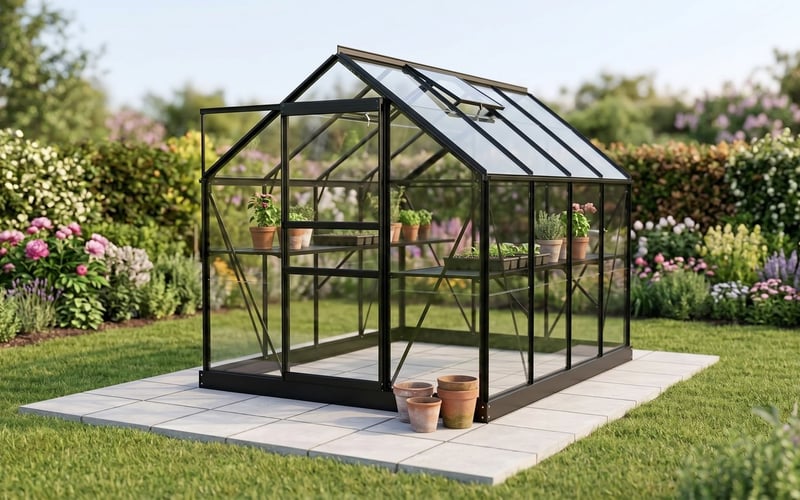
Shop the Vitavia 8x6 Black Venus 5000 →
Installer's Note
We have built greenhouse bases every week since 2012. The single biggest predictor of a long, trouble-free greenhouse life is the base under it. Glass cracks, doors jam, and frames twist when the foundation moves a few millimetres. Spend a weekend getting the base right and the structure looks after itself for decades. Cut corners and you will be re-fitting glazing every winter.
How to choose the right greenhouse base
Three factors decide your base type: greenhouse weight, soil condition, and how long the structure will stay put. Match those three and the choice usually picks itself.
Greenhouse weight matters most. A 6x4 aluminium model like the Vitavia Venus 2500 weighs around 90kg empty. A 10x8 toughened-glass Venus 5000 tops 220kg. Wooden greenhouses such as the Swallow range exceed 400kg. Heavier frames need stiffer bases. A plastic grid kit handles a Venus 2500 fine but flexes under a Swallow Kingfisher.
Soil condition rules out the wrong choices. Soft clay, made-up ground, and recently disturbed soil all settle over the first two winters. On those sites, only concrete or a deep-bedded paving slab base stays level. Free-draining loam over chalk or gravel is forgiving and accepts any base type.
For a full ground assessment before you commit, read our step-by-step ground preparation guide. It walks through site testing, slope correction, and drainage in one place.
Concrete base: strongest, longest-lasting, most work
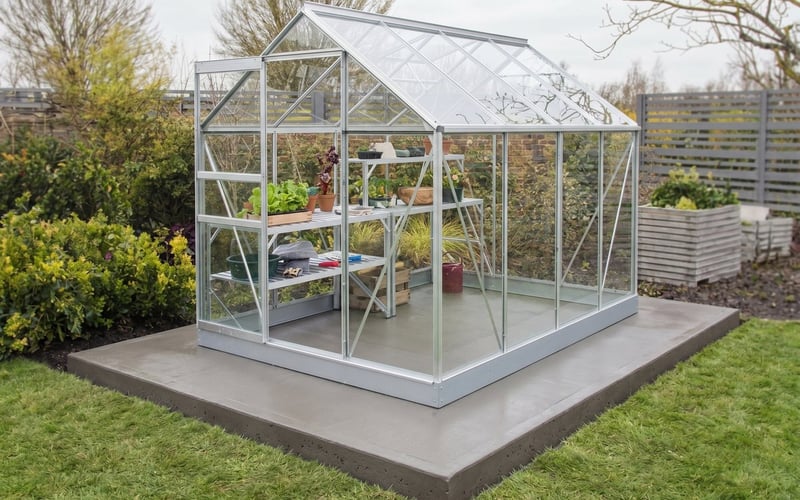
Shop the Vitavia 8x6 Venus 5000 Silver →
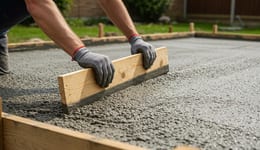
A concrete slab is the most durable base you can build, lasting 25+ years with no maintenance. Pour 100-150mm of C20 concrete over 75-100mm of compacted MOT Type 1 hardcore. The full DIY cost runs from £150 for a 6x4 to £800 for a 12x10 base. Hire a mixer, recruit a second pair of hands, and the pour itself takes two to three hours.
Concrete is the right call for three situations. First, lean-to greenhouses bolted to a house wall, which transmit wall loads into the floor. Second, any model over 10x8, where frame flex amplifies any base movement. Third, soft, sloping or made-up ground where lighter bases will settle.
The downsides are time and reversibility. You need 3-7 days of curing before building, 28 days to full strength, and the slab is permanent. Removal means a breaker hire and skip costs. Follow our DIY concrete base guide for mix ratios, edge formwork, and finishing.
Paving slab base: the best all-round choice for most UK gardens
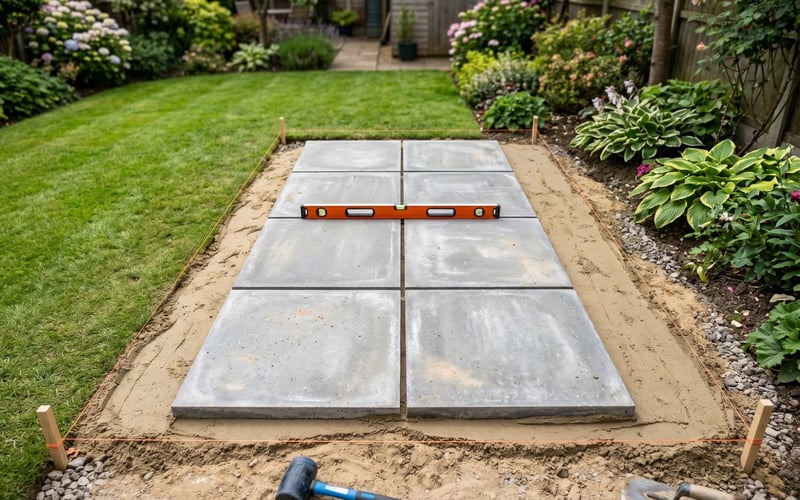
Shop the Vitavia 6x4 Venus 2500 Green →
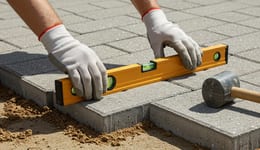
A paving slab base costs £15-£25 per square metre in materials and takes 6-8 hours for a 6x8 greenhouse. Excavate 60-80mm deep and compact the subsoil. Lay a 40mm sand-cement bedding at a 6:1 ratio. Place 600x600mm slabs with 10-15mm drainage gaps. Most aluminium greenhouses up to 10x8 sit happily on a slab base.
Slabs win on price, speed, and DIY-friendliness. Two people can build a 6x4 base in a morning. Costs run roughly £90 for a 6x4 footprint and £180 for an 8x6 in materials, including bedding sand and cement.
The risk with slabs is movement. Skip the subsoil compaction and the slabs settle differently in their first winter, twisting the greenhouse frame. Around 60% of greenhouse warranty complaints we see trace back to a poorly bedded slab base. The fix is patience: compact, level, and check with a spirit level before any glazing goes in. Our paving slab base guide covers each step in detail.
EcoBase floor kit: the no-dig alternative to concrete
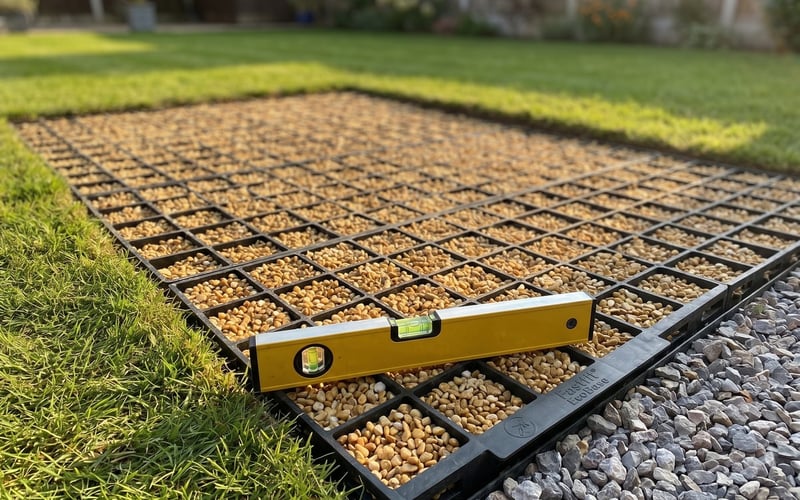
Shop the Fastfit 6x8 Greenhouse Floor Kit →
An EcoBase floor kit replaces concrete or slabs with interlocking recycled-plastic grid tiles. Each tile clicks into the next by hand and installs in under an hour with no tools. The Fastfit range starts at £89 for a 6x4 greenhouse and rises to £409 for an 8x14. Once filled with pea gravel, the grid spreads the greenhouse load and stops sinkage.
EcoBase suits three customer types. Renters who cannot lay concrete. Gardeners who may move the greenhouse later, since the kit lifts and re-lays in another spot. Anyone who wants the job done in a Saturday afternoon without a mixer hire or a curing wait.
The kits cost more per square metre than DIY paving but less than poured concrete. They are made from 100% UK recycled plastic and do not degrade in the ground. We size them by greenhouse footprint plus 100mm overhang. The greenhouse base options UK collection lists every size. Garden building variants in 9x9, 9x11, and 9x13 also fit sheds and pods.
Timber perimeter base: the right match for wooden greenhouses
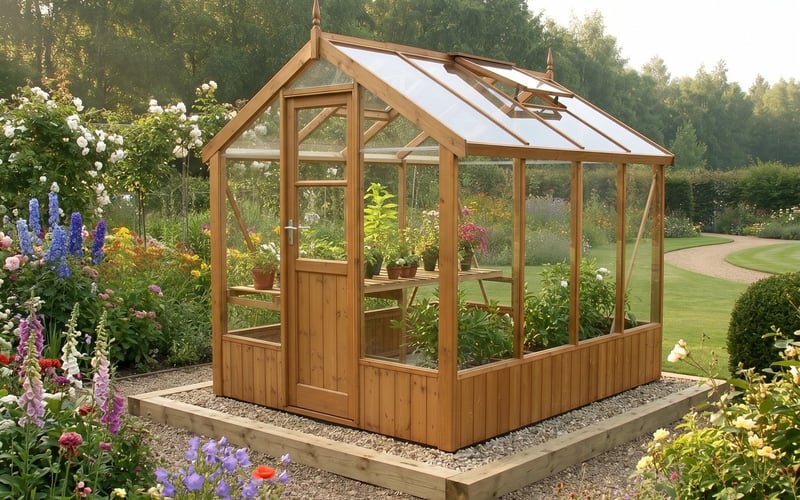
Shop the Swallow Kingfisher 6x8 Wooden Greenhouse →
A timber perimeter base uses pressure-treated softwood beams to form a level frame. The greenhouse cill bolts directly on top. Build it from 100mm x 100mm tanalised timber, joined at the corners with galvanised brackets. Bed it onto a 50mm gravel layer for drainage. Materials cost £120-£250 depending on size.
This base is the natural choice for a wooden greenhouse. The Swallow Kingfisher, Cygnet, and Falcon all sit on a timber cill. A matching timber base ties the look together. Inside the perimeter, lay weed membrane and pea gravel for a clean walking surface. The frame lifts and reuses if you ever move house.
The drawback is lifespan. Even tanalised timber rots eventually, especially where it touches damp soil. Plan for 12-15 years before replacement. Pair the base with proper anchoring or the frame can lift in a storm. Our common installation mistakes guide covers anchoring.
Decking base: best for raised, sloping or wet sites
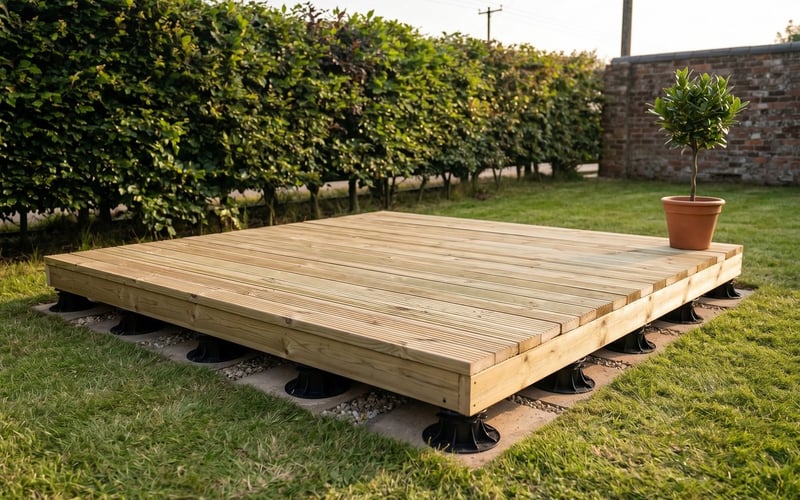
Shop the Swift Deck 2.4m x 2.4m Complete Decking Kit →
A decking base raises the greenhouse 100-150mm clear of the ground on adjustable pedestals. Composite or pressure-treated boards lock on top. The Swift Deck 2.4m x 2.4m kit costs £999 and installs in three to four hours. Each pedestal twists up or down to dial in the level. You do not need a perfectly flat site.
Decking solves three site problems. First, sloping gardens, where a level slab would mean retaining walls. Second, wet ground, where standing water wicks into the greenhouse cill. Third, small urban courtyards already finished in decking, where a matching surface looks deliberate.
The trade-off is cost. A 2.4m square deck runs roughly six times the price of a same-sized paving slab base. The deck also flexes more underfoot than concrete. It suits compact greenhouses up to 8x6 rather than full-size models. Anchor every corner of the greenhouse to a deck joist, not just the boards.
No base: when bare ground works (and when it does not)
Skipping a built base only works when the ground is dry, level, and the greenhouse is small and light. A 4x6 polycarbonate model on hard, free-draining soil can stand on a compacted gravel pad with corner anchors. We have seen these last five years without trouble.
The conditions are strict. The ground must drain freely. The site must already be flat to within 5mm across the footprint. Drive 600mm steel anchors at every corner. Any wet, soft, sloping or recently disturbed ground rules this out. Glass greenhouses without a perimeter base also struggle. The cill flexes, glazing pops, and warranties usually exclude no-base installations.
For most UK gardens, a small EcoBase or DIY slab base costs less than one cracked toughened pane. The maths almost always favours building a proper base.
Greenhouse base cost comparison: 2026 prices
| Base type | Cost (6x8 footprint) | Install time | Lifespan | Best for |
|---|---|---|---|---|
| Concrete slab | £180-£320 DIY | 1-2 days + 7 day cure | 25+ years | Large or lean-to models |
| Paving slabs | £90-£180 DIY | 6-8 hours | 15-20 years | Most aluminium 6x4 to 8x8 |
| EcoBase floor kit ⭐ | £160 kit + gravel | 1-2 hours | 20+ years | Renters, movable bases, fast install |
| Timber perimeter | £120-£200 DIY | 4-6 hours | 12-15 years | Wooden greenhouses |
| Decking kit | £999+ | 3-4 hours | 15-20 years | Sloping, wet or raised sites |
| Bare ground | £0 (anchors only) | 1-2 hours prep | Site dependent | Small models, dry level sites only |
Prices reflect 2026 Greenhouse Stores pricing for kit-form bases. Concrete and paving figures use a typical UK builders' merchant rate. Add £300-£400 for a tradesperson rather than DIY.
Which base for which greenhouse size
The base must outlast the greenhouse. We size them by frame weight, glazing type, and exposure. The matrix below covers our best-selling models.
| Greenhouse | Recommended base | Acceptable alternative |
|---|---|---|
| Vitavia Venus 2500 (6x4) | EcoBase or paving slabs | Bare ground (dry sites only) |
| Vitavia Venus 5000 (8x6) | Paving slabs or EcoBase | Concrete in exposed sites |
| Elite Streamline (5x6 to 5x10) | Paving slabs | Concrete |
| Palram Hybrid (6x8 to 8x12) | Paving slabs or EcoBase | Concrete for 8x12+ |
| Swallow Kingfisher (6x8 wooden) | Timber perimeter | Concrete with timber cill packer |
| Lean-to greenhouses | Concrete only | None (load transfers to the wall) |
| 10x8 and larger glass houses | Concrete | Heavy paving on compacted hardcore |
Our greenhouse sizing guide matches plot dimensions to model footprints. The positioning guide covers light, wind, and access decisions before you build.
Common greenhouse base mistakes (and the fix)
Mistake one: building the base too small. Match the base footprint to the greenhouse plus 100mm overhang on all sides. A flush base traps water against the cill and rots timber frames quickly.
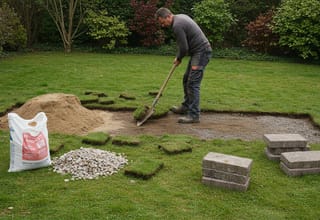
Mistake two: skipping subsoil compaction. Settling shows up in the second winter as cracked panes and jammed doors. Hire a wacker plate for £30 a day and run it over the dig until the soil rings hard underfoot.
Mistake three: no drainage gradient. Build in a 1-2% slope away from any house wall (10-20mm per metre). Standing water on a flat base is the fastest route to a frosted, mossy floor.
Mistake four: forgetting the anchors. A greenhouse without ground anchors lifts in winds above 40mph. Concrete bases need M10 anchor bolts every metre. Slab and EcoBase installations need 600mm steel pins driven through the corners. The installation mistakes guide covers the full anchor specification.
Matt's Tip: Order the base before the greenhouse arrives
The base needs to be finished and level before delivery. Order it two weeks ahead of your delivery slot. We cannot fit a greenhouse on a base poured the day before. Concrete needs a week to cure. Slabs and EcoBase need 24 hours for the bedding to settle.
|
Matt's Pick for the Best All-Round BaseBest For: Most UK gardeners installing a 6x4 to 8x14 greenhouse Why I Recommend It: Load-spread of concrete without the digging, mixing or week-long cure. We fit them in an hour, gravel-fill, and the greenhouse goes straight on top. Price: £160 for a 6x8 kit |
Frequently asked questions
What is the best greenhouse base for UK gardens?
Paving slabs and EcoBase floor kits suit 80% of UK greenhouse owners. Slabs cost £15-£25 per square metre and last 15-20 years. EcoBase kits start at £89, install in an hour, and lift if you move. Use concrete for any greenhouse over 10x8 or any lean-to model.
Do I need a base for my greenhouse?
Yes, in almost every case. A proper base keeps the frame square, the glass uncracked, and the door working. Without one, an aluminium frame can twist within a year. Most warranties require a level, full-footprint base for any claim.
How thick should a greenhouse base be?
Concrete: 100-150mm over 75-100mm of compacted hardcore. Paving: 50mm slabs on 40mm sand-cement bedding over compacted subsoil. EcoBase: 40mm tall grids on any level surface. Timber: 100mm x 100mm beams on a 50mm gravel layer.
Can I put a greenhouse on grass or soil?
Only on dry, level, free-draining ground with a small light greenhouse. Even then, drive 600mm steel anchors at every corner. Wet, sloping or clay sites need a built base. Glass houses on bare ground rarely last past three winters.
How big should the base be compared to the greenhouse?
Add 100mm to every side of the greenhouse footprint. A 6x4 greenhouse needs a base of roughly 1.97m x 1.39m. The overhang gives the cill somewhere to drain. It also keeps splashback off the glass and anchors a solid bite. Flush-fit bases trap rainwater.
How much does a greenhouse base cost in 2026?
From free to £1,000 depending on type. Bare ground: £30 in anchors. EcoBase floor kit: £89-£409. Paving slabs DIY: £90-£320. Timber perimeter: £120-£250. Concrete DIY: £150-£800. Decking kit: £999. Add £300-£400 for tradesperson labour.
Can I move a greenhouse base later?
Only EcoBase, timber perimeter, and decking bases lift cleanly. Each unscrews, cleans, and re-lays in a new spot the same weekend. Concrete and bedded paving slabs are permanent. Removal needs a breaker hire, skip, and a day of heavy work.
Related articles
- How to build a concrete base for a greenhouse: a simple DIY guide
- How to build a paving slab base for a greenhouse: complete step-by-step guide
- How to prepare ground for a greenhouse base
- What size greenhouse do I need? UK guide from expert installers
- Best position for a greenhouse UK: expert placement guide 2026