The Ultimate Guide to Slug Control
Slugs cost UK gardeners an estimated £8 million in plant damage every year. They feed at night and travel up to 15 metres in a single evening. A single slug lays up to 400 eggs per year. Morning watering alone cuts slug damage as effectively as chemical pellets. Copper barriers deliver a mild electrical shock that forces retreat. Bran scored a perfect 5/5 in Gardeners' World trials.
Slugs cost UK gardeners an estimated £8 million in plant damage every year. They feed at night and travel up to 15 metres in a single evening. A single slug lays up to 400 eggs per year. Morning watering alone cuts slug damage as effectively as chemical pellets. Copper barriers deliver a mild electrical shock that forces retreat. Bran scored a perfect 5/5 in Gardeners' World trials. This guide ranks 12 control methods by effectiveness, cost, and environmental impact — tested in real UK gardens.
Key Takeaways
- Morning watering matches chemical pellet effectiveness — and it's free.
- Bran barriers scored 5/5 in Gardeners' World trials, making slugs easy prey for birds.
- Copper tape delivers a mild electrical shock that forces slugs to retreat.
- Nematodes kill underground slugs but need soil above 5°C to work.
- Eggshells don't work — RHS studies prove slugs glide straight over them.
- Combine 3-4 methods for reliable protection across the growing season.
Installer's Note
We fit greenhouses and cold frames across the UK. Slug damage to seedlings is the number one complaint we hear in spring. The methods in this guide are what we recommend to every customer who grows from seed. Starting seedlings inside a cold frame gives them the best chance of surviving their first weeks outdoors.
Understanding Slugs: Know Your Enemy
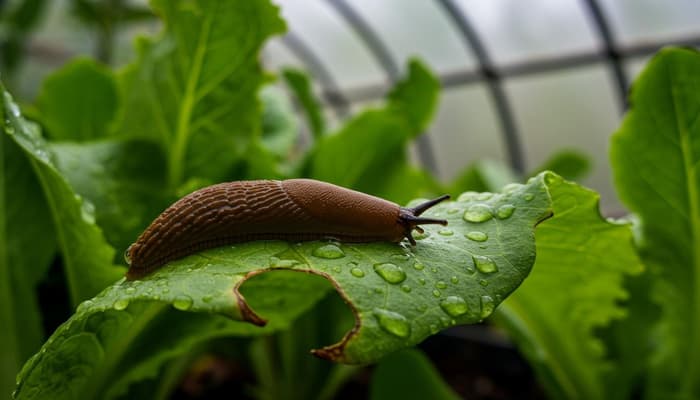
Slugs operate like nocturnal raiders. They strike on warm, damp nights when garden defences are lowest, leaving behind slime trails and devastated seedlings.
When Are Slugs Most Active?
- Spring: Peak destruction coincides with tender new growth.
- Night-time: Most feeding happens between dusk and dawn.
- After rain: Wet conditions create slug highways between plants.
Good Slugs vs Bad Slugs
Not all slugs deserve elimination. Green Cellar slugs and Leopard slugs actually help your garden by consuming fungi and decaying matter. Your real enemies are common brown field slugs — the ones targeting living plants. If you spot a Leopard slug (large, grey-brown with dark spots), leave it alone. It eats other slugs.
Prevention Methods That Cost Nothing
Prevention beats treatment every time. These strategies create conditions that slugs actively avoid — and most are completely free.
Water in the Morning
Research from the Royal Horticultural Society shows morning watering matches the effectiveness of chemical pellets. Soil dries by evening, eliminating the damp pathways slugs need to travel. This single change makes a bigger difference than most gardeners expect.
Use Dry Mulch
Straw-based mulch reduces slug damage by roughly 20%. It creates a dry, scratchy surface that slugs avoid. Added benefit: it improves soil health as it breaks down.
Keep Your Garden Tidy
Eliminate slug shelters. Remove fallen leaves, excess debris, and anything slugs hide under during daylight hours. Check under pots, garden furniture, and wooden boards — these are slug hotels.
Protect Seedlings with Bottle Cloches
Cut the bottom off a plastic bottle and place it over vulnerable seedlings. This physical barrier blocks slug access during the most critical growth phase. If you're growing seeds in a greenhouse, transplant seedlings outdoors only once they reach 10cm height. Larger plants withstand slug attacks that would destroy younger ones.
Natural Barriers: Ranked by Effectiveness
These barriers exploit slug biology to create zones they refuse to cross.
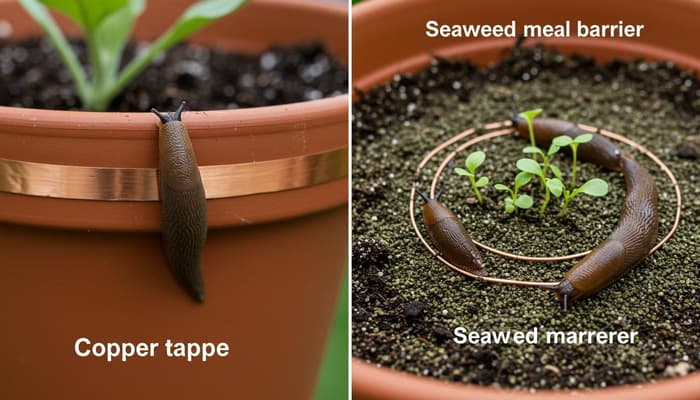
Copper Tape and Rings
How it works: Copper reacts with slug slime to deliver a mild electrical shock, forcing immediate retreat.
Best for: Container plants and raised beds. Wrap genuine copper tape (not cheap imitations) around pots. Install copper rings around vulnerable plants and bury them 2cm deep.
Rating: 4/5 — Highly effective when properly installed with clean copper.
Seaweed Meal
How it works: Natural minerals and salt content create a barrier slugs refuse to cross. Also enriches your soil.
Best for: Garden beds and individual seedlings. Create a perimeter ring around entire beds or protective circles around individual plants. Keep it 5cm away from stems.
Rating: 4/5 — Excellent protection with the bonus of soil enrichment.
Coffee Grounds
How it works: Caffeine is toxic to slugs, and the abrasive texture deters movement across the barrier.
Best for: Small areas around plant bases. Mix with compost before planting for added deterrence. Must be thick — a thin sprinkling does nothing.
Rating: 3/5 — Works when fresh but needs replacing after every rain.
Bran Barrier
How it works: Slugs gorge on bran, become bloated and dehydrated, then become easy prey for birds. It's a trap disguised as a barrier.
Best for: Ring barriers around vulnerable plants. The Gardeners' World trial rated bran 5/5 — the highest score of any method tested.
Rating: 5/5 — Top performer in controlled trials.
Greasy Barriers
How it works: Vaseline or WD-40 prevents slugs from adhering to surfaces, blocking their climbing ability entirely.
Best for: Pot rims and container edges. Apply a thick band of Vaseline around the top 3cm of pots. Reapply after rain.
Rating: 3/5 — Strong anecdotal evidence, particularly for container gardening.
Active Organic Control Methods
When barriers alone aren't enough, these methods actively reduce slug populations. For a broader view of greenhouse pests beyond slugs, see our greenhouse pest control guide.
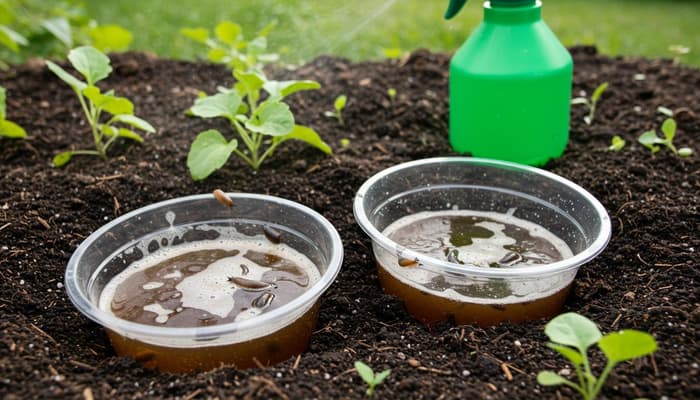
Beer Traps
What you need: Shallow containers (yoghurt pots work well) and cheap beer.
- Bury containers with the rim 1cm above soil level (prevents ground beetles falling in).
- Half-fill with beer — slugs are attracted to the yeast.
- Position at bed edges near vulnerable plants.
- Empty and refresh every 2-3 days.
Rating: 3/5 — Attracts and kills slugs, but won't protect an entire garden on its own.
Night Patrols
What you need: Torch, gloves, container of salty water.
- Patrol 2 hours after dusk with a head torch (keeps both hands free).
- Collect slugs from plants and surrounding soil.
- Drop into the salt water container.
- Relocate at least 20 metres away if you prefer the humane approach.
Rating: 4/5 — Highly effective but labour-intensive. Best during peak spring damage.
Nematodes (Biological Control)
What you need: Phasmarhabditis hermaphrodita nematodes (available from garden centres, roughly £10-15 per treatment).
- Apply to soil when temperature exceeds 5°C (typically March onwards).
- Water in during evenings when soil is moist.
- Reapply every six weeks throughout the growing season.
Rating: 4/5 — Excellent results, particularly for underground slugs. Higher cost than other methods.
Encourage Natural Predators
Build a garden ecosystem that fights slugs for you:
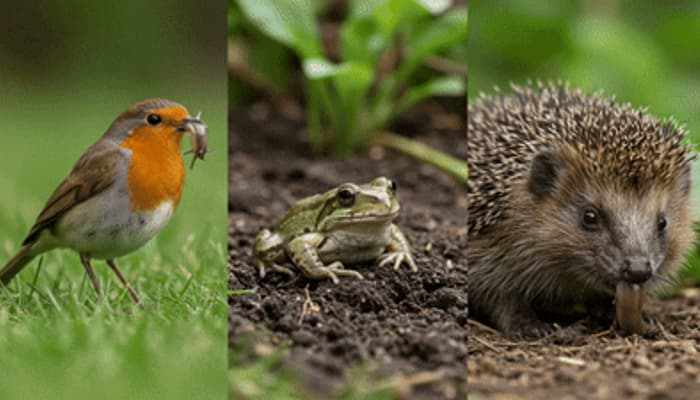
- Birds: Install feeders and baths — song thrushes are professional slug hunters.
- Frogs and toads: A small wildlife pond attracts these slug-eating machines.
- Hedgehogs: Log piles and hedgehog houses provide shelter. Leave a gap in your fence.
- Ground beetles: Rough ground cover and leaf litter attract these nocturnal predators.
Rating: 4/5 — The most sustainable long-term solution. Takes a season to establish.
Matt's Tip: The 3-Layer Defence
I tell every customer the same thing: pick one method from each category. Morning watering (prevention) + copper tape on pots (barrier) + encouraging birds (predators) gives you three lines of defence. No single method works perfectly alone, but three methods together cut slug damage by 80% or more in my experience.
Slug-Resistant Plants for UK Gardens
Stop fighting unwinnable battles. These plants naturally repel slugs through scent, texture, or chemical composition.
Slug-Resistant Flowers
- Lavender
- Foxgloves (toxic to slugs)
- Geraniums
- Phlox
- Ferns
- Euphorbia
- Scabious
- Lamb's ears
- Astrantia
Slug-Resistant Herbs and Vegetables
Many herbs double as companion plants that protect nearby vulnerable crops. If you're planning a dedicated herb patch, our guide to creating a herb garden covers layout and planting.
- Rosemary
- Chives
- Garlic
- Mint
- Fennel
- Sage
- Onions
Plants That Need Extra Slug Protection
These are slug magnets. Grow them in containers with copper tape, in a greenhouse, or surround them with bran barriers:
- Hostas (except resistant varieties like 'Blue Mouse Ears' and 'Frances Williams')
- Delphiniums
- Dahlias
- Sweet peas
- Lettuce and salad greens
- Strawberries
|
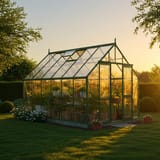
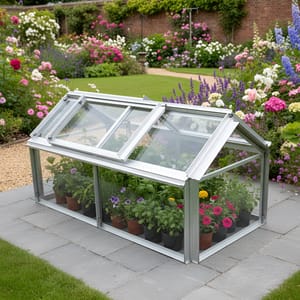
Matt's Pick for Seedling ProtectionBest For: Starting seedlings slug-free before transplanting outdoors Why I Recommend It: I've fitted hundreds of these. The 4x2 size sits against any wall or fence, and the two roof vents stop overheating. Seedlings grow to transplant size without a single slug getting near them. Price: £249 |
Methods That Don't Work (Stop Wasting Time)
These methods are repeated endlessly online but science proves they're ineffective. Save your effort for methods that actually work.
| Method | Why It Fails | Source |
|---|---|---|
| Eggshells | RHS studies confirm slugs glide over crushed eggshells without difficulty | Royal Horticultural Society |
| Salt on soil | Kills slugs on contact but destroys soil structure and burns plant roots | RHS / soil science |
| Diatomaceous earth | Only works when bone dry — completely useless in the UK's damp climate | Multiple UK trials |
| Metaldehyde slug pellets | Banned in the UK since 2022 due to water contamination and wildlife poisoning | DEFRA |
Quick Emergency Fixes
Plants under immediate slug attack? Deploy these rapid-response measures tonight:
- Copper tape wrap: Clean copper tape with vinegar first (removes oxidation), then wrap around container plants immediately.
- Coffee spray shield: Mix strong coffee with water at a 1:1 ratio. Spray around plants (never directly on leaves).
- Midnight patrol: Head torch, gloves, bucket of salty water. Two hours after dusk, collect every slug you find.
- Bottle cloches: Cut the bottom off plastic bottles and place over your most valuable seedlings overnight.
Seasonal Slug Control Calendar
Spring (March–May)
- Start seedlings in a greenhouse or cold frame for slug-free germination.
- Destroy slug eggs when turning soil — look for clusters of translucent spheres.
- Apply nematodes once soil reaches 5°C (typically mid-March).
- Deploy beer traps at bed edges.
- Install copper barriers on containers.
Summer (June–August)
- Switch to morning-only watering — this is the single biggest change you can make.
- Maintain beer traps (refresh every 2-3 days).
- Run night patrols during wet spells.
- Renew bran and seaweed barriers after heavy rain.
- Protect vulnerable crops in cold frames.
Autumn (September–November)
- Clear fallen leaves and plant debris promptly — don't give slugs winter shelters. See our full greenhouse spring prep guide for timing.
- Check under pots, garden furniture, and boards for slug clusters.
- Turn soil to expose eggs to birds and frost.
- Apply an autumn nematode treatment before soil temperature drops.
Winter (December–February)
- Plan your slug-resistant planting layout for next year.
- Build wildlife habitats: log piles for beetles, hedgehog houses, bird boxes.
- Check stored bulbs for slug damage.
- Order nematodes for early spring application.
Slug Control Methods: Comparison Table
| Method | Effectiveness | Ease of Use | Cost | Environmental Impact |
|---|---|---|---|---|
| Bran Barrier * | 5/5 | 4/5 | Low | None |
| Morning Watering | 4/5 | 5/5 | Free | None |
| Copper Barriers | 4/5 | 3/5 | Medium | Low |
| Nematodes | 4/5 | 3/5 | £10-15/treatment | Low |
| Night Patrols | 4/5 | 2/5 | Free | None |
| Seaweed Meal | 4/5 | 4/5 | Low | Beneficial |
| Natural Predators | 4/5 | 4/5 | Low | Beneficial |
| Resistant Plants | 5/5 | 5/5 | Varies | Beneficial |
| Beer Traps | 3/5 | 4/5 | Low | Low |
| Coffee Grounds | 3/5 | 4/5 | Free | Low |
| Greasy Barriers | 3/5 | 3/5 | Low | Low |
| Eggshells | 1/5 | 5/5 | Free | None |
* Matt's Pick — top performer in Gardeners' World controlled trials
Frequently Asked Questions
-
What do slugs hate most?
Slugs hate dryness, copper, and caffeine the most. They avoid dry surfaces, get an electrical shock from copper, and are poisoned by caffeine in coffee grounds. Aromatic herbs like rosemary and sage also repel them through scent.
-
Does vinegar kill slugs?
Yes, vinegar kills slugs instantly on contact. Mix equal parts water and white vinegar in a spray bottle and apply directly to slugs. Never spray vinegar on plants or soil, as the acidity burns foliage and damages soil structure.
-
What is the best natural slug control method?
Bran barriers scored 5/5 in Gardeners' World trials. The most effective overall approach combines morning watering, seaweed meal barriers, natural predator encouragement, and slug-resistant plant selection. No single method provides complete protection, but three methods used together reduce damage by 80% or more.
-
Can you get rid of slugs permanently?
Complete slug elimination is not realistic or desirable. Slugs play a role in the garden ecosystem, breaking down organic matter. Focus on population management through morning watering, physical barriers, and natural predators. Strategic plant selection also keeps damage at acceptable levels.
-
What is the best way to control slugs in the UK?
UK gardens need a multi-layered defence suited to damp conditions. Morning watering, seaweed or bran barriers, copper protection for containers, and encouraging birds and hedgehogs work best. Nematodes and beer traps are particularly effective in British conditions where soil stays moist.
-
Do coffee grounds actually stop slugs?
Coffee grounds deter slugs through caffeine toxicity. Fresh grounds applied in a thick layer around plants create an effective barrier. They lose effectiveness after rain and need replacing. A thin sprinkling does nothing. Use them as part of a combined approach rather than relying on coffee alone.
-
Are slug pellets safe to use in the UK?
Metaldehyde slug pellets were banned in the UK in 2022. Ferric phosphate pellets are the legal alternative and safer for wildlife. Use them sparingly. Organic methods like bran barriers, copper tape, and nematodes are more effective long-term without any ecological risk.