10 Common Greenhouse Growing Mistakes (and How to Avoid Them)
UK greenhouse growers lose up to 40% of their crop yield to ten avoidable mistakes. Overwatering kills more greenhouse plants than underwatering. Poor ventilation causes temperatures above 40°C in summer, scorching leaves within hours. Skipping hardening off leads to transplant shock in 70% of seedlings moved straight outdoors. A £30 max-min thermometer and a £46 auto vent opener prevent the two most common failures. This guide covers each mistake with the specific fix, based on our work with Greenhouse Stores customers since 2012 and the growing problems we see every week.
Key Takeaways
- Overwatering is the number one killer, water when the top 2cm of compost feels dry, not on a fixed schedule
- Ventilation prevents 80% of fungal problems, open vents at 18°C, open everything at 27°C
- Hardening off takes 7-14 days, move seedlings outside for increasing periods before transplanting
- Each mistake has a product fix, from auto vent openers (£46) to max-min thermometers (£30)
- Wrong compost wastes seeds, use seed compost for sowing, multipurpose for potting on
- Overcrowding cuts yields by 50%, tomatoes need 45cm spacing, cucumbers need 60cm
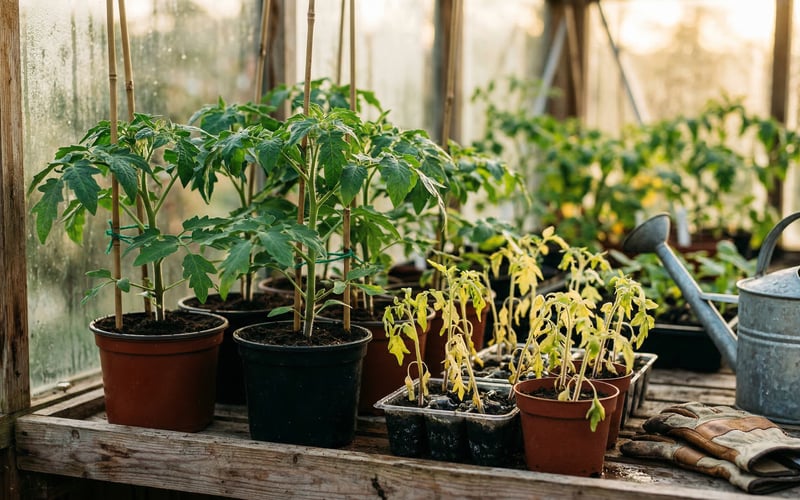
Shop the Vitavia Max Min Thermometer →
Expert Tip
We install over 800 greenhouses a year across the UK. When we come back for servicing visits, we see the same growing mistakes in at least half the greenhouses we visit. The good news is that every single one has a simple fix. Most cost less than £50 and save far more than that in wasted plants and compost each season.
1. Overwatering your greenhouse plants
Overwatering kills more greenhouse plants than drought, frost, and pests combined. In an enclosed greenhouse, water has nowhere to go. It sits around roots, cuts off oxygen, and causes root rot within days. We see this constantly, yellowing lower leaves, mushy stems, and compost that smells sour.
The fix is straightforward. Push your finger 2cm into the compost before watering. If it feels damp, leave it alone. Water in the morning so excess moisture evaporates during the day. Use saucers under pots but empty them after 30 minutes. In winter, most greenhouse plants need watering only once a week or less.
A soil moisture meter costs under £10 and removes all guesswork. For a hands-off approach, drip irrigation systems deliver exactly the right amount to each plant.
2. Poor ventilation and overheating
A closed greenhouse in June reaches 50°C by midday. At 40°C, tomato flowers drop without setting fruit. At 45°C, leaf tissue scorches permanently. We fit auto vent openers on every greenhouse we install because manual ventilation relies on the owner being home at the right time.
The rule is simple. Open roof vents when the temperature hits 18°C. Open the door and louvre vents at 22°C. Open everything at 27°C. An automatic roof vent opener uses a wax cylinder that expands with heat, no electricity needed. It opens the vent as temperatures rise and closes it when they drop.
Fit at least one auto vent for every 6ft of greenhouse length. A 6x8 greenhouse needs a minimum of two. Read our full greenhouse ventilation guide for detailed positioning advice.
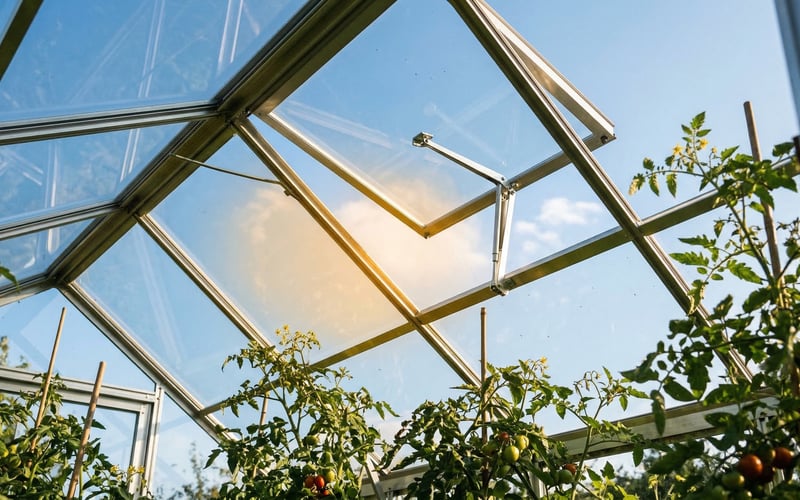
Shop the Vitavia Automatic Roof Vent Opener →
3. Not hardening off seedlings
Moving seedlings straight from a warm greenhouse to an outdoor bed causes transplant shock. Leaves wilt, growth stalls, and up to 70% of plants fail to establish. The temperature difference between a heated greenhouse (18-22°C) and a spring night outdoors (4-8°C) is simply too severe.
Hardening off takes 7 to 14 days. Start by placing seedlings outside in a sheltered spot for two hours on a mild day. Increase the time by one to two hours each day. By day seven, leave them out all day and bring them in at night. By day ten to fourteen, leave them out overnight if no frost is forecast.
A cold frame makes this process far easier. Place the seedlings inside, crack the lid a little more each day, and remove it entirely by the end of the second week. This is the single most important step between sowing and planting out.
4. Overcrowding plants
Every new grower packs too many plants in. The greenhouse looks bare in April, so you add more. By July, you cannot walk between the tomatoes, the cucumbers are fighting the peppers for light, and airflow has dropped to zero. Disease follows within days.
Correct spacing matters more than plant count. Tomatoes need 45cm between plants. Cucumbers need 60cm. Peppers need 40cm. A standard 6x8 greenhouse holds six to eight tomato plants comfortably, not twelve. Two-tier staging lets you grow on one side and leave a clear path on the other.
Our companion planting guide shows which crops share space well and which fight for the same resources. Plan your layout in February before you sow a single seed.
5. Ignoring pests until it is too late
Greenhouse pests breed faster than outdoor pests because the warm, sheltered environment suits them perfectly. A single whitefly becomes 200 within three weeks. Red spider mite populations double every five days at 25°C. By the time you spot the damage, the infestation is already established.
Check the undersides of leaves every time you water. Look for tiny white flies, fine webbing (spider mite), or clusters of green and black aphids. Yellow sticky traps hung at plant height catch flying pests early and show you exactly what is present. They cost under £5 for a pack of ten.
Biological controls work best in greenhouses because the contained environment keeps predators where you need them. Encarsia formosa parasitises whitefly. Phytoseiulus persimilis eats red spider mite. Our detailed greenhouse pest control guide covers every common UK greenhouse pest and the specific biological control for each.
6. Using the wrong compost
Multi-purpose compost is too coarse and nutrient-rich for seed sowing. Seeds either rot in the damp, heavy mix or get burned by the fertiliser. We see entire trays of failed germination every spring from growers who used the same bag of compost for everything.
Use seed compost for sowing. It is finely sieved with low nutrient levels, exactly what a germinating seed needs. Switch to multi-purpose compost when potting on seedlings at the two-true-leaf stage. For tomatoes, peppers, and aubergines, move to grow bags or large pots with enriched compost once they reach 15cm tall.
Never reuse compost from the previous year for seed sowing. It contains pathogens, has depleted nutrients, and the structure has broken down. Fresh bags cost under £5 and give your seeds the best start.
7. No shading in summer
Direct sun through glass in July creates a magnifying effect. Leaf tips burn brown, fruit develops sunscald (white patches on tomatoes), and lettuce bolts within 48 hours. Most growers add shading too late, after the damage is done.
Fit shading from late May to early September. External shade cloth blocks 40-50% of sunlight while still allowing enough through for photosynthesis. Internal shade curtains are easier to fit but less effective because the heat has already entered the greenhouse before the curtain blocks the light.
Shade paint (Coolglass or similar) is the cheapest option at under £10 per bottle. Paint it on the outside of the glass in May and it washes off naturally by autumn. For a reusable solution, roller blinds or clip-on curtain shading give you daily control.
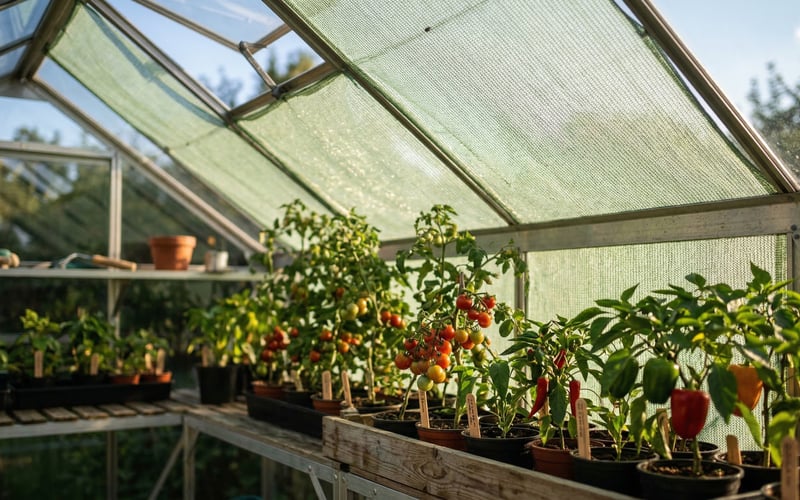
Shop the Vitavia Curtain Shading →
|
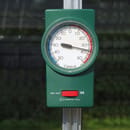
Matt's pick for temperature monitoringBest For: Tracking daily highs and lows in any greenhouse Why I Recommend It: I check the max-min reading every morning. It tells me if the greenhouse got too hot or too cold overnight without me needing to be there. It is the first accessory I tell every new greenhouse owner to buy. Price: £30 |
8. Watering leaves instead of roots
Splashing water over foliage in a greenhouse is an invitation to fungal disease. Grey mould (Botrytis) thrives on damp leaves in still, humid air. Tomato blight spreads through water droplets on foliage. We see grey mould destroy entire tomato crops every August in greenhouses where overhead watering is the norm.
Water at the base of each plant, directly onto the compost. Use a narrow-spout watering can or a drip irrigation line laid along the soil surface. Tomatoes, peppers, and cucumbers all benefit from bottom watering where you fill a tray and let the roots draw moisture upwards.
If you do get water on the leaves, open the vents immediately to increase airflow and dry the foliage quickly. Morning watering is always better than evening because the plants have all day to dry off before temperatures drop overnight.
9. Not rotating greenhouse crops
Growing tomatoes in the same spot every year builds up soil-borne diseases. Verticillium wilt, fusarium, and root-knot nematodes accumulate in the soil and become worse each season. By year three, yields drop noticeably. By year five, plants may fail entirely.
If you grow in greenhouse borders, rotate crops on a three-year cycle. Tomatoes and peppers (year one), cucumbers and courgettes (year two), salads and herbs (year three). If rotation is impossible in a small greenhouse, grow in containers or grow bags instead. Replace the growing medium each season and the problem disappears.
Grow bags cost £3-5 each and eliminate soil disease entirely. A 6x8 greenhouse uses three to four grow bags for a full tomato crop. This is why most experienced greenhouse growers have moved away from border planting altogether.
10. Planting too early in the season
The temptation to plant out in March is strong. The greenhouse feels warm during the day, the seedlings look ready, and you want to get ahead. But unheated greenhouse temperatures drop to 2-4°C on March nights. Tomatoes stop growing below 10°C. Peppers and aubergines suffer permanent damage below 8°C.
Wait until late April or early May to plant warm-season crops in an unheated greenhouse. Use a max-min thermometer to check that overnight temperatures stay above 10°C for a full week before committing tender plants. Hardy crops like lettuce, radishes, and spinach can go in from February.
Our month-by-month unheated greenhouse growing guide shows exactly which crops to plant and when, based on real UK temperatures.
Matt's Tip: Start a Greenhouse Journal
I keep a notebook in the greenhouse. Every year I write down what I planted, when I planted it, what went wrong, and what went right. After three years, you have a personalised growing calendar that no guide can match. Write down the max-min temperature every Monday morning. Note when you first spotted aphids and when the tomatoes started setting fruit. These records are worth more than any advice article.
| Mistake | What Happens | The Fix | Cost of Fix |
|---|---|---|---|
| Overwatering | Root rot, yellow leaves, sour compost | Finger test, water only when top 2cm is dry | Free (or £8 for a moisture meter) |
| Poor ventilation | Overheating, scorched leaves, fungal disease | Auto vent openers + open door at 22°C | £46, £89 per auto vent |
| No hardening off | Transplant shock, 70% seedling failure | 7-14 day gradual outdoor exposure | Free |
| Overcrowding | Poor airflow, reduced yields, disease | 45cm tomato spacing, 60cm cucumber spacing | Free (discipline costs nothing) |
| Ignoring pests | Infestations destroy crops within weeks | Weekly leaf checks + yellow sticky traps | £5 for traps, £10-20 for biocontrols |
| Wrong compost | Failed germination, seedling burn | Seed compost for sowing, multipurpose for potting on | £5 per bag |
| No shading | Sunscald, leaf burn, bolting lettuce | External shade cloth or shade paint from May | £10-36 |
| Watering leaves (Matt's fix) | Grey mould, blight, fungal spread | Water at base only, morning watering | Free |
| No crop rotation | Soil disease buildup, declining yields | 3-year rotation or grow in bags/containers | £3-5 per grow bag |
| Planting too early | Cold damage, stunted growth, crop failure | Wait for 10°C+ overnight temps (late April) | £30 for a max-min thermometer |
Frequently asked questions
What is the most common greenhouse growing mistake?
Overwatering is the most common greenhouse growing mistake in the UK. Unlike outdoor gardens where rain drains freely, greenhouse pots and borders retain moisture for longer. The enclosed environment reduces evaporation, so watering on a fixed daily schedule leads to waterlogged compost and root rot. Always check the top 2cm of compost before watering.
How do I stop my greenhouse overheating in summer?
Fit automatic roof vent openers and add shading from late May. Auto vents use a wax cylinder to open roof windows when temperatures rise above 18°C. They need no electricity and cost from £46. Open the greenhouse door and louvre vents manually when temperatures hit 22°C. External shade cloth blocks 40-50% of sunlight while keeping the greenhouse cool.
When should I plant tomatoes in an unheated greenhouse?
Plant tomatoes in an unheated greenhouse from late April to early May. Tomatoes stop growing below 10°C and suffer damage below 5°C. Use a max-min thermometer to confirm that overnight temperatures stay above 10°C for a full week before planting. Hardy salads can go in from February, but warm-season crops need warmer nights.
Do I need to rotate crops in a greenhouse?
Yes, crop rotation prevents soil-borne disease building up over successive seasons. Grow tomatoes and peppers in one position for year one, then move cucumbers and courgettes in for year two. If your greenhouse is too small to rotate, grow in containers or grow bags and replace the growing medium each year. This achieves the same result.
What should I do if my greenhouse plants have yellow leaves?
Yellow lower leaves usually indicate overwatering or nitrogen deficiency. Check the compost moisture first, if it is soggy, stop watering and let it dry out. If the compost is appropriately moist, the plant likely needs feeding. A liquid tomato feed applied weekly from flowering onwards provides the potassium and nitrogen that fruiting plants need.
How often should I water greenhouse plants?
Water when the top 2cm of compost feels dry, not on a fixed schedule. In summer, this might be daily for tomatoes in grow bags. In spring and autumn, every two to three days is typical. In winter, once a week or less. Factors like pot size, plant size, temperature, and ventilation all affect how quickly compost dries out.
Related articles
- Essential Greenhouse Accessories: What You Actually Need
- How to Set Up a New Greenhouse: First-Time Owner's Checklist
- Best Greenhouse Tomato Varieties UK: 8 Proven Picks for 2026
- 10 Common Greenhouse Installation Mistakes (and How to Avoid Them)
- What Size Greenhouse Do I Need? UK Guide from Expert Installers