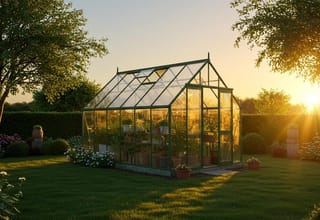
Greenhouse Flooring Options UK: Gravel, Slabs, Concrete or Soil?
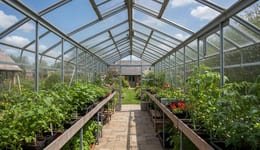
Greenhouse flooring affects drainage, temperature, pest control, and how comfortable you are working inside. Gravel over weed membrane is the most popular choice, used in around 60% of the greenhouses we install. Paving slabs suit growers who want a clean, firm surface for staging. Bare soil works best if you plant directly into borders. Concrete is permanent and easy to clean but traps cold in winter. Rubber matting adds comfort and insulation from £65. The right floor depends on how you grow, not what looks best.
Key takeaways
- Gravel is the most popular choice, 20mm pea gravel over weed membrane gives good drainage, is easy to level, and costs under £50 for a 6x8 greenhouse
- Paving slabs suit staging-based growers, firm, level surface for benches and shelving, easy to sweep clean
- Bare soil is free and suits border planting, but brings slugs, weeds, and makes the greenhouse muddy in winter
- Concrete is permanent, best for potting sheds and workspaces, but traps cold and has no natural drainage
- You can combine materials, slabs for the central path, gravel under staging, soil borders along the walls
- Fastfit EcoBase kits, interlocking plastic grids from £89 that create a level, permeable foundation without concrete
Shop Fastfit EcoBase Floor Kits →
Installer's note
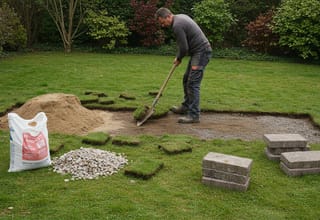
We lay flooring in greenhouses every week. The single biggest mistake we see is growers putting down flooring after the greenhouse is built. It is ten times easier to prepare the floor before assembly. Get the surface level, lay your membrane, and put down your chosen material first. Then we bolt the greenhouse frame on top. Trying to fit slabs or matting around an assembled greenhouse frame is awkward and the results are never as tidy.
What makes a good greenhouse floor?
A good greenhouse floor needs four things: drainage, stability, cleanliness, and appropriate thermal properties. Water must be able to escape or be channelled away. The surface must be level and firm enough for staging and shelving. It should be easy to sweep or hose down. And it should not make the greenhouse significantly colder in winter or hotter in summer.
The best floor for your greenhouse depends on how you grow. If you use staging and grow in pots, you want a hard, clean surface like slabs or matting. If you plant directly into the ground, you need soil borders with a path through the middle. Most growers end up with a combination, and that is perfectly fine.
Before choosing, read our new greenhouse setup checklist for the full picture of what to prepare before your greenhouse arrives.
Gravel: the most popular greenhouse floor
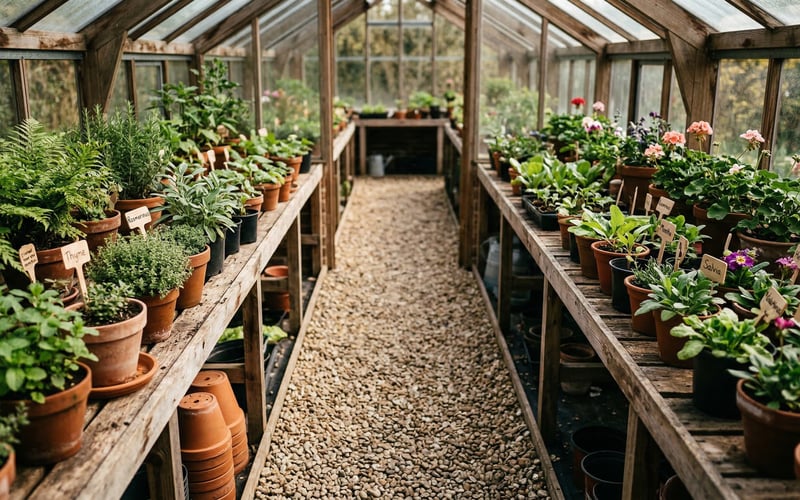
Around 60% of the greenhouses we install sit on gravel. It drains freely, suppresses weeds when laid over membrane, and makes a stable surface for staging. Pea gravel (20mm) is the best size. Anything smaller packs too tightly and holds water. Anything larger is uncomfortable to walk on and unstable for staging legs.
Lay a heavy-duty weed membrane first. Overlap the sheets by 15cm and pin them down with metal staples. Spread 50-75mm of gravel on top and rake it level. For a 6x8 greenhouse, you need roughly 0.5 cubic metres of gravel, which costs £30-50 delivered from a builders' merchant.
The main advantages are excellent drainage and the ability to damp down in summer. Hosing the gravel on hot days raises humidity around plants and helps prevent red spider mite. The main disadvantage is that gravel moves. Staging legs can shift, and it is harder to sweep clean than a hard surface.
Paving slabs: clean and firm
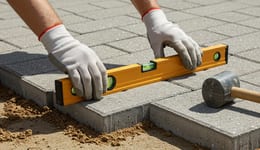
Paving slabs give you a solid, level floor that is easy to clean. They suit growers who use staging and potting benches because the legs sit firmly without sinking. Standard 450x450mm slabs laid on a 25mm sand bed work well for most greenhouses. Larger 600x600mm slabs are quicker to lay but heavier to handle.
Leave 5mm gaps between slabs for drainage. Do not point the joints with mortar, the water needs somewhere to go. A thin layer of kiln-dried sand brushed into the gaps keeps the slabs stable while allowing water through. Cost for a 6x8 greenhouse is roughly £80-120 for the slabs and sand.
The disadvantage is weight and permanence. Once slabs are down, moving them is hard work. They also absorb heat during the day and release it at night, which can be a benefit in spring but a problem in summer. Our paving slab base guide covers the full installation process step by step.
Bare soil: free but high maintenance
Bare soil costs nothing and suits growers who plant directly into greenhouse borders. Tomatoes, cucumbers, and peppers grow well in enriched border soil. You avoid the cost and effort of containers, grow bags, and watering systems. The roots can spread naturally and access deeper moisture.
The problems are real, though. Slugs and snails live in bare soil and attack seedlings overnight. Weeds germinate constantly in the warm, damp conditions. The surface turns muddy in winter and becomes slippery. Soil-borne diseases build up over time if you grow the same crops repeatedly.
If you choose bare soil, add a central path of slabs or stepping stones. Dig in 10cm of well-rotted compost each autumn to maintain structure and fertility. And follow a strict three-year crop rotation to prevent disease accumulation. Consider raised beds along the walls with a paved path through the centre, this gives you the best of both approaches.
Concrete: permanent and practical
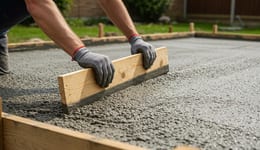
A concrete floor is the most durable and easiest to clean. It suits greenhouses used as potting sheds, propagation houses, or commercial growing spaces. A 75mm concrete slab with a light brush finish gives grip without being rough. Include a slight fall (1 in 80) towards the door for drainage.
The downsides are significant for plant growing. Concrete has no natural drainage, so water pools unless you build in a slope or drain. It absorbs cold overnight and radiates it upwards, making the greenhouse colder in winter. Heating costs increase because the floor works against you. And it is completely permanent, if you decide to move the greenhouse later, the slab stays.
Cost for a 6x8 slab is £300-500 professionally laid, or £150-250 in materials for DIY. Read our concrete base guide for the full process, including mixing ratios and curing times.
Rubber matting and floor kits: comfort and insulation
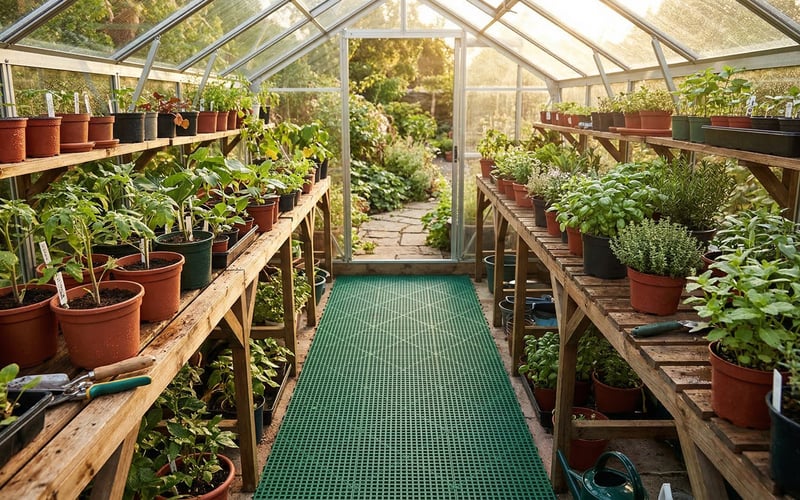
Rubber matting and interlocking floor kits are the newest greenhouse flooring option and increasingly popular with our customers. Elite Floor Matting is a heavy-duty rubber mat that insulates the floor, cushions your feet, and suppresses weeds. It lays directly onto compacted soil or an existing hard surface.
Matting adds genuine comfort if you spend hours in the greenhouse. It insulates against cold ground in winter, is non-slip when wet, and can be lifted and cleaned or moved if you relocate the greenhouse. Sizes start at 2ft x 4ft (£65) and go up to 3ft x 8ft (£125), so you can cover just the path or the entire floor.
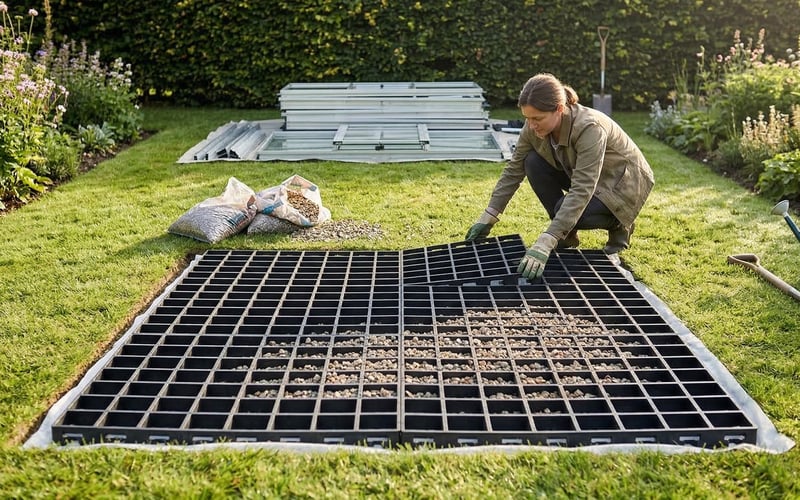
Fastfit EcoBase kits are a different approach, interlocking plastic grids that create a level, permeable base. They are quick to install (under an hour for a 6x8 greenhouse), need no concrete or hardcore, and can be filled with gravel for extra stability. Prices start at £89 for a 6x4 kit.
|
|
Matt's pick for no-dig greenhouse flooringBest For: Level, permeable base without concrete or slabs Why I Recommend It: I have fitted hundreds of these kits. They slot together in under an hour, sit directly on levelled soil, and drain perfectly. No mixing concrete, no laying slabs, no waiting for anything to cure. They are the fastest way to get a solid greenhouse floor down. Price: From £89 (6x4) to £365 (10x12) |
Combination floors: the practical approach
Most experienced greenhouse growers end up with a combination floor. The most common layout we install is paving slabs for the central path (600mm wide), gravel under the staging on both sides, and a soil border along the back wall for climbing crops like cucumbers.
This gives you a clean, firm path for walking and wheeling a barrow. The gravel under staging drains excess water from pot watering and can be damped down in summer. The soil border lets you grow directly in the ground where it makes sense. Three materials, each doing what it does best.
Plan your floor layout at the same time as your staging layout. The two decisions are linked. If you want staging on both sides with a central path, your floor plan follows automatically. If you want one side for border growing and one for staging, the materials split accordingly.
Shop Fastfit EcoBase Floor Kits →
Matt's tip: level it before you build
I cannot say this strongly enough: get your greenhouse floor level before the frame goes up. Hire a spirit level or laser level and check the surface in both directions. A 10mm slope over 2.4 metres means water pools at one end, staging rocks, and the greenhouse door does not close properly. Spending an extra hour levelling saves you problems for the entire life of the greenhouse.
| Floor Type | Cost (6x8) | Drainage | Warmth | Maintenance | Best For |
|---|---|---|---|---|---|
| Pea gravel on membrane | £30-50 | Excellent | Neutral | Low, top up annually | All-round growing, damping down |
| Paving slabs on sand | £80-120 | Good (with gaps) | Stores daytime heat | Low, sweep clean | Staging-based growers, clean workspace |
| Bare soil | Free | Variable | Cold in winter | High, weeds, slugs, mud | Border planting only |
| Concrete slab | £150-500 | Poor (needs slope) | Cold, radiates cold upward | Very low, hose down | Potting sheds, commercial growing |
| Rubber matting (Matt's pick) | £65-125 | Moderate | Warm, insulates from ground | Low, lift and clean | Comfort, insulation, easy to move |
| Fastfit EcoBase grids | £89-410 | Excellent (permeable) | Neutral | Very low | No-dig alternative to concrete |
| Composite decking | £500-990 | Good (gaps between boards) | Warm underfoot | Low, no treatment needed | Show greenhouses, garden rooms |
Frequently asked questions
What is the best floor for a greenhouse?
Pea gravel over weed membrane is the best all-round greenhouse floor for most UK growers. It provides natural drainage, suppresses weeds, can be damped down in summer to raise humidity, and costs under £50 for a standard 6x8 greenhouse. If you prefer a firmer surface for staging and benches, paving slabs on a sand bed are the best alternative.
Should I put a floor in my greenhouse?
Yes, some form of flooring is recommended for all greenhouses. Even a basic weed membrane with gravel prevents weeds, reduces slug habitat, and keeps the greenhouse cleaner. Bare soil is acceptable if you plant directly into borders, but add at least a central path of slabs or stepping stones for access. A prepared floor makes the greenhouse more pleasant and productive.
Can I put a greenhouse straight onto soil?
You can stand a greenhouse on compacted soil, but it is not ideal. The soil must be completely level and firm. Freshly dug or soft soil will shift under the greenhouse weight, causing the frame to go out of square. If you choose soil, compact it thoroughly with a plate compactor or heavy roller, and fix the base frame to ground anchor stakes for stability.
Is concrete or gravel better for a greenhouse floor?
Gravel is better for most growing situations because it drains naturally. Concrete traps water unless you build in a slope, and it radiates cold upward in winter, increasing heating costs. Concrete suits potting sheds and commercial greenhouses where easy cleaning matters more than drainage. For hobby growing, gravel wins on drainage, cost, and flexibility.
How deep should greenhouse gravel be?
Greenhouse gravel should be 50 to 75mm deep over weed membrane. Anything less than 50mm and the membrane shows through. Anything more than 75mm wastes material and makes the surface unstable to walk on. Use 20mm pea gravel for the best balance of drainage and stability. Larger aggregate is harder to walk on and smaller aggregate compacts too tightly.
Do I need weed membrane under greenhouse gravel?
Yes, always lay heavy-duty weed membrane before adding gravel. Without membrane, weeds grow up through the gravel within weeks during the warm greenhouse season. Overlap sheets by 15cm and pin them with metal staples every 30cm. Use setting-grade fabric rated at least 100gsm. Cheap membrane breaks down within a year and becomes useless.