Growing Fruit at Home: How to Do It
A greenhouse extends the UK fruit growing season by four to six weeks. It protects crops from rain, frost and wind damage. Strawberries fruit from late April when forced under glass. Grapes and figs produce reliable harvests in unheated greenhouses. Melons and peaches need temperatures above 18°C but ripen well in a 6x8ft aluminium greenhouse.
Key Takeaways
- Strawberries are the quickest win — force runners from mid-February for fruit six weeks earlier than outdoor plants
- Grapes and figs need no heating — Black Hamburgh grapes fruit reliably in a cold greenhouse
- Hand pollination is non-negotiable — greenhouses exclude bees, so brush open flowers every two days
- Ventilation matters more than heating — temperatures above 32°C damage fruit and encourage disease
- Start with two or three crops — strawberries plus grapes gives you harvests from April to October
Installer's Note
We've fitted greenhouses for 16 years. The first question new owners ask is always "What can I grow?" Fruit is the honest answer that surprises people. I've seen Black Hamburgh grapevines on the back wall of an 8x6 greenhouse produce 5kg of grapes every September. No heater needed. The greenhouse traps warmth during the day and shields fruit from rain that causes splitting outdoors.
Which fruits grow best in a UK greenhouse?
Not every fruit needs a greenhouse, but some perform far better under glass. Here are the six best greenhouse fruits for UK growers ranked by difficulty.
| Fruit | Difficulty | Harvest months | Heating needed? | Yield per plant |
|---|---|---|---|---|
| Strawberries | Easy | Apr – Jun (forced) | No | 400g – 500g |
| Grapes | Easy | Sep – Oct | No | 3kg – 5kg |
| Figs | Easy | Jul – Oct | No | 2kg – 4kg |
| Melons | Moderate | Aug – Sep | Warm days only | 2 – 3 fruits |
| Peaches | Moderate | Jul – Sep | No | 10 – 30 fruits |
| Citrus (lemons) | Hard | Year-round | Yes, 13°C min | 10 – 20 fruits |
Strawberries and grapes are the best starting point for beginners. Both crop reliably in an unheated greenhouse and need minimal space. Figs are the most forgiving tree fruit. Brown Turkey survives down to -2°C and produces two crops per year.
How to grow strawberries in a greenhouse
Greenhouse strawberries are the fastest route to fresh fruit. Force dormant runners from mid-February and you'll pick ripe berries by late April — six weeks before outdoor plants flower. Move runners outdoors from November to January so they accumulate 200 hours below 7°C. This cold period triggers the hormonal changes needed for fruiting.
Bring pots into the greenhouse in mid-February and raise the temperature gradually from 10°C to 15°C over two weeks. Hand pollinate every open flower with a soft paintbrush every two days. Honeoye, Elsanta and Cambridge Favourite are proven forcing varieties for UK greenhouse growers. Plant three to four runners per 30cm pot or hanging basket. Our full guide covers the process step by step: how to grow strawberries in a greenhouse.
Growing grapes under glass
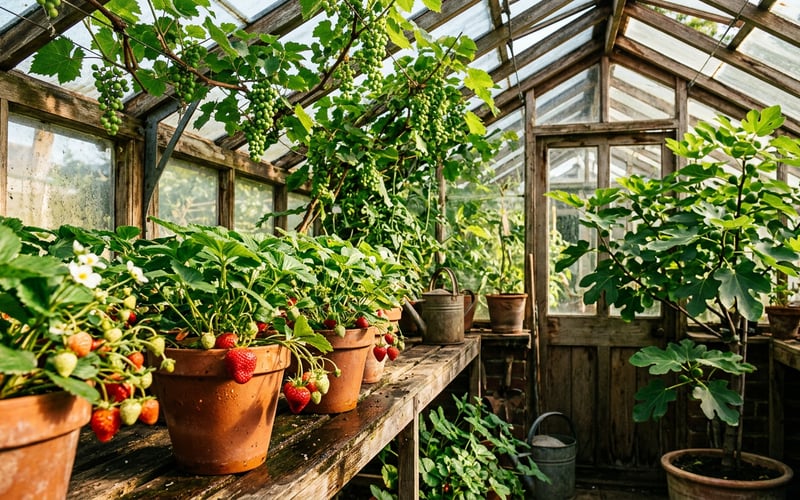
Grapes are one of the oldest greenhouse crops in Britain. Victorian gardeners grew them in purpose-built vineries, and the principle hasn't changed. Plant a vine outside the greenhouse wall. Train the main stem through a low opening so the roots stay in open ground. The canopy grows inside along wires fixed 30cm below the ridge.
Black Hamburgh is the best variety for unheated UK greenhouses. It produces large bunches of sweet, dark grapes by late September without supplementary heat. Buckland Sweetwater is another cold-tolerant option that ripens earlier. Prune hard in December and thin bunches to one per lateral shoot in June for larger individual grapes. Read our dedicated guide on how to grow grapes in a greenhouse.
Can you grow melons in a greenhouse?
Melons need consistent warmth above 18°C, which makes a greenhouse almost mandatory in the UK. Sow seeds in April, keep them at 21°C until germination, then transplant to grow bags in late May. Restrict each plant to two or three fruits to concentrate sweetness. Water consistently — irregular watering causes melons to split open just before harvest.
Hand pollination is especially important for melons because they need pollen transferred between male and female flowers. Use a soft brush on the flower centres every morning during the flowering period. Harvest when the fruit develops a dull thud when tapped and the stem begins to crack. We cover the full method in our greenhouse melon growing guide.
Matt's Tip: The hand pollination secret
I can't stress this enough — greenhouses exclude bees. If you don't hand pollinate, you won't get fruit. Keep a soft artist's paintbrush by the greenhouse door. Every two days during flowering, gently brush the centre of each open flower to transfer pollen. It takes five minutes and it's the difference between a full harvest and an empty plant.
Growing figs and peaches under glass
Figs are the lowest maintenance fruit tree you can grow under glass. Brown Turkey tolerates temperatures down to -2°C and needs almost no pruning. Plant in a large pot or restrict the roots with paving slabs buried vertically. Root restriction forces the tree to fruit rather than produce leaves. Expect two crops per year: July from embryo figs that overwintered, and September.
Peaches need a cold greenhouse rather than a heated one. They require a genuine winter dormancy period to set fruit properly. Train a fan shape against the back wall and protect from rain in early spring to prevent peach leaf curl. Thin fruits to one every 15cm along the branch for full-sized peaches. Varieties like Rochester and Peregrine crop well in UK greenhouses.
What temperature does a greenhouse need for fruit?
| Fruit | Winter rest | Growing phase | Fruiting phase | Maximum safe temp |
|---|---|---|---|---|
| Strawberries | Below 7°C | 10 – 15°C | 15 – 20°C | 25°C |
| Grapes | 0 – 10°C | 10 – 15°C | 18 – 25°C | 30°C |
| Figs | 4 – 10°C | 10 – 15°C | 18 – 27°C | 32°C |
| Melons | N/A (annual) | 18 – 23°C | 25°C | 32°C |
| Peaches | Below 5°C | 8 – 12°C | 20 – 25°C | 30°C |
| Citrus | 10 – 13°C | 13 – 18°C | 21 – 24°C | 30°C |
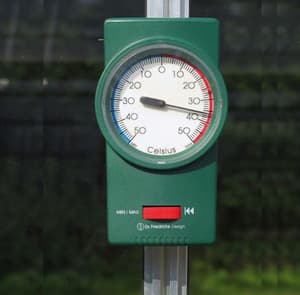
The important pattern here is that night temperatures should sit 4°C to 6°C below daytime readings. This temperature swing triggers flowering in most fruit crops. A max-min thermometer (from £30) is worth fitting from day one so you can track these ranges.
Ventilation prevents more fruit damage than heating does. Open roof vents on any day above 20°C. An automatic vent opener is worth fitting if you work away during the day. Our guide to greenhouse accessories covers must-have kit for fruit growers.
Month-by-month greenhouse fruit calendar
| Month | What to do |
|---|---|
| January | Move strawberry runners into greenhouse after 200+ chill hours |
| February | Start forcing strawberries. Prune grape vines. Inspect fig trees. |
| March | Hand pollinate strawberry flowers. Train grape side shoots. |
| April | Sow melon seeds at 21°C. First strawberry harvest (forced crop). |
| May | Transplant melons to grow bags. Peak strawberry harvest. |
| June | Thin grape bunches. Thin peach fruits to one per 15cm. |
| July | First fig crop. Daily melon watering. Feed tomato fertiliser weekly. |
| August | Melon harvest. Monitor grapes for ripeness. |
| September | Grape harvest. Second fig crop. Final melon picking. |
| October | Clear spent plants. Move strawberry runners outdoors for dormancy. |
Timings above are based on central England. Add one to two weeks if you garden in Scotland or northern England. Subtract a week in the south of England or sheltered coastal areas.
Five common mistakes when growing fruit in a greenhouse
- Forgetting to pollinate. Greenhouses exclude bees. Without hand pollination, most greenhouse fruit sets poorly or not at all.
- Overheating in summer. Temperatures above 32°C damage developing fruit and cause flower drop. Open every vent on warm days.
- Overwatering in winter. Dormant plants need very little moisture. Wet soil in cold weather causes root rot, especially in figs and grapes.
- Planting incompatible crops together. Melons need high humidity. Tomatoes prefer dry air. Growing them side by side causes problems for both.
- Ignoring soil health. Greenhouse borders accumulate disease over three to five years. Replace the top 15cm of soil or switch to grow bags and containers.
Powdery mildew and botrytis are the most common fruit crop diseases. Our greenhouse pest control guide covers prevention and treatment.
|
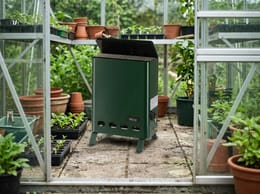
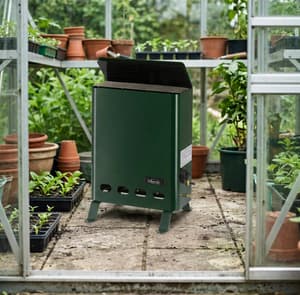
Matt's Pick for winter fruit protectionBest For: keeping citrus and tender fruit above 13°C on frosty nights Why I Recommend It: I've used this in our display greenhouse for three winters. Holds temperature without drying the air out. Price: £140 |
What equipment do you need for growing fruit?
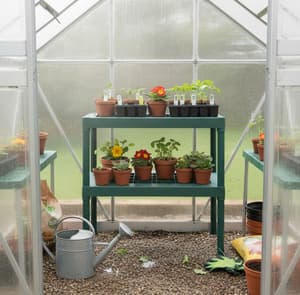
You don't need much beyond the greenhouse itself. A max-min thermometer tells you whether nighttime temperatures drop too low. Staging shelves give strawberry pots better light and keep fruit off the damp floor. An automatic roof vent opener is worth fitting if you work during the day.
For growing media, pots, bags or border growing each have advantages. Grow bags work well for melons and strawberries. Grapes and figs perform better planted in the border or in large containers. Use a tomato feed (high potassium) on all fruiting crops from flowering onwards. It promotes fruit development over leaf growth.
Useful accessories for greenhouse fruit growers
Frequently asked questions
Can you grow fruit in an unheated greenhouse?
Yes, strawberries, grapes, figs and peaches all fruit without heating. An unheated greenhouse still provides frost protection down to around -5°C and shields crops from rain and wind. Only citrus and tropical fruits need a heated greenhouse to produce fruit in the UK. Most British fruit growers use unheated glass or polycarbonate greenhouses.
What is the easiest fruit to grow in a greenhouse?
Strawberries are the easiest and quickest greenhouse fruit. Plant dormant runners in February, hand pollinate the flowers, and pick ripe berries by late April. They grow in pots, hanging baskets or grow bags. Grapes are the easiest perennial — plant once and harvest for 20 years with minimal care.
Do greenhouse fruits need hand pollination?
Yes, hand pollination is needed for most greenhouse fruits. Greenhouses keep bees and other pollinators out. Use a soft paintbrush to transfer pollen between flowers every two days during the flowering period. Strawberries, melons and peaches all benefit from manual pollination. Grapes are wind-pollinated and need less intervention.
What size greenhouse do I need to grow fruit?
A 6x8ft greenhouse is enough for strawberries, grapes and melons. Strawberries grow vertically on staging shelves. A single grapevine trained along the ridge covers the full length. Peaches and figs need more room. An 8x10ft or larger greenhouse works best for tree fruit alongside other crops. Our greenhouse size guide helps with planning.
When should I start growing fruit in my greenhouse?
February is the best month to begin greenhouse fruit growing. Force strawberry runners into growth, prune grape vines and inspect overwintered fig trees. Melon seeds follow in April. Plant bare-root grape vines and fruit trees between November and March while they are dormant. Our seed sowing calendar covers the full UK timeline.
Related articles
- Growing vegetables in a greenhouse all year round
- Companion planting in a greenhouse
- What can I grow in the greenhouse in winter?
- 6 greenhouse growing tips for beginners
- How to heat a greenhouse
Browse our full range of greenhouse accessories to get started growing fruit under glass.