
Verified Customer
Very pleased with the Greenhouse. The installation was ably carried out by your expert team - grateful thanks.
Written by Matt W, Co-Founder of Greenhouse Stores | Fact-Checked by Matt
After helping over 150,000 UK customers choose their greenhouse since 2012, I've spotted one pattern that repeats more than any other: people buy too small. About 65% of customers who come back for a second greenhouse tell us they wish they'd gone at least one size up the first time. That single insight should shape your entire buying process, and it's the kind of practical detail this guide is built around.
Whether you're comparing the 40% better heat retention of twin-wall polycarbonate against the 90%+ light transmission of toughened safety glass, or working out whether a 6x8 or 8x10 fits your growing plans, this guide gives you the specific numbers and honest trade-offs you need. No sales pitch — just 16 years of hands-on experience with 14 greenhouse brands.
Find a greenhouse that suits you
Answer ten quick questions in about two minutes. Our free finder shows your matches and the reasons for each.
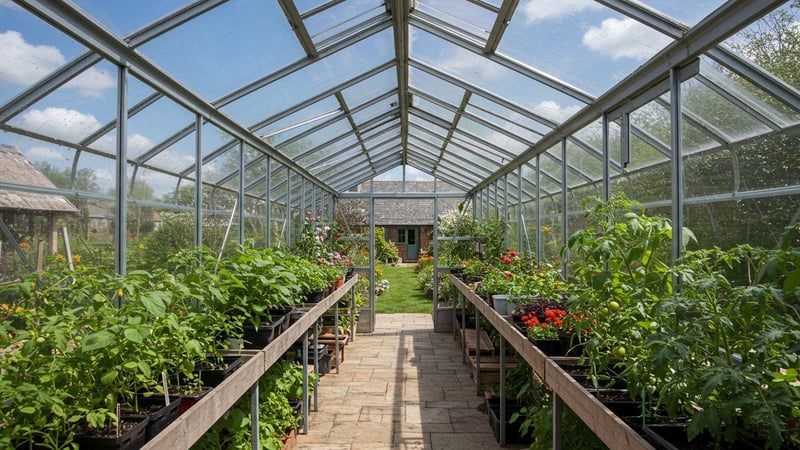
Start with what you want to grow, how much space you have, and how much you're willing to spend — these three decisions will narrow your options faster than anything else.
Getting these basics right before you start browsing greenhouses saves you from the most common buying mistakes we see. This section walks through each decision point with the specific details you need.
What you plan to grow is the single biggest factor in choosing your greenhouse type and size.
Starting seeds takes less space and different conditions than growing full-sized tomato plants. Keeping tender plants alive through winter demands insulation and heating that a seasonal grower can skip entirely.
Write down exactly what you want to grow:
This single decision drives everything from size to glazing. A gardener growing a dozen tomato plants has very different needs than someone supplying a market stall with winter greens.
Careful measurement saves expensive mistakes. The actual footprint of your greenhouse will exceed its stated dimensions. A 6x4 greenhouse typically measures closer to 6'3" x 4'3".
You'll need at least 18 inches of clearance on all sides for maintenance access. Skipping this creates ongoing problems.
Check for overhead obstructions like tree branches and roof overhangs. These cast shade and drop debris that can damage glazing. Map your garden and track seasonal sun patterns — this reveals hidden issues that a quick site check misses.
The UK's climate varies significantly, and these variations directly shape your greenhouse requirements.
Your garden's microclimate matters too. Areas sheltered by walls hold more heat than exposed spots. The north side of a brick wall can create a frost pocket in winter, while a south-facing wall stores heat like a battery. These differences will affect your heating costs and growing success. For regional growing advice, the RHS growing guides are a good reference point.
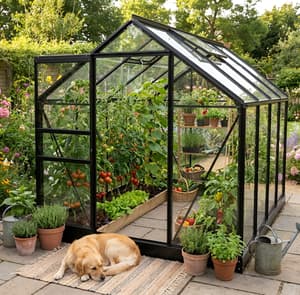
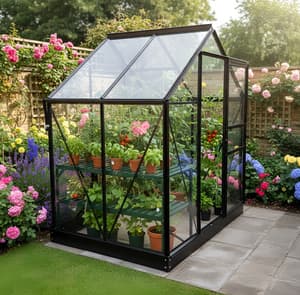
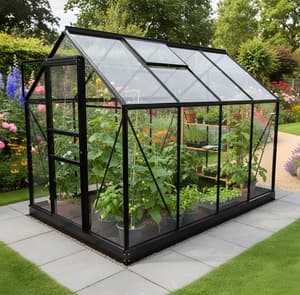
Silver aluminium and classic green frames remain popular with our customers, but we've watched buying habits shift noticeably. Black and anthracite grey greenhouses now make up around 20% of our premium sales, compared to just 15% five years back.
Dark frames look sharp against modern fencing, composite decking, and grey-toned patios. They also hide dirt and weathering better than silver — a bonus if you'd rather not scrub your frame every spring.
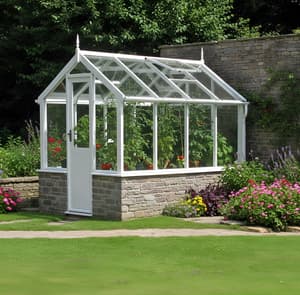
The manufacturers have caught on. Elite now offers every model in black or grey, from their smallest 6x4 up to full commercial sizes. Janssens, the Belgian brand behind those Victorian-style designs, offers black across their full range. And Vitavia offers most of their range with a black frame, plus selected models in anthracite grey.
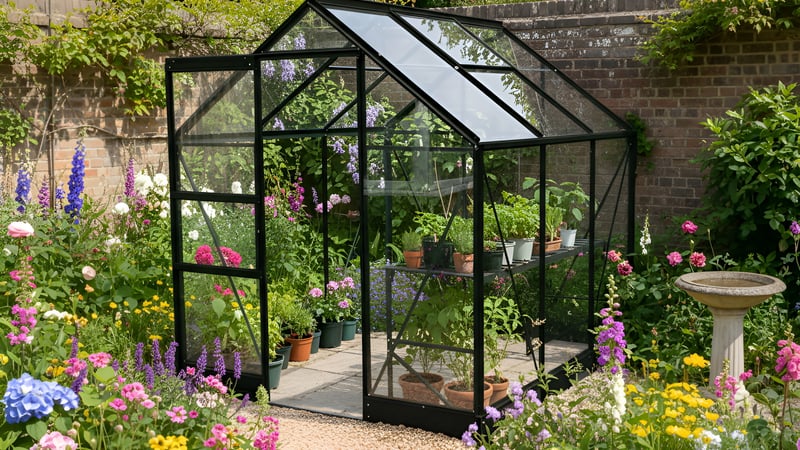
Something interesting is happening with our larger greenhouse orders. Customers aren't just thinking about growing space — they want somewhere to actually enjoy being.
More and more people are choosing Modern Greenhouses, Potting Sheds, and Orangery Greenhouses because they can have a comfortable chair and a morning coffee alongside their seed trays. The Elite Sanctuary Greenhouse is a good example — designed as both a serious growing space and somewhere you'd genuinely want to sit and relax.
This "garden room" thinking changes what buyers prioritise. Wider doors, better ventilation for year-round comfort, and easy electrical access have all moved up the wish list. Ten years ago, ordering a 10ft x 12ft greenhouse felt extravagant. Now it's increasingly the starting point for customers who want growing space that doubles as a retreat.
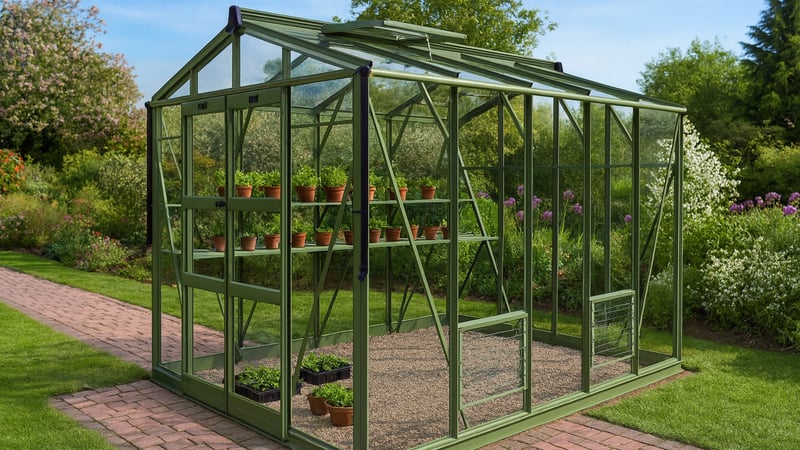
Greenhouse prices range from £300 for basic models to £3,000+ for premium structures. But the purchase price is only part of the picture.
The true cost is the lifetime value. A cheap greenhouse often ends up being the most expensive because of constant maintenance, poor energy performance, and earlier replacement.
A realistic budget should include:
Prioritise structural quality and ventilation over fancy features. Investing in automatic vents (£20–40 each) can pay for itself by reducing plant losses within two growing seasons.
Year-round growing is a significant commitment that requires daily attention. A greenhouse that performs well from March through October may struggle November through February without specific adaptations.
Successful winter growing needs:
Seasonal users (spring through autumn) can go with simpler designs, less insulation, and skip heating. This cuts both upfront and running costs while still extending the growing season by 2–3 months.
Many gardeners start with seasonal use and gradually upgrade for winter growing as their skills develop. This staged approach lets experience guide your spending. You can read more about extending your season in our greenhouse heating guide.
Aluminium is the best all-round choice for most UK gardeners — it's durable, low-maintenance, and the most affordable option per year of service life.
The frame and glazing materials you choose affect durability, maintenance, heat retention, and appearance. Here's how the main options compare.
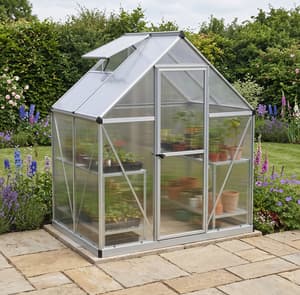
Aluminium is the most popular frame material in the UK, and the practical benefits explain why.
Pros:
Cons:
Modern powder-coated finishes in green, black, or white improve both the look and corrosion resistance. For the long-term, maintenance-free performance of aluminium is hard to beat.
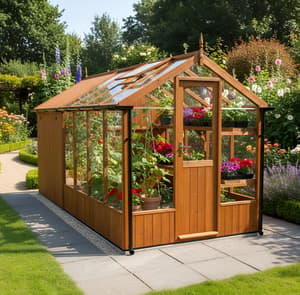
Wooden greenhouses blend into traditional garden settings in a way that aluminium simply can't match.
Pros:
Cons:
Without regular care, wooden frames rot fastest at ground contact points and joints where moisture collects.
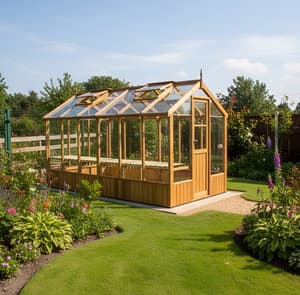
Cedar greenhouses provide natural pest and rot resistance with a classic look that ages beautifully. Thermowood greenhouses offer superior durability and warping resistance thanks to the heat treatment process. See our guide on preparing a greenhouse base — the base-to-frame junction is where most wooden frame problems start.
Polycarbonate has grown in popularity because it solves two problems at once: safety and insulation.
Pros:
Cons:
The insulating air gap in twin-wall panels is what makes the difference. For year-round growers in northern regions, the heating cost savings (£50–150/year) often outweigh the lower light transmission.
Here's a question I get asked 5–10 times a week: "Glass or polycarbonate?" My answer depends on one thing — when do you plan to grow? If you're a spring-to-autumn grower, go with toughened safety glass for maximum light. If you want to grow through winter without spending a fortune on heating, twin-wall polycarbonate pays for itself within 2–3 seasons through lower energy bills. The 40% better heat retention isn't a marketing number — it's what we consistently see from customer feedback.
Mixing materials can overcome the limitations of single-material designs.
You can also find savings of 20–30% on premium models in the greenhouse sale section, where end-of-season and display models are regularly discounted.
Buy the largest greenhouse your space and budget allow — gardeners almost never regret going bigger, but they regularly regret going too small.
Here's how standard sizes translate to real growing capacity:
Smart internal layout dramatically increases your actual growing area.
Your central path needs to be at least 18–24 inches wide for comfortable daily access. This determines your staging depth and overall workflow.
Plan for your tallest plants too. Tomatoes can reach 6+ feet, so check the ridge height before you buy. Low eaves permanently restrict your growing options.
Standard rectangular greenhouses aren't always the best fit. Consider these alternatives:
Your glazing choice affects light, insulation, safety, and running costs more than any other single decision.
Horticultural glass has been the standard for centuries, and light transmission is the reason why.
Pros:
Cons:
Standard horticultural glass (3mm) is the cheapest glazing option, but budget for replacement panes — especially in gardens with children, sports activities, or wildlife.
Toughened safety glass offers the light transmission of standard glass with far better safety for family gardens.
Pros:
Cons:
For family gardens, toughened glass is worth the premium. The reduced replacement costs often offset the higher initial price within 3–5 years.
Twin-wall polycarbonate is the go-to choice for year-round growers, especially in colder parts of the UK.
Pros:
Cons:
For year-round growers in northern regions, the heating savings of twin-wall polycarbonate (£50–150/year) often justify the higher initial cost within 2–3 seasons.
Orient your greenhouse with its longest sides facing south and north to capture maximum winter sun — this single decision affects everything else.
Your plants need at least 6 hours of direct sunlight daily throughout the growing season.
You can't compensate for poor positioning with better equipment. Sunlight is the one thing you can't buy. For detailed positioning advice, see our guide on the best position for a greenhouse in the UK.
Wind causes three specific problems for greenhouses:
To reduce wind impact:
If you're within 5 miles of the coast, wind loading is the single biggest factor in your greenhouse's lifespan. I've seen aluminium frames twisted beyond repair after just one winter storm in exposed coastal positions. For coastal sites, I always recommend: (1) toughened glass over polycarbonate (poly flexes too much in sustained winds), (2) additional base anchoring — bolted to a concrete base, not just sitting on a steel frame, and (3) a natural windbreak at least 2 metres high, positioned 3–5 times the windbreak height away from the greenhouse.
Practical access makes the difference between a greenhouse you use daily and one you avoid on wet days.
North-facing gardens are challenging but not hopeless. Here's what works:
With careful planning, north-facing gardens can be surprisingly productive. The lower risk of overheating in summer can actually benefit certain crops, and consistent indirect light suits shade-tolerant plants well.
You need ventilation equal to at least 20% of your greenhouse's floor area — anything less risks overheating and disease.
Proper ventilation and temperature control are what separate thriving greenhouses from struggling ones.
A sealed greenhouse can overheat within 30 minutes on a sunny day, with temperatures rising 20°C or more. Poor airflow leads to:
Even in winter, fresh air exchange prevents humidity buildup and oxygen depletion.
Effective ventilation needs the right mix of vent types:
When customers tell me their plants are struggling in summer, the problem is almost always ventilation — not watering. Most budget greenhouses come with just one roof vent and no side ventilation, giving you about 5–8% coverage instead of the 20% minimum. Before you buy, count the vents. If the greenhouse doesn't meet the 20% rule out of the box, factor in the cost of additional auto vents (£20–40 each) and extra louvre windows. This one upgrade prevents more plant losses than any other accessory.
Automatic vent openers give you reliable temperature control without electricity and without being home.
If you plan to grow through winter, you'll need reliable greenhouse heating:
For frost protection, maintain a minimum of 5°C. For serious winter growing, you'll need 10–13°C, which significantly increases energy consumption.
A level, solid base is the single most important factor in your greenhouse's structural lifespan — get this wrong and everything else suffers.
Your base choice determines how well the greenhouse withstands weather and maintains its frame alignment over time.
For step-by-step instructions, see our guide on preparing the ground for a greenhouse base.
The most common installation problem I see — and I've seen it hundreds of times — is a base that looks level but isn't. A 10mm variation across a 6ft span might look fine by eye, but it's enough to stop doors closing properly and put stress on glazing bars that eventually cracks glass. Spend £20 on a decent spirit level (at least 4ft long) and check diagonals. If the diagonals aren't equal, your base isn't square. Fix it before you build — not after.
Water management prevents a cascade of problems.
Standing water breeds plant diseases, attracts pests, and damages foundations.
How you install your greenhouse matters as much as which one you buy.
Most greenhouse suppliers provide lists of approved installers. For most people, the £200–600 investment in professional installation pays for itself in avoided problems.
Most UK domestic greenhouses fall under permitted development rules and don't need planning permission. Greenhouses are typically classified as 'Class E' outbuildings alongside sheds and summerhouses used for hobbies (not sleeping or commercial use).
You may need permission if:
Get written confirmation from your local planning authority before purchasing. This takes a few days and costs nothing.
The right accessories can double your growing capacity and halve the time you spend on daily maintenance.
| Accessory | Importance | Average Cost | Impact on Growing | Worth It? |
|---|---|---|---|---|
| Automatic Vent Openers | Must-have | £20–40 each | Prevents overheating, improves climate control | Absolutely |
| Staging/Shelving | Must-have | £50–200 | Increases growing space by 200–300% | Yes |
| Shading Systems | Important | £30–100 | Prevents summer scorching | Yes |
| Water Butts/Irrigation | Important | £50–150 | Reduces water usage, improves consistency | Yes |
| Thermometer/Hygrometer | Must-have | £10–30 | Monitors temperature and humidity | Absolutely |
| Heater | Varies by climate | £50–300 | Enables winter growing | Depends on goals |
Good organisation makes your greenhouse more productive and more enjoyable to use.
Keep greenhouse tools separate from garden tools to prevent cross-contamination and disease spread.
Good staging and shelving can increase your growing capacity by 200–300% and create a more comfortable workspace.
Make sure your staging is at least 60cm deep for comfortable working and adequate plant space.
A good watering system saves hours every week and improves plant health.
Temperature management keeps your greenhouse productive year-round.
External shading outperforms internal options because it blocks heat before it enters the glass. This is why external systems cost more but deliver better results.
A decent starter greenhouse costs from £300, and spending wisely on frame quality and ventilation gives you better long-term value than any premium accessory.
You don't need a premium greenhouse to get started. Entry-level models (£300+) cover the basics: ventilation, access, and a weatherproof growing environment.
To make sure your greenhouse lasts and stays useful:
Browse both small greenhouses and large greenhouses to see what's available at each price point.
A small greenhouse doesn't mean small harvests. These techniques make every square foot count:
For step-by-step growing plans, see our greenhouse growing guide.
The five main drawbacks are upfront cost, ongoing maintenance, temperature management, pest concentration, and permanent space commitment.
October through January typically offers the best prices and widest installation availability. Demand drops in autumn and winter, so manufacturers and retailers often run seasonal promotions. You'll also have more flexibility on delivery dates and professional installation slots.
Orient the longest sides to face south and north for maximum winter sun exposure. This positioning captures the low-angle winter sunlight across the largest glass area, which is when light levels matter most for extending your growing season.
Place it at the furthest northern boundary of your garden so your house doesn't shade it. Maximise glazing on the south-facing walls, choose polycarbonate for its insulation advantage in low-light conditions, and budget for supplementary lighting and heating.
An 8x6 greenhouse (48 sq ft) is our recommended starting point for most beginners. It gives you proper staging on both sides with a functional central path. If your space and budget allow, go bigger — 65% of returning customers wish they'd chosen a larger size first time round.
Toughened glass is 5–7 times stronger and breaks safely into small granules instead of dangerous shards. Horticultural glass (3mm) is cheaper but breaks into large, razor-sharp pieces. Toughened glass costs 30–40% more upfront but reduces long-term replacement costs and is far safer in family gardens.
Your greenhouse is a long-term investment. Prioritise the fundamentals — sizing, positioning, ventilation, and solid construction — and you'll have a productive growing space for 25+ years with minimal upkeep.
Focus on lifetime value rather than just the sticker price. A well-built greenhouse that lasts decades beats a cheaper model that needs replacing in 5–7 years.
Match your greenhouse to your growing ambitions, climate, and maintenance preferences. The right choice now means better harvests and fewer headaches for years to come.
For personalised help choosing the perfect greenhouse, our team is ready:
Most of our ranges are fully customisable. Learn more about our bespoke options.
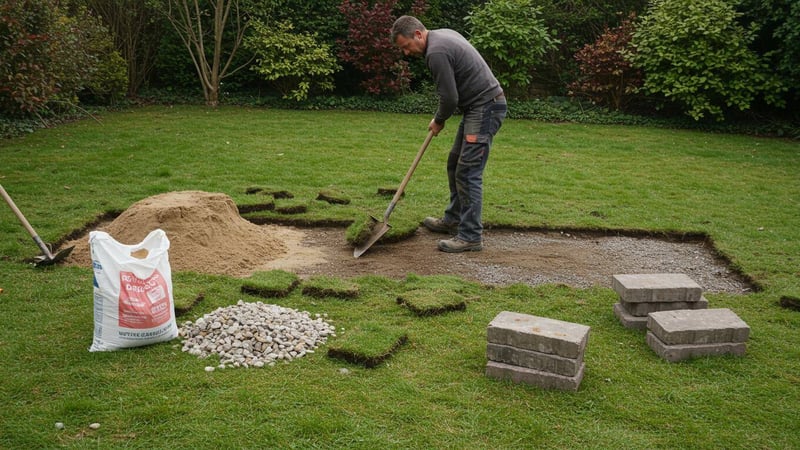
A solid base is the backbone of any greenhouse. You might think skipping this step saves time, but trust me — I've seen plenty of greenhouses fail because of poor foundations. A dodgy base causes more headaches than you'd believe.
What happens with a bad base? Glass cracks. Doors jam. The structure twists. Water pools where it shouldn't. And fixing these problems costs way more than doing it right first time.
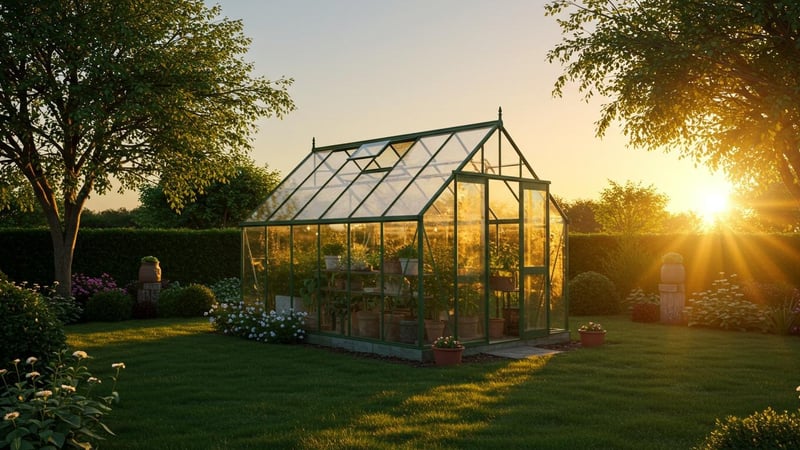
Placing your greenhouse in the right spot makes all the difference between thriving plants and disappointing results. As a greenhouse specialist who's spent over 15 years helping UK gardeners optimise their growing spaces, I've seen first-hand how position affects everything from temperature to plant health.
Let me share what actually works in our unique British climate. The greenhouse position might seem like a minor detail, but it's one of those things that can make or break your growing success.