What Can I Grow In the Greenhouse In Winter?
A greenhouse can keep useful crops growing through a UK winter. Kale, spinach, carrots, lettuce and hardy herbs all cope well with cooler conditions. The greenhouse shelters them from wind, heavy rain and frost. Add insulation or thermostatically controlled heat when your plants need more protection.
Key Takeaways
- Choose cold-hardy crops such as kale, spinach, carrots, lettuce and winter herbs.
- Expect slower growth during December and January when daylight is limited.
- Use a maximum-minimum thermometer so you know how cold your greenhouse gets overnight.
- Add bubble insulation first, then use a thermostatically controlled heater if frost protection is needed.
- Keep plants drier than in summer and ventilate on mild days to reduce condensation.
Get Your Greenhouse Ready for Winter
Check the overnight temperature, reduce heat loss and give pots a tidy working area before the first frost.
Shop Greenhouse Heaters Shop Greenhouse Insulation Shop Greenhouse Staging
Keep Winter Growing Simple
Start with crops that suit cool conditions. Clean the glazing, watch the overnight temperature and insulate before buying extra heat. A heater is most useful as targeted frost protection rather than a way to recreate summer.
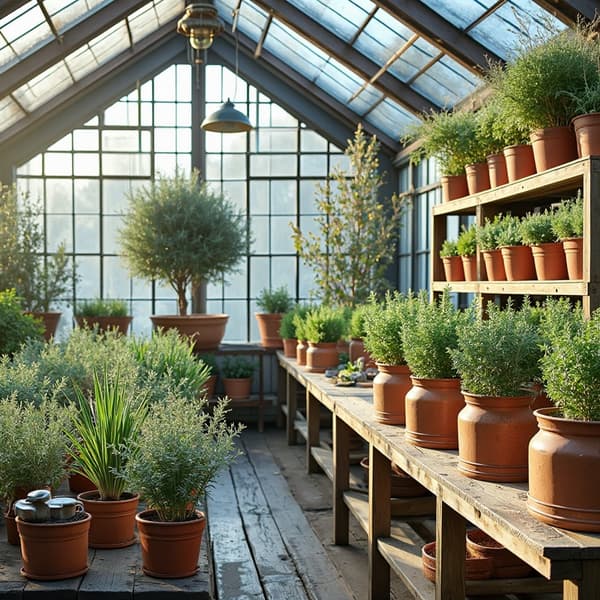
What Grows in a UK Greenhouse in Winter
A greenhouse gives your garden a real advantage in the colder months. It extends your planting window, protects fragile plants, and opens up more choices for what you can grow. If you are looking for greenhouses for sale, we have sizes to suit every garden.
Your winter success depends on three things: location, greenhouse size, and your growing goals. Northern gardens get less light, so choose fast-growing crops. Smaller greenhouses heat up quickly but lose warmth fast overnight.
Patience matters in winter. Plants grow more slowly with reduced daylight. Your vegetables may need double the usual growing time compared to summer. Some crops will not reach full size, but they will still produce a worthwhile harvest.
Growth often pauses in December and January when daylight drops below eight hours. This is normal. As long as your plants stay healthy and green, they will bounce back once the days lengthen in February. You may see weeks with no visible change. Give them time.
Keeping Your Greenhouse Warm
Winter greenhouse growing is a different experience to summer. In a cool climate, you need to plan what you grow and when you grow it. January and February bring the least light and heat, so your greenhouse may need some help.
Passive Solar Heating
Containers of water can absorb some warmth during sunny periods and release it as the air cools. Treat this as a small helping hand, not reliable frost protection. If valuable plants must stay above a set temperature, use a thermostat-controlled heater instead.
Electric Heaters
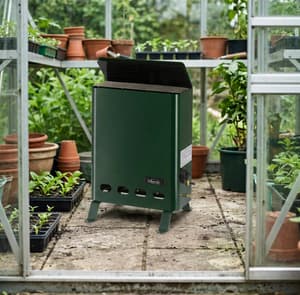
Fan heaters circulate air as well as heat. A built-in thermostat lets the heater run only when the temperature drops below your chosen setting. Match that setting to the plants you are protecting and check it with a separate thermometer.
Heat Pads
Purpose-built horticultural heat mats warm seed trays without heating the whole greenhouse. Use a model designed for propagation and follow its safety instructions. Do not use household heat pads in a damp greenhouse.
Insulation
Fabric row covers reduce heat loss and create a warmer microclimate around individual plants. This is especially important for seedlings, which are more vulnerable to temperature drops.
Keep the area around the greenhouse clear so the glazing receives as much winter light as possible. Concentrate insulation inside the frame, where it is easier to fit neatly and check for gaps.
Greenhouse bubble insulation reduces draughts and slows heat loss through the glazing. Fit it inside the frame without blocking vents or doors. You can also protect individual pots when only a few plants need help. Read our full guide on how to insulate a greenhouse for step-by-step instructions.
Grow Lights for Dark Winter Days
When daylight drops below eight hours, supplemental lighting helps light-hungry crops. LED grow lights are the most energy-efficient option. Position them 30–45cm above your plants and run them for 4–6 hours to extend the effective day length. Not every crop needs them. Leafy greens and root vegetables cope well with natural winter light.
Winter Watering Tip
Water in the morning so leaves and surfaces can dry before temperatures fall. Check the compost rather than watering to a fixed schedule. Plants use less water in winter, and damp, still air encourages mould.
Useful Kit for Winter Greenhouse Growing
You do not need to heat every greenhouse. These practical additions help you measure the temperature, reduce heat loss and organise plants. The heater is there when particular crops need reliable frost protection.
Winter greenhouse essentials
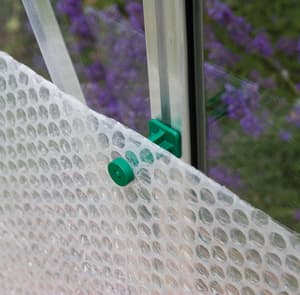
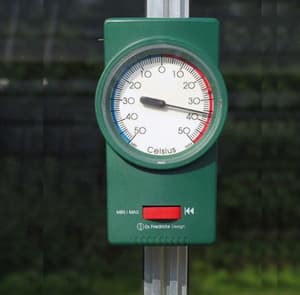
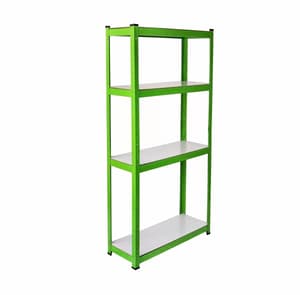
See all greenhouse heaters, greenhouse insulation and greenhouse staging.
Winter Hardy Crops for Your Greenhouse
These vegetables grow well through the coldest months in a UK greenhouse. Choose cold-hardy varieties and sow successively for a continuous harvest.
Cabbage and Broccoli
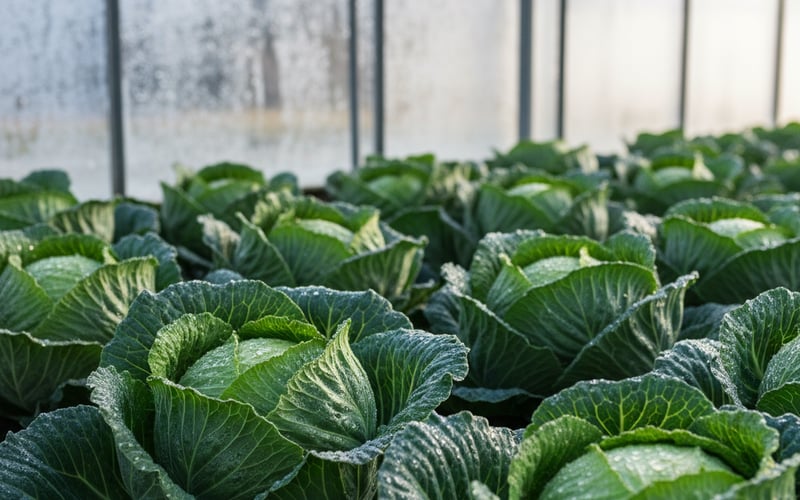
These brassicas prefer night temperatures of 7–13°C and day temperatures of 10–21°C. Anything warmer and they bolt rather than forming heads. Start them in mid to late winter for spring transplanting outdoors. Or keep them in the greenhouse all winter, provided you maintain steady temperatures. We recommend choosing varieties labelled "overwintering" on the seed packet.
Potatoes
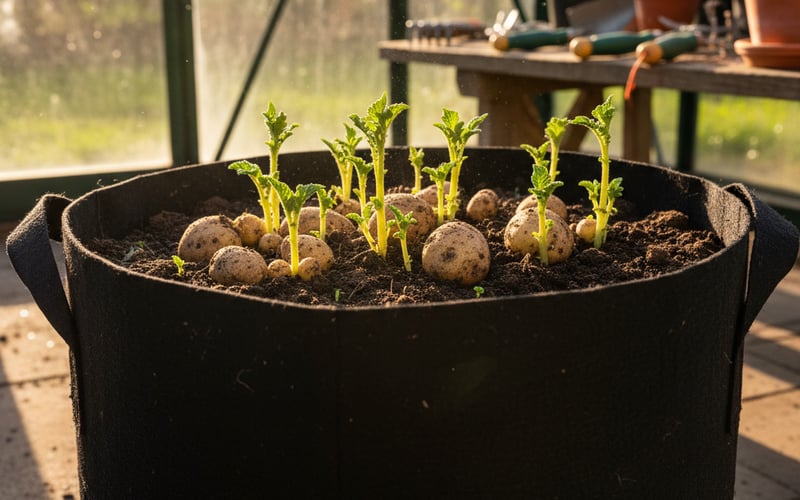
Plant potatoes in large buckets or thick plastic grow sacks. A January planting is ready to harvest in March. A February start can stay in any Vitavia greenhouse through to maturity. If the weather is mild, move them outside for a late April harvest. Potatoes are frost-sensitive, so add heat or cover the plants if temperatures drop below 0°C. Read our full guide on how to grow potatoes for more detail.
Carrots
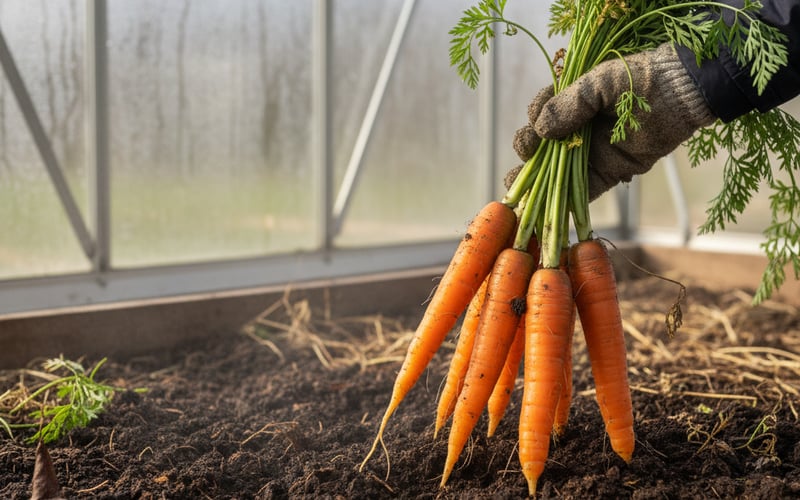
Sow carrots in autumn and harvest as soon as the soil thaws. If you get a mild spell before spring, check them early. They may already be ready. The variety makes a real difference here. Choose a cold-hardy cultivar like Nantes or Chantenay. These varieties tolerate lower temperatures and develop sweeter flavour after a frost.
Lettuce and Greens
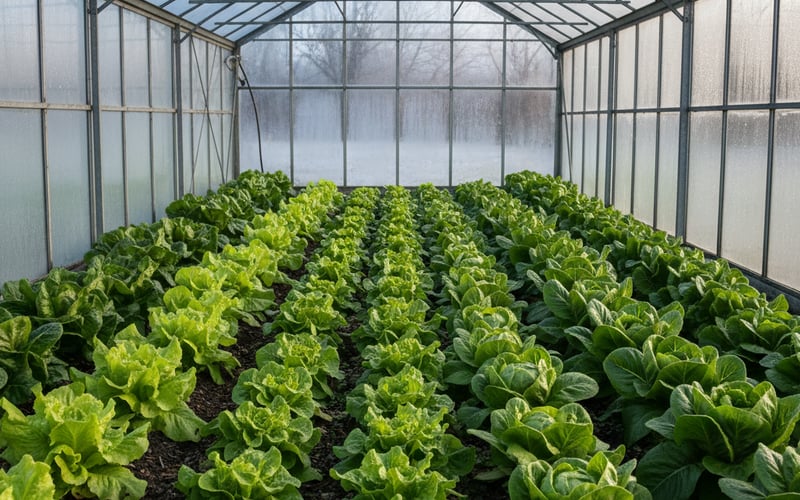
Lettuce and salad greens are quick-growing and prefer cooler temperatures. Some varieties are frost-resistant. Check the seed catalogue for winter-specific types. Plant them in the greenhouse in autumn and do not transplant. They will thrive as outside temperatures drop. Harvest the leaves as soon as they are large enough. Do not wait for full maturity.
For the best results, plant a wide variety of lettuce and greens. They have different maturity rates and temperature needs. This gives you a continuous supply throughout winter. Our guide to growing lettuce in a greenhouse covers varieties and timing in full.
Spinach
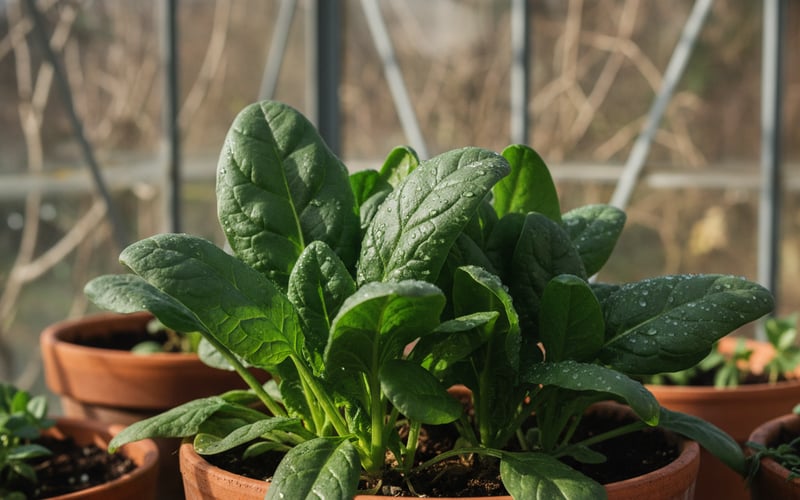
Sow successive batches of spinach and you will harvest almost all winter. Growth may slow in the coldest weeks, but it bounces back as temperatures rise. Spinach grows quickly when conditions are right. This makes it one of the most reliable winter greenhouse vegetables. Sow every three weeks for a continuous supply.
Kale
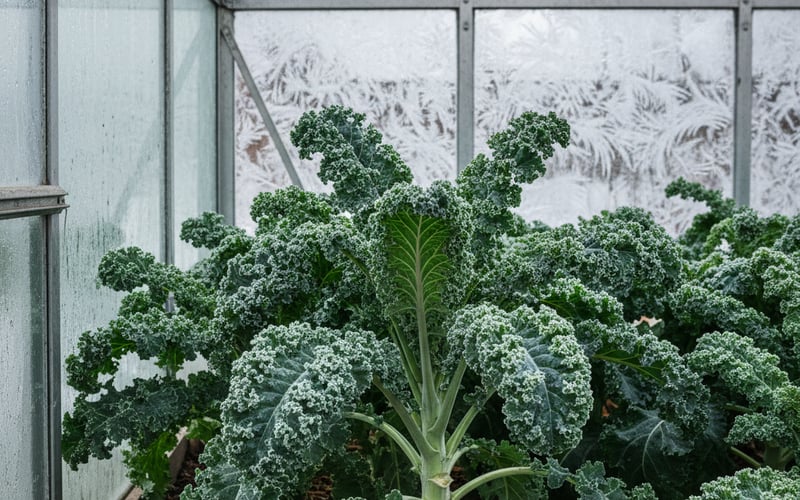
Kale is the hardiest of all winter greenhouse crops. It survives temperatures down to –6°C, depending on variety. Below that, you will need to add heat or wait for warmer days. Plant several successive crops for year-round harvesting. Kale grown in winter is actually sweeter. The plant produces sugar to protect its cells from frost damage.
Garlic
Plant garlic in January and transplant outdoors in March or April when the soil is workable. You can also keep them in pots and move them outside when temperatures improve. Choose a hardneck variety rather than softneck. Hardneck types are the cold-hardy option and produce larger cloves. Our guide to growing garlic in a greenhouse covers planting depth, spacing, and harvest timing.
Herbs
Coriander, dill, leaf celery, and parsley are all cold-hardy. They grow well in a greenhouse through winter. Start them in late autumn and you will have fresh herbs throughout the cold months. Growth slows during especially dark and cold days. It picks up again as temperatures rise and days lengthen in February.
Vegetables to Start in the Greenhouse for Spring
These warm-season crops need an early start indoors. Sow them in your greenhouse from January onwards and transplant outside once the last frost has passed. This gives them a 4–6 week head start on the growing season. Read our guide on how to grow seeds in a greenhouse for germination tips.
Tomatoes are the star performer in aluminium greenhouses. Sow seeds 4–6 weeks before your planned outdoor planting date. Keep night temperatures above 13°C. Give them as much light as possible, using grow lights if your greenhouse is north-facing.
Peppers
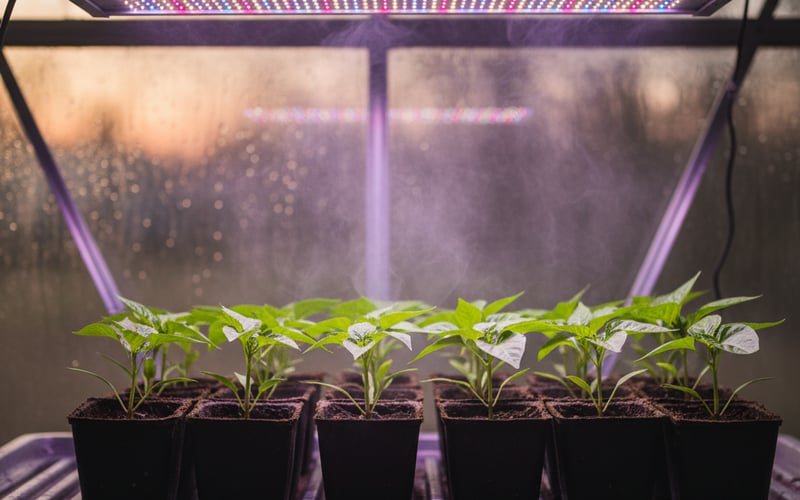
Sweet and chilli peppers both thrive with an early greenhouse start. Like tomatoes, they need warm nights above 13°C. Start them in January or February. Transplant them outdoors in late spring or keep them in the greenhouse all season.
Early Peas
Sow peas in late winter and you will have sturdy plants ready for the garden weeks ahead of outdoor sowings. You will be picking fresh peas while direct-sown crops are still flowering. Peas tolerate cooler greenhouse temperatures than most spring starters.
Cucumbers
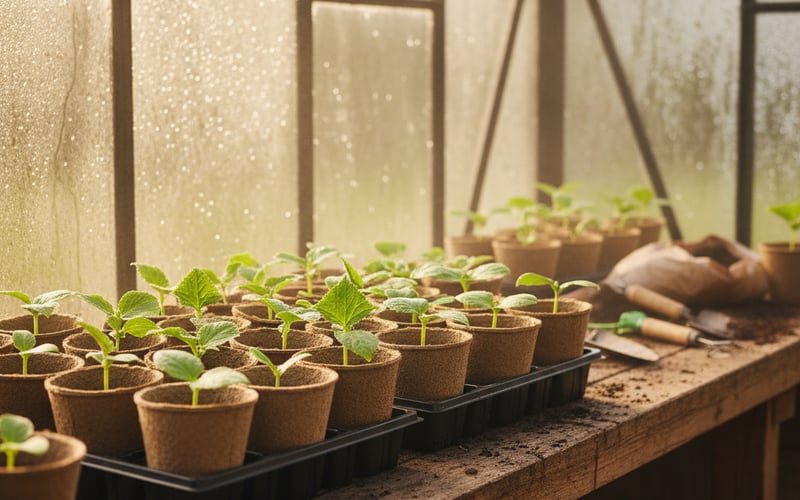
Start cucumbers in late winter or early spring. Wait until night temperatures stay above 21°C before moving them outside. Cucumbers are sensitive to cold and will not recover from a frost. Keep them in the warmest part of your greenhouse.
Squash
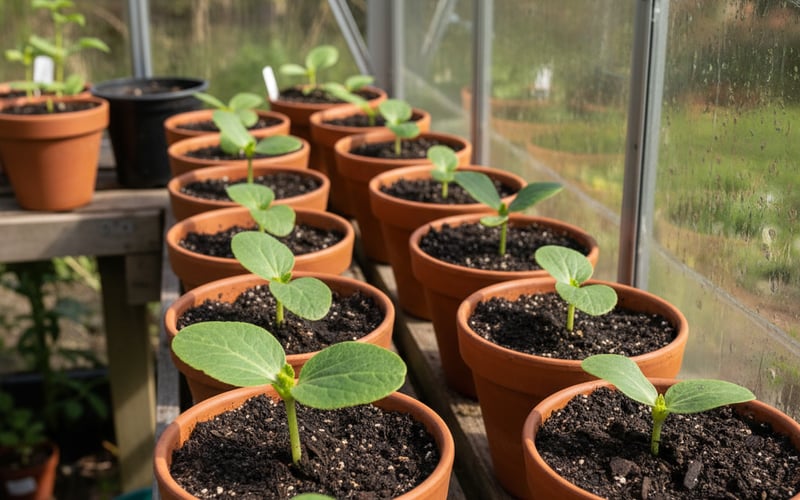
Starting squash early in your greenhouse gives them the long growing season they need. If you have short summers, this extra time is essential. Most squash varieties need 90–120 days of warm weather to produce fruit. An early start in the greenhouse makes that possible even in northern gardens.
Okra
Okra needs about two months of warm growing conditions. It requires soil temperatures of at least 18°C to germinate. Without a warm start in the greenhouse, it is difficult to grow in most UK gardens. Sow in February and transplant outside in late May or June.
Aubergine
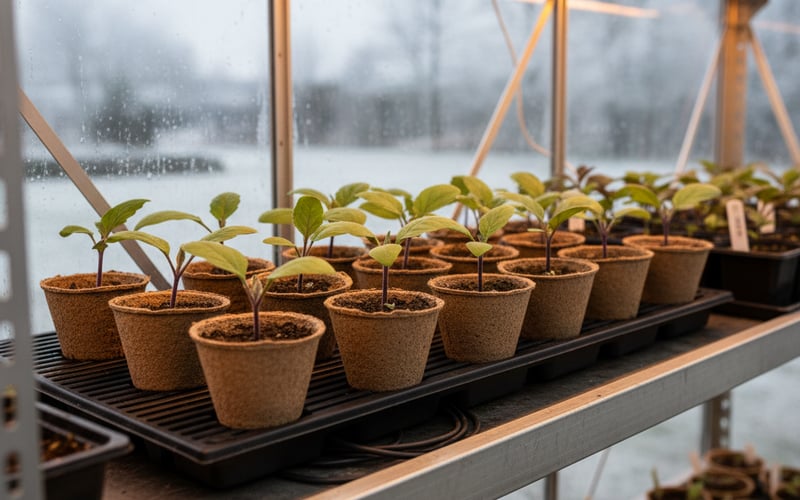
Start aubergines between mid-January and February for spring planting. They are slow growers. In many parts of the UK, you would not get a crop without that early greenhouse start. Give them the warmest spot in your greenhouse and as much light as possible.
Winter Greenhouse Frequently Asked Questions
What plants grow best in a winter greenhouse?
Cold-hardy leafy greens and root vegetables perform best in a winter greenhouse. Kale survives temperatures down to –6°C, making it the hardiest option. Spinach, lettuce, and Swiss chard grow through winter with no additional heating. Root crops like carrots and beetroot develop sweeter flavour after frost exposure. Hardy herbs including parsley, coriander, and chives also produce fresh growth throughout the cold months.
Do greenhouses help plants in winter?
Yes. A greenhouse shelters plants from wind, heavy rain and frost. Its glazing also captures warmth when the sun is out, although the temperature can still fall sharply overnight. Use a maximum-minimum thermometer to learn how your own greenhouse behaves.
What cannot be grown in a greenhouse?
Large trees, deep-rooted shrubs, and plants needing winter dormancy are unsuitable. Fruit trees like apples and pears need a prolonged cold period (vernalisation) to set fruit properly. Plants from extreme climates, such as arctic or desert species, require conditions that are difficult to replicate. Very tall crops like sweetcorn also struggle with the height restrictions of most domestic greenhouses.
How do you heat a greenhouse in winter?
A thermostat-controlled greenhouse heater provides the most predictable frost protection. Insulate first so less heat escapes, then set the thermostat for the plants you are growing. Keep the heater clear of water and follow the manufacturer's installation instructions.
How do you prepare a greenhouse for winter?
Clean the glass, repair damage, and insulate before the first frost. Remove all dead plant material that could harbour pests or fungal spores. Wash the glazing inside and out to maximise light transmission. Fix any cracked panes or loose frame sections. Line the interior with bubble wrap insulation. Position your winter crops where they will receive the most sunlight. Ensure vents still open to prevent humidity build-up, which causes mould.
Related Articles
- Growing Vegetables in a Greenhouse All Year Round
- Overwintering Plants: UK Frost Protection Guide
- Winter Greenhouse Care: UK Guide
- What to Grow from Seed in the Greenhouse Over Winter
- How to Prepare Your Greenhouse for Spring
Need advice on winter greenhouse growing? Contact us at info@greenhousestores.co.uk