Potting Shed Ideas: Layout & Storage Tips
A potting shed is a timber garden building with partial glazing, a built-in workbench, and secure storage. It sits between a greenhouse and a garden shed. You get a warm, sheltered space to sow seeds and store tools in one building. This guide answers the questions UK gardeners ask most about potting sheds.
Key Takeaways
- A potting shed combines greenhouse glazing with solid timber walls for year-round use
- The 6x8 size fits most gardens and holds a full-length workbench
- Staging along the glazed front gives the best light for seed starting
- ThermoWood frames last 30+ years without annual treatment
- Most potting sheds do not need planning permission under 2.5m tall
Installer's Note
The most common mistake is buying too small. We hear it every week: 'I wish I'd gone for the next size up.' If your budget allows, add one size. The extra length gives you breathing room you will use within the first season.
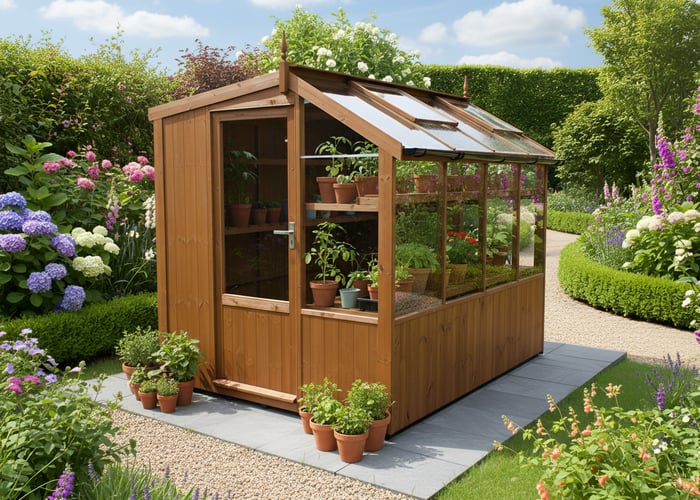
What is a potting shed?
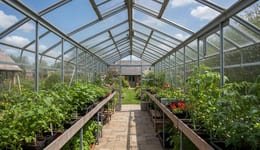
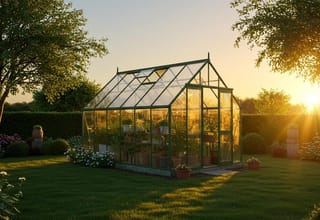
A potting shed is a timber building with glazing on the front and roof. The back and sides are solid wood. This gives you natural light for growing and wall space for storage.
Most models include a built-in workbench along the glazed front. You sow seeds, pot on plants, and store tools in the same building. It replaces a greenhouse and a shed with one structure. Browse our full range of potting sheds.
The Swallow Jay range uses ThermoWood timber heated to 215°C. That process removes moisture and makes the wood rot-resistant for 30+ years. No annual painting or preservative treatment needed.
Toughened safety glass comes as standard. Automatic roof vents regulate temperature without electricity. Every model includes professional installation by our team.
What size potting shed do I need?
The right size depends on what you plan to do inside. Here is a quick guide by use.
| Size | Best for | Bench length | Storage space |
|---|---|---|---|
| 6x4 | Seed starting only | 1.2m | Minimal |
| 6x6 | Light potting and a few tools | 1.8m | One shelving unit |
| 6x8 | Most gardeners (our best seller) | 2.4m full-length | Back wall hooks and shelving |
| 6x10 | Serious growers with tools | 3.0m | Full back wall plus side hooks |
| 6x12 | Workshop and growing combined | 3.6m | Separate tool and growing zones |
The 6x8 is the size we install most often. It fits a full-length bench with room for storage behind you. If you have the garden space, the 6x10 gives breathing room.
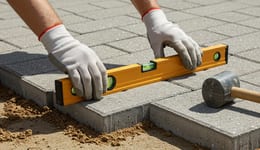
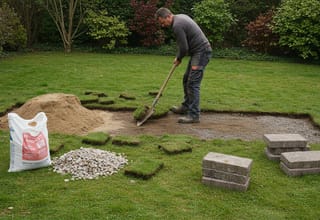
Measure your garden first. Leave 600mm clearance on all sides for access and maintenance. A level base of paving slabs or compacted gravel works best.
How to lay out a potting shed
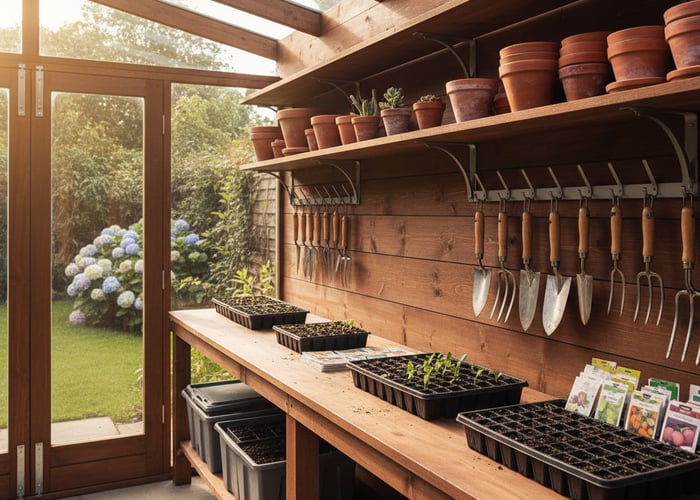
Put your workbench along the glazed front wall. That is where the light is strongest. You want your potting and seed trays in direct daylight.
Use the solid back wall for hooks, shelving, and tool storage. The back wall stays dry and cool. It is ideal for chemicals, compost bags, and hand tools.
Keep the central aisle at least 450mm wide. You need room to move with a tray of seedlings. In sheds 8ft or wider, staging on both sides works well.
Mount a peg board above the bench for small tools. Trowels, secateurs, and labels stay within arm's reach. That saves time during busy sowing sessions.
What to put in a potting shed
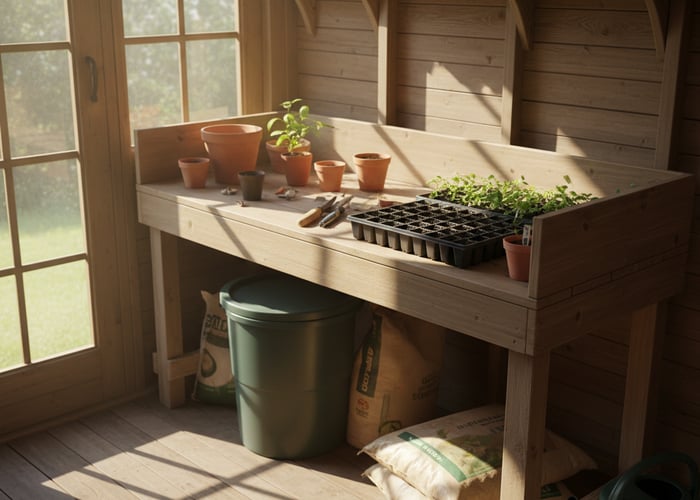
Start with the essentials. A sturdy workbench, seed trays, and a bag of multipurpose compost. Add tools as you need them rather than all at once.
Workbench zone: Seed trays, modular pots, dibber, widger, labels, and a watering can with a fine rose. Keep these within arm's reach of your bench.
Storage zone: Compost bags, fertiliser, canes, string, and plant supports on the back wall. Hooks for larger tools like spades, forks, and hoes.
Optional extras: A small propagator for early seeds. A battery-powered LED strip for dark mornings. A thermometer to track overnight temperatures.
Growing from seed? Start with multipurpose compost and modular trays. Prick out seedlings when they have two true leaves.
How do I organise a potting shed?
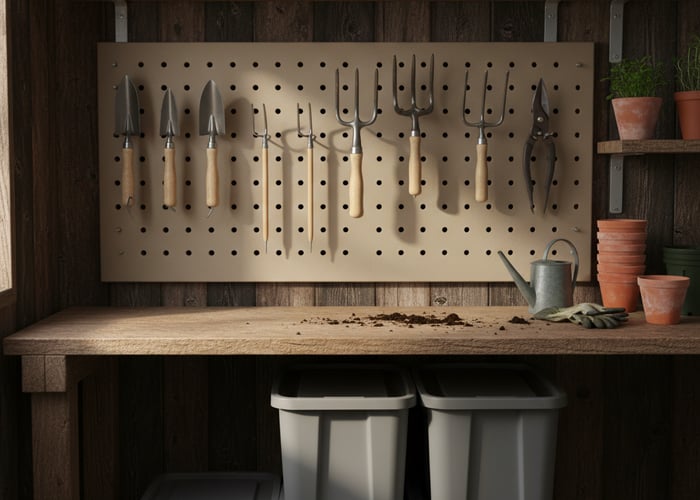
The best system is simple: one zone for growing, one zone for storage. Do not mix them. Compost dust ruins seed trays, and damp tools rust faster near plants.
Use vertical space. Hooks on the back wall hold long-handled tools flat against the timber. Shelves above head height store items you use less often.
Group items by task. Seed-starting kit in one tray. Potting-on kit in another. Pruning tools on a dedicated hook rail. You grab one tray and start working.
Clear the bench at the end of every session. A clean surface is faster to work on and stops pests hiding under trays.
Matt's Tip: Label Everything
I label every hook, every shelf, and every bin in my shed. It sounds over the top. But it means everything goes back in the right place, and I never waste time looking for things. A label maker costs less than a lost afternoon.
Can I start seeds in a potting shed?
Yes. A potting shed is one of the best places to start seeds in the UK. The glazed front and roof let in enough light for germination.
The solid timber walls hold warmth better than a full-glass greenhouse. Night temperatures stay 3-5°C above outside. That matters in March and April.
For the earliest sowings, use a heated propagator on the bench. It keeps compost at 18-22°C without heating the whole building. Once seedlings are up, the ambient light is enough.
Start hardy annuals in February and tender crops after the last frost in May. A heated propagator extends the season by six weeks.
Do potting sheds need planning permission?
Most potting sheds fall under permitted development. That means no planning application needed. But there are limits.
The building must be under 2.5m at the highest point. It must sit at least 2m from any boundary. Total outbuilding coverage must stay under 50% of your garden.
Listed buildings and conservation areas have stricter rules. Always check with your local planning authority if you are unsure.
In Scotland, Wales, and Northern Ireland the rules differ slightly. The height and boundary limits vary by region.
Swallow Jay vs Swallow Rook: which potting shed?
Swallow makes two potting shed ranges. The Rook is the wider option at 8ft. Both use the same ThermoWood construction and toughened glass.
| Feature | Swallow Jay (6ft wide) | Swallow Rook (8ft wide) |
|---|---|---|
| Width | 6ft (1,830mm) | 8ft (2,530mm) |
| Lengths available | 4ft, 6ft, 8ft, 10ft, 12ft | 6ft, 8ft, 10ft, 12ft, 14ft |
| Frame | ThermoWood | ThermoWood |
| Glazing | Toughened safety glass | Toughened safety glass |
| Auto vent | Included | Included |
| Bench layout | Single side (front) | Both sides possible |
| Best for | Standard gardens, single bench | Larger gardens, dual workspace |
| Installation | Included | Included |
| Starting price | From £3,751 | From £ |
The Jay suits most gardens. The Rook is worth the extra width if you want staging on both sides. It also gives a wider aisle for wheelchair access.
Matt's pick for most gardens
|
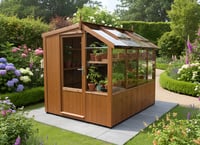
Matt's Pick: Swallow Jay 6x8 Best for: Most gardeners wanting a potting shed that fits a standard garden Why I recommend it: The 6x8 is the size we install most. It fits a full-length bench along the glazed front with room for tool hooks and shelving on the back wall. ThermoWood frame, toughened glass, auto vents, and installation all included. Price: £3,751 (includes installation) View the Swallow Jay 6x8 |
Frequently asked questions
What is the best layout for a potting shed?
Staging along the glazed front, storage on the back wall. This puts your work surface in the brightest, warmest part of the building. Keep the aisle at least 450mm wide. In sheds 8ft or wider, staging on both sides works well with a central path.
How do I stop my potting shed overheating in summer?
Open the roof vent and door on warm days. A sealed potting shed can reach 40°C in direct sun. Swallow models include automatic vent openers that respond to temperature. On the hottest days, prop the door open too.
Do I need a base for a potting shed?
Swallow potting sheds do not need a concrete base. They include a timber floor and sit on plastic runners that lift the frame off the ground. A level, firm surface is all you need. Paving slabs, compacted gravel, or level grass all work.
What is the difference between a potting shed and a greenhouse?
A greenhouse is 90% glass for maximum light and summer crop yield. A potting shed has solid timber walls with glazing on the front and roof. That gives better insulation, security, and wall space for storage. See our full comparison in the related articles below for the detailed trade-offs.
Do potting sheds need planning permission?
Most potting sheds do not need planning permission. The building must be under 2.5m tall and at least 2m from any boundary. Total coverage must stay under 50% of your garden area. Rules differ slightly in Scotland, Wales, and Northern Ireland.