Vertical Greenhouse Gardening UK: How to Grow Up, Not Out
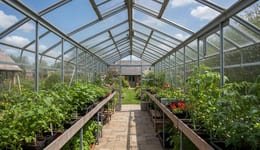
Vertical greenhouse gardening makes better use of the space above your pots. Staging holds seedlings at a comfortable height, while strings or canes support climbing crops. You still need light, airflow and room to reach everything. Start with one useful addition, check its fit and load limit, and leave the walkway clear. More shelves do not automatically mean a bigger harvest.
Key Takeaways
- Use staging for small pots and floor space for larger containers. Climbing plants can grow above their pots without sprawling across the path.
- Think in layers, but remember they share the same light. A crowded lower shelf may be better for empty pots than seedlings.
- Measure the staging footprint, shelf spacing and doorway before buying. Check the permitted load for each shelf.
- Match supports to your greenhouse and crop. A tall tomato needs headroom, but there is no single minimum height for all vertical growing.
- Check before hanging anything from the frame. Canopia rates each of its Plant Hangers at up to 2kg, including the wet container.
- Keep vents, doors and the main path clear. Do not fill every spare gap just because a pot will fit.
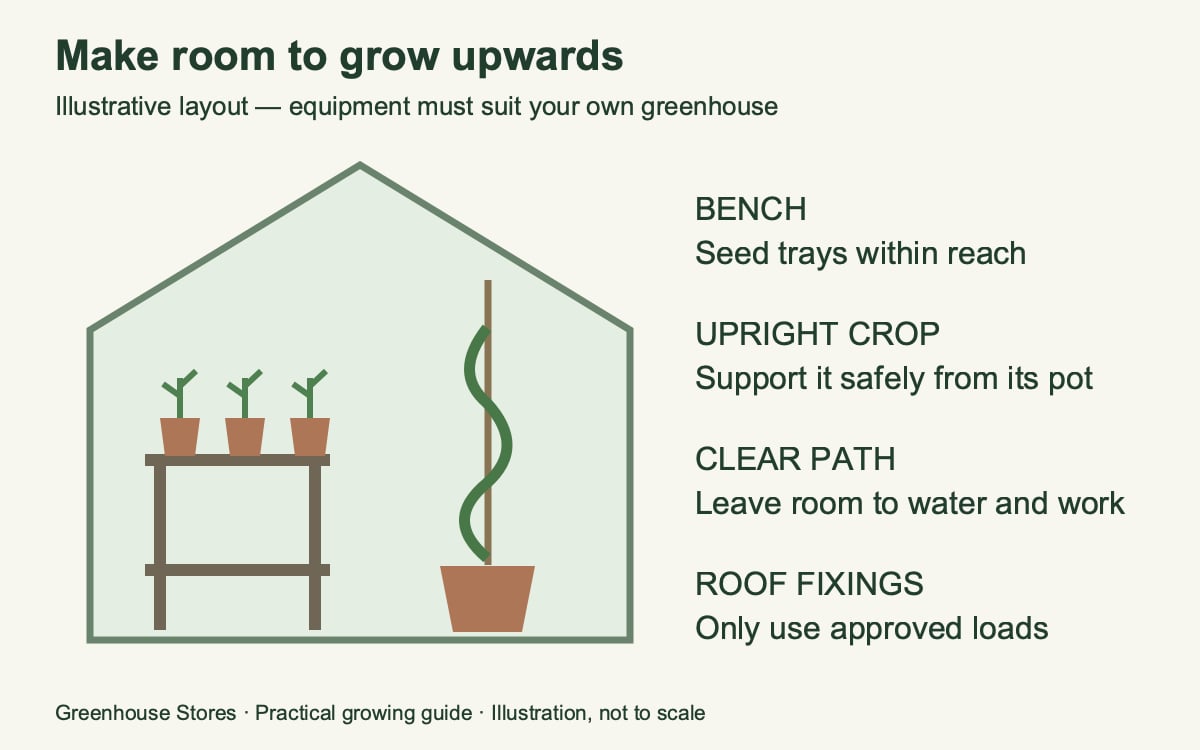
Expert Tip
Place your empty pots and trays where you intend to grow before sowing. Can you reach the back row without leaning on the glass? Can you water the lower shelf? A layout that is awkward when empty will be harder to manage in July.
How much space can vertical growing really save?
A shelf gives you another surface for pots, and upright supports keep suitable plants off the path. Neither creates extra sunlight. Avoid adding floor area, shelf area and upright leaf area together: they measure different things. What matters is how many healthy plants you can grow and look after comfortably.
| Growing position | Useful for | Check before adding it |
|---|---|---|
| Floor | Large pots and grow bags | Room for roots, watering and a clear path |
| Staging | Seed trays, herbs and smaller pots | Available light, shelf spacing and permitted load |
| Upright supports | Cordon tomatoes, cucumbers and climbing beans | Crop height and a suitable support system |
| Hanging position | Lightweight items on approved fittings | Wet weight, frame approval and safe access |
Start with the area you actually run short of. If seed trays crowd the floor each spring, staging may help. If tomato stems trail into the path, better supports may be enough. Adding shelves to an already shaded greenhouse can make the problem worse.
The four vertical zones explained
These four positions are a way to plan your layout, not a requirement to fill them all. Leave the upper frame unused if you cannot confirm it is suitable for hanging loads.
Floor space: large pots and grow bags
Keep large, heavy containers on a stable floor or in suitable beds. Tomatoes and cucumbers can climb from here. Allow space between pots for watering, and leave enough room to reach each plant without catching its stems. Follow the variety guidance when choosing container size.
Staging: seedlings and smaller pots
Staging brings trays and smaller plants within easy reach. In a narrow greenhouse, a bench down one side can leave the other available for tall crops. Measure the actual internal width: nominal greenhouse dimensions do not tell you how wide the remaining path will be.
Upright supports: climbing crops
Cordon tomatoes, cucumbers and climbing beans can use the space above their containers. Give each plant a suitable support and enough distance from its neighbours. Yield depends on the variety and growing conditions, so there is no reliable harvest multiplier for training plants upwards.
Upper frame: only where approved
The roof is not spare shelving. Before hanging a basket, check both the fitting and the greenhouse manufacturer's instructions. Include the pot, wet compost, water and mature plant in the load. A basket can also block light or make watering awkward overhead.
When is two-tier staging useful?
Two-tier staging is useful for seed trays and small pots when both levels receive enough light. The lower shelf can also store watering cans and empty pots. The Vitavia unit below is a freestanding staging option; check its dimensions against your available space.
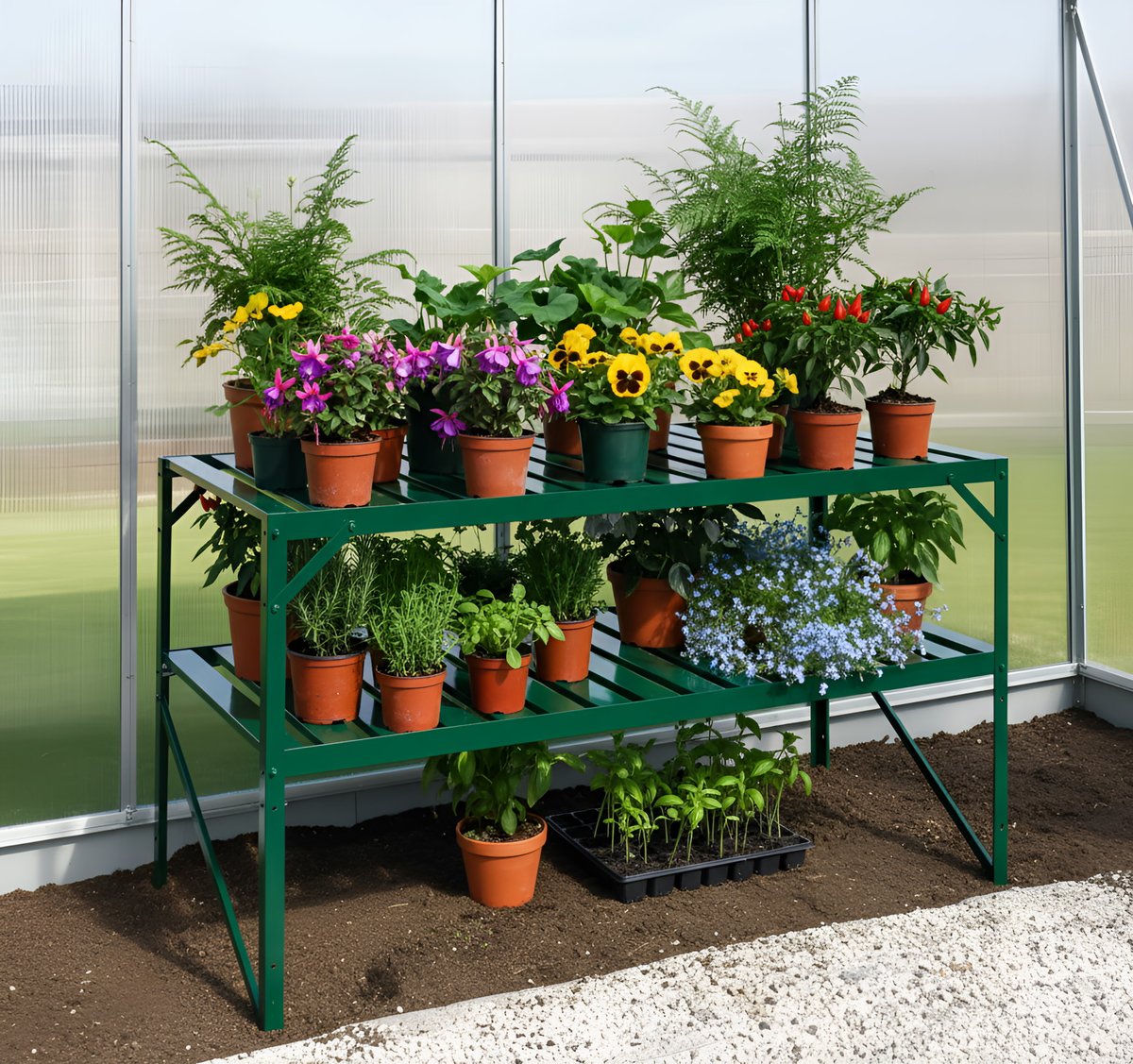
View Vitavia 2 Tier Green Staging
Check the height at the eaves, not just the length of the wall. Leave room to open vents and reach the rear pots. Our staging and shelving guide explains the main choices.
Stackable 5-tier shelving for the back wall
Tall shelving can organise a compact area, but five shelves do not mean five equally bright growing surfaces. Put a trial tray on the lower levels before filling them. Check the product's suitability for damp conditions and follow its assembly, stability and shelf-load instructions.
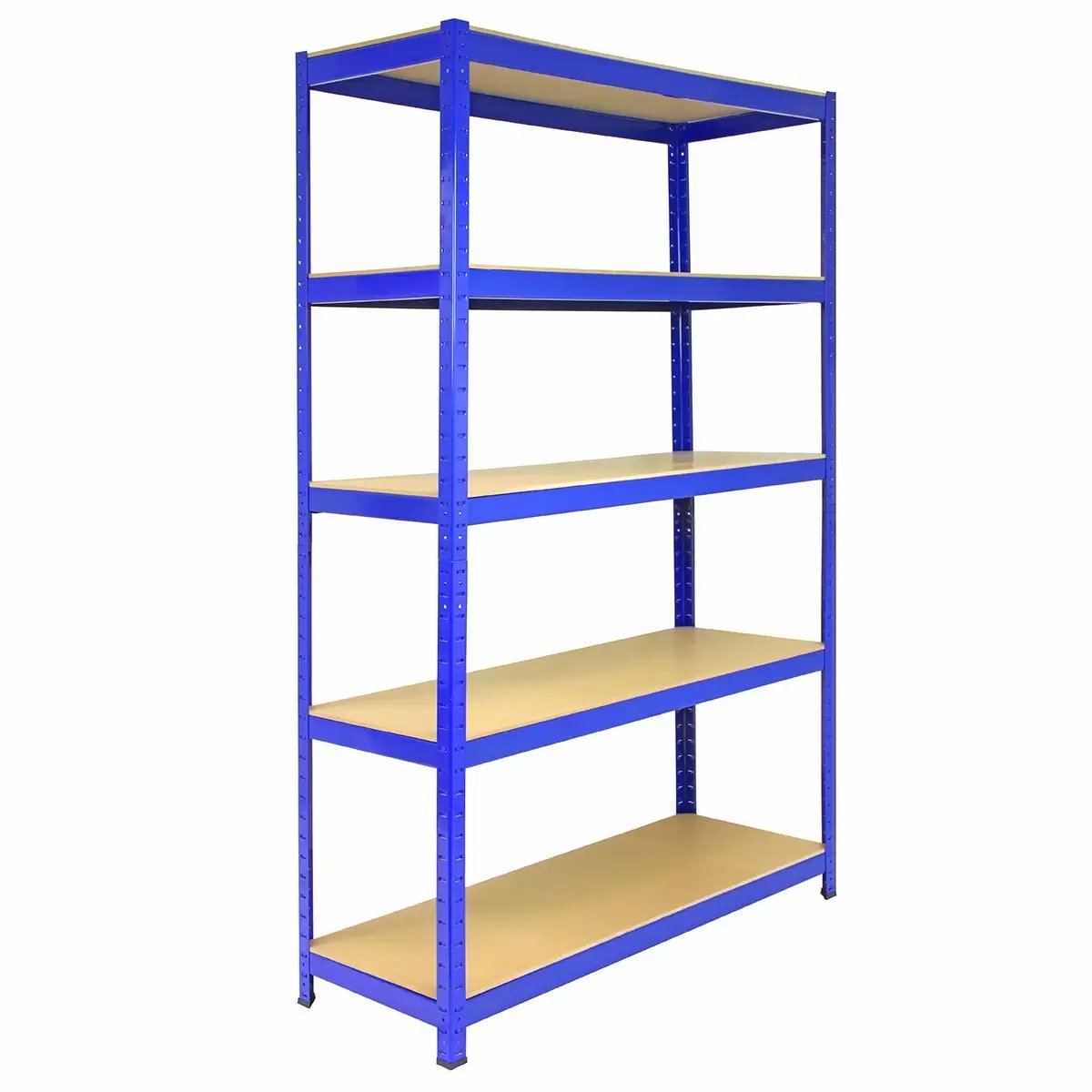
View Bulldog 120cm x 45cm five-tier blue shelving
Adjust shelf spacing to the plants you will keep there. Seedlings soon need more headroom than empty trays suggest. Keep heavy items low and make sure the unit cannot tip. Do not brace shelving against the glazing.
Climbing crops: which ones earn their string
Choose plants that suit upright training, rather than trying to make every crop climb:
- Cordon tomatoes: train a main stem up a suitable support and remove side shoots. Bush varieties need different treatment.
- Cucumbers: support the main stem and follow the variety's training instructions. Avoid tight ties around soft growth.
- Climbing French beans: provide a tall support and room for foliage. Dwarf beans do not need the same arrangement.
- Sweet peas: use netting or other suitable supports. They are ornamental plants, not edible peas.
- Melons: suitable varieties can crop in an unheated greenhouse in favourable conditions. They need warmth, careful training and support for developing fruit.
Use a cane or a properly approved string-support arrangement. Check the fitting instructions for your frame before attaching tying eyes. Our tomato support guide explains the growing method.
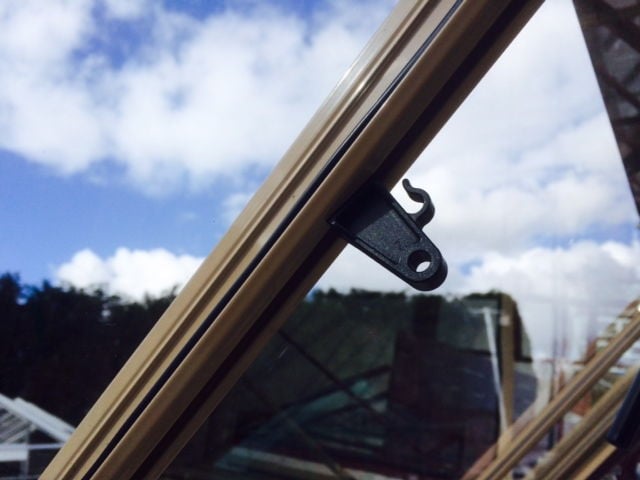
View Elite Tying Eyes Pack of 6
Can you hang baskets in a greenhouse?
Only hang a basket where the greenhouse and fitting instructions allow it. Check the basket after watering, when it is heaviest. If the weight or frame capacity is uncertain, keep the pot on the floor or a suitably rated stand instead.
Trailing tomatoes and strawberries can grow in containers, but their water needs do not disappear when the pot is overhead. You must be able to water and harvest safely without standing on staging. Leave space below for people and above for vents to open.
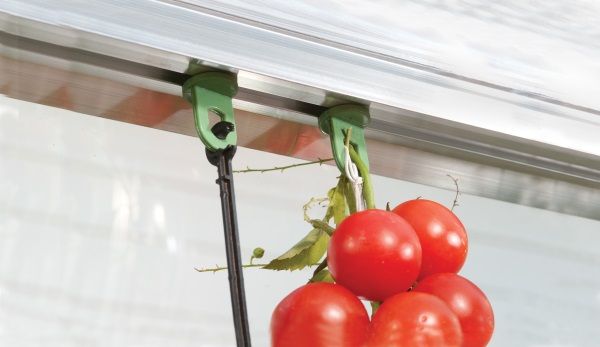
View Palram Plant Hangers Pack of 10
Canopia Plant Hangers are rated up to 2kg per hanger, according to the manufacturer's product guidance. This is not a 5kg basket fitting. Do not add several hanger ratings together to assume the frame can take a heavier load. Elite fittings are not automatically compatible with Vitavia or other brands.
How do you support crops with string?
Garden twine can support climbing crops when it is attached to a suitable support. The mature plant and fruit add weight as the season goes on. Follow the greenhouse manufacturer's instructions for any frame fixing; use freestanding supports if that approval is missing.
For a suitable string-supported crop:
- Fit the approved support above the plant, following the fixing instructions. Do not drill into glazing bars without manufacturer approval.
- Allow enough string for the plant's growing height and the chosen anchoring method.
- Secure the lower end using the recommended method. Never tighten a loop around the stem.
- Guide new growth gently around the string, or use suitable clips. Check regularly as stems thicken.
- Train each crop appropriately. Remove side shoots from cordon tomatoes, but not from bush tomatoes.
Remove spent twine and plant debris at the end of the crop. Check reusable fittings before using them again.
Light: the constraint vertical growing has to respect
Watch how sunlight moves through your own greenhouse. Nearby buildings, fences and trees can matter more than compass direction. Tall crops and shelves create further shade, so plan around the light that actually reaches the bench.
Try these simple layout checks:
- Place tall crops where they will cast the least shade over smaller plants. The north side is often worth trying first.
- Give seedlings a bright position without exposing them to scorching heat. Warmth alone will not prevent leggy growth.
- Keep any approved hanging containers sparse. Check the shade they cast before adding another.
- Position tall shelving where it does not block the main light source or restrict the door and vents.
- Use lower shelves for suitable shade-tolerant crops only if enough light reaches them. Empty-pot storage is useful too.
A compact staging option
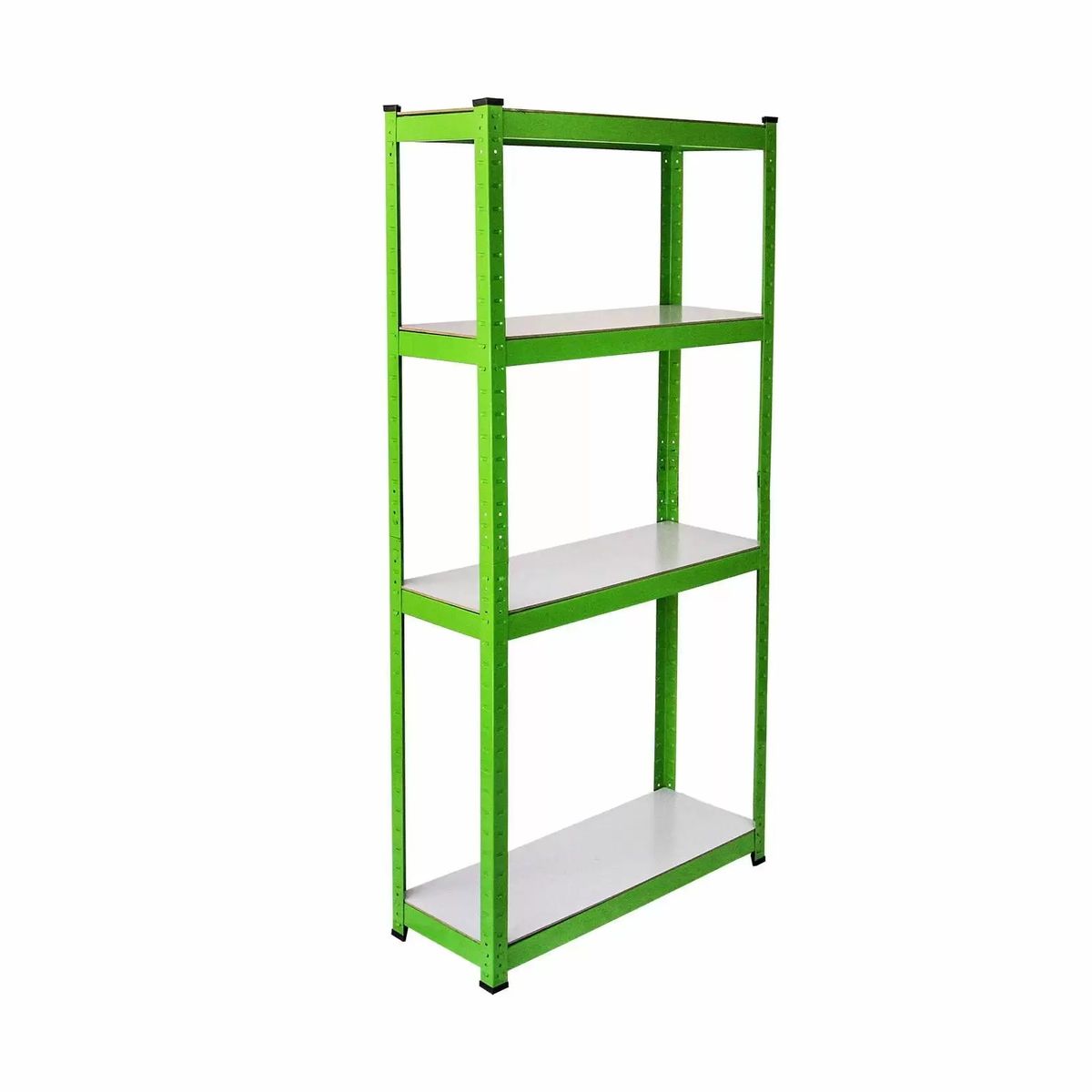
View Bulldog 4 Tier Greenhouse Staging
Useful for: organising trays and small pots where the shelf spacing and available light suit your plants.
This Bulldog four-tier staging is another option for a compact corner. Check its dimensions, load limits and care instructions before ordering. Keep heavy pots low, and do not assume every shelf will be bright enough for seedlings.
Price: £89
Expert Tip: Build the Vertical Plan Before You Sow the First Seed
Sketch the layout before sowing. Count the pots you can fit at their final size, not just the seed trays. Leave a working space for potting on. You can always sow another small batch later; finding homes for dozens of spare plants is harder.
Frequently asked questions
What is vertical greenhouse gardening?
Vertical gardening uses shelves and upright supports to make better use of greenhouse space. Plants still need enough light, air and root room. It is not a guaranteed way to triple yields.
How much extra growing space does vertical gardening add to a UK greenhouse?
The useful extra space depends on your layout, light and chosen equipment. Measure shelf surfaces separately from floor space. Upright foliage is not an extra bed, and a crowded greenhouse may produce less healthy growth.
What climbing crops work best in a UK greenhouse?
Cordon tomatoes, cucumbers and climbing beans are useful choices for upright supports. Match the training method to the variety. Melons are possible in suitable unheated greenhouses, but are a more demanding crop.
How tall does a greenhouse need to be for vertical growing?
The necessary height depends on the crop and training method. Check internal headroom above the pot, not only the advertised ridge height. Shelving and shorter crops can work in lower structures.
Do hanging baskets shade the staging below in a greenhouse?
Yes, baskets can shade plants beneath them. Check the shadow during the day and keep containers sparse. Only hang them where the frame and fitting instructions allow the wet load.
What is the cheapest piece of vertical-growing kit?
Twine and suitable supports can be an inexpensive starting point. Use fittings approved for your greenhouse, or support crops with an appropriate freestanding arrangement. Price alone is not a reason to use an unsuitable fixing.
Can I do vertical greenhouse gardening in a lean-to or mini greenhouse?
Yes, if the layout suits the available height and light. A lean-to may have room for taller crops beside the wall. In a mini greenhouse, adjustable shelves can be more useful than overhead baskets.
How to start vertical growing today
Start by solving one space problem. Add a bench if trays crowd the floor, or improve supports for a climbing crop. See how the plants respond before adding more. You may find that leaving some space empty makes the greenhouse easier to use.
Browse greenhouse staging and greenhouse accessories for suitable equipment. If you are unsure about a fitting, ask us to check the model before ordering.
Related articles
- Greenhouse Staging & Shelving Guide: What to Buy and How to Set Up
- How to String & Support Tomatoes in a Greenhouse: UK Step-by-Step Guide
- Small Greenhouse Ideas: What to Grow and How to Maximise Space
- Greenhouse Roof Shapes UK: Apex, Lean-To, Orangery, Dwarf Wall & Combi Compared
- Essential Greenhouse Accessories: What You Actually Need