

£30 OFF Everything!
Use code SPRING30 at checkout min order £799 (Everything)
Lean To Greenhouses
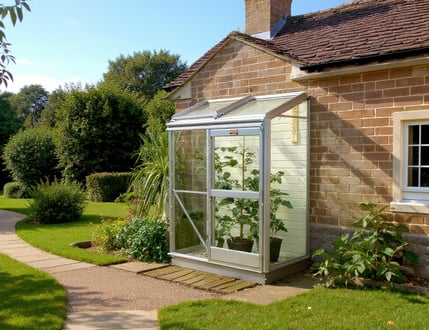
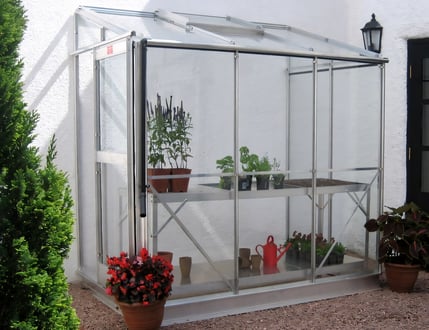
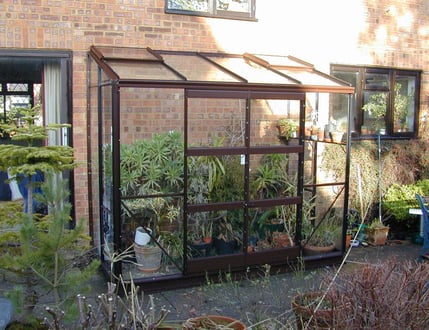
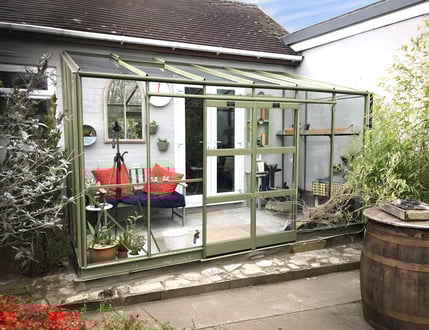
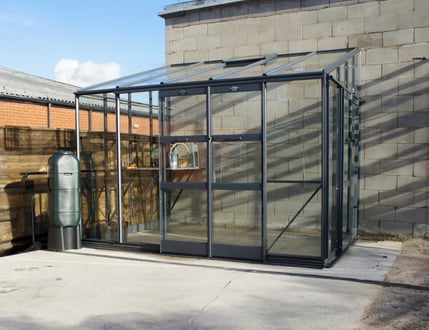
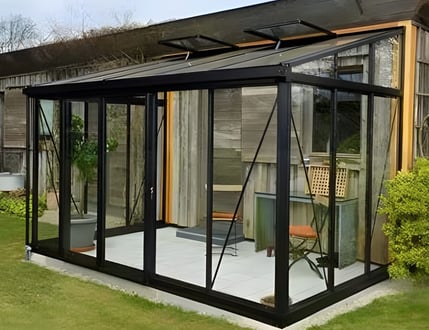
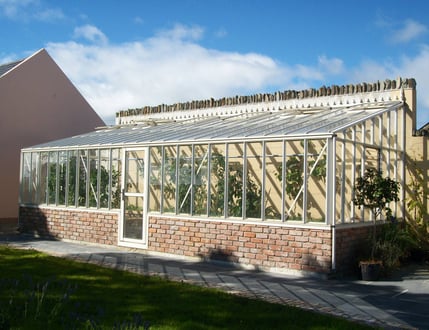
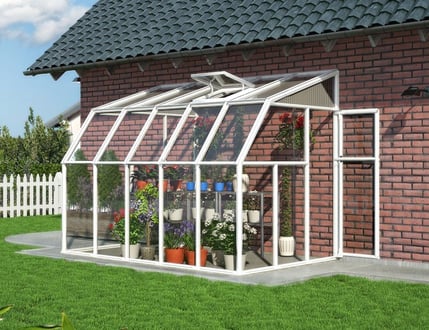
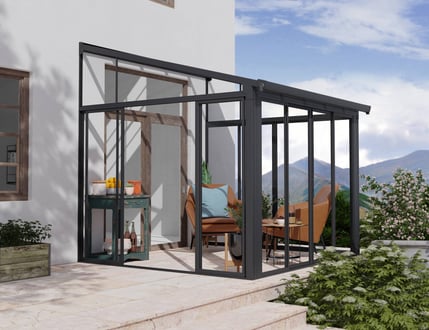
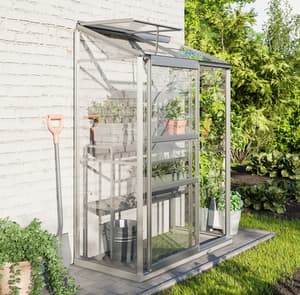
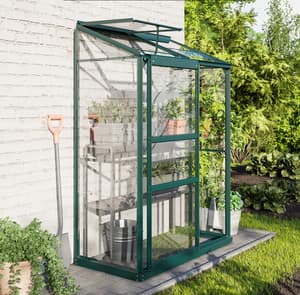
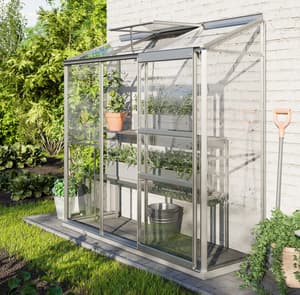
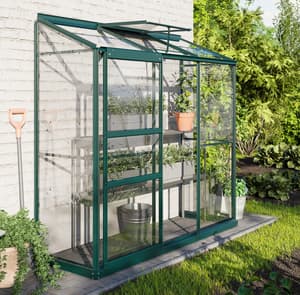
Our Lean-To Greenhouses are the definitive choice for turning wasted wall space into productive growing areas, available in widths from 2ft to 8ft+ to suit everything from narrow alleys to wide patios. We stock premium aluminium models from Elite, Vitavia, and Janssens, offering a choice of standard horticultural, shatterproof polycarbonate, or family-safe toughened glass.
Lean-to Greenhouses by Size




We offer Free UK Mainland Delivery on all orders and a full Nationwide Installation Service for total peace of mind.
Aluminium Lean to Greenhouses



SAVE £25
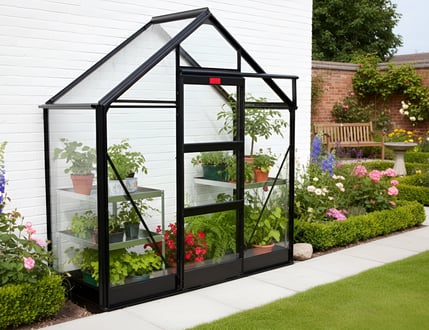
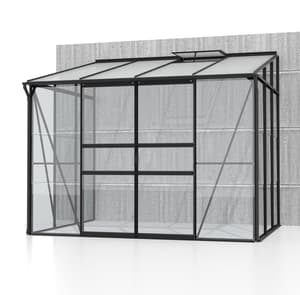
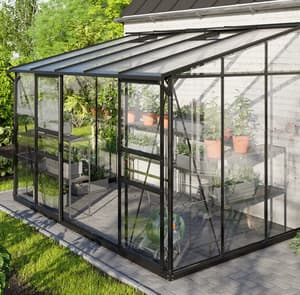
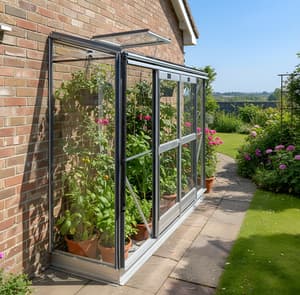
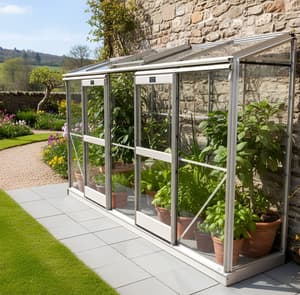
Vitavia 6x10 Black IDA 6500 Leanto Toughened
in stock
£1,025
SAVE £100
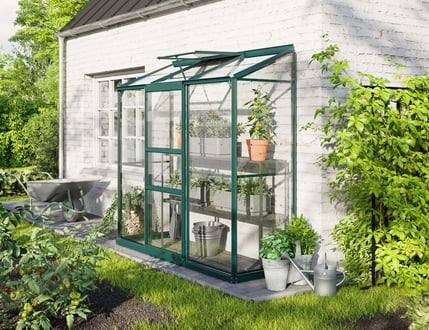
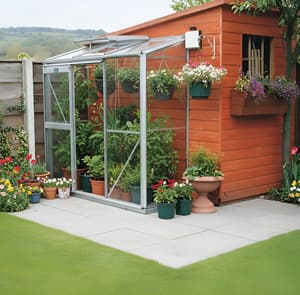
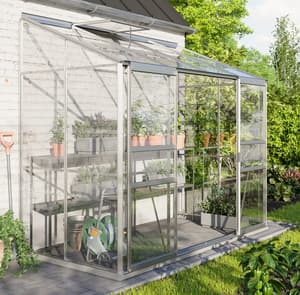
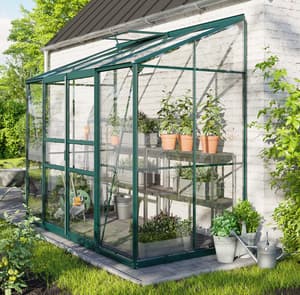
Elite Easygrow 2x10 Leanto Toughened
made to order
£799
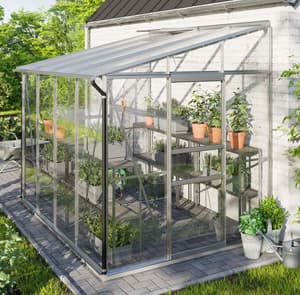
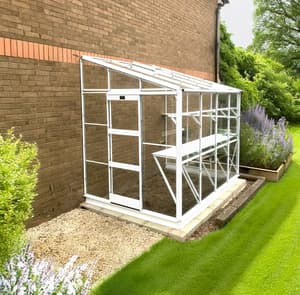
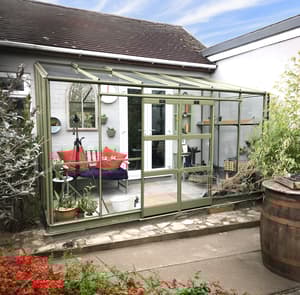
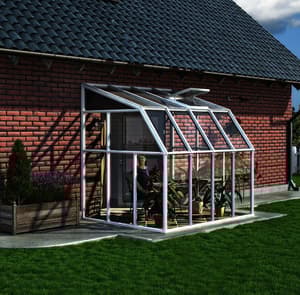
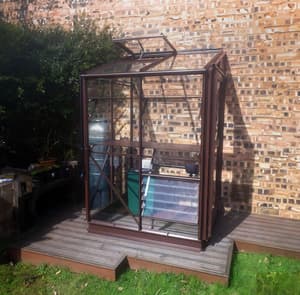
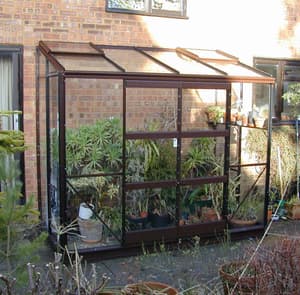
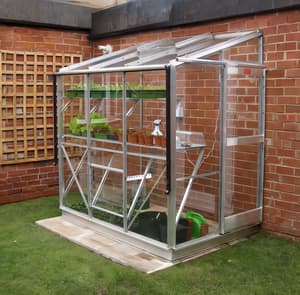
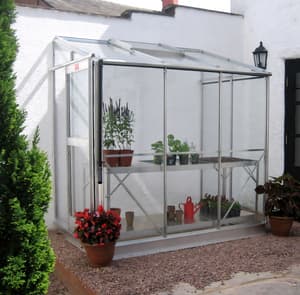
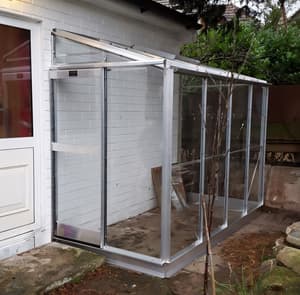
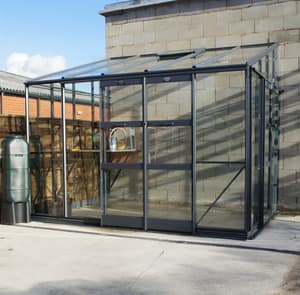
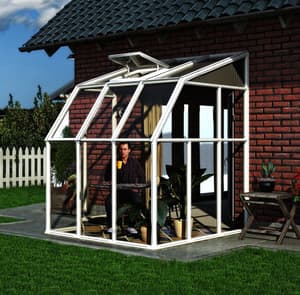
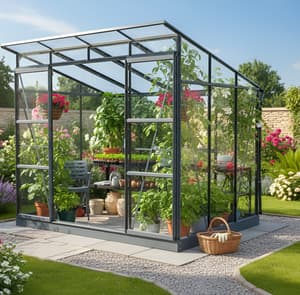
The "Elbow Room" Guide: Which Width Do You Need? 📏
Unlike freestanding greenhouses, your working space in a lean-to is dictated by the wall. Choosing the wrong width is the most common reason for returns. Use this guide to select the right frame depth:
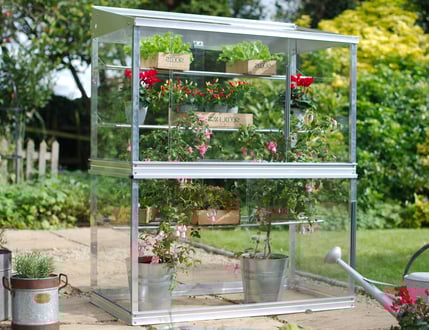
2ft Wide (0.6m)
Best For: Overwintering plants and seedlings 🌱
These "Wall Gardens" are too narrow for you to stand inside comfortably. You access plants by sliding the doors open and reaching in. Do not attempt to fit internal staging.
4ft Wide (1.3m)
Best For: The casual grower 👨🌾
The UK standard. You can stand inside, but fitting a standard potting bench will leave you very little room to turn around. We recommend narrow shelving (max 10" deep) for these models.
6ft - 8ft Wide
Best For: Serious propagation and potting 🍅
Offers the same internal volume as a standard greenhouse. You can fit a full-width potting bench on the glazing side and still have comfortable walkway space.
Installation: The "Uneven Wall" Problem 🧱
A lean-to greenhouse relies on your house wall to act as the fourth side of the structure. The aluminium wall plate (the bar that bolts to your house) must be perfectly straight to hold the glass safely.
⚠️ Warning: If you have Pebbledash, Roughcast Render, or Uneven Stone, you cannot bolt the frame directly to the wall. This will leave large gaps where rain will run down the back of your greenhouse, causing damp and rot.
The Fix:
- Screw a pressure-treated timber batten (approx. 2" x 1") to your wall first.
- Use exterior-grade mastic sealant between the timber and the brickwork to create a watertight bond.
- Screw the aluminium greenhouse frame into this flat timber face.
Not confident doing this yourself? Our Installation Service teams handle timber packing daily.
Matt's Installation Tip: Base Preparation
The unique No-Trip Low Threshold on our Elite lean-tos is brilliant for access, but it demands precision. Unlike standard bases that can bridge gaps, this threshold requires a perfectly level foundation for the doors to slide smoothly.
We recommend using 50mm paving slabs on a 50mm compacted sand bed rather than concrete for lean-tos. This allows you to adjust individual slabs if the ground settles over time, ensuring your warranty remains valid. Read our full base guide here.
Ventilation & The "Chimney Effect" 🌡️
Lean-to greenhouses typically run hotter than freestanding models. Your house bricks act as a storage heater, absorbing solar radiation during the day and releasing it at night.
While this is excellent for keeping frost away in March, it can cook your tomato plants in July. Heat rises and gets trapped at the highest point (the ridge against your wall).
💡 Matt's Advice: Ensure your chosen model has at least one roof vent. For south-facing walls, we strongly recommend adding an Automatic Vent Opener. This wax-filled piston detects the heat buildup and opens the vent even when you aren't home, preventing heat stress.
Why We Chose This Range
“We chose these specific lean-to models because they offer the flexibility British gardens actually need. Whether it's the Elite Titan with its solid Core-Vect bars for exposed walls, or the high-end Janssens range for those wanting a premium garden room, we only stock frames that can withstand UK wind loads. We also ensure every model is available with toughened safety glass—a non-negotiable for families.”
— Matt, Founder of Greenhouse Stores
Frequently Asked Questions ❓
-
Are wall fixings included?
Yes, all our models (including Elite, Vitavia & Janssens) are supplied with standard wall-mounting bolts and frame fixings suitable for typical brickwork.
-
How safe are lean-to greenhouses in the wind?
Lean-tos are naturally more wind-resistant than freestanding models because they are anchored directly to solid brickwork, which provides significant structural rigidity.
-
Do they feature high eaves?
Most of our 4ft wide models and larger feature high eaves (typically 5ft+). This is crucial as it ensures the door can open outwards without hitting the guttering, and provides ample headroom for taller crops.
-
Do I need flashing for a lean-to greenhouse?
Yes, for a complete seal. While silicone sealant works for the sides, we recommend using a roll of lead flashing or self-adhesive flashing tape along the top ridge. This directs rainwater from your house wall over the greenhouse roof, rather than letting it run behind the frame.
-
Does a lean-to need a concrete base?
For smaller models (4x2, 4x4), a level patio or paved area is sufficient – see our guide on building a paving slab base. However, for 6ft wide models or larger, the wind loads are significant. We recommend a concrete perimeter footing or a solid slab to ensure the structure is anchored securely against British winter storms. Read our DIY concrete base guide for full details.
-
Can I put a lean-to against a wooden fence?
We do not recommend this. Garden fence panels move in the wind and rot over time. A greenhouse requires a rigid, static fixing point. If you must use a fence line, you should concrete 4x4 fence posts into the ground to create an independent frame to bolt the greenhouse to, rather than relying on the fence panels themselves.
Loading reviews...