How to choose a garden Shed
After fitting wooden, metal and plastic sheds in UK gardens for 20 years, our team recommends a tongue-and-groove wooden shed on a level paving-slab base for most buyers. Expect to spend £459 for a 4x6 plastic store, £764 for an 8x6 shiplap wooden shed, and up to £3,199 for an 8x8 galvanised metal shed. Stay 1 metre from boundaries and buy on roof pitch and cladding thickness, not sticker price.
Key takeaways
- A tongue-and-groove (shiplap) wooden shed is the UK all-rounder. Budget £700-£900 for an 8x6 and 15-20 years of life with annual treatment.
- Plastic sheds win on zero-maintenance storage. The Palram Canopia range starts at £459 for 4x6 and needs only an annual hose-down.
- Metal sheds suit secure storage of bikes and tools. Galvanised panels last 25+ years but require full-perimeter base support to stop panels flexing.
- Potting sheds cost 4-5x more than storage sheds. Expect £3,500-£5,000 for a quality 6x8 hybrid with staging and glazed side.
- A level paving-slab base beats a concrete pad. Slabs flex with frost heave, concrete cracks in UK winters below -3C.
- Planning permission rarely applies under 15 sq m. Stay below 2.5m ridge height within 2m of any boundary and you are normally exempt.
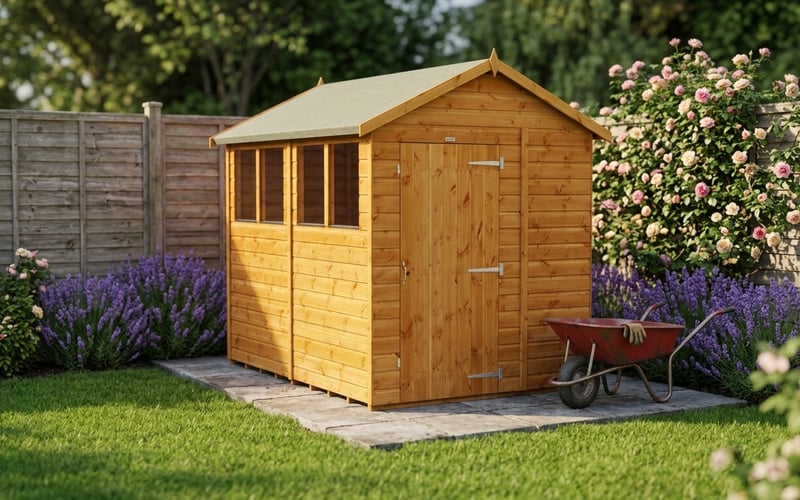
Shop the Power 8x6 Shiplap Apex Wooden Shed →
Installer's Note
In our experience installing sheds across the UK for 20 years, the buyers who come back happiest are the ones who spent an extra £100 on tongue-and-groove cladding instead of overlap boards. Overlap is the cheapest option but the boards shrink in summer and leak after the first proper downpour. We have fitted Power Shiplap Apex 8x6 units in over 400 UK gardens and I can count on one hand the number of leak call-outs that came back in the first five years. Spend on the cladding, not the paint job. You can paint any shed, but you cannot retrofit better cladding.
What are the three main types of garden shed?
UK garden sheds split into three main types: wooden, metal and plastic. Each suits a different use case.
Wooden sheds are the default choice for most UK gardens. Timber sheds look natural, take paint well, and last 15-25 years with annual treatment. Cladding grade matters more than overall size. Tongue-and-groove (shiplap) cladding at 12mm thickness resists warping and driven rain, while 8mm overlap cladding is cheaper but shrinks and opens up gaps within 2-3 summers. Most wooden sheds use pressure-treated timber with a 10-year anti-rot guarantee. See our in-depth ThermoWood vs pressure-treated timber comparison if you want 30+ year lifespan.
Metal sheds suit secure storage of bikes, tools and petrol equipment. The Hormann Berry range uses 0.6mm galvanised steel panels with an anti-perforation guarantee of 10 years. Metal sheds last 25+ years structurally but condensation can be an issue without roof vents. Expect £3,099 for an 8x4 Apex up to £5,099 for a 10x8 Pent.
Plastic sheds are the maintenance-free option. Palram Canopia Rubicon sheds use 10mm polycarbonate-reinforced panels that do not warp, rot or rust. They suit storage and workshop use but do not look natural in a cottage garden setting.
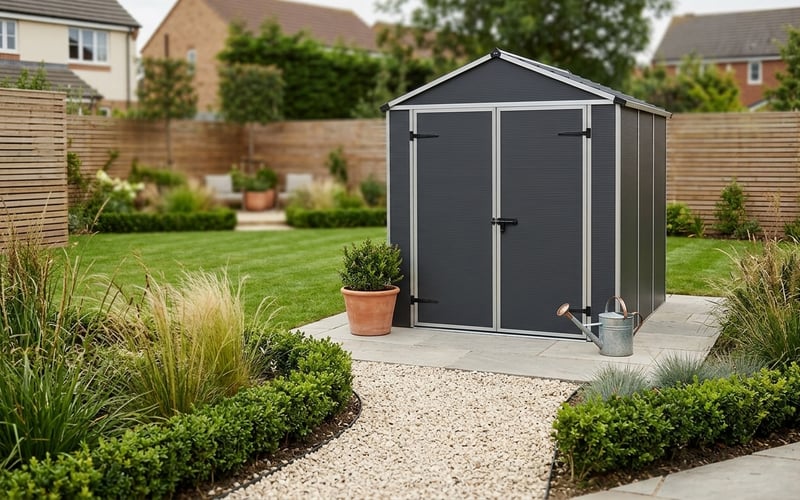
Shop the Palram Rubicon 6x8 Plastic Shed →
How much should you spend on a garden shed?
Garden shed prices in the UK range from £450 for an entry-level 4x6 plastic store to over £5,500 for a premium 6x14 painted wooden potting shed. The average UK buyer spends £700-£1,200 for an 8x6 unit.
Budget (under £700): The Power 8x6 Overlap Apex Wooden Shed at £664 is the cheapest 8x6 we stock. Overlap cladding keeps the price down but expect to replace 1-2 warped boards within 5 years.
Mid-range (£700-£1,500): The sweet spot for most UK gardens. The Power 8x6 Shiplap Apex Wooden Shed at £764 and the Palram Canopia 6x8 Plastic Rubicon at £759 sit here. Both are fit-and-forget for 15+ years.
Premium (£1,500-£5,500): Potting sheds, combi-sheds with staging and metal sheds with security features. The Swallow Jay 6x8 Wooden Potting Shed at £3,751 is our most ordered premium unit. For large metal workshops, the Hormann Berry 10x8 Pent Metal Garden Shed at £5,099 tops the range.
Work out your budget before you start browsing. We see buyers spend months on the wrong tier because they did not fix a price ceiling first.
|
Matt's Pick for Most UK GardensBest For: 90% of UK buyers who want a shed that lasts 15+ years without overthinking it Why I Recommend It: I have fitted over 400 of these across the UK and they are the benchmark for value. 12mm tongue-and-groove cladding, apex roof with 30-degree pitch (sheds snow in one go), pressure-treated timber with a 10-year anti-rot guarantee, and an opening window for ventilation. Treat it with a good microporous paint every 2 years and it will outlast the fence next to it. Price: £764 |
What size garden shed do you actually need?
Shed size is the single decision buyers get wrong most often. We see two mistakes: buying too small to save money, and buying too large because "it looked fine at the garden centre".
The working rule we use on site visits: measure what you need to store, then add 50%. A 6x4 shed holds a push mower, a strimmer, and 4-5 tools on a rack. Add a bike and you need 6x6 minimum. Add garden furniture for winter storage and you need 8x6. Planning to use it as a workshop or potting space pushes you to 8x8 or 10x8.
Height matters too. A standard apex shed has a 2.0-2.1m ridge and 1.7-1.8m eaves. Taller adults hit their head on the internal crossbeam in smaller pent-roof models. If you are over 1.85m, buy apex not pent, and check the eaves height in the spec sheet before you order.
Leave at least 600mm of clear space around the shed perimeter for maintenance. You cannot paint, repair or inspect a wall that sits against a fence.
Wooden, metal or plastic: which lasts longest in UK weather?
Lifespan depends on material and maintenance. Here is what we see from 20 years of repeat customers:
Wooden sheds: 15-20 years with annual treatment, 25+ years for ThermoWood or Red Cedar. The failure point is always the base. A shed sitting on soil rots from the bottom plate in 5-7 years. On a paving-slab or concrete base, the cladding outlasts the roofing felt.
Metal sheds: 25-30 years structurally on galvanised steel with 0.5mm+ panels. The failure point is dents and scratches that breach the zinc coating and start rust. Touch up any scratch within 3 months with a zinc-rich paint.
Plastic sheds: 20-25 years on UV-stabilised polycarbonate or reinforced polyethylene. The failure point is UV degradation: cheap unstabilised plastics go brittle after 7-10 years. Stick to UK-distributed brands with a 15+ year warranty.
For UK coastal gardens within 3 miles of the sea, plastic and powder-coated metal outperform wood. Salt spray strips even the best microporous paint in 2-3 years on untreated softwood.
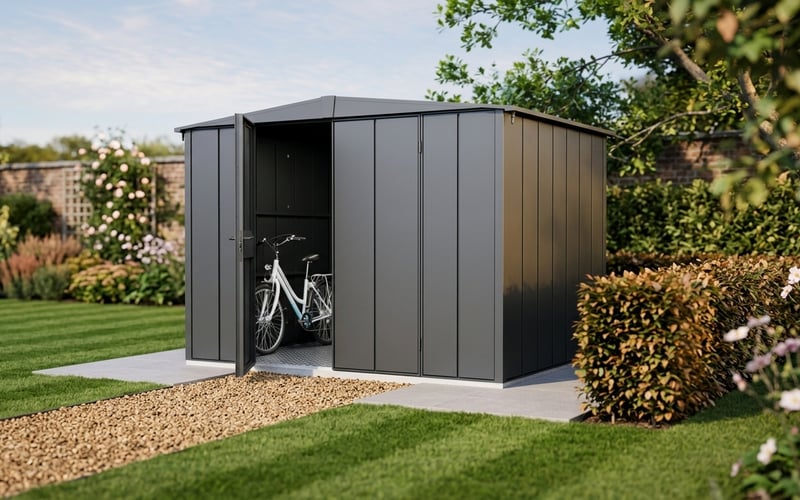
Shop the Hormann Berry 8x8 Apex Metal Shed →
Matt's Installation Tip
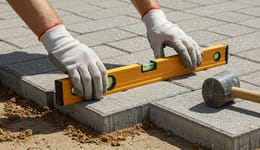
Why 50mm paving slabs beat a concrete pad for most sheds: the slabs flex with ground movement and will not crack the base frame. We have seen concrete pads shift 3-4mm in frost heave, enough to rack an 8x6 wooden frame and jam the door by April. Lay 20-30 slabs on a 75mm compacted sub-base of MOT Type 1, level with a string line, and you have a better base than concrete for half the labour. Full guide in our concrete and paving shed base guide.
Do you need planning permission for a garden shed?
Most UK garden sheds do not need planning permission. They fall under Permitted Development rights when they meet these conditions:
- Floor area under 15 square metres (161 sq ft)
- Ridge height under 2.5 metres if within 2 metres of any boundary
- Ridge height under 4 metres (dual-pitched) or 3 metres (single-pitched) elsewhere
- No sleeping accommodation
- Does not cover more than 50% of the total land around the original house
If you live in a conservation area, Area of Outstanding Natural Beauty, National Park, or a listed building, tighter rules apply. Check with your local council first. Larger buildings over 30 square metres or with sleeping accommodation need Building Regulations approval regardless of planning. The definitive reference is the Planning Portal outbuildings guide.
Keep your shed at least 1 metre from any boundary if possible. Beyond the regulations, this gives you access for painting and prevents neighbour disputes over overhanging eaves.
How should you prepare the base for your shed?
A level, dry base is the single most important factor in shed longevity. Three base options work for UK gardens:
Paving slabs on a compacted sub-base: our preferred option for 6x4 up to 10x8 sheds. Budget £150-£250 for slabs plus sub-base materials. Flexes with ground movement, drains well, and lasts decades.
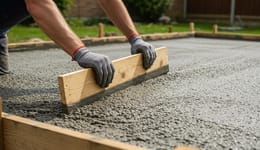
Concrete pad: suitable for sheds over 10x8 or when ground conditions are waterlogged. Minimum 100mm thick, reinforced with A142 mesh. Allow 7 days to cure before installing. Full construction guide in our shed base guide.
Pressure-treated timber bearers on compacted hardcore: quick and cheap but only suits smaller wooden sheds up to 6x8. Bearers need replacing every 8-10 years.
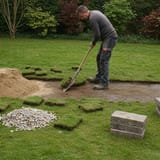
Do not install any shed directly on grass or soil. Moisture wicks up the base frame and rots out the bottom plate within 5 years, regardless of timber treatment. Check the RHS shed buying guide for independent advice on siting.
Matt's Tip: Felt the Floor Before Assembly
Before you screw down the floor panel of a wooden shed, lay a sheet of breathable roofing membrane across the bearers. It costs £15 for enough to cover an 8x6 and it stops ground moisture wicking into the floorboards. I have seen 5-year-old sheds with rotten floors sitting on perfect paving bases, all because the floor was fitted dry. The membrane lifts the life of the floor by 5-8 years for the price of a takeaway.
Do you need a potting shed instead?
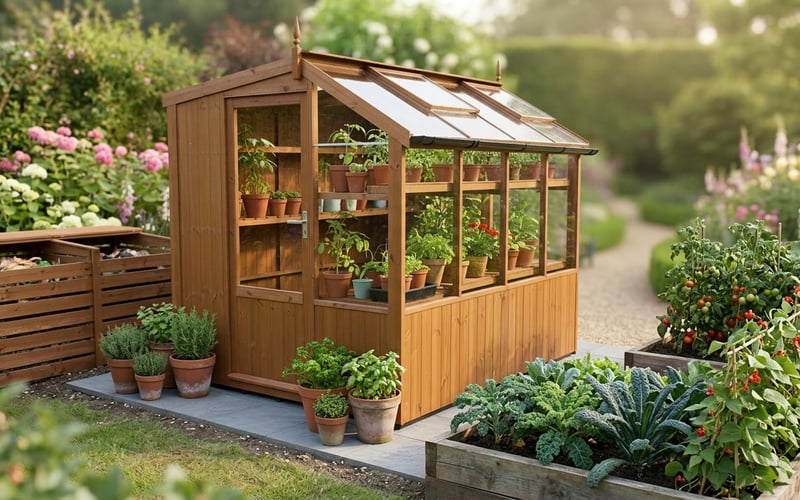
A potting shed is a hybrid between a shed and a greenhouse. One side is solid wall for storage and tool racking, the other is glazed for seedlings and overwintering tender plants. Potting sheds cost 3-4x more than a plain storage shed but they replace the need for a separate greenhouse.
The Swallow Jay 6x8 Wooden Potting Shed at £3,751 is the most ordered unit in our potting range. It has 4mm toughened glazing on the greenhouse side, a louvre vent, tongue-and-groove cladding on the storage side, and a full internal staging bench. For anyone growing tomatoes, chillies or bedding plants, this one unit replaces a shed plus a 6x4 greenhouse.
Before committing to a potting shed, read our potting shed vs greenhouse comparison and the month-by-month potting shed growing guide.
Shop the Swallow Jay 6x8 Potting Shed →
Comparing the main UK garden shed options
The table below compares the shed types we sell most often, with the Matt's Pick highlighted.
| Model / Range | Material | Cladding / Panel | Lifespan | Price (8x6 equivalent) | Matt's verdict |
|---|---|---|---|---|---|
| Power 8x6 Shiplap Apex (Matt's Pick) | Pressure-treated softwood | 12mm tongue-and-groove | 15-20 years | £764 | Best all-rounder for 90% of UK gardens |
| Power 8x6 Overlap Apex | Pressure-treated softwood | 8mm overlap | 10-15 years | £664 | Budget pick. Expect board replacements from year 5 |
| Palram Canopia 6x8 Rubicon | Polycarbonate-reinforced plastic | 10mm panels | 20-25 years | £759 | Best for zero maintenance. Not for cottage gardens |
| Hormann Berry 8x8 Apex | Galvanised steel | 0.6mm panels | 25-30 years | £3,199 | Best for secure bike and tool storage |
| Swallow Jay 6x8 Potting | Pressure-treated softwood + glass | Tongue-and-groove + 4mm toughened | 20+ years | £3,751 | Best if you also want to grow under glass |
| Power Apex Storage Sheds (4x6 range) | Pressure-treated softwood | Overlap | 10-15 years | From £719 | Best entry-level wooden shed |
Why we stock this shed range
"We have shipped and fitted sheds from every brand you can buy in the UK since 2005. The reason our current range centres on Power, Palram, Hormann and Swallow is simple: repeat-customer data. Across 12,000+ shed installs, Power Shiplap units had a 2% call-back rate in year one. Overlap units from other brands came in at 18%. Palram Rubicon panels have had zero structural failures reported to us in seven years of selling them. Hormann Berry galvanised steel holds its zinc coating longer than any metal shed we have tested, thanks to the 0.6mm panel thickness. Swallow joinery is CNC-cut in Yorkshire and the glazing bars have 1.5mm tolerance, which is why the doors still open smoothly 10 years on. We do not stock a brand unless the data backs it."
- Matt W, Greenhouse Stores
Frequently asked questions
What is the best type of shed for a UK garden?
A tongue-and-groove wooden shed on a level paving-slab base suits most UK gardens. Wood handles the climate, looks natural and takes paint for colour changes. The Power 8x6 Shiplap Apex at £764 is our most installed all-rounder. Choose plastic for zero maintenance or metal for secure storage of bikes and valuables.
Do I need planning permission for a garden shed in the UK?
Most garden sheds under 15 square metres do not need planning permission. Keep the ridge height under 2.5 metres if within 2 metres of any boundary, and do not use the shed for sleeping. Conservation areas, listed buildings and National Parks have tighter rules. Check the Planning Portal for your exact site.
What size shed do I actually need?
Work out what you need to store, then add 50% for headroom. A 6x4 holds a mower and basic tools. 8x6 fits a bike, garden furniture and tools. 8x8 or 10x8 suits workshop or potting use. Eaves height matters too: apex roofs suit taller users better than pent.
How long does a wooden shed last in UK weather?
A pressure-treated wooden shed lasts 15-20 years with annual treatment. Tongue-and-groove cladding, a paving-slab base and a breathable roofing membrane under the floor add 5-8 years. ThermoWood or Red Cedar sheds last 25+ years without the annual paint cycle.
Is it cheaper to build or buy a shed?
For most buyers, buying an off-the-shelf shed is cheaper than building one. Materials alone for a self-built 8x6 cost £500-£700, before tools, labour or mistakes. A factory-built Power 8x6 Shiplap at £764 arrives pre-cut, pre-treated and ready to assemble in a day. Self-build only wins if you have free reclaimed timber.
What base should I put a shed on?
A level paving-slab base on compacted MOT Type 1 sub-base suits most UK gardens. Slabs flex with frost heave, drain well and cost less than a concrete pad. Budget £150-£250 for materials on an 8x6 footprint. Never install a shed directly on grass or soil.
How do I stop my shed from leaking?
Most shed leaks come from felt or cladding, not the walls. Re-felt the roof every 7-10 years with mineral-finish shed felt. Check tongue-and-groove joints for shrinkage gaps each spring. Apply a microporous preservative every 2 years to keep water out of the end grain. Fix small gaps with exterior silicone, not paint.
Can I assemble a shed on my own?
Most 6x4 and 8x6 wooden sheds take two adults half a day to assemble. You cannot safely lift the roof or side panels alone on anything larger than a 6x4. Metal sheds are fiddlier because of small fixings but not physically heavier. Always follow the brand's official instructions and check panel numbering before you start.