Urban Gardening: Growing Food in Small UK Spaces
Urban gardening turns balconies, patios, and small gardens of 2-3 square metres into productive food-growing spaces. A compact lean-to greenhouse from £219 or an Elite 2x4 raised bed creates space for herbs, salads, tomatoes, and chillies. Over 16 years fitting greenhouses across UK cities, we have seen productive urban plots save households £200-£400 a year on fresh produce. Start with a £5 packet of salad seeds; scale up when you are confident you will use it.
Key Takeaways
- Any space works — balconies, patios, windowsills, and gardens of 2-3 square metres are enough to grow fresh food.
- Lean-to greenhouses save space — a 2x3ft model fits against any wall and extends the UK growing season by 8-10 weeks.
- Quick wins first — salad leaves, herbs, and radishes produce harvests within 4-6 weeks from seed.
- Containers beat digging — raised beds and pots work on concrete, paving, and balconies with no soil access.
- Year-round growing is possible — a small greenhouse with fleece protection keeps salads and herbs going through UK winters.
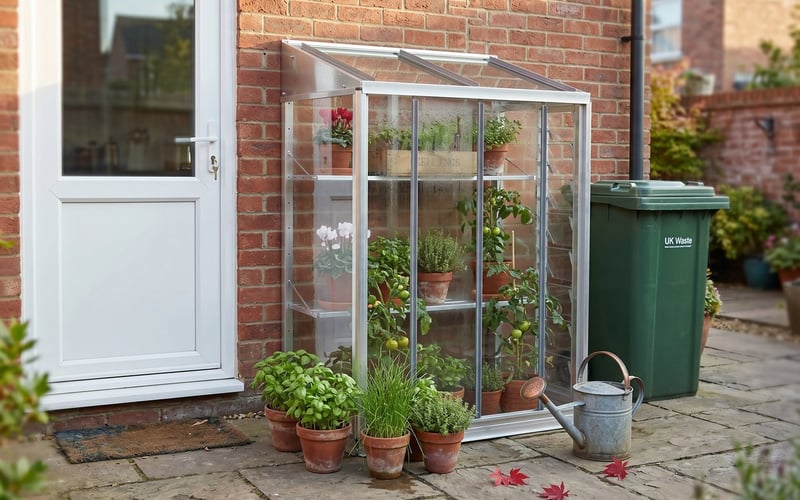
- Matt's Pick for balconies: the 2x3 Access Harlow Mini Lean-To from £349 — full details below.
Shop the 2x3 Access Harlow Mini Lean-To →
Installer's Note
We have fitted lean-to greenhouses on balconies, patios, against garage walls, and in courtyards barely wider than a wheelbarrow. Over 16 years of installations, the one thing we have learned is that growing space is never too small. Some of the best gardens we have seen use nothing more than a 2-metre patio and a wall-mounted lean-to. The key is choosing the right structure for the space you have.
Why urban gardening matters in the UK
Food prices in UK supermarkets have risen sharply since 2022. A bag of salad leaves costs £1.20-£1.50 and lasts three days. A single £1.50 packet of seed produces salad for an entire summer. Over a season, one small balcony of salad and herb pots replaces £120-£200 of shop-bought greens.
Beyond the cost saving, growing your own food cuts food miles to zero. Most supermarket salad travels 1,500 miles from Spain or the Netherlands before reaching your plate. Home-grown food is fresher, more nutritious, and produces no plastic packaging waste.
The mental-health benefits are well documented. The Royal Horticultural Society reports that regular gardening reduces stress and anxiety by up to 30%. Even twenty minutes of watering and tending plants on a balcony counts.
For urban growers, the challenge is not motivation. It is space. Modern compact greenhouses, raised beds, and vertical systems make food production possible in tiny spaces.
Types of urban growing spaces
Shop the full raised bed and planter range →
Every home has at least one viable growing space. Here is how to make the most of each type we see our urban customers working with.
Balconies and roof terraces
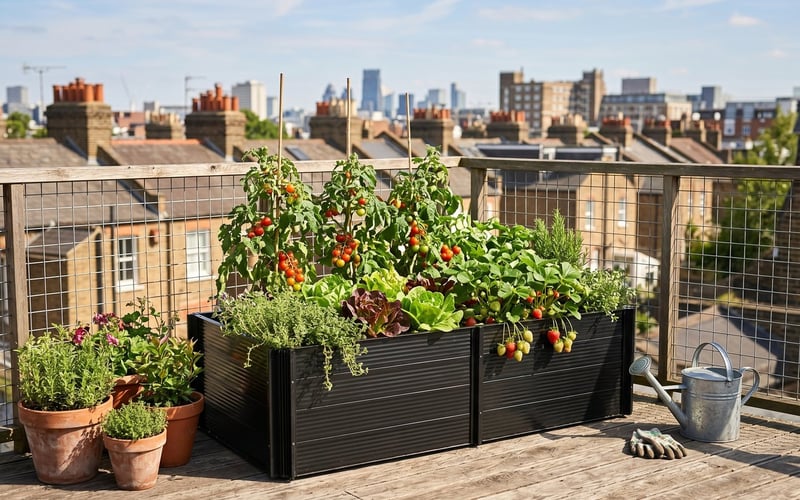
South-facing balconies receive 6-8 hours of direct sunlight in UK summer. That is enough for tomatoes, peppers, chillies, and herbs. Use lightweight containers with drainage holes and a drip tray to protect the surface below.
Check your balcony weight limit before loading it with heavy terracotta pots. Plastic and fabric grow bags weigh far less and perform just as well. A single growbag produces 4-6 tomato plants in a footprint of 100cm by 40cm.
Shop the Elite 2x4 Raised Bed →
Flat roof terraces offer even more potential. With the right waterproof membrane and weight planning, a rooftop becomes a full growing space. Use lightweight growing media and self-watering containers to reduce weight and maintenance.
Patios and courtyards
Paved areas suit raised beds and container growing. There is no digging involved. Place a compact raised bed directly on paving slabs, fill with quality compost, and start planting. A 2x4ft raised bed fits against most garden walls and holds enough soil for a productive salad and herb garden.
South or west-facing patios are best. If your patio is shaded, focus on shade-tolerant crops such as lettuce, spinach, rocket, and mint.
Small back gardens
Even a garden of 3x3 metres has room for a lean-to greenhouse against the house wall, plus a couple of raised beds. This combination gives you year-round growing: warm-season crops under glass and hardy crops outside. For gardens with space for a freestanding model, a 6x4ft greenhouse still fits tight footprints while giving you standing headroom inside.
Windowsills and indoor spaces
South-facing windowsills are perfect for herbs, microgreens, and chilli seedlings. A deep sill of 15cm or more holds standard 9cm pots comfortably. Start seeds indoors from February and move them outside or into a greenhouse once temperatures rise above 10°C.
Allotments
If your garden is too small, a local allotment plot provides 125-250 square metres of growing space. Waiting lists vary by council, but many UK cities have plots available within 6-12 months. An allotment combined with a small greenhouse at home gives you the best of both.
Container gardening for beginners
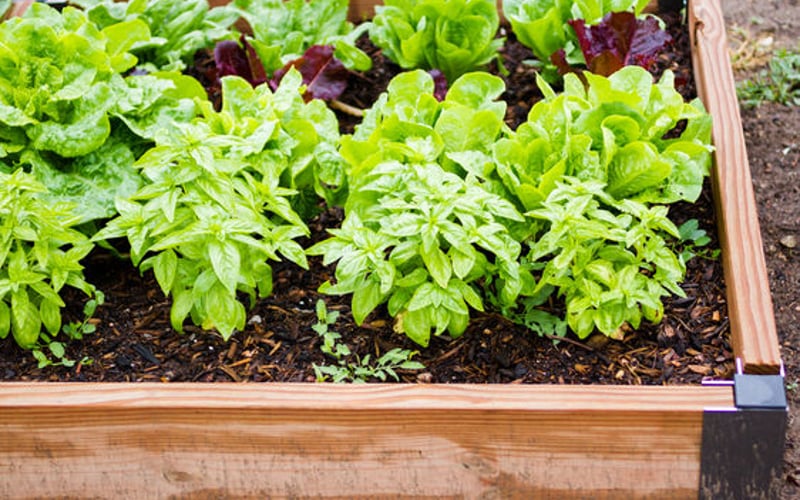
Containers are the foundation of urban food growing. They work on any surface, need no digging, and can be moved to follow the sun through the day.
Choosing the right containers
Bigger is always better for containers. Small pots dry out within hours on a warm day. Aim for a minimum of 30cm diameter and 30cm depth for most vegetables.
| Container Type | Best For | Pros | Cons |
|---|---|---|---|
| Fabric grow bags | Tomatoes, potatoes, courgettes | Lightweight, breathable, foldable | Dry out faster than solid pots |
| Plastic pots (30cm+) | Herbs, peppers, chillies | Cheap, retain moisture well | Can overheat in direct sun |
| Raised beds | Salads, root veg, mixed planting | Deep root space, no bending | Heavier, more permanent |
| Window boxes | Herbs, strawberries, microgreens | Fit any windowsill or railing | Limited depth for root crops |
| Wooden troughs | Salad mixes, spring onions | Attractive, good depth | Rot over time without treatment |
Soil and drainage essentials
Never use garden soil in containers. It compacts, drains poorly, and may harbour diseases. Use a multipurpose peat-free compost mixed with 20% perlite for drainage.
Every container must have drainage holes. Waterlogged roots rot within days, killing the plant. Place pots on feet or pot stands to allow free drainage. Line the bottom with a layer of crocks or gravel before adding compost.
Feed container plants every 7-10 days with a liquid tomato fertiliser once they start flowering. Container soil holds fewer nutrients than open ground, so regular feeding is essential.
Small greenhouse options for urban spaces
Browse all lean-to greenhouses →
A greenhouse transforms urban growing. It extends the season by 8-10 weeks in spring and autumn. It protects tender crops from wind and rain. It creates the warmth that tomatoes, peppers, and aubergines need to fruit properly in the UK climate.
For small spaces, three types of greenhouse work best.
Lean-to greenhouses
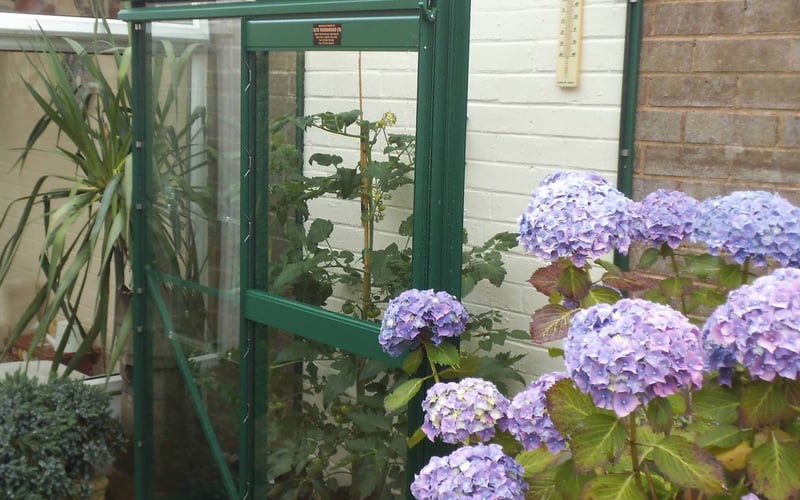
Lean-to models fix against a house, garage, or garden wall. They take up half the footprint of a freestanding greenhouse. The wall acts as a thermal store, absorbing heat during the day and releasing it at night.
We regularly fit lean-to greenhouses in spaces as narrow as 60cm deep. A 2x3ft model fits against any solid wall. It provides enough space for tomato plants, seed trays, and overwintering herbs.
Mini greenhouses and cold frames
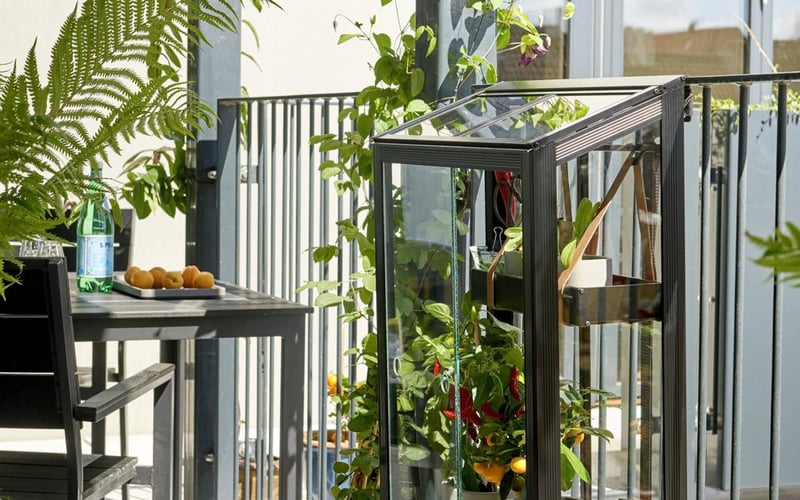
Freestanding mini greenhouses stand 120-150cm tall and take up less than half a square metre of floor space. They work well on balconies and patios where a full lean-to is not practical.
Cold frames sit at ground level and are ideal for hardening off seedlings, growing salads, and overwintering herbs. They cost less than £100 and need no installation.
Compact freestanding 6x4 greenhouses
A 6x4ft greenhouse is the smallest model with standing headroom inside. It suits gardens with a 2x2 metre patch to spare and gives you enough volume for tomatoes, peppers, cucumbers, and seed-starting through the year. We fit more 6x4 models than any other size in urban back gardens.
What to grow in a small urban space
Focus on crops that give the highest yield per square metre. These are the best performers for urban growers.
Quick-harvest crops (4-8 weeks)
- Salad leaves — cut-and-come-again lettuce, rocket, and mizuna. Sow every 2-3 weeks for continuous supply.
- Radishes — ready in 4 weeks. Sow between slower-growing crops to use empty space.
- Microgreens — harvest in 7-14 days on a windowsill. Sunflower, pea shoot, and broccoli microgreens pack serious nutrition.
- Spring onions — ready in 6-8 weeks. Grow in window boxes or between larger plants.
Herbs that earn their space
- Basil — grows fast in a greenhouse or sunny windowsill. Pinch out growing tips to keep plants bushy.
- Coriander — sow every 3 weeks as it bolts quickly. Best in cooler spots or partial shade.
- Rosemary and thyme — perennial plants that survive outdoors year-round in most UK areas.
- Mint — always grow in a pot. It spreads aggressively if planted in open soil.
- Chives — hardy perennial that comes back every spring. Produces edible flowers too.
For a complete guide to starting from seed, read our article on growing seeds in a greenhouse.
High-value greenhouse crops
- Tomatoes — a single cordon plant produces 3-5kg of fruit. Cherry varieties like Sungold and Gardener's Delight thrive in small greenhouses.
- Chillies — compact plants that fruit heavily in pots. One plant produces 30-50 chillies over a season.
- Peppers — need greenhouse warmth to ripen fully in the UK. Grow in 30cm pots with support.
- Aubergines — compact varieties like Moneymaker produce 4-6 fruits per plant in a warm greenhouse.
- Cucumbers — trailing varieties train well up a greenhouse wall or trellis.
A greenhouse makes year-round vegetable production possible even in the coldest UK regions. Start warm-season crops under glass from February and keep winter salads going through to March.
Vertical growing and hydroponics
Browse all urban greenhouses →
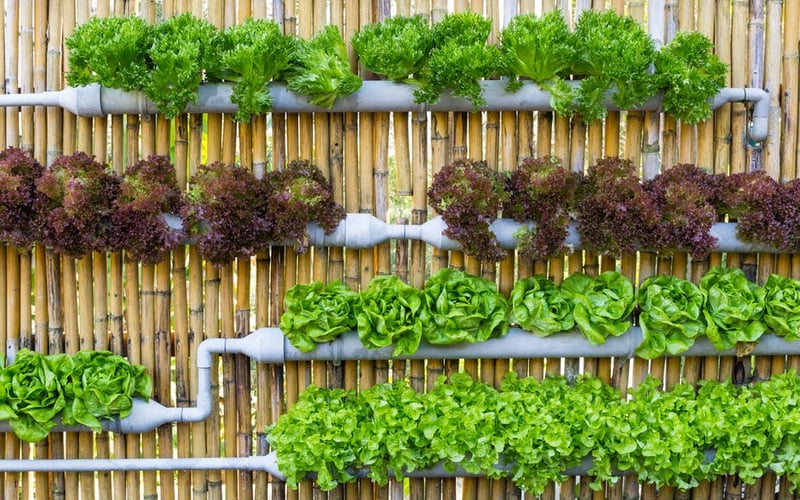
When floor space is limited, grow upwards. Vertical growing triples the productive area of a small balcony or patio.
Simple vertical methods
- Pallet planters — lean an old pallet against a wall, line the back with membrane, and fill with compost. Plant herbs and strawberries in each slat gap.
- Stacking pots — tower systems hold 5-8 planting pockets in a single pot footprint. Ideal for herbs and strawberries.
- Wall-mounted pockets — fabric pocket planters fix to any fence or wall. Each pocket holds one herb or salad plant.
- Trellis and climbing frames — train runner beans, peas, and cucumbers up vertical supports against a wall.
Hydroponics for beginners
Hydroponic systems grow plants in nutrient-rich water instead of soil. They use 80-90% less water than traditional growing and produce faster harvests.
A basic Kratky method setup costs under £20. Fill a container with nutrient solution and suspend a net pot with clay pebbles above the water line. Add a seedling and wait. Lettuce, basil, and pak choi grow exceptionally well this way.
Hydroponic towers fit in a 30cm floor space and hold 20-30 plants vertically. They work indoors under grow lights or in a greenhouse with natural light.
Composting in small spaces
Even urban growers can make their own compost. It saves money on bought compost and recycles kitchen waste.
- Wormeries — a compact worm bin sits under a kitchen counter or on a balcony. Red worms convert vegetable scraps into rich liquid feed and worm castings in 8-12 weeks.
- Bokashi bins — ferment kitchen waste (including cooked food and meat) in an airtight bucket. The fermented material breaks down in soil within 2-4 weeks.
- Tumbler composters — enclosed drums that keep rats out and speed up composting. Ideal for small gardens and patios.
Wormeries and bokashi bins suit flats and apartments where outdoor compost heaps are not an option.
Urban growing calendar: what to plant and when
This seasonal planner covers the key sowing and harvesting windows for the most popular urban crops in the UK.
| Month | Sow Indoors / Greenhouse | Sow Outdoors / Containers | Harvest |
|---|---|---|---|
| January-February | Chillies, aubergines, early tomatoes | — | Microgreens, windowsill herbs |
| March-April | Tomatoes, peppers, cucumbers, basil | Radishes, rocket, lettuce, spinach | Overwintered salads, spring onions |
| May-June | Succession sow basil and coriander | Runner beans, courgettes, herbs | Radishes, lettuce, rocket, herbs |
| July-August | Autumn salads, pak choi | Spring onions, beetroot, chard | Tomatoes, chillies, peppers, cucumbers |
| September-October | Winter lettuce, spinach under glass | Garlic cloves, overwintering onions | Late tomatoes, aubergines, herbs |
| November-December | Microgreens, forced rhubarb | — | Winter salads, kale, chard |
Adjust sowing dates by 2-3 weeks if you live in northern England or Scotland. Southern UK growers can push the season earlier with fleece and cloches.
Matt's Tip: Start Small and Cheap
I always tell new growers the same thing: do not spend a fortune on your first season. Buy a £1.50 packet of cut-and-come-again salad seed, a £3 bag of peat-free compost, and a couple of recycled plastic pots. That is your starter kit. You will be eating home-grown salad within four weeks. Once you know you enjoy it, invest in a proper raised bed or lean-to greenhouse. I have seen too many people spend £500 on equipment and lose interest by July. Start small, prove you will use it, then scale up.
Matt's Picks: the best greenhouses for urban growers
Four greenhouses we fit regularly into UK urban spaces. Each one solves a specific problem — balcony depth, budget, small patio, or standing headroom in a tight back garden.
|
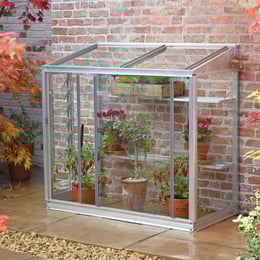
Matt's Pick for balconies and tiny patiosBest For: Balconies, narrow patios, and tight wall spaces. Why I Recommend It: I have fitted dozens of these against house walls, garage sides, and balcony partitions. The 60cm-deep footprint takes up almost nothing. It holds four full-size tomato plants or a full season of salad trays. Toughened glass keeps heat in and wind out. Price: £349 |
|
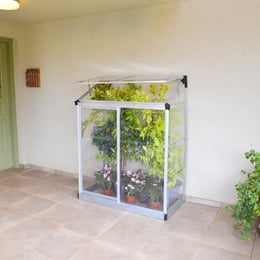
Matt's Pick for the budget-conscious urban growerBest For: First-time growers who want a proper lean-to under £250. Why I Recommend It: The most affordable proper lean-to greenhouse we stock. Polycarbonate panels are virtually unbreakable, which matters in built-up areas where footballs and wind-blown debris are a real risk. Lightweight enough for one person to assemble in an afternoon. Price: £219 |
|
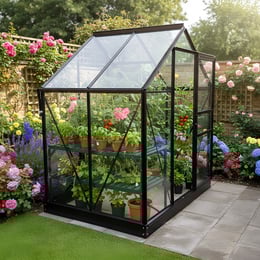
Matt's Pick for small back gardensBest For: Paved back gardens with a 2x2 metre patch to spare. Why I Recommend It: The smallest Vitavia freestanding model with standing headroom inside. Black powder-coated frame looks at home against a modern extension or rendered wall. Toughened glazing and a 12-year warranty for under £550 is hard to beat. Price: £519 |
|
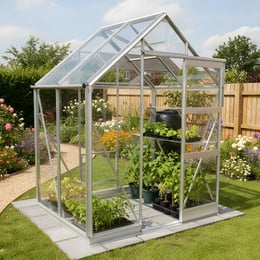
Matt's Pick for growing tall crops in a small footprintBest For: Cordon tomatoes, cucumbers, and anyone over 6ft tall. Why I Recommend It: British-made, 20-year warranty, and 2.13m high eaves that let cordon tomatoes and cucumbers reach full height without pruning the leader. The 6x4 footprint matches the Vitavia Venus but the extra wall height changes what you can grow. Price: £629 |
Frequently asked questions
Can I grow vegetables on a balcony in the UK?
Yes, most vegetables grow well in containers on a sunny balcony. South or west-facing balconies with 6 or more hours of sunlight suit tomatoes, peppers, chillies, and herbs. Shaded balconies still produce good crops of lettuce, spinach, rocket, and mint. Use lightweight fabric pots to avoid overloading the balcony structure. Check your lease or building rules before installing any permanent structures.
What is the cheapest way to start urban gardening?
A packet of salad seeds and a recycled container costs under £5 total. Cut-and-come-again lettuce grows in any container deeper than 15cm. Drill drainage holes in old washing-up bowls, ice cream tubs, or wooden crates. Fill with peat-free multipurpose compost and sow directly. You will harvest your first salad within four weeks of sowing.
Do I need a greenhouse to grow food in a small garden?
No, but a greenhouse significantly extends your growing season and crop range. Without one, you are limited to outdoor-hardy crops from May to October. A lean-to greenhouse from £219 lets you start sowing in February and grow tomatoes and chillies. You can keep salads going through winter too. The investment usually pays for itself within two seasons in saved food costs.
How much food can I grow in a small urban space?
A 2x4ft raised bed produces 15-20kg of mixed vegetables per season. Add a mini greenhouse and you can double that. One tomato plant yields 3-5kg. A single salad bed provides enough leaves for a household of two throughout summer. Herbs like basil, coriander, and parsley replace £1-£2 supermarket packs every week. Over a full season, a small productive setup saves £200-£400 on fresh produce.
What vegetables grow well in shade?
Lettuce, spinach, rocket, chard, kale, and most herbs tolerate partial shade. These crops actually prefer cooler conditions and bolt more slowly without direct midday sun. Mint and parsley thrive in shaded spots where other crops struggle. Root vegetables like radishes and beetroot manage in 3-4 hours of sunlight. Avoid planting tomatoes, peppers, or chillies in shade, as they need full sun to fruit.
What is the smallest greenhouse I can fit on a balcony?
A 2x3ft mini lean-to is the smallest practical greenhouse for a balcony. The 2x3 Access Harlow takes up 60cm of depth and 90cm of width against a solid wall. That is enough space for four tomato plants or a full season of herbs and salads. For balconies without a solid wall, a freestanding mini greenhouse or wall-mounted growing shelf is the next best option, both under 50cm deep.
Is urban gardening worth it financially?
A £250-£500 setup typically pays back within two growing seasons. A single cordon tomato plant produces 3-5kg of fruit worth £25-£35 at supermarket prices. One salad bed replaces £120-£200 of shop-bought leaves over a summer. Fresh herbs alone save £3-£5 a week. Factoring in compost and water, most urban growers we speak to save £200-£400 a year on fresh produce once established.