Coffee Grounds in the UK Garden: What Actually Works (and What Doesn't)
Coffee grounds can be useful in the garden, but the compost heap is usually the simplest place for them. Add modest amounts to a varied mix rather than spreading a thick layer around plants. Used grounds are not a dependable soil acidifier, complete plant food or slug barrier, and raw grounds are best kept out of seed trays and seedling pots.
Key Takeaways
- Compost them with other materials. Mix in dry leaves or torn plain cardboard as part of a varied heap.
- Do not rely on them to lower soil pH. Check the soil and use the right growing medium for the plant.
- Keep raw grounds away from seedlings. Use a suitable seed compost instead.
- Avoid thick surface layers. Fine grounds can compact and interfere with watering.
Expert Tip
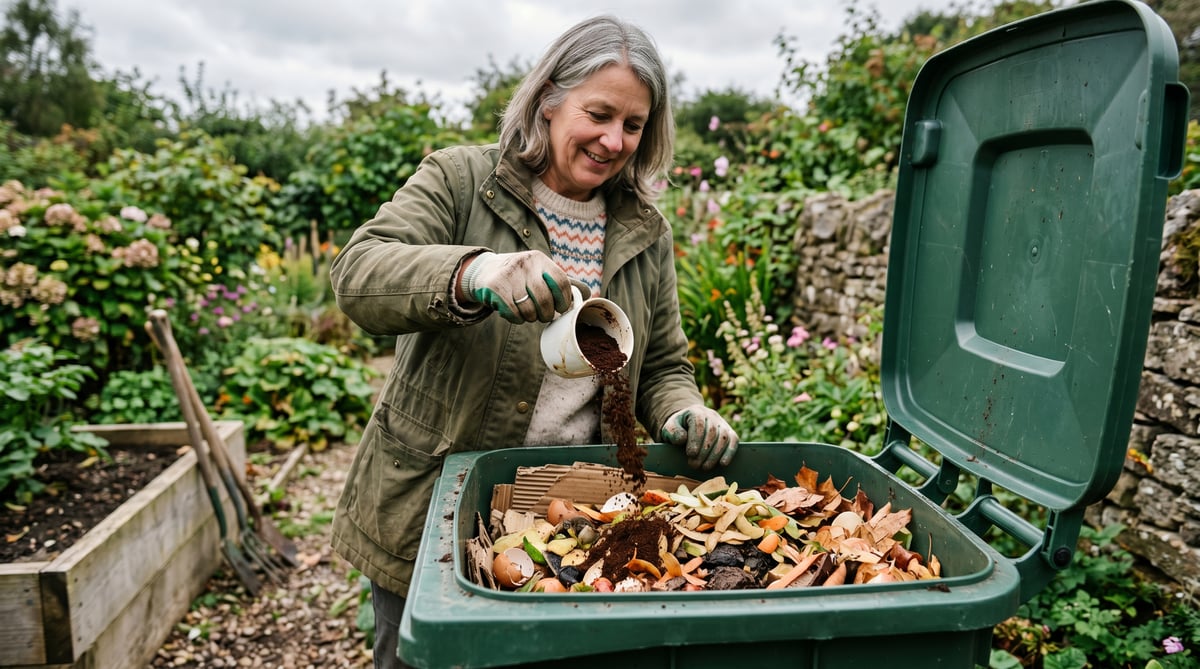
There is no need to save every bag of grounds from a local café. Start with what your own kitchen produces. If the heap already looks wet and dense, add some dry, bulky material and mix it through before adding more grounds.
Are coffee grounds good for plants in a UK garden?
They can contribute organic matter as they break down. That is useful, but it does not make them a replacement for suitable compost or the feed your plants need. The University of Maine’s gardening advice recommends moderate use as a soil conditioner and points to the compost pile as a better home for them.
Think of grounds as one small ingredient, not a treatment for a struggling plant. Yellow leaves, poor growth or dry pots need a check of watering, roots and growing conditions before you reach for the coffee container.
Fresh and used coffee grounds: what is the difference?
Fresh grounds have not been brewed; used grounds are what remains afterwards. That distinction does not give you a reliable recipe for changing garden soil. Used grounds are generally near neutral, and neither a bag of fresh coffee nor a week’s used grounds is a measured soil-acidifying product.
There is no need to buy unbrewed coffee for your borders. If you want to grow an acid-loving plant, check the soil’s suitability or use the recommended growing medium in a container. That is much more useful than guessing a dose of coffee.
How to add coffee grounds to compost
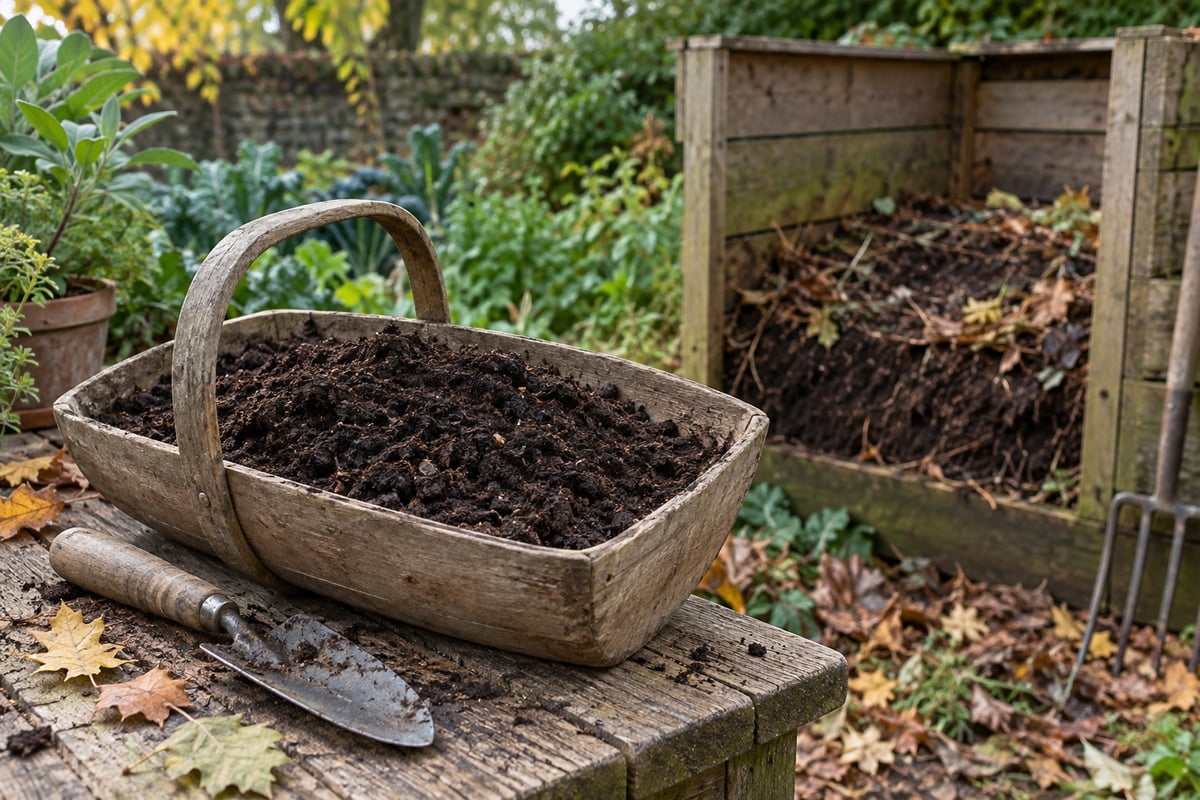
Despite their brown colour, grounds count as a nitrogen-rich “green” compost ingredient. Add them alongside other kitchen and garden material, with dry “browns” such as torn plain cardboard and autumn leaves. Break up clumps and mix them through.
- Let the grounds cool. Empty them into your kitchen compost collection or take them straight to the heap.
- Keep each addition modest. A mixed heap should not become a pile of coffee with a few leaves on top.
- Add texture. Combine fine, damp material with drier, bulkier ingredients rather than packing it down.
- Check the heap. If it is becoming wet and compacted, mix in more dry material and ease off the wet additions.
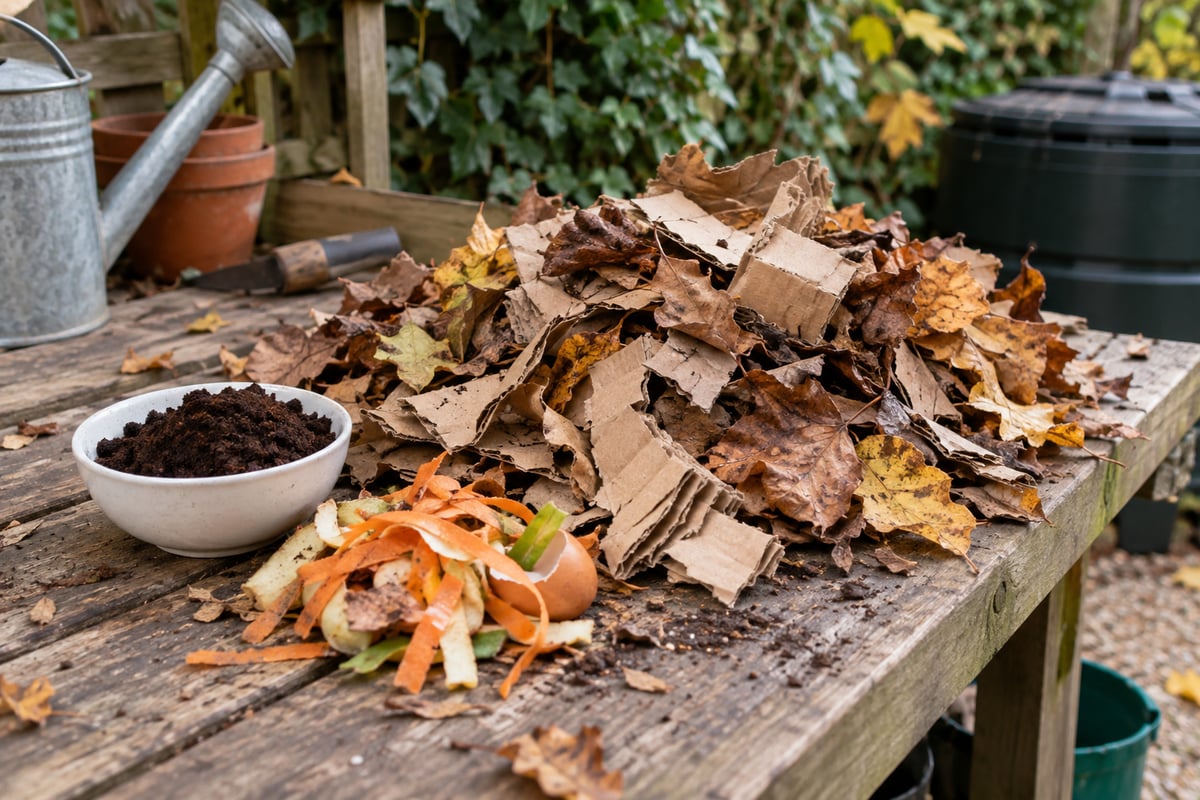
Plain paper coffee filters can usually go in too; tear them up and check that they contain no plastic lining. Coffee pods and mixed-material packaging are a separate matter: follow their disposal instructions rather than dropping them into a home compost bin.
For help getting a heap started, read our guide to making your own compost. There is no fixed coffee-ground timetable for finished compost. Temperature, ingredients, moisture and how you manage the heap all affect how long it takes.
Why keep raw coffee grounds away from seedlings?
Young plants need a suitable growing medium, not kitchen leftovers mixed into their seed tray. Oregon State University Extension warns that residual caffeine in grounds can suppress germination and slow growth. Raw grounds are therefore an unnecessary risk around newly sown seeds and small seedlings.
Use a seed compost suited to what you are sowing. If you have already scattered grounds on a tray, remove loose surface clumps gently where possible without disturbing the seedlings. Do not add more to “feed” them. Check watering and growth before deciding whether any plants need moving to fresh compost.
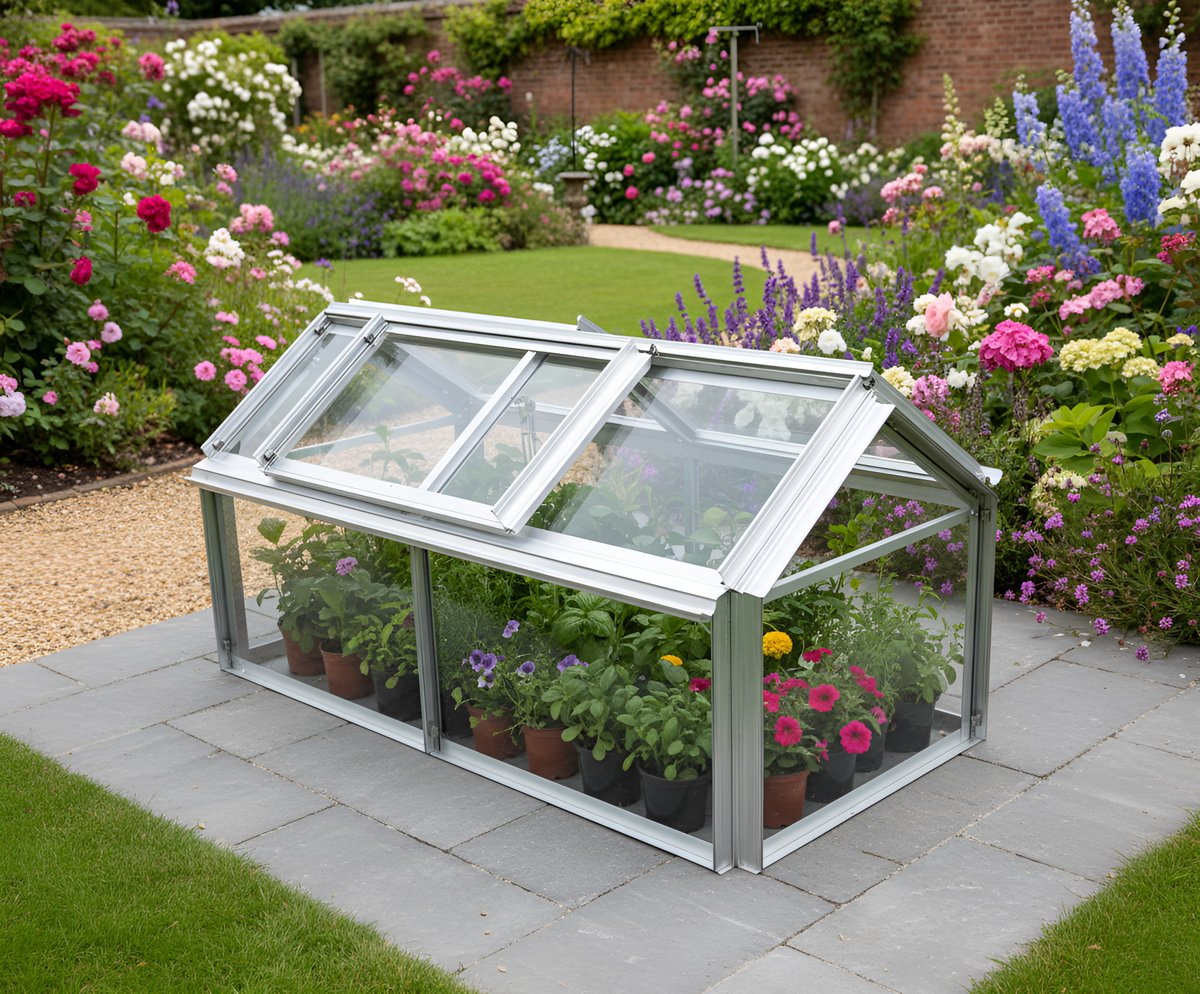
A cold frame can help with hardening off suitable plants, but it does not make raw coffee grounds a suitable seedling mulch. Keep those two jobs separate.
Can you put coffee grounds straight onto garden soil?
For a simple household routine, composting first avoids the main problems. A thick layer of fine grounds can form a crust that makes watering awkward. Adding more each morning around the same plant is not a useful feeding schedule.
If grounds have built up on a border or pot, loosen and lift off the excess rather than leaving a dense mat. Check that water reaches the soil underneath. A small accidental spill is not a reason to panic or throw away a plant.
Once the ingredients have broken down into mature garden compost, use that compost where appropriate for your beds. Seed sowing and specialist container plants still call for a suitable growing medium of their own.
What about blueberries, hydrangeas and tomatoes?
Blueberries and other acid-loving plants
Do not use coffee grounds as a substitute for suitable acidic soil or ericaceous compost. If your soil is unsuitable, growing blueberries in the right container compost is a more manageable choice. Check the plant’s care instructions, including watering and feeding.
Hydrangeas
Coffee grounds will not reliably turn hydrangea flowers blue. Flower colour depends on the kind of hydrangea and its growing conditions, not simply whether you scatter grounds beneath it. Keep the composting habit, but drop the colour-change promise.
Tomatoes, roses and other hungry plants
Do not count grounds as a complete feed for tomatoes or roses. Give each plant an appropriate growing medium and feed when its care instructions call for it. For tomatoes in pots, regular checks of moisture and enough room for roots matter far more than saving coffee for the surface.
The same applies to carrots, radishes and salads: there is no need to sprinkle raw grounds along a seed row. Keep the seedbed suitable for germination and put the grounds in the heap.
Do coffee grounds keep slugs away?
Do not rely on them to protect seedlings or prized plants. Research involving caffeine or coffee solutions is not the same as proof that a ring of household grounds makes an effective garden barrier.
Do not rely on coffee grounds to stop slugs. Copper tape and other barriers should not be presented as guaranteed alternatives either.
Check vulnerable plants regularly and identify what is causing damage before choosing a response. Our slug control guide covers the wider options. Do not make a concentrated caffeine spray from a gardening tip.
A simple routine worth keeping
Empty a little cooled coffee waste into a mixed heap, add a variety of materials and keep an eye on its condition. Use the resulting mature compost where it suits the garden. That is a worthwhile way to recycle something you already have without asking it to acidify soil, feed every crop or stop pests.
Further reading
See the University of Maine’s coffee-ground advice, Oregon State University’s guidance on using grounds appropriately.
Frequently asked questions
Are coffee grounds good for plants in a UK garden?
They are useful as a modest part of a mixed compost heap. They contribute organic matter but are not a complete plant food or a cure for poor growth.
Do coffee grounds make soil more acidic?
They are not a reliable way to lower soil pH. Used grounds are generally near neutral. Check soil suitability and use the right growing medium for acid-loving plants.
Do coffee grounds keep slugs away?
Do not rely on coffee grounds as a slug barrier. Research on caffeine solutions does not establish a dependable protective ring of household grounds.
Can you put too many coffee grounds on plants?
Yes, thick layers can compact and interfere with watering. Compost modest amounts with varied ingredients instead of repeatedly tipping grounds around the same plant.
Are coffee grounds good for tomatoes?
They are better composted than added raw to tomato pots. Tomatoes still need a suitable growing medium, appropriate feeding and careful watering. Keep raw grounds away from seedlings.
Can coffee grounds go straight in the compost bin?
Yes, once cool, mix them with other compost ingredients. Break up clumps and include dry leaves or torn plain cardboard rather than making a solid layer.
How often should I apply coffee grounds to my garden?
There is no useful fixed schedule for applying grounds to plants. Add small amounts to a mixed compost heap when available, adjusting if the heap becomes too wet or dense.
Which plants should I avoid putting coffee grounds on?
Keep raw grounds away from seeds and young seedlings. Avoid thick layers around established plants too. There is no need for a long plant blacklist when you compost grounds first.