Greenhouse vs Polytunnel: Which Is Better for a UK Garden?
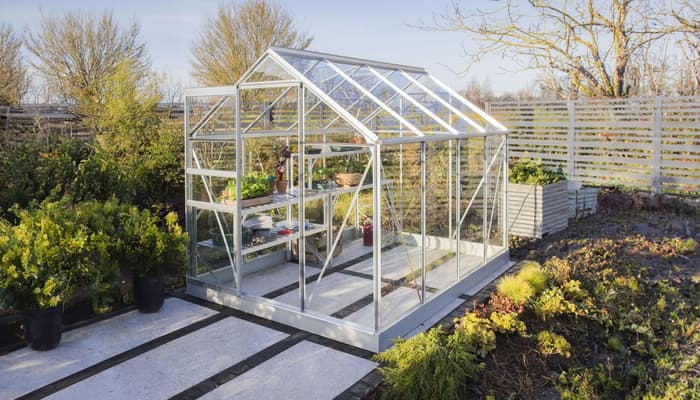
A greenhouse beats a polytunnel on durability, heat retention, wind resistance, pest control and property value. The only area where a polytunnel wins is upfront cost per square metre. A 6x8ft polytunnel costs around £350-500, while a glass greenhouse of the same size starts from £378. But polytunnel covers need replacing every 5-7 years at 15-20% of the original price. Over 10 years, a greenhouse works out cheaper and performs better in every measurable way.
Key Takeaways
- Glass lasts 50+ years with no degradation. Polytunnel polythene loses 10-15% light transmission within 5 years and needs replacing.
- Greenhouses retain heat 15-85% better than polytunnels depending on glazing type (glass or polycarbonate).
- Wind is the number one killer of polytunnels. Most insurance companies won't cover the damage.
- A greenhouse adds 5-10% to your property value. A polytunnel adds nothing and may put buyers off.
Installer's Note
We've been asked about polytunnels hundreds of times. Our honest answer: if you need to cover a large area cheaply for allotment-scale growing, a polytunnel makes sense. For everything else, get a greenhouse. We've replaced more polytunnels with greenhouses than we can count. The usual story is the same. The cover ripped in a storm after three years. The replacement cost nearly as much as the original. So they went permanent. A greenhouse costs more on day one but it's still standing 20 years later.
How much does a greenhouse cost vs a polytunnel?
Upfront, polytunnels are cheaper. A domestic 6x8ft polytunnel costs roughly £350-500. A glass greenhouse the same size starts at £378 for the Palram Mythos in polycarbonate. The Vitavia Venus 5000 in horticultural glass costs £509.
But the upfront price is misleading. Polytunnel polythene degrades in UV light. Standard 150-micron covers last 4-6 years. After that, you're paying 15-20% of the original price for a new cover. Over 10 years, you'll buy at least two covers. Over 20 years, you could spend more on covers than the greenhouse would have cost in the first place.
| Cost over time | Polytunnel (6x8ft) | Greenhouse (6x8ft glass) |
|---|---|---|
| Year 0 (purchase) | £450 | £509 |
| Year 5 (new cover) | £80-90 | £0 |
| Year 10 (second cover) | £80-90 | £0 |
| Year 15 (third cover) | £80-90 | £0 |
| Total over 15 years | £690-720 | £509 |
That table tells the real story. A £509 Vitavia Venus pays for itself within 10 years compared to a polytunnel. And the greenhouse is still going strong at year 15 with zero maintenance costs. Our glass vs polycarbonate guide covers the glazing options in detail.
Which keeps heat better: greenhouse or polytunnel?
Greenhouses win on heat retention. Single polythene has an R-value of about 0.83. Single glass comes in at 0.95, which is 15% better. Twin-wall polycarbonate scores 1.54, nearly double the insulation of polythene.
In practice, polytunnels heat up fast on sunny days but lose that heat just as fast overnight. One grower recorded 37°C inside a polytunnel during the day dropping to 3°C by dawn. That 34-degree swing stresses plants badly. Greenhouses, especially on concrete or brick bases, hold heat more evenly because the base adds thermal mass.
For winter growing or early spring seed starting, a greenhouse gives you a far more stable environment. You'll spend less on heating too. Our greenhouse heating costs guide breaks down the real monthly figures.
Matt's Tip: The overnight test
Put a max-min thermometer in both structures on the same night. You'll see the polytunnel drops 5-8°C more than the greenhouse between midnight and 6am. That difference matters hugely in March when you're trying to get tomato seeds going.
How long does each one last?
This is where the gap between the two is biggest.
Horticultural glass lasts 50+ years. It does not degrade in UV light. A pane of glass transmits the same amount of light on year 30 as it did on day one. If a pane cracks, you replace that single pane for £5-15. The aluminium frame lasts just as long.
Polytunnel polythene degrades from the moment it goes on. Standard 150-micron covers carry a 4-year warranty. Commercial 180-micron covers stretch to 5 years. Even premium 200-micron covers top out at 8-12 years. After 3-5 years, a polytunnel cover transmits 10-15% less light than when it was new. A 3-year-old polytunnel lets in less light than a 30-year-old glass greenhouse.
The steel frame of a polytunnel lasts 20+ years if galvanised. But the frame without a cover is useless. You're tied into a cycle of cover replacements for the life of the structure.
Which handles UK weather better?
Wind is the number one cause of polytunnel damage in the UK. The polythene cover acts like a sail. In strong gusts, it catches the wind and either rips or lifts the entire structure out of the ground. Most insurance companies won't cover polytunnel wind damage. No manufacturer warranties cover it either.
Greenhouses are engineered for UK wind loads. An aluminium frame bolted to a concrete base handles storms far better than a polytunnel anchored with ground tubes. If a pane does break, it's a cheap replacement. Our wind damage prevention guide covers storm prep in detail.
Heavy rain is the other issue. Polytunnel frames create condensation that drips onto plants below, encouraging grey mould (Botrytis). Glass has better surface tension, so water sheets down the panes rather than forming droplets. Greenhouses also have gutters to collect and redirect rainwater. Polytunnels don't.
Pest control: greenhouse vs polytunnel
Greenhouses are better at keeping pests out. A greenhouse on a concrete or brick base creates a physical barrier at ground level. The door closes with a proper seal. Roof vents can have mesh screens fitted.
Polytunnels sit directly on soil. The polythene meets the ground at a shallow trench, and gaps appear as the cover stretches and moves. Slugs, snails and mice find their way in easily. The soil floor means ground-dwelling pests have direct access to your crops all year round. Our greenhouse sizing guide helps you pick the right size for what you want to grow.
Does a greenhouse add value to your property?
Yes. A well-maintained greenhouse adds 5-10% to property value according to estate agent surveys. UK homes with gardens are worth £27,000 more on average. A glass greenhouse looks like a permanent garden feature and buyers see it as an asset.
Polytunnels have the opposite effect. They look commercial or agricultural. There's no evidence they add any property value. In fact, unattractive garden structures can reduce kerb appeal and put off potential buyers.
When does a polytunnel make more sense?
We sell greenhouses and a small range of cheap polytunnels, so we know both sides. But we'll be honest about when each one makes sense.
If you need to cover 10ft x 20ft or bigger on a tight budget, a polytunnel wins on space per pound. An 18x30ft commercial polytunnel costs around £1,280. A greenhouse that size would cost £5,000+.
If you're on an allotment with a short lease, a polytunnel is easier to move. It bolts together without a permanent base. If you need to take it down and relocate, that's a weekend job rather than a major project.
For everyone else, a greenhouse is the better long-term investment. Better heat retention, better wind resistance, better pest control, lower lifetime cost, and it actually looks good in your garden.
|
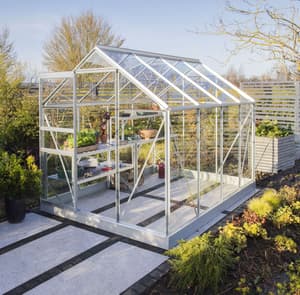
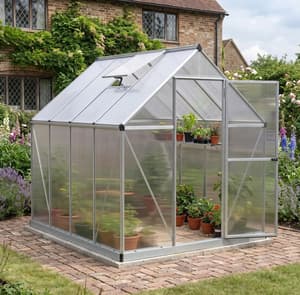
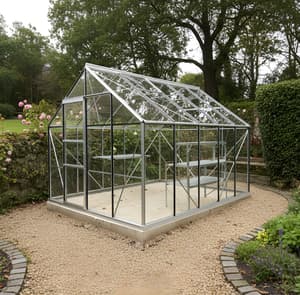
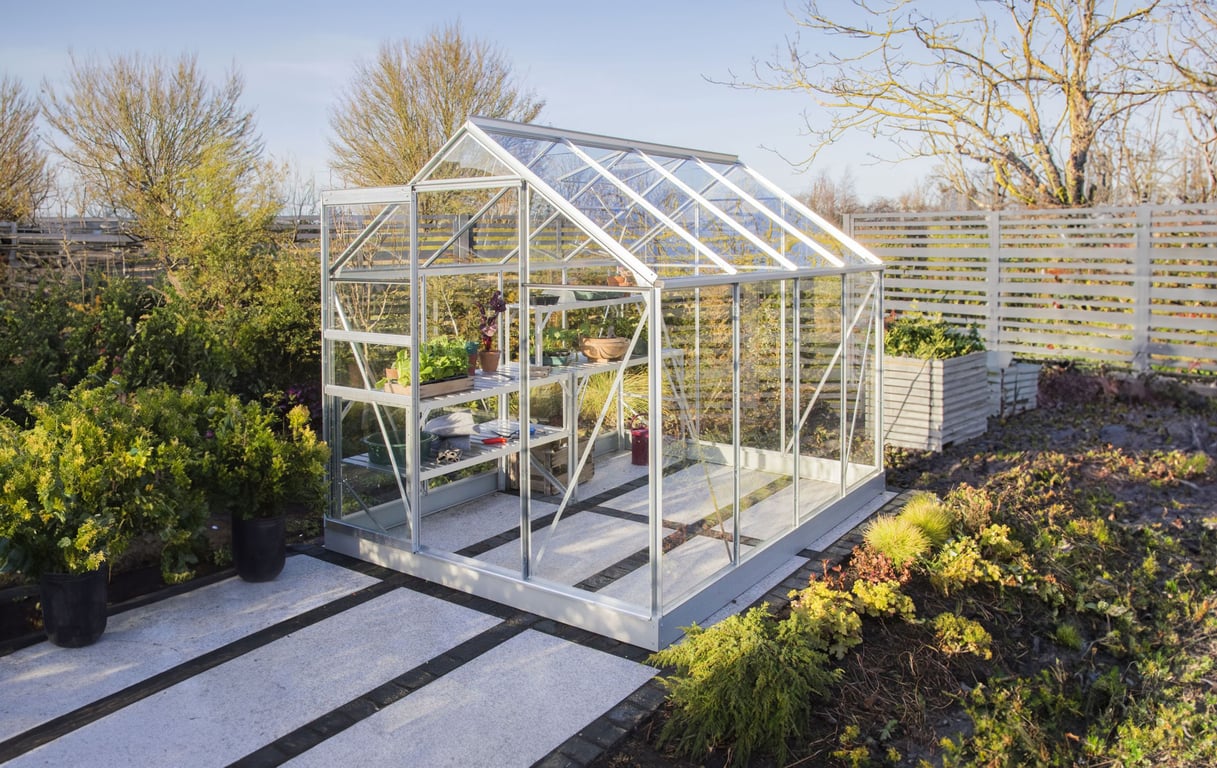
Matt's Pick: Best greenhouse for polytunnel switchersBest For: First-time greenhouse buyers upgrading from a polytunnel Why I Recommend It: The Venus 5000 is our best seller for good reason. At 8x6ft it gives you enough space for tomatoes on one side and staging on the other. Horticultural glass, aluminium frame, single sliding door. It's less than the cost of a polytunnel plus two replacement covers. Price: £509 |
Frequently asked questions
Is a greenhouse better than a polytunnel?
Yes, for most UK gardeners a greenhouse is the better choice. Greenhouses last longer (50+ years vs 5-7 year covers), retain heat better, resist wind better, and block pests. Polytunnels only win on upfront cost per square metre for large growing areas.
How long does a polytunnel last compared to a greenhouse?
A polytunnel cover lasts 4-7 years before it needs replacing. The galvanised steel frame lasts 20+ years, but the cover degrades in UV light. It loses 10-15% of light transmission within 3-5 years. Glass greenhouse panes last 50+ years with no loss of light transmission.
Is a polytunnel cheaper than a greenhouse?
Only upfront. Over 10-15 years a greenhouse costs less. A 6x8ft polytunnel costs £350-500 but needs new covers every 5-7 years at £80-90 each. A Vitavia Venus 5000 glass greenhouse costs £509 and needs no cover replacements, no maintenance, and no ongoing spend.
Do polytunnels get planning permission?
Same rules as greenhouses under permitted development. Both must stay under 2.5m at the ridge if within 2m of a boundary. Neither can cover more than 50% of the garden. In practice, large polytunnels face more pushback from neighbours and planners because they look commercial. Our planning permission guide covers the full rules.
Can I insure a polytunnel against storm damage?
Most home insurance policies exclude polytunnel wind damage. No polytunnel manufacturer includes storm damage in their warranty either. Greenhouses are covered by standard home insurance as permanent garden structures. This is a hidden cost of polytunnel ownership that catches people out.