January Gardening Jobs: The Ultimate UK Guide (2026 Edition)
January is the planning and preparation month for UK gardeners. Clean greenhouse glass inside and out to maximise winter light. Order seeds and seed potatoes before popular varieties sell out. Plan your crop rotation for the year ahead. Force rhubarb under a dark bucket for tender pink stems by March. Check stored dahlia tubers and begonia corms for rot. Repair greenhouse seals and replace cracked panes before the spring rush.
January is the most productive quiet month in a UK garden. With average temperatures around 4-5°C, you can chit potatoes, prune apple trees, and sow chillies under glass. We install greenhouses year-round and know which January jobs deliver the biggest harvest gains. Every task here includes exact costs and timings from Greenhouse Stores experience since 2012.
Key takeaways
- Chit potatoes now to advance your harvest by up to 3 weeks.
- Check greenhouse heaters daily. A sudden temperature drop kills overwintering tender plants.
- Prune apple and pear trees while dormant. This reduces disease risk by up to 70%.
- Sharpen secateurs and clean pots to prevent disease spreading into spring.
- Sow chillies and aubergines under cover now. They need 120+ days to ripen.
Expert Tip
We fit greenhouses in every month of the year, including January. The gardens that produce the best harvests always start their preparation this month. Do not wait for spring. The work you do now sets up your entire growing season.
The greenhouse: jobs under glass
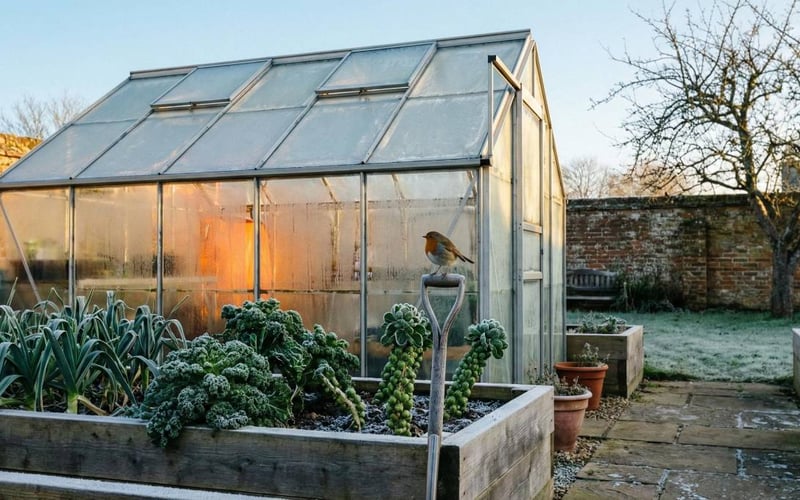
January is where your greenhouse earns its keep. It bridges the seasons, protecting tender plants and letting you sow weeks ahead of outdoor growers. We have installed over 4,000 greenhouses, and the owners who use them in January always get better results.
Temperature control
The biggest danger in January is not the cold itself. It is the fluctuation. A sunny January day can spike temperatures inside the glass. Plants wake up briefly, then freeze when the sun drops.
- Check heaters daily. If you overwinter Pelargoniums or citrus, ensure your greenhouse heaters work correctly.
- Ventilate on bright days. Open vents slightly to circulate air. Stagnant, damp air breeds Botrytis (grey mould).
- Insulate with bubble wrap. Proper insulation reduces heat loss by up to 50%.
Heating options compared
| Heating Method | Cost Per Night | Temp Lift | Best For |
|---|---|---|---|
| Electric Fan | £1.50 - £2.50 | 8-12°C | Fast heat in 8x6ft+ structures |
| Paraffin | £0.80 - £1.20 | 5-8°C | Power-free backup with added humidity |
| Electric Tube | £0.60 - £1.00 | 4-6°C | Economical frost protection |
Electric tube heaters are the most cost-effective option for frost protection. We install hundreds of these every winter. They run quietly, fit any greenhouse, and cost under £1 per night.
Sowing under cover
You do not have to wait for March. With a heated propagator or a warm windowsill, slow-growing crops can start now. Low light is the enemy in January. Use a south-facing windowsill or supplementary LED grow lights for 12-16 hours daily. This prevents weak, leggy seedlings.
| Crop | Ideal Temp | Germination | Notes |
|---|---|---|---|
| Chillies | 21-25°C | 14-21 days | Sow early for a long ripening season (120+ days) |
| Aubergines | 21-24°C | 14-21 days | Need a long growing season. Start now. |
| Sweet Peas | 10-15°C | 10-14 days | Sow in deep pots or root trainers |
| Onions (Seed) | 10-15°C | 7-10 days | Sow exhibition varieties now for large bulbs |
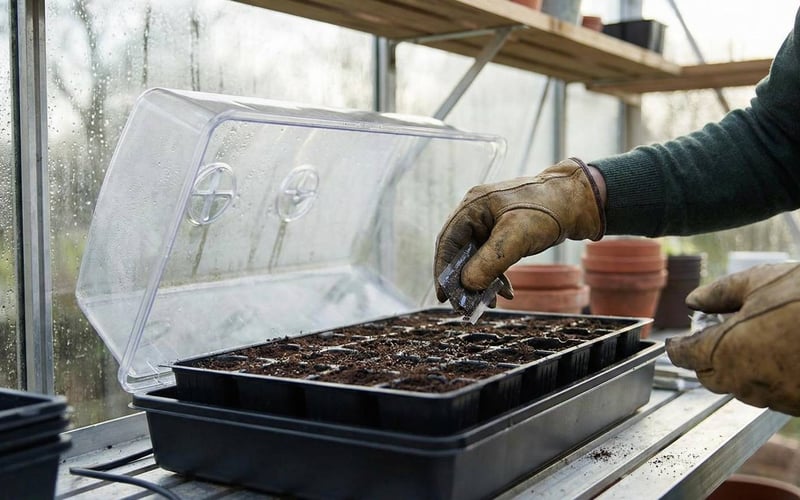
Once your seedlings are established, they will be ready for growing tomatoes in a greenhouse alongside your chillies and aubergines come spring.
The kitchen garden: soil prep and early starts
Outside, the ground is likely wet or frozen. The golden rule for January soil is simple. If it sticks to your boots, stay off it. Walking on wet soil destroys its structure. It squeezes out the air pockets that roots need.
The raised bed advantage
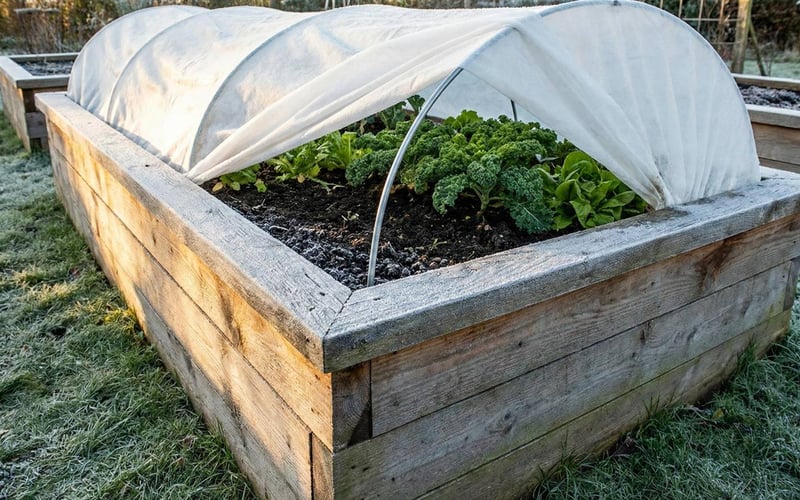
Raised beds drain faster and warm up quicker than open ground. If you cover one with fleece or a cloche now, the soil pre-warms for February sowings. DEFRA data shows soil biology slows significantly below 6°C. Raising the temperature by even a few degrees jump-starts nitrifying bacteria.
The Access 4x4 Raised Wooden Bed Kit (£133) gives you a sturdy growing area that lasts for years. For something more permanent, the Elite Roots and Shoots Raised Bed range starts from £110.
Potato chitting: the race for yield
January is the time to buy seed potatoes. Once you have them, start chitting (sprouting) them straight away.
- Place tubers in egg boxes or trays with the rose end facing up.
- Keep them in a cool, light, frost-free place.
- The rose end has the most eyes. It should face upward.
Chitting early varieties advances your harvest by up to 3 weeks. For a full breakdown of the process, read our guide on how to grow potatoes in the UK.
Garlic and broad beans
If you missed the autumn planting window, you can still plant both. The ground must not be frozen.
- Garlic needs a cold snap (vernalisation) to split into cloves. Plant before late February.
- Broad beans of the Aquadulce Claudia variety are extremely hardy. They tolerate January conditions well.
Fruit: pruning and planting
Winter is the dormant season for most fruit trees. This makes it the ideal time for structural pruning and bare-root planting.
Pruning apples and pears
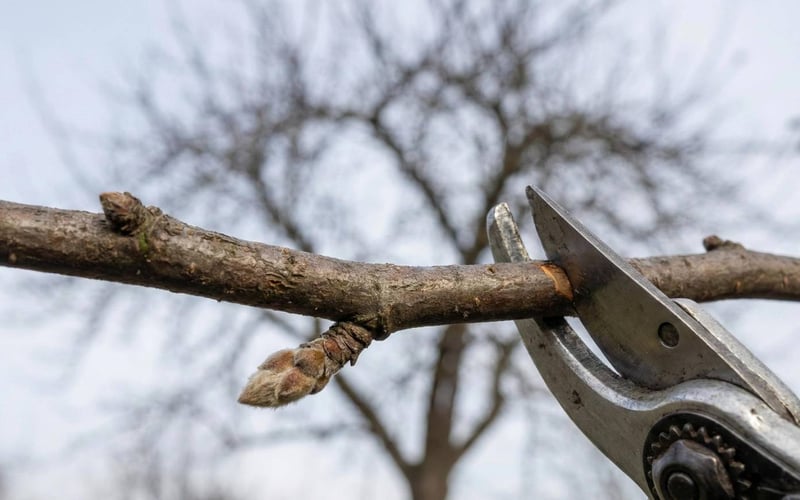
Aim to create an open goblet shape. This allows light to reach ripening fruit in summer. It also ensures good airflow to prevent fungal issues. A well-pruned tree produces up to 30% more quality fruit than a congested one.
- Remove the 3 Ds: dead, diseased, and damaged wood.
- Cut crossing branches: remove any that rub against each other.
- Spur prune: shorten the previous season's growth to 2-3 buds on main branches.
For a full masterclass on the technique, read our winter pruning guide for apple and pear trees.
Warning: Do NOT prune stone fruits (plums, cherries) in winter. This leaves them vulnerable to Silver Leaf disease. Wait until summer.
Soft fruit pruning guide
Soft fruit bushes benefit hugely from January attention. Each type needs a different approach.
| Fruit Bush | Pruning Method | Why It Works |
|---|---|---|
| Gooseberries | Remove oldest 25% of stems at base. Shorten side shoots to 3 buds. | Opens centre for picking and new fruiting wood |
| Redcurrants | Cut back side shoots to 1-2 buds. Keep main framework. | Fruit forms on old wood near main stems |
| Blackcurrants | Remove one third of oldest dark stems at ground level. | New pale stems produce the best fruit |
| Autumn Raspberries | Cut all canes to ground level. | New canes fruit the same year |
Bare-root planting and rootstocks
January is prime time for bare-root fruit trees. They cost 30-40% less than pot-grown trees. When buying, check the rootstock to know the final tree size.
- M27 (Very Dwarf): under 2m tall. Ideal for patios and containers.
- M26 (Dwarf): approximately 3m tall. Good for small gardens.
- MM106 (Semi-Vigorous): 4-5m tall. Makes a traditional orchard tree.
Force rhubarb for sweet stems
For an early, tender treat, force rhubarb now. Cover a crown with a large upturned pot or traditional forcing jar. Exclude all light. The plant reaches for brightness (etiolation), producing pale, sweet stems ready weeks ahead of normal.
Matt's tip: the best heating investment
After fitting thousands of greenhouses, I always tell customers the same thing. An electric tube heater is the single best investment for a greenhouse. It costs 60p to £1 per night to run and keeps everything frost-free. I have one in my own greenhouse. It has saved my chilli seedlings every January for the past eight years. Do not waste money on expensive fan heaters unless you need rapid heat in a large structure.
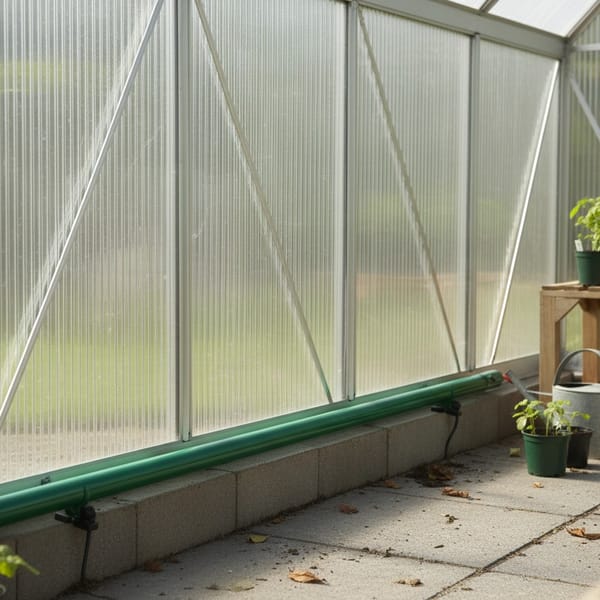
Matt's pick for frost protection
|
Elite Slimline Tube Greenhouse Heater Best For: Frost protection in small to medium greenhouses Why I Recommend It: The cheapest way to keep a greenhouse frost-free. Costs 60p to £1 per night, fits any greenhouse, and we install hundreds every winter. Price: £75 |
Ornamental garden: structure and scent
January is not devoid of flower power. Winter honeysuckle, Witch Hazel, and Sarcococca (Christmas Box) all produce wonderful scent this month.
Pruning wisteria
Many gardeners fear this job, but it is vital for a good display. In January and February, cut back the shoots you shortened in summer. Reduce them to 2-3 buds from the main framework. This concentrates energy into the flower buds.
Hellebore care
Hellebores are the stars of the January garden. Remove old, tatty foliage from last year by cutting at the base. This reveals emerging flowers and stops Black Spot fungus spreading from old leaves to new growth.
Cut back ornamental grasses
Deciduous grasses like Miscanthus look tatty by now. Cut them back hard to ground level before new green shoots emerge. Evergreen grasses like Stipa gigantea just need a comb-through with gloved hands to remove dead material.
Lawn care: the winter pause
Your lawn does not need mowing in January. It does need protection from damage.
- Worm casts: Wait for a dry day and brush them in with a stiff broom. The soil is nutrient-rich.
- Stay off frost: Walking on frozen grass fractures leaf blades. This leaves black footprints that take months to recover.
- Service your mower: Book it in now and beat the March rush.
Maintenance: the essential jobs
Sharp tools and clean pots are your first defence against pests and diseases. January is the perfect time to sort both.
Tool sharpening
Blunt secateurs crush stems rather than slicing them. Crushed tissue dies back and becomes an entry point for disease.
- Clean off sap and rust with wire wool.
- Sharpen the blade with a whetstone or diamond file.
- Oil all moving parts. A sharp spade needs 50% less effort. Store tools in a dry potting shed to prevent rust.
Pot hygiene
Scrub old pots with hot, soapy water. Vine weevil larvae and fungal spores overwinter in dirty pots. They will attack your seedlings later in the year if you do not clean them now.
Planning: the year on paper
Sit down with your seed catalogues and a cup of tea. Plan your crop rotation for the year ahead. Growing the same crop in the same spot lets pests and diseases build up in the soil.
Simple 4-year rotation plan
- Year 1: Potatoes. Start here. They break up the soil.
- Year 2: Legumes (peas and beans). These fix nitrogen in the soil.
- Year 3: Brassicas (cabbage, kale). They thrive on the nitrogen left by legumes.
- Year 4: Roots (carrots, parsnips). Too much nitrogen makes them fork.
Wildlife: help your garden allies
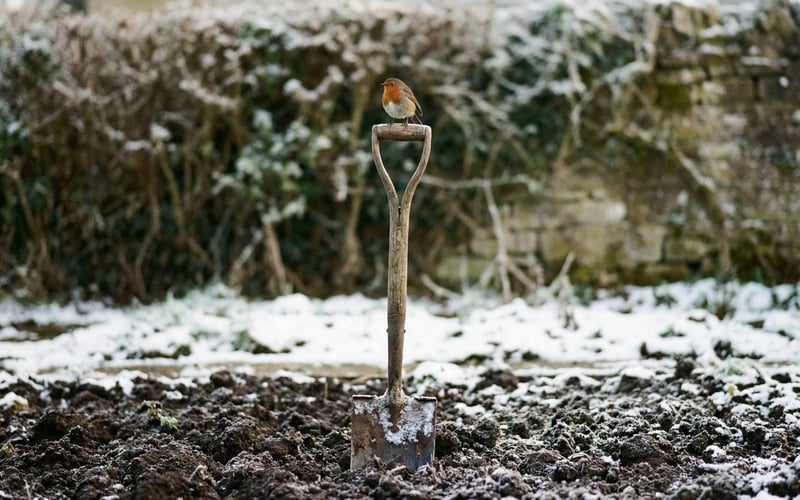
Your garden is an ecosystem. Birds eat pests like aphids and slugs. Helping them through January pays dividends all year.
- Water: Keep bird baths ice-free. A floating tennis ball can slow freezing.
- Food: Put out high-energy food like fat balls and sunflower hearts. A single feeder can support up to 15 species.
- Shelter: Leave ivy and log piles undisturbed for hibernating insects and hedgehogs. Check compost heaps before turning them.
Regional timing: when to start
The UK has diverse microclimates. Use this table to adjust your January tasks based on where you garden.
| Region | Typical January Conditions | Timing Adjustment |
|---|---|---|
| Southern England | Mildest, less frost | Can start outdoor sowing in late January if mild |
| Midlands | Average UK conditions | Follow standard timing in this guide |
| Northern England | Colder, more frost | Delay outdoor work until February |
| Scotland | Coldest, shortest days | Focus on indoor work. Delay outdoor tasks 2-3 weeks. |
| Coastal | Milder but windier | Wind protection matters more than frost protection |
Practical tips summary
| Category | Primary Job | Why Do It Now | Tools Needed |
|---|---|---|---|
| Veg Patch | Chit potatoes | Increases yield and speeds harvest by 3 weeks | Egg boxes |
| Fruit | Prune apples and pears | Better structure and fruit quality | Secateurs, pruning saw |
| Greenhouse | Check heating and clean glass | Maximise low winter light levels | Sponge, warm water |
| Flowers | Prune wisteria | Encourages flowering spurs for spring | Secateurs, ladder |
| Planning | Order seeds and plan rotation | Ensures you get desired varieties | Seed catalogues |
Frequently asked questions
What gardening jobs should I do in january?
Focus on greenhouse heating, pruning, and soil preparation. Check heaters daily to protect overwintering plants. Prune apple and pear trees while they are dormant. Clean and sharpen all your tools. Start chitting seed potatoes in egg boxes. If the ground is not frozen, plant garlic and broad beans.
Can I plant anything in january in the UK?
Yes, mainly under cover in a heated greenhouse or propagator. Sow chillies, aubergines, sweet peas, and onion seeds indoors. Outdoors, you can plant bare-root fruit trees, roses, and hedging if the ground is not frozen or waterlogged. Garlic and broad beans also go in this month.
How do I protect my greenhouse plants from frost?
Use an electric tube heater and bubble wrap insulation. A tube heater costs 60p to £1 per night and lifts the temperature by 4-6°C. Line the inside walls with bubble wrap to cut heat loss by up to 50%. Ventilate on bright days to prevent grey mould from damp, stagnant air.
When should I start chitting potatoes?
Start chitting seed potatoes in mid to late January. Place them in egg boxes with the rose end (most eyes) facing up. Keep them in a cool, light, frost-free spot. They need about 4-6 weeks to develop sturdy sprouts before planting in March or April.
Should I prune fruit trees in january?
Prune apple and pear trees in January while they are dormant. Remove dead, diseased, and damaged wood first. Then cut crossing branches and spur prune to 2-3 buds. Do NOT prune stone fruits like plums and cherries in winter. They are vulnerable to Silver Leaf disease until summer.
Related articles
- February Gardening Jobs: UK Checklist 2026
- Seed Sowing Month by Month UK Guide
- Overwintering Plants: UK Frost Protection Guide
- What to Grow in a Greenhouse: Beginners Guide
- How to Make Your Own Compost
Questions about greenhouse heating or January growing? Contact our team at info@greenhousestores.co.uk or browse our full range at greenhousestores.co.uk.