How to Harden Off Seedlings: UK Timing & Step-by-Step Method
Hardening off means slowly getting indoor-raised seedlings used to outdoor life before you plant them out. Done over 7 to 14 days, it stops the wind scorch and cold shock that kills soft growth. Skip it and tender plants stall or die within days. We harden off every tray we raise, and the difference in survival is night and day.
Key takeaways
- Hardening off takes 7 to 14 days. You build up outdoor exposure gradually, from an hour in shade to a full day and night outside.
- Skipping it is the top killer of home-raised seedlings. In our own side-by-side, an un-hardened tray of courgettes lost 6 of 12 plants in 48 hours.
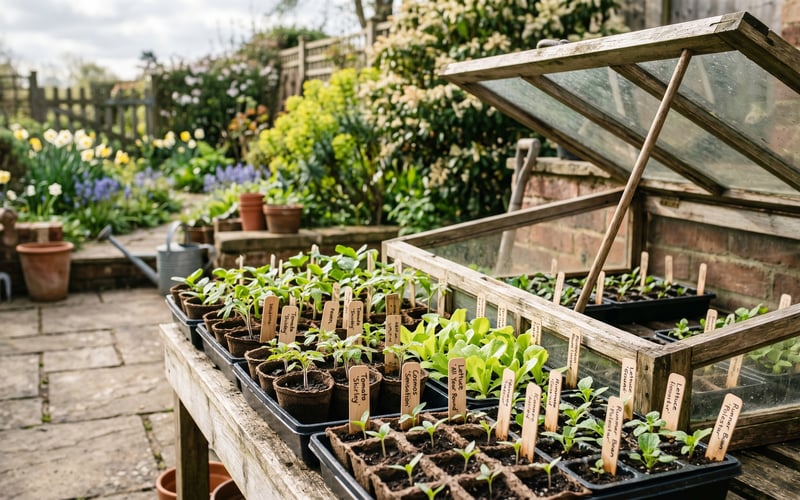
- A cold frame is the simplest method. Lid open by day, closed at night, and it does most of the work for you.
- Watch the forecast for late frost. One unguarded cold night undoes the whole process, so keep fleece or the lid handy.
- Plant out only when conditions hold. For tender crops, wait until nights stay above 10C and the soil reads 12C or warmer.
Browse our cold frames range →
Expert Tip
Every spring a customer tells me their seedlings died the week they planted them out. Nine times in ten, they skipped hardening off. The plants were lush, soft and grown warm indoors, then thrown straight into wind and cold nights. It is the most common growing mistake I see. A cold frame fixes it, because it forces the gradual handover that soft growth needs. I never plant a tray out without ten days of acclimatising first.
What is hardening off, and why does it matter?
Hardening off is the gradual process of acclimatising indoor-raised seedlings to outdoor conditions. Plants grown on a windowsill or in a heated greenhouse are soft. Their leaves have thin cuticles, their stems are weak, and they have never met wind, direct sun or a cold night. Move them outside in one step and they cannot cope.
The process toughens them up. Over a week or two, the plant thickens its leaf surface, stiffens its stems and adjusts to swings in temperature and light. This builds the resilience it needs to keep growing once planted out. Think of it as basic training before the real work begins.
It matters because the alternative is loss. Soft tissue scorches in wind and sun, and tender crops can be killed outright by a cold night. For the science of when seeds even start, our seed germination temperature table sets out the warmth each crop needs at the very start.
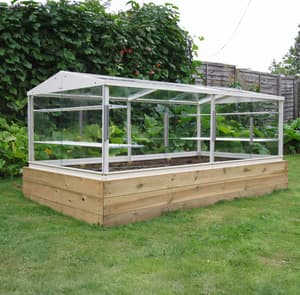
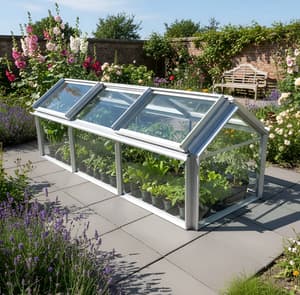
Shop the Elite Min E Lite 8x2 Cold Frame →
What happens if you skip hardening off?
Skipping it is the single biggest cause of home-raised seedlings failing in spring. The damage shows fast. Leaves go pale, silvery or scorched at the edges within a day. Growth stops while the plant tries to repair itself. Tender crops may collapse entirely.
Hardening off reduces wind scorch, sun damage and transplant shock. Move seedlings outside gradually over seven to ten days, increasing their exposure each day while protecting them from frost.
That is the cost of rushing. The plants you raised carefully indoors are the ones most at risk, because they are the softest. A short, structured handover saves nearly all of them.

|
Matt's Pick for hardening off lots of traysBest For: Gardeners raising a full crop of seedlings who need room for several trays at once. Why I Recommend It: The 8x4 Access takes a season's worth of trays and the toughened glass shrugs off knocks. I fit these for veg growers who lost plants the year before. It pays for itself in saved seedlings. Price: £648 |
How to harden off seedlings: a 7 to 14 day schedule
Build up outdoor exposure step by step, starting in shade and shelter. The exact length depends on the weather and the crop. Use 7 days for a mild spell and hardy plants, and stretch to 14 for tender crops or a cold snap. The schedule below is the one we follow.
| Day | What to do | Hours outside | Night |
|---|---|---|---|
| 1 to 2 | Out in a shaded, sheltered spot | 2 to 3 hours | Back inside |
| 3 to 4 | A little morning sun, still sheltered | 4 to 5 hours | Back inside |
| 5 to 6 | Most of the day out, some breeze | 6 to 8 hours | Back inside |
| 7 to 9 | Full day out, cold frame lid open | All day | Lid down at night |
| 10 to 12 | Out day and night, lid cracked open | 24 hours | Outside, frost cover ready |
| 13 to 14 | Fully acclimatised, plant out | 24 hours | Plant into beds or pots |
Start in shade, not full sun. Soft leaves burn in bright light just as skin does. Bring trays in each night for the first week, then leave them out once nights are mild. A cold frame turns this into a simple lid-up, lid-down routine. For the wider spring picture, our unheated greenhouse month-by-month guide shows what should be at this stage and when.
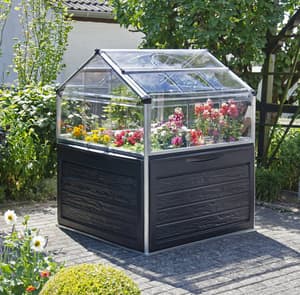
Shop the Palram Plant Inn Raised Cold Frame →
Matt's Tip: Let the weather set the pace
The schedule is a guide, not a stopwatch. A warm, still week lets you move faster. A cold, windy one means you slow right down. I always add two extra days when frost is forecast. Plants do not read calendars, so watch the sky and the thermometer, not just the day number.
The cold frame method vs carrying trays in and out
A cold frame does the daily work of hardening off for you. The two common methods are a cold frame and the carry-in, carry-out shuffle. Both work. One is far less effort and far more reliable.
With the carry method, you move trays outside each morning and back in each evening for a week or more. It is free, but it ties you to a strict routine. Miss an evening and a cold night can undo days of progress. It is also heavy, repetitive work with a full season of trays.
A cold frame stays put. You lift the lid in the morning and lower it at night, or prop it part-open as the plants toughen. The frame buffers wind, holds a few degrees of warmth overnight and shelters trays from heavy rain. It is the method we recommend to anyone raising more than a tray or two. Our cold frame gardening guide covers what else you can grow in one year round.
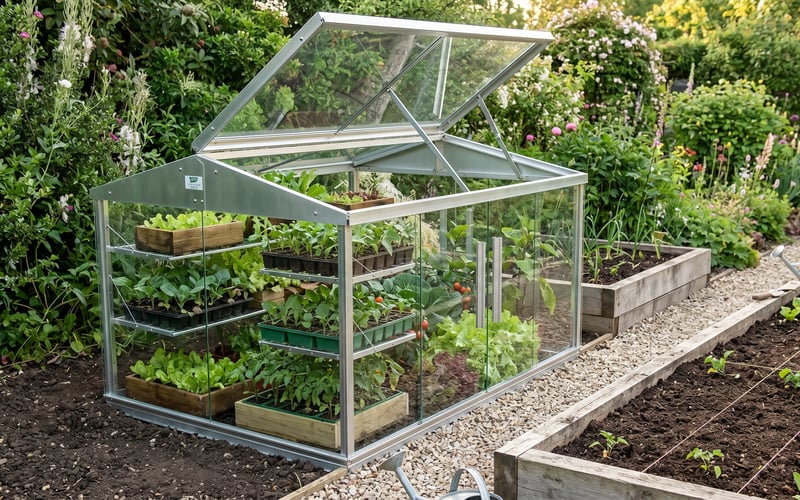
Shop the 4x4 Access Aluminium Coldframe →
Matt's Installation Tip
Always secure the cold frame lid when it is propped open. A spring gust can slam an unsecured lid and smash the glass or crush the seedlings under it. We fit an automatic opener or a sturdy notched stay to every frame so the lid holds its angle. Stand the frame on a firm, level base too, because a wobbling frame in wind is asking for breakages.
Watching for late frost
One unguarded frost can wipe out everything you have hardened off. UK frosts can strike well into May, and later still in the north and in valleys. Tender crops like courgettes, tomatoes, beans and squash have no frost tolerance at all. A single cold night kills them.
Keep a max-min thermometer where the trays sit, so you know the real overnight low rather than the daytime high. If frost threatens, close the cold frame lid, throw fleece over the trays, or bring them back under cover. Keep that protection within reach through the whole hardening-off window.
Do not be fooled by warm afternoons. It is the clear, still nights that bring frost, often after a bright sunny day. Check the forecast every evening during the process and act before the temperature drops, not after.
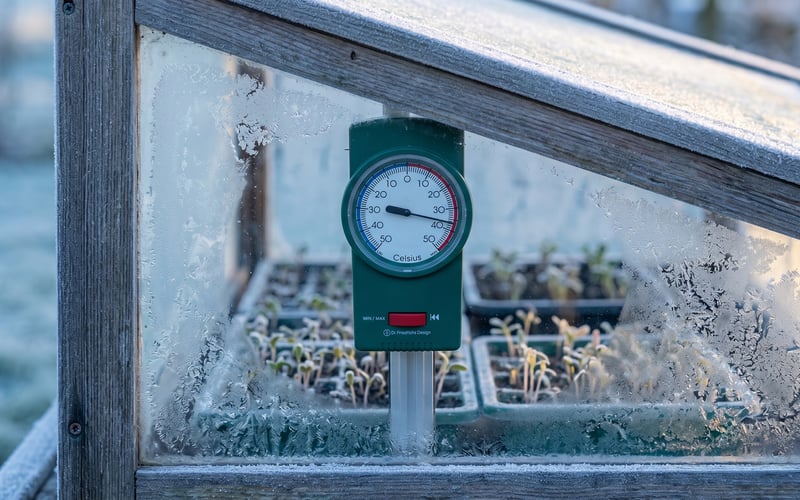
Shop the Vitavia Max-Min Thermometer →
Which crops need hardening off most?
Tender, fast-grown crops need the most careful hardening off. Not every plant is equally at risk. The softest, most frost-sensitive crops demand the full two-week routine. Hardier types can be rushed in a few days.
- Highest need: tomatoes, courgettes, cucumbers, pumpkins, beans, basil and bedding flowers. These are tender and soft, so harden them off slowly and never before the frosts pass.
- Moderate need: brassicas, lettuce, leeks and hardy annuals. A 5 to 7 day handover suits these well.
- Low need: sweet peas, broad beans and other tough customers. A few days in a sheltered spot is plenty.
If you are short of space for trays during the day, a mini greenhouse or growhouse gives a halfway house. Plants sit under glass but in cooler, brighter conditions than the house. See our pick of the best mini greenhouses for small spaces for compact options.
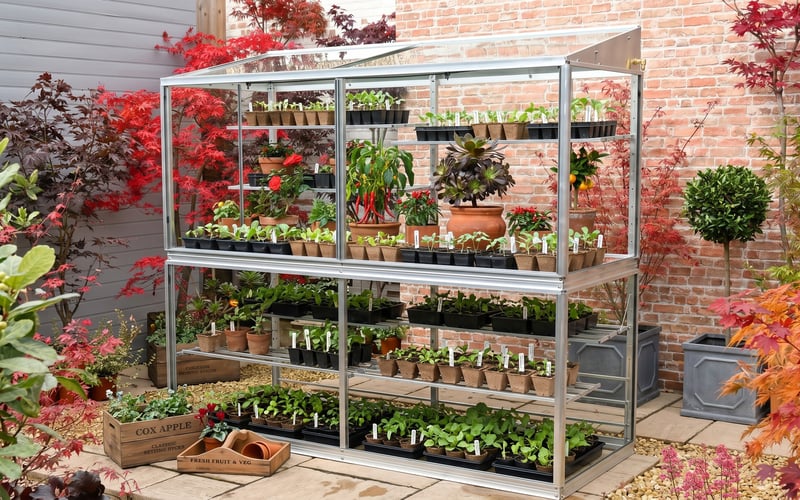
Shop the Access Exbury Mini Greenhouse →
When are seedlings ready to plant out?
Plant out once seedlings are toughened and the weather has settled. Two things must line up. The plants must have finished their hardening-off window, and the conditions must be right for them to keep growing rather than sit and sulk.
For tender crops, wait until nights hold above 10C and the soil reads 12C or warmer. A soil thermometer takes the guesswork out, because warm air over cold ground still checks roots. In most of the UK that means late May or early June for the tender stuff, earlier under a cloche or for hardy crops.
Plant on a dull, still day if you can, not in blazing sun or strong wind. Water the trays before you lift them and water again once planted. For raising the seedlings in the first place, our greenhouse propagation guide covers sowing, pricking out and potting on. The team at Greenhouse Stores can help you match a cold frame to your space if you are unsure which size fits.
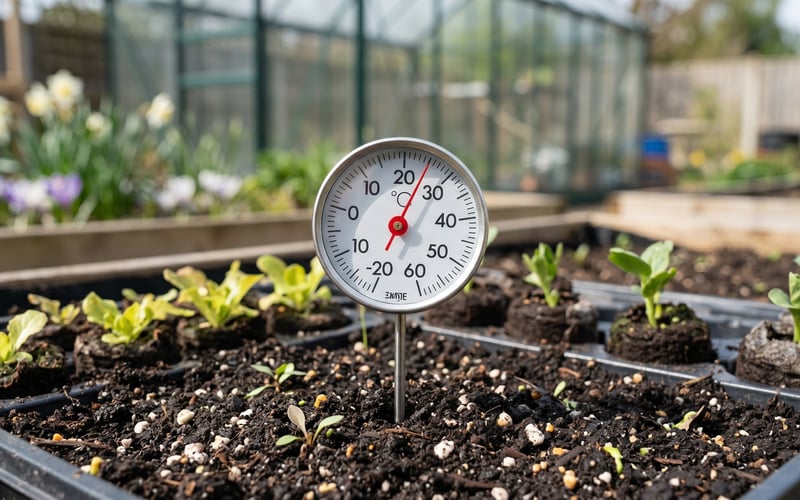
Shop the Vitavia Soil Thermometer →
Cold frame and protection kit compared
| Option | Best for | Capacity | Price | Matt's verdict |
|---|---|---|---|---|
| 8x4 Access Coldframe (Matt's Pick) | A full crop of seedlings | Several trays | £648 | The one I fit for serious veg growers |
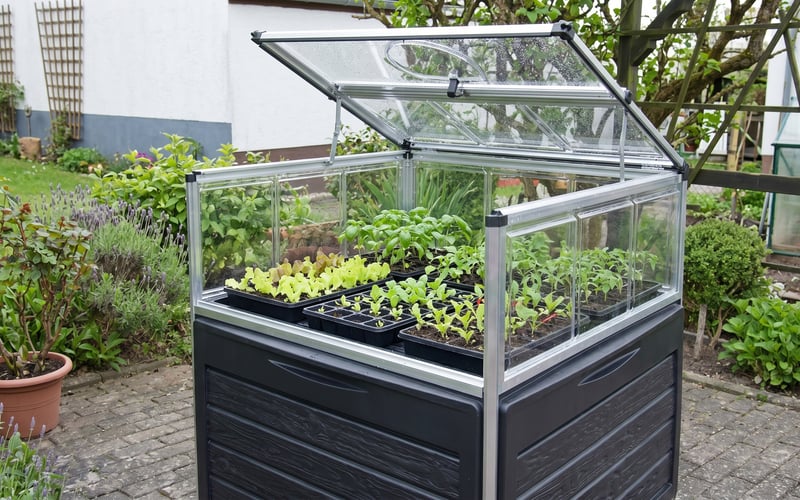
| Palram Plant Inn raised frame | Patios and no bending | 2 to 3 trays | £344 | Great on hard standing, easy on the back |
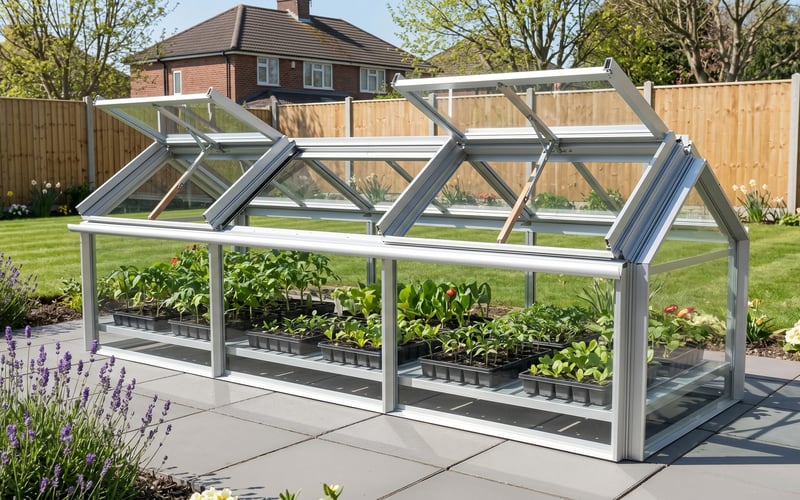
| Elite Min E Lite 8x2 | Tight spaces and borders | 2 trays | £359 | Low and long, slips against a wall |
| Access Exbury mini greenhouse | Acclimatising and growing on | Shelved trays | £1,253 | A halfway house under glass |
Whichever you choose, browse the full mini greenhouses range alongside the cold frames to find the footprint that suits your garden.
"Hardening off is the step that decides whether your spring sowing thrives or dies. We see it every year. The growers who lose plants are the ones who skip it. A cold frame makes the routine almost automatic, lid up by day and down at night. The Access frames we fit take a knock and last for years, and the toughened glass is the part that earns its keep."
— Matt W, Greenhouse Stores
Frequently asked questions
How long does it take to harden off seedlings? Usually 7 to 14 days. Hardy plants in mild weather need about a week. Tender crops, or a cold snap, push it closer to two weeks of gradual outdoor exposure.
What happens if I do not harden off seedlings? They often die or stall. Soft, indoor-grown leaves scorch in wind and sun, and tender crops can be killed by a single cold night within 48 hours of planting out.
Can I harden off seedlings in a cold frame? Yes, it is the easiest method. Open the lid by day and close it at night, propping it further open as the plants toughen, until they spend full days and nights outside.
When can I plant seedlings outside in the UK? For tender crops, once nights stay above 10C and soil reads 12C, usually late May or early June. Hardy crops and those under a cloche can go out earlier.
Do I need to harden off seedlings bought from a garden centre? Usually yes. Most are raised under cover and are still soft, so give them a few days of gradual outdoor exposure before planting unless they are sold as fully hardened.
Should I water seedlings while hardening off? Yes, but watch the wind. Breezy, sunny days dry trays fast, so check daily and keep the compost moist, easing back a little to toughen the plants without letting them wilt.