July Gardening Jobs UK: 8 Tasks From Expert Greenhouse Installers
July is the hottest, thirstiest month in the UK gardening year. Water greenhouse plants daily before 10am, and twice a day in a heatwave. Feed tomatoes, cucumbers and hanging baskets weekly with a high-potash food. Damp down the greenhouse floor at midday to cool the air and hold off red spider mite. Pick courgettes, beans and tomatoes every few days so the plants keep setting fruit. Sow salad and autumn crops now for cropping into November.
July is the hottest, thirstiest month in the UK gardening year. Water greenhouse plants daily before 10am, twice on a heatwave day. Feed tomatoes, cucumbers and baskets weekly with high-potash food. Damp down the floor at midday to cool the air. Harvest every two or three days to keep crops productive, and sow now for autumn salads.
Key Takeaways
- Water before 10am, and set up holiday watering now: a greenhouse can lose a plant to wilt in a single hot afternoon while you are away.
- Feed every seven days without fail: a fruiting tomato in a pot runs out of food by mid-July, and flower trusses abort the week you forget.
- Damp down the floor at midday: wetting the path and staging drops the air temperature 3-4°C and raises humidity, which stalls red spider mite.
- Pick little and often: one over-ripe courgette left on the plant tells it to stop, and the whole plant slows down within a week.
- Lift garlic and onions when the leaves flop: leave them longer and the bulbs split and store badly.
- July is the last real sowing window for autumn salad: sow lettuce, rocket and spring cabbage now for pickings into November.
- Summer-prune stone fruit and wisteria this month: plums and cherries only get pruned in dry summer weather, never in winter.
- Deadhead sweet peas daily: let three pods set and the plant decides its job is done and stops flowering.
Installer's Note
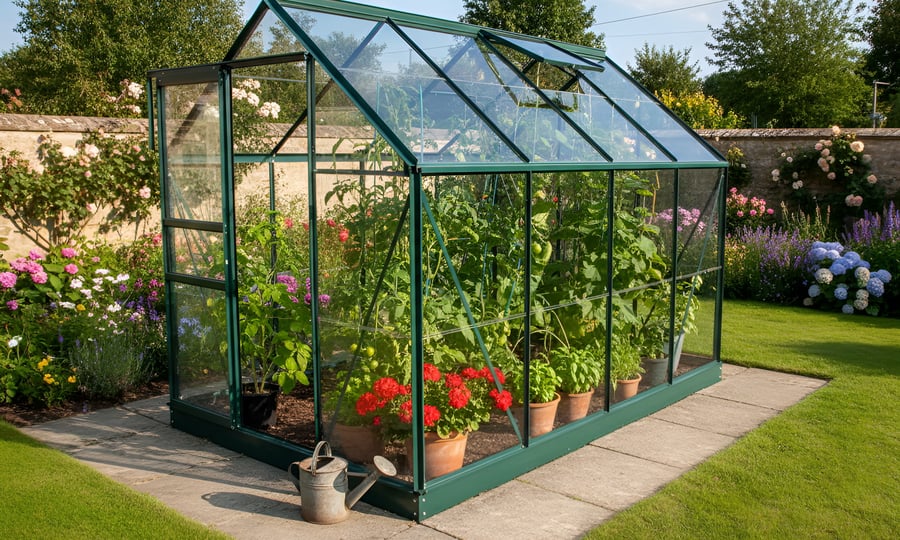
The single most common July call we get at Greenhouse Stores is a panicked one about wilting tomatoes after a hot weekend away. A greenhouse with the door shut hits 45°C on a 28°C day. Plants transpire faster than their roots can drink, and by Sunday evening the leaves are limp and the flowers have dropped. The fix costs less than a takeaway: a battery drip timer and an automatic vent opener, both fitted in an afternoon. We install this pairing on nine out of ten summer visits because it turns a greenhouse from a daily chore into something that looks after itself. A single automatic opener costs £59.
July is the month the garden gives back. The tomatoes you strung up in June are heavy with trusses. The courgette plant is producing faster than one family can eat. The first early potatoes are ready to lift, still warm from the soil. But July also punishes neglect harder than any other month. Miss two days of watering in a heatwave and you lose plants. Skip a week of feeding and the harvest stalls.
This is the routine we run on our own greenhouses and demonstration plots in Suffolk every July, and the one we talk customers through on summer site visits. It comes from fitting greenhouses for Greenhouse Stores customers since 2012 and growing in them ourselves. Every number here — how much to water, how often to feed, when to lift — is one we use in our own garden.
1. Water daily, and set up holiday watering before you go away
Water greenhouse plants every morning before 10am, and twice a day in a heatwave. July heat pulls water out of leaves faster than roots can replace it, and a fruiting tomato in a 30-litre pot drinks 2-3 litres on a hot day. Outdoor containers and hanging baskets dry out even faster because wind strips moisture from all sides. The mistake we see most is watering the surface and stopping. Water until it runs from the base of the pot, wait, then water again.
Morning watering matters more in July than any other month. It fills the plant before the heat of the day and lets any splashed foliage dry, which keeps grey mould and mildew away. If you cannot be there at 6am, a drip system on a battery timer solves it. Irregular watering is also the direct cause of blossom end rot in tomatoes — the black leathery base you get when a plant dries out then floods.
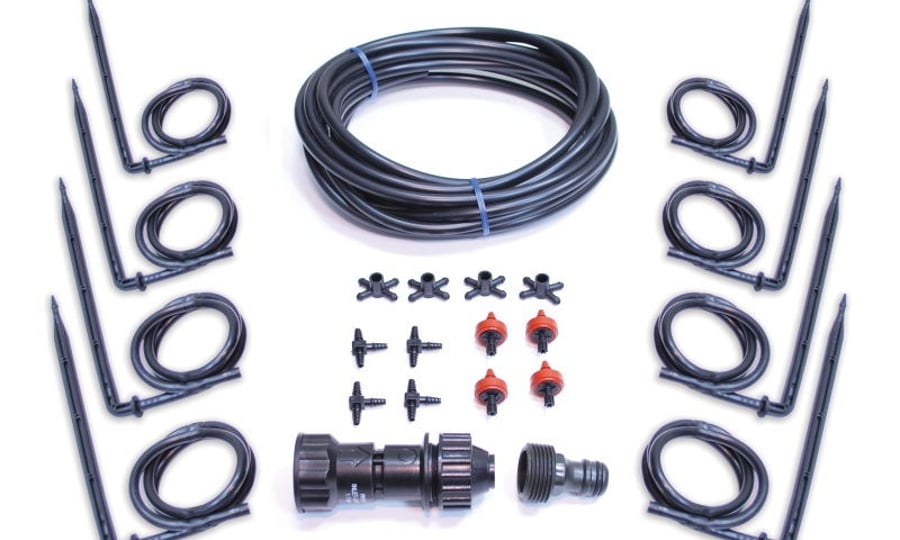
Going away? Do these three things
Before a summer holiday, group all your pots together in the shade of the greenhouse, out of direct sun. Stand them in trays or saucers holding a couple of centimetres of water so they can drink from below. Then run a drip line off a timer to the trays. A neighbour topping up the trays every few days covers the rest. For the full method, including how to size a butt and diverter, see our guide to rainwater harvesting for greenhouses. And if a hosepipe ban is on, our note on watering a greenhouse legally in a hosepipe ban covers what you can still do.
| Plant or position | July watering | Volume | Feed |
|---|---|---|---|
| Greenhouse tomatoes (in pots) | Daily, twice in a heatwave | 2-3 litres | High-potash, weekly |
| Greenhouse cucumbers | Daily | 2-3 litres | Balanced, weekly |
| Peppers, chillies, aubergines | Daily | 1.5-2 litres | High-potash, weekly |
| Hanging baskets | Twice daily in sun | 500ml each time | High-potash, weekly |
| Outdoor containers | Daily | 1-2 litres | Weekly |
| Established borders | Deep soak twice a week | 10 litres per m² | Not needed |
2. Feed tomatoes, cucumbers and baskets weekly with high-potash food
Every fruiting plant in a pot needs feeding once a week in July. The compost in a growbag or container holds roughly six weeks of food, and by July that is long gone. A tomato carrying five trusses is a hungry plant. Miss a week and you see it fast: the newest leaves pale, the top trusses set poorly, and fruit stays small. A high-potash liquid feed — the standard tomato food — drives flowering and fruiting rather than leaf.
Cucumbers, courgettes, peppers, aubergines and hanging baskets all want the same weekly feed now. We keep a watering can dosed and ready by the greenhouse door so it becomes part of the Sunday routine. If your tomato flowers are dropping without setting fruit, heat is usually the cause, not food — our guide to greenhouse tomato flower drop explains why pollen goes sterile above 30°C and what to do.
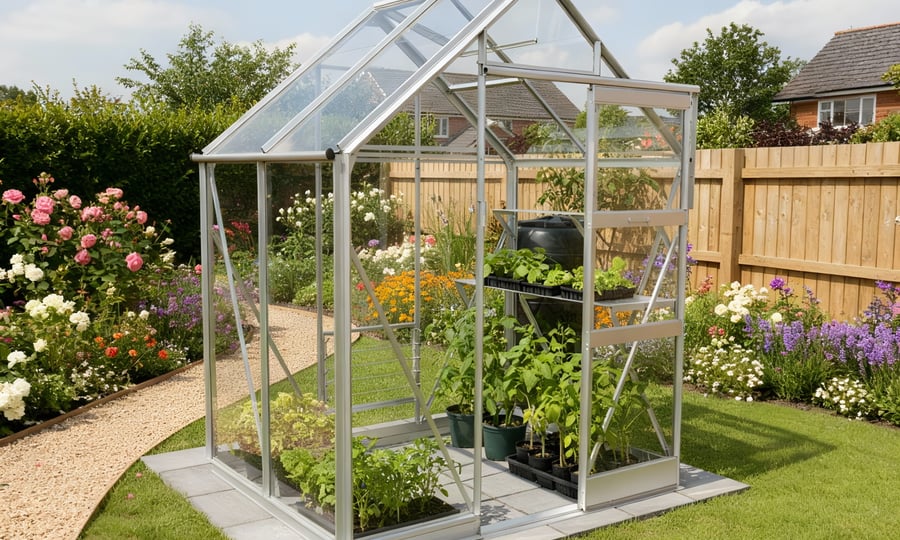
Keep pinching side shoots
Carry on pinching out the side shoots on cordon tomatoes every week — the shoots in the joint between leaf and stem. Left alone, each becomes a second stem that splits the plant's energy and halves your crop. Bush varieties like Tumbler are the exception and want to branch. Our guide to pinching out tomatoes covers when to stop, and the piece on using grow bags has our feeding and watering setup for bag-grown plants.
3. Damp down and shade the greenhouse to survive 40°C
A closed UK greenhouse reaches 40-45°C on a hot July day, and that heat is what stops your crop. Above 30°C tomato pollen goes sterile, flowers drop, and leaves scorch pale and papery. The first job every hot morning is to open everything — roof vents, louvres and the door — before 9am. The second is to damp down.
Damping down means splashing water across the floor, path and staging at midday. As it evaporates it cools the air by 3-4°C and lifts humidity, which does two useful things: it slows transpiration so plants hold their water, and it makes life hard for red spider mite, which thrives in hot dry air. We damp down our own houses at noon and again at 3pm in a heatwave. For the wider method, our guide to keeping a greenhouse cool during summer runs through every cooling option in order of effect.
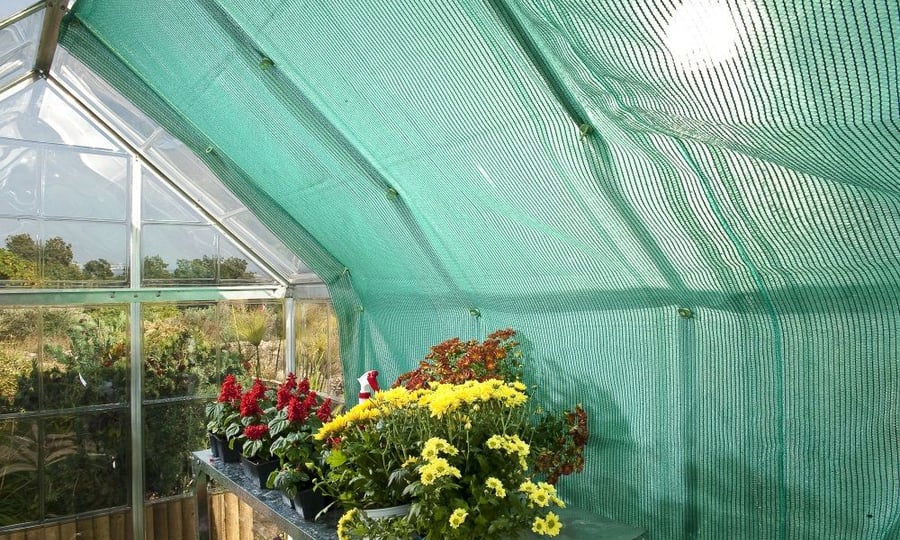
For a south-facing greenhouse, shading earns its keep in July. External shade kits beat internal blinds every time because they stop heat at the glass. If you would rather paint, a coat of Coolglass shade paint costs about £12 a tin and washes off in autumn. Our guide to greenhouse shading methods covers which orientations need it and which do not.
4. Harvest every few days, and lift garlic and first potatoes
Pick little and often in July to keep plants cropping. Courgettes, beans, cucumbers and tomatoes all work on the same principle: the plant's job is to set seed, so once a fruit ripens fully it starts to shut down. Pick courgettes at 10-15cm, before they become marrows. Pick runner and French beans every two or three days while they are pencil-thin. Leave one bean to fatten and the plant stops making new ones.
July is also lifting month for the alliums. Lift garlic and autumn-planted onions when the foliage yellows and flops over — usually mid to late July. Leave them longer and the bulbs re-sprout and split, and they will not store. Dry them in a single layer somewhere airy for two weeks before storing. First early potatoes (Charlotte, Swift) are ready when the flowers open; dig a test root to check size before lifting the row.
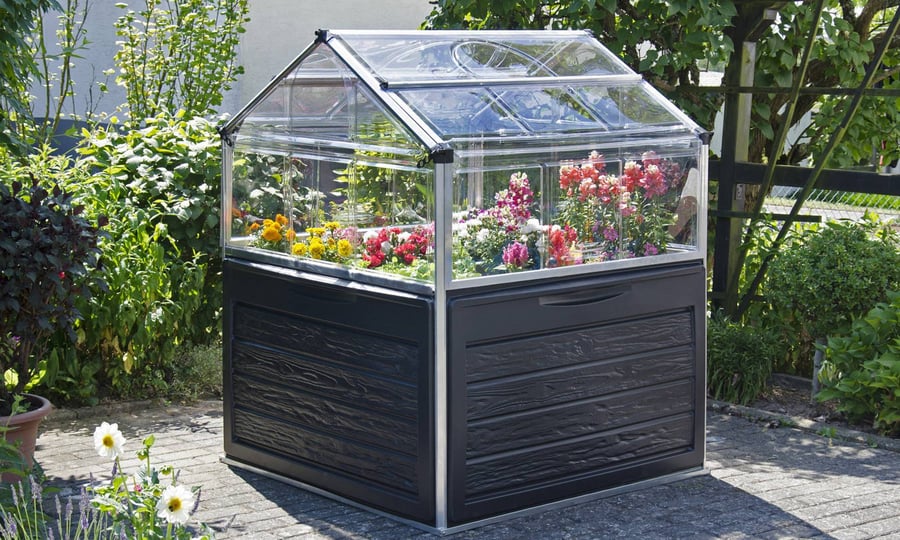
Keep on top of the courgettes especially — they hide under the leaves and turn into marrows overnight. Our guide to growing courgettes has the picking rhythm and how to keep a glut under control.
5. Sow now for autumn and winter salads
July is the last reliable window to sow for an autumn harvest. The soil is warm, so seed germinates in days, and there is still enough season left for a crop. Sow lettuce, rocket, oriental leaves and spinach every fortnight for a rolling supply into November. Sow spring cabbage, turnips and Florence fennel now. Under glass, a July sowing of salad crops on into the cold months when the outdoor plot is bare.
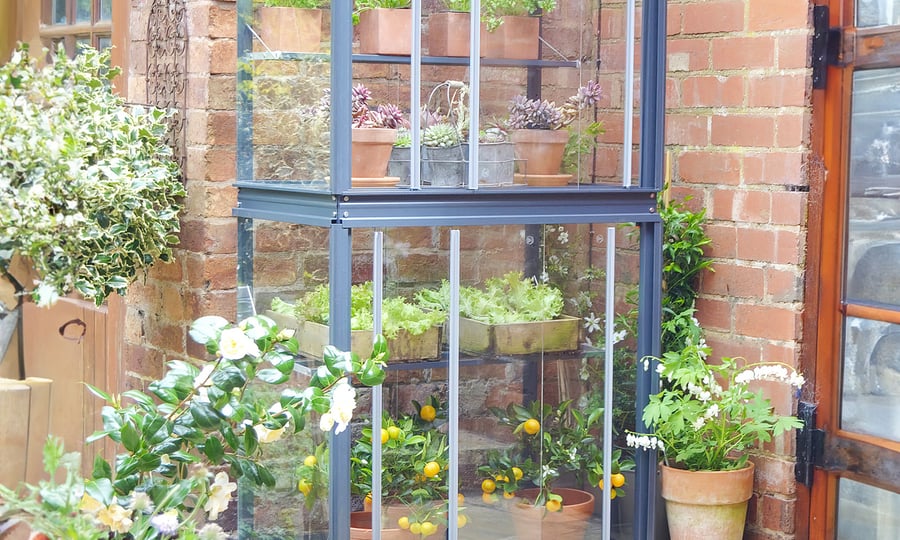
Keep new sowings out of the worst midday sun or they bolt straight to seed. A shaded corner of the greenhouse, a cold frame or a mini greenhouse on a patio all work as a nursery. For the year-round approach under glass, see our guide to year-round salad growing.
| Sow or lift in July | When | Ready | Note from our plot |
|---|---|---|---|
| Lettuce & salad leaves (sow) | Every 2 weeks | 6-8 weeks | Sow in light shade to stop bolting |
| Spring cabbage (sow) | Mid-late July | Next spring | Transplant out in September |
| Turnips & oriental leaves (sow) | All month | 6-10 weeks | Fast autumn crop under glass |
| Garlic (lift) | When leaves flop | Now | Dry 2 weeks before storing |
| Autumn onions (lift) | Mid-late July | Now | Ripen on the surface in the sun |
| First early potatoes (lift) | As flowers open | Now | Dig a test root to check size |
| Broad beans & peas (clear) | After cropping | Now | Cut tops off, leave roots to feed soil |
6. Summer-prune stone fruit, wisteria and trained apples
July is the one month to prune plums, cherries and other stone fruit. Prune them in winter and you invite silver leaf disease and bacterial canker through the open wounds. In dry July weather the wounds seal fast and the spores are not about. Take out dead, crossing and crowded branches, and shorten the current year's growth on fans and pyramids.
Wisteria gets its summer prune now too: cut the whippy new side shoots back to five or six leaves. This tidies the plant and channels energy into next year's flower buds rather than growth. Trained apples and pears — cordons, espaliers and fans — take their summer prune from mid-July: shorten this year's side shoots to three leaves above the basal cluster. Summer pruning on trained fruit controls size and improves fruiting far better than a winter cut.
7. Watch for red spider mite, whitefly and tomato blight in the heat
July heat brings its own set of pests, and they move fast. Red spider mite is the July problem in a greenhouse — it thrives in hot, dry air, and the first sign is fine pale speckling on tomato and cucumber leaves, then faint webbing. Damping down daily is the best defence because the mite hates humidity. Whitefly rise in clouds when you brush a plant; a yellow sticky trap and a weekly check of leaf undersides keeps them down.
Outdoors, warm humid spells in July are blight weather. Potato and outdoor tomato blight shows as brown blotches on leaves that spread to the stems and fruit within days. Greenhouse tomatoes are far safer because the leaves stay dry. If blight is forecast, keep foliage dry and airflow high. For the heat-pest picture in full, our guide to red spider mite in a heatwave and the complete greenhouse pest control guide cover controls that actually work.
8. Deadhead sweet peas and roses, and give the lawn a summer rest
Deadheading is what keeps the July flower garden going. Sweet peas are the clearest example: pick the flowers every day, and the moment you let three or four pods set, the plant reads it as a finished job and stops. A daily cut keeps them flowering for weeks. Deadhead roses every few days too, cutting back to the first strong set of five leaflets to push a second flush. Keep hanging baskets and bedding deadheaded and fed, and they carry colour to the first frost.
The lawn is the one thing to do less to. In a dry July, raise the mower blades and cut less often. Let the grass grow longer so it shades its own roots and holds moisture. Do not feed or scarify in a drought — a lawn that browns off is dormant, not dead, and greens up within a fortnight of rain. Mowing tight in a heatwave is the fastest way to the yellow patches everyone blames on the weather.
Matt's Tip: The Midday Damp-Down Walk
On any July day above 25°C, walk the greenhouse at noon with a full watering can. Splash the path and under the staging, check every plant has drunk its morning water, and turn three or four leaves to look at the undersides for mite speckling. Five minutes, done daily, is the single highest-value job in a July greenhouse. It cools the air, holds off red spider mite, and catches the plant that missed its water before it wilts past saving. We do this on every summer site visit.
Matt's Pick: the July upgrade that saves your crop
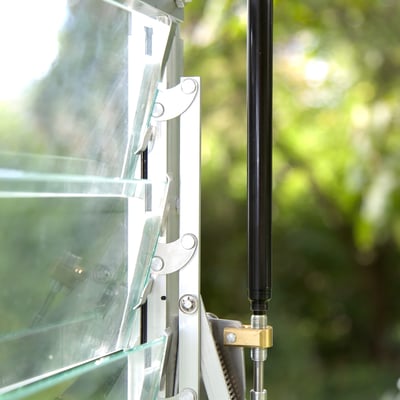
Matt's Pick for July: Elite Automatic Vent Opener
Best For: Keeping the greenhouse under 30°C while you are at work or away, with no electricity and no daily fiddling.
Why I Recommend It: A wax cylinder opens the vent at around 22°C and closes it as things cool, so the greenhouse ventilates itself all day. It is the one bit of kit that stops the holiday-wilt call we get every July. Fits in 20 minutes with a spanner.
Price: £59
Frequently Asked Questions
What gardening jobs should I do in July?
Water daily, feed weekly, harvest often and sow for autumn. July is the hottest month, so daily morning watering and weekly high-potash feeding come first. Damp down the greenhouse at midday, pick crops every few days to keep them productive, lift garlic and first potatoes, sow autumn salads, and summer-prune stone fruit and trained apples.
How often should I water my greenhouse in July?
Once every morning before 10am, and twice a day in a heatwave. A fruiting tomato in a 30-litre pot drinks 2-3 litres on a hot day. Water until it runs from the base of the pot. A drip kit on a battery timer automates the job and covers you while you are away.
What can I plant in July in the UK?
Lettuce, rocket, spring cabbage, turnips, oriental leaves and Florence fennel. July is the last reliable window to sow for an autumn and winter harvest. Warm soil means fast germination. Sow salad every fortnight for a rolling supply, and keep new sowings out of midday sun so they do not bolt.
How do I stop my greenhouse overheating in July?
Open all vents by 9am, damp down at midday and add shading. A closed greenhouse hits 40-45°C on a hot day, which stops fruit setting. Roof vents, side louvres and an open door give cross-flow. Wetting the floor cools the air 3-4°C, and external shade netting adds more for a south-facing house.
When should I lift garlic and onions?
When the leaves yellow and flop over, usually mid to late July. Lift too late and the bulbs re-sprout and split, and they will not store. Dry them in a single layer somewhere airy for two weeks before storing. Autumn-planted onions and garlic are both ready around the same time.
Why are my tomato flowers dropping in July?
Heat above 30°C makes the pollen sterile, so flowers drop without setting. It is usually the greenhouse being too hot, not a feeding problem. Damp down, ventilate hard and shade a south-facing house. Tapping the trusses at midday helps pollination on the flowers that do stay.
Can I prune plum and cherry trees in July?
Yes, July is the correct month to prune stone fruit. Prune plums, cherries and gages in dry summer weather so the wounds seal before silver leaf and canker spores can enter. Never prune them in winter. Take out dead and crossing branches and shorten the current season's growth.
Should I feed my lawn in July?
No, do not feed or scarify a lawn in a dry July. Raise the mower blades, cut less often and let the grass grow longer to shade its roots. A browned-off lawn is dormant, not dead, and recovers within a fortnight of rain. Feeding in drought scorches the grass.
Related Articles
- June Gardening Jobs UK
- May Gardening Jobs
- Greenhouse Too Hot? A UK Installer's Cooling Guide
- Using Grow Bags in a Greenhouse
- Year-Round Salad Growing in a Greenhouse
If your greenhouse is the limiting factor on your summer harvest, browse the full range at Greenhouse Stores — from 2x3 mini units for patios up to 8x14 glasshouses, all fitted by our own installers.