Metal vs Wood Raised Beds: Which Material Lasts Longer in UK Gardens?
Metal raised beds outlast wood by 10 to 15 years in UK gardens. Aluminium models like the Elite Roots and Shoots start at £110 and carry a 20-year warranty. Pressure-treated wooden beds from Access cost from £123 but typically need replacing after 5 to 10 years. Metal warms soil faster in spring, resists rot through wet UK winters, and needs zero maintenance. Wood costs less upfront and blends into cottage gardens naturally.
Key takeaways
- Aluminium raised beds last 20+ years with zero maintenance. Wooden beds last 5 to 10 years
- Metal beds cost £110 to £199. Wooden beds cost £123 to £192
- Metal warms soil 2 to 3 weeks earlier in spring, giving UK growers a longer season
- Wood suits cottage gardens. Aluminium suits modern plots and comes in 10 powder-coated colours
- Cost per year: aluminium works out around 40% cheaper over its lifetime
- Both materials are safe for growing vegetables with no chemicals leaching into soil
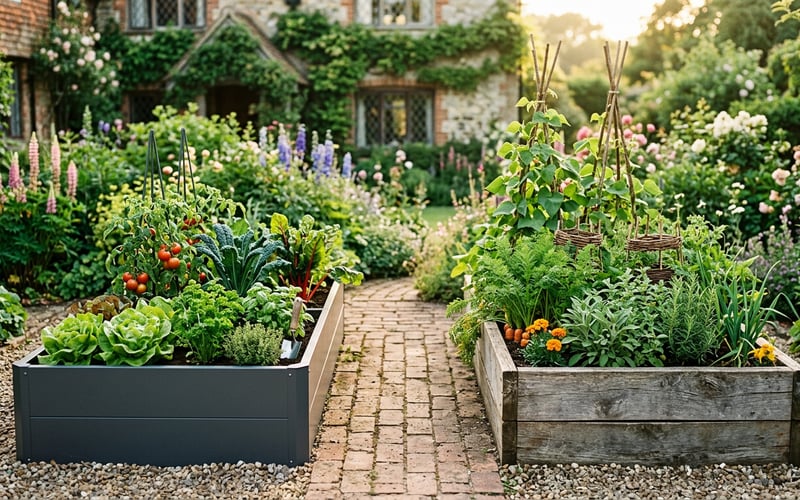
Browse our full range of raised beds and planters →
Installer's note
We have been fitting greenhouses and garden structures for over 13 years. In that time, we have assembled hundreds of raised beds for customers. The wooden ones come back to us after 6 or 7 years with rotted corners and bowed panels. The aluminium beds we fitted a decade ago still look the same as the day we installed them. That is the honest difference. Wood feels warmer in your hands and looks lovely on day one. But if you want something you will never replace, metal wins.
What is the difference between metal and wood raised beds?
The core difference is lifespan and maintenance. Aluminium raised beds resist rot, rust, and insect damage without any treatment. Wooden beds need annual preservative and will eventually decay in contact with wet soil. Our Elite aluminium range uses extruded aluminium with powder-coated finishes in 10 colours. The Access wooden range uses pressure-treated timber planks that slot together.
Aluminium conducts heat faster than wood. Metal beds warm soil earlier in spring. That is a genuine advantage for UK vegetable growers trying to get ahead of a short growing season. Wood insulates better, keeping roots slightly cooler on the hottest summer days. In practice, both grow excellent crops.
The structural difference matters too. Aluminium panels bolt together and stay rigid for decades. Wooden beds rely on interlocking joints that loosen as timber swells and shrinks through wet and dry seasons. We see this every winter when customers call about leaning beds.
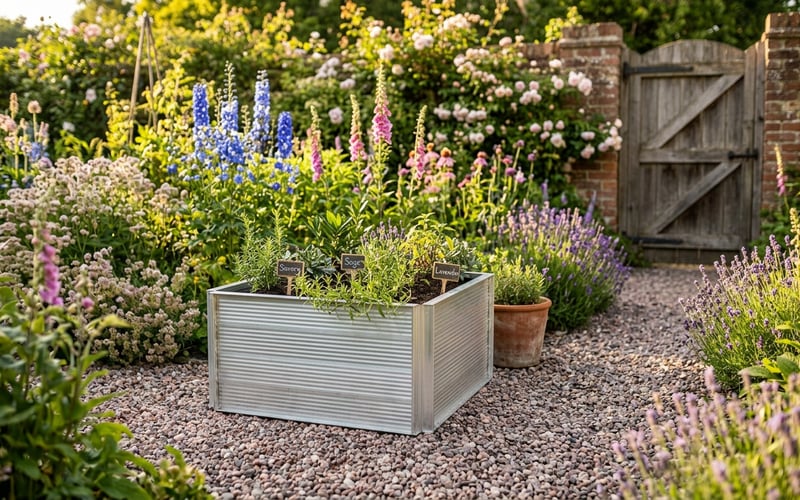
Shop the Elite Roots and Shoots 2x2 Raised Bed →
How long do metal raised beds last compared to wood?
Aluminium raised beds last 20 years or more. Pressure-treated softwood beds last 5 to 10 years in UK conditions. Untreated timber may only manage 3 to 4 years before structural failure. The Elite Roots and Shoots range carries a 20-year manufacturer warranty on the aluminium frame. No wooden raised bed on the UK market offers anything close.
Timber rots from the inside out where it touches damp soil. You will not see the damage until a panel gives way. We have pulled apart wooden beds that looked fine on the outside but crumbled when we lifted them. Pressure treatment slows this process but does not stop it.
Aluminium does not corrode in normal garden conditions. Powder coating adds an extra barrier against scratches and UV degradation. The only thing that shortens an aluminium bed's life is physical impact. We have never seen one fail from normal garden use. If you garden on acidic ground, read our guide to UK soil types as soils below pH 5.5 accelerate wood decay even faster.
Do metal raised beds get too hot in summer?
No. In UK summer temperatures, aluminium raised beds do not overheat. Average UK summer highs reach 20 to 25°C, well below the 35°C threshold where metal beds cause root stress. This concern comes from US gardening content where desert states regularly hit 40°C. The UK climate is different.
Metal bed edges can warm faster in direct sun, but root-zone temperature depends mainly on soil moisture, depth and exposure. Water consistently during hot weather and check the soil below the surface before assuming the bed is overheating.
In spring, that extra warmth becomes a benefit. Metal beds warm soil 2 to 3 weeks ahead of wooden beds and ground-level plots. If you are interested in growing vegetables in a greenhouse all year round, earlier soil warming extends your productive season considerably.
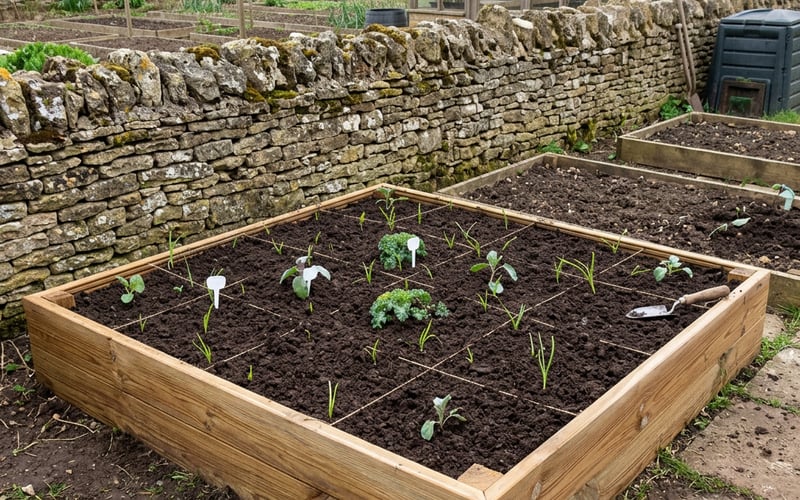
Shop the Access 4x4 Raised Wooden Bed Kit →
Which raised bed material is best for growing vegetables?
Both materials grow excellent vegetables. Neither aluminium nor pressure-treated wood leaches harmful chemicals into soil. Modern pressure treatment uses copper-based preservatives (tanalith), approved for food-growing contact. Aluminium is chemically inert. It does not react with soil, water, or fertiliser at all.
The practical difference is drainage. The Elite aluminium beds have built-in drainage gaps between panels. Wooden beds rely on natural gaps between planks, which tighten as timber swells when wet. That is exactly when you need drainage most. Waterlogged roots kill more UK vegetables than any pest.
For root vegetables, bed height matters more than material. The Elite 2x2 stands 370mm tall, deep enough for most root crops. The Access wooden beds stand 240mm at two tiers. If you are thinking about growing carrots in raised beds, the extra 130mm depth of the aluminium option makes a real difference to root length and shape.
How much do metal and wood raised beds cost in the UK?
Aluminium raised beds cost £110 to £199. Wooden raised bed kits cost £123 to £192. The upfront price gap narrows significantly when you factor in replacement costs. A wooden bed replaced twice over 20 years costs more than one aluminium bed that outlasts them both.
| Model | Material | Size | Price | Warranty | Cost per Year |
|---|---|---|---|---|---|
| Elite Roots and Shoots 2x2 | Aluminium | 712 x 712mm | £110 | 20 years | £5.50/yr |
| Elite Roots and Shoots 2x4 | Aluminium | 712 x 1270mm | £155 | 20 years | £7.75/yr |
| Elite Roots and Shoots 2x6 | Aluminium | 712 x 1850mm | £199 | 20 years | £9.95/yr |
| Access 4x2 Wooden Kit | Timber | 710 x 1270mm | £123 | None stated | £17.00/yr* |
| Access 4x4 Wooden Kit | Timber | 1270 x 1270mm | £133 | None stated | £18.40/yr* |
| Access 8x4 Wooden Kit | Timber | 1270 x 2420mm | £192 | None stated | £26.30/yr* |
| Matt's Pick | Aluminium | 712 x 1270mm | £155 | 20 years | £7.75/yr ★ |
*Wood cost per year based on 7-year average lifespan before replacement needed.
The table tells the story. The Elite 2x4 aluminium bed costs £155 and works out at roughly £7.75 per year over its 20-year warranty period. The comparable Access 4x2 wooden bed costs £123 but lasts around 7 years. That is £17 per year. Buy two wooden replacements and you have spent £357 on timber versus £155 on aluminium that is still standing.
Matt's tip: think long term on cost
I always tell customers to think in decades, not days. That £40 saving on a wooden bed disappears fast when you are buying your second one 7 years later. The aluminium bed will still be there when your kids are old enough to garden in it. If budget is tight right now, the Access wooden kits are still good quality. Just know you will replace them eventually.
Are aluminium raised beds worth the extra money?
Yes, for most UK gardeners aluminium raised beds are worth the premium. The 20-year warranty, zero maintenance, and better drainage make them the lower-cost option over time. You save on wood preservative, replacement panels, and the labour of rebuilding a rotted bed every 7 years.
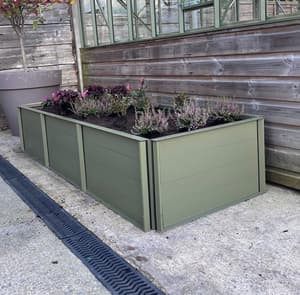
The Elite range also offers 10 powder-coated colour options: black, green, grey, white, brown, olive, navy, berry, mocha, and stone. Wooden beds come in one colour. If your garden has a colour scheme or you want beds to match your greenhouse, aluminium gives you that choice. We have fitted black Elite beds in modern courtyard gardens and olive versions in country plots. The finish holds up for years without fading.
The only argument for wood over aluminium is pure aesthetics. Some gardeners want that natural timber look and do not mind the upkeep. That is a fair choice. For everyone else, aluminium is the better long-term investment.
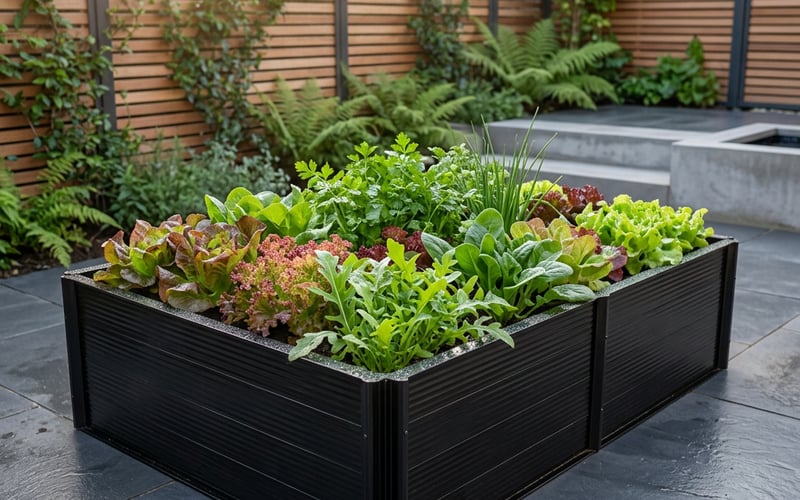
Shop the Elite Roots and Shoots 2x6 Raised Bed →
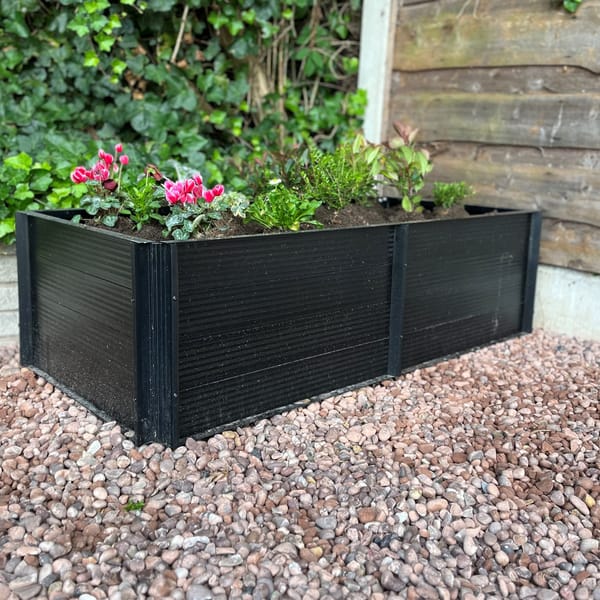
|
Matt's pick for best all-round raised bedBest For: Vegetable growing in small to medium UK gardens Why I Recommend It: The 2x4 is the sweet spot. Big enough for proper crop rotation but narrow enough to reach the middle from both sides. The 20-year warranty means you buy it once. Price: £155 |
What size raised bed should I choose?
Choose a raised bed no wider than 1200mm if you need access from both sides, or 600mm if it sits against a wall or fence. You should reach the centre comfortably without stepping on the soil. Compacted soil kills root growth and wrecks drainage.
The Elite aluminium range starts at 712mm square (2x2). That size is well suited to herbs on a patio or balcony. The 2x4 at 712 x 1270mm suits most vegetable plots. The 2x6 at 712 x 1850mm gives serious growing space for row crops. All three stand 370mm tall, deep enough for root vegetables.
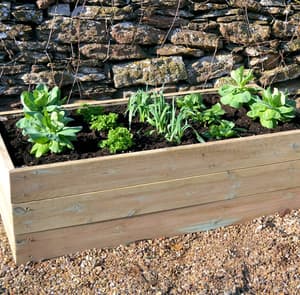
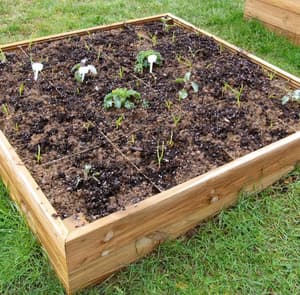
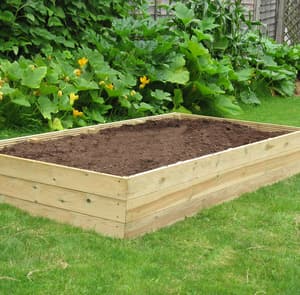
The Access wooden range starts wider. The 4x2 measures 710 x 1270mm, scaling up to the 8x4 at 1270 x 2420mm. Wooden beds stand 240mm at two tiers or 360mm at three. If you plan on using raised beds in a greenhouse, measure your floor space first. Leave at least 450mm between beds for a wheelbarrow or kneeling access.
Can you use raised beds inside a greenhouse?
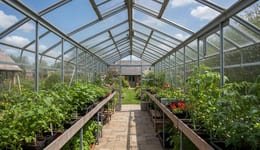
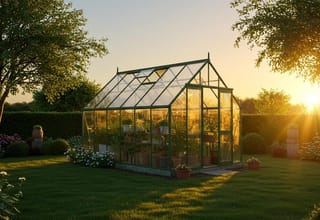
Yes. Both metal and wooden raised beds work inside greenhouses. Aluminium is the better indoor choice because it does not rot in the humid greenhouse environment and takes up less floor space per growing area. Wood absorbs moisture from greenhouse air and soil contact, accelerating decay.
We have fitted Elite raised beds inside aluminium-framed greenhouses for customers who want permanent indoor growing stations. The powder-coated finish matches Elite greenhouse frames exactly. Some customers colour-coordinate their beds and greenhouse. Black beds in a black-framed greenhouse looks particularly sharp.
If your greenhouse came with staging, raised beds can replace the lower shelf for ground-level crops. Fill them with quality home-made compost mixed with topsoil for the best results. A 70/30 mix of compost to loam gives excellent drainage and nutrient levels. For more ways to kit out your growing space, see our guide to essential greenhouse accessories.
Frequently asked questions
Is galvanised steel safe for growing vegetables?
Yes, aluminium and correctly manufactured galvanised steel beds are suitable for food growing. Follow the manufacturer's intended use, avoid strongly acidic amendments against bare metal and replace any badly damaged coating.
Do wooden raised beds attract termites in the UK?
No, the UK does not have termites. Woodworm, fungal rot, and slug damage are the real threats to wooden beds in British gardens. Pressure-treated timber resists fungal attack for several years. Untreated wood in ground contact can develop wet rot within two seasons. Clay soils that hold moisture make this problem worse.
How deep should a raised bed be for vegetables?
At least 200mm for salads and 300mm or more for root vegetables. The Elite aluminium beds stand 370mm tall. That is deep enough for carrots, parsnips, and potatoes. The Access wooden beds stand 240mm at two tiers, which suits lettuce, herbs, and shallow-rooted crops. Add a third wooden tier to reach 360mm for deeper roots.
Can I paint or stain a wooden raised bed?
Yes, but only use plant-safe preservatives rated for soil contact. Standard fence paint contains biocides that can leach into growing soil. Look for products labelled safe for food-growing areas. You will need to reapply every 1 to 2 years. Aluminium beds need no painting. The powder-coated finish lasts the lifetime of the bed.
Do metal raised beds rust?
Aluminium raised beds do not rust. Aluminium is naturally corrosion-resistant and forms a protective oxide layer on contact with air. Galvanised steel beds resist rust for 15 to 20 years before the zinc coating wears through. The Elite range uses extruded aluminium, not steel, so rust is physically impossible. Powder coating adds further protection against scratches and weathering.
What should I fill my raised bed with?
A 70/30 mix of quality compost and garden topsoil works best. Pure compost drains too fast and lacks structure. Pure topsoil compacts and waterloggs. The blend gives roots the drainage, nutrients, and anchorage they need. For a 2x4 bed at 370mm deep, you need roughly 330 litres of fill. That is about 6 large bags of compost plus 3 barrows of topsoil.
Are raised beds better than planting in the ground?
Raised beds warm faster and drain better than open ground. They give you full control over soil quality. They suit UK gardens with heavy clay, poor drainage, or contaminated ground. You avoid soil-borne diseases that build up over years of planting in the same spot. Raised beds also save your back and knees. The 370mm Elite beds bring the soil to a comfortable working height. For anyone with mobility concerns, they make gardening accessible again.