Why Do Plants Grow Faster in a Greenhouse?
Plants grow faster in a greenhouse because glazing traps solar heat, shelters them from wind and rain, and extends the growing season. The temperature lift varies with sunshine, ventilation, glazing and greenhouse size. Warmth, shelter and steady conditions do the work.
Key takeaways
- Warmth is the main driver. Glazing traps solar radiation and raises daytime temperatures, which speeds germination and early growth when ventilation is managed correctly.
- Shelter matters as much as heat. No wind chill and no battering rain means plants spend energy growing, not repairing.
- The season gets longer at both ends. Glass buys roughly 3 to 6 weeks earlier in spring and later in autumn for most UK gardens.
- Soil warms sooner. Covered soil receives shelter from cold wind and rain, allowing spring sowing to begin earlier than in exposed beds.
- Faster only holds with airflow. A sealed, baking greenhouse stalls growth, so daytime ventilation keeps the speed-up going.
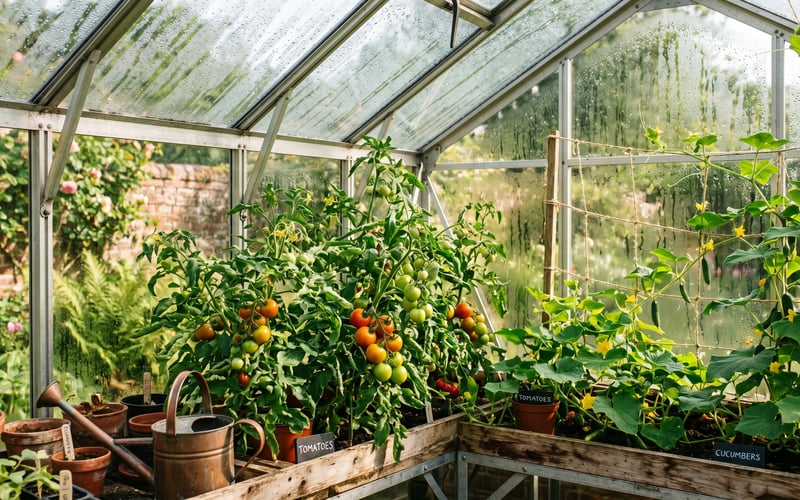
Browse our aluminium greenhouses range →
Expert Tip
Since 2012, I have watched the same thing every spring. The customer sows two trays on the same day, one inside and one on a sheltered patio. The greenhouse tray is up and away within a week. The patio tray sulks. The difference is not magic. It is steady warmth, no wind, and soil that holds its heat overnight. I keep a max-min thermometer in every demo greenhouse to show people the numbers.
Why do plants grow faster in a greenhouse?
Plants grow faster under glass because warmth, shelter and a longer season all stack up together. Each factor helps on its own. Combined, they push growth well ahead of an open bed. The glass lets short-wave sunlight in, the plants and soil absorb it, and the longer-wave heat that radiates back is trapped. That is the greenhouse effect at garden scale.
Outside, three things slow plants down. Cold air chills the leaves and roots. Wind strips heat and moisture and snaps soft growth. Rain compacts soil and spreads disease. A greenhouse removes all three at once. The plant can then put its energy into roots, leaves and fruit rather than survival.
None of this is guesswork for us. We measure it. For the science of seed-starting temperatures, our seed germination temperature table sets out exactly what each crop needs to wake up.
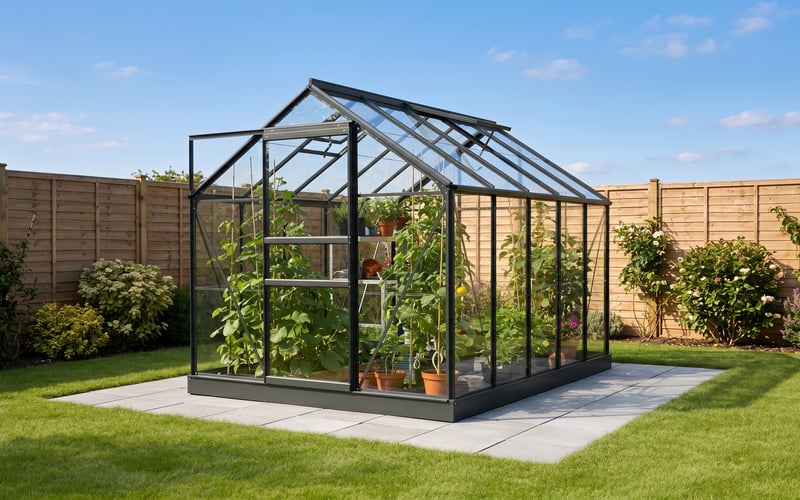
Shop the Vitavia Venus 6x10 in Black →
Warmth: the main reason plants grow faster
Warmth is the single biggest reason plants grow faster under glass. Most vegetable seeds need soil above 10C to germinate well. Many barely move below that. A greenhouse lifts both air and soil temperature into the growing range weeks before the open garden gets there.
The temperature difference changes through the day. It normally peaks in early afternoon and narrows overnight. Use a max-min thermometer in your own greenhouse and open vents before excessive heat develops.
| Time of day | Outside temp | Inside (closed) | Difference | What it means |
|---|---|---|---|---|
| 08:00 | 6C | 9C | +3C | Frost gone inside first |
| 12:00 | 13C | 28C | +15C | Active growing range |
| 14:00 (peak) | 15C | 34C | +19C | Vent now or it stalls |
| 18:00 | 12C | 19C | +7C | Warm evening for roots |
| 23:00 | 3C | 5C | +2C | Holds off a light frost |
The soil tells the same story. Our greenhouse beds reached 14C on 2 April. The open beds ten metres away did not hit 14C until the third week of the month. That gap is three weeks of free growing time, and it repeats every spring.
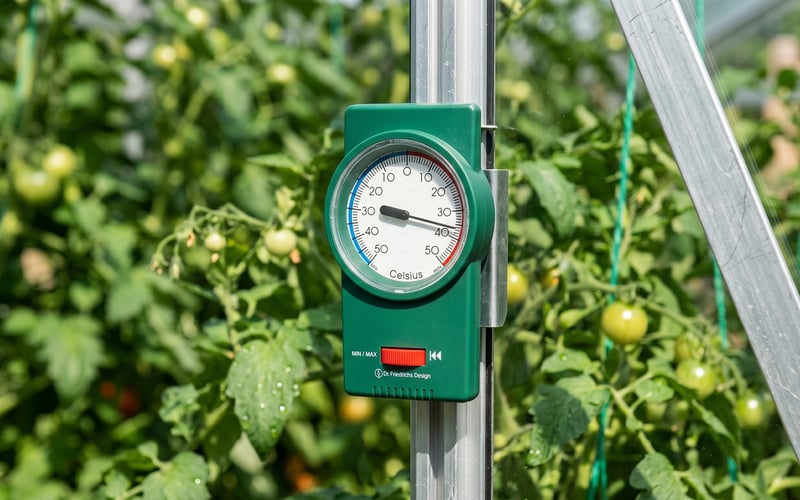
Shop the Vitavia Max-Min Thermometer →

|
Matt's Pick for the fastest start under glassBest For: A first greenhouse that warms quickly and grows a lot in a small footprint. Why I Recommend It: The Venus is the model I fit most. The 6x10 holds warmth well and gives space for tomatoes one side and seed trays the other. I have installed dozens with no callbacks. Price: £644 |
Shelter from wind and driving rain
Shelter speeds growth almost as much as heat does. Wind is a hidden brake on plants. It strips warmth from leaves, dries out soil and snaps tender shoots. A 20mph breeze can chill a leaf several degrees below the air around it. The plant then slows to protect itself.
Glass walls stop the wind dead. Inside, the air sits still and warm, so leaves stay at growing temperature and lose far less water. Driving rain causes its own trouble. It batters seedlings flat, caps the soil surface and splashes soil-borne disease up onto leaves. Under glass, watering stays in your control.
This shelter is why an exposed or coastal garden gains the most from a greenhouse. If your plot catches the wind, our guide to what to grow in an unheated greenhouse shows how much you can still raise without paying to heat it.
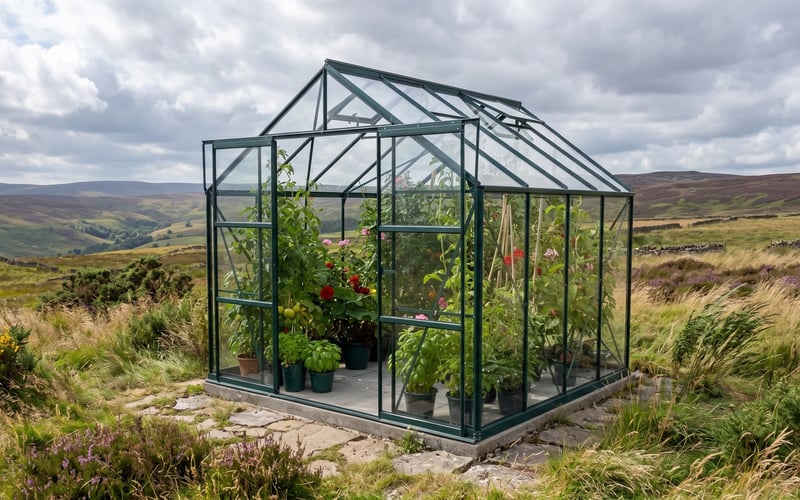
Shop the Vitavia Phoenix 8x10 in Green →
Matt's Installation Tip
Warmth only speeds growth while the air stays fresh. Once the inside hits the high 20s, open every vent and the door. We tell every customer to fit an automatic vent opener, because a closed greenhouse can pass 40C by midday in May and cook young plants. Heat without airflow stops growth dead, the opposite of what you want.
A longer growing season and earlier sowing
A greenhouse stretches the growing year at both ends. In spring it lets you sow three to six weeks earlier than open ground. In autumn it keeps tender crops cropping after the first frosts have flattened the garden. That longer window is extra weeks of growth for every plant.
Earlier sowing means earlier harvests. Tomatoes sown under glass in March fruit weeks ahead of plants started outdoors in May. The plant simply has more warm days to work with. For the full picture on running warmth into the colder months, see our notes on whether greenhouses stay warm in winter and the real cost of heating a greenhouse.
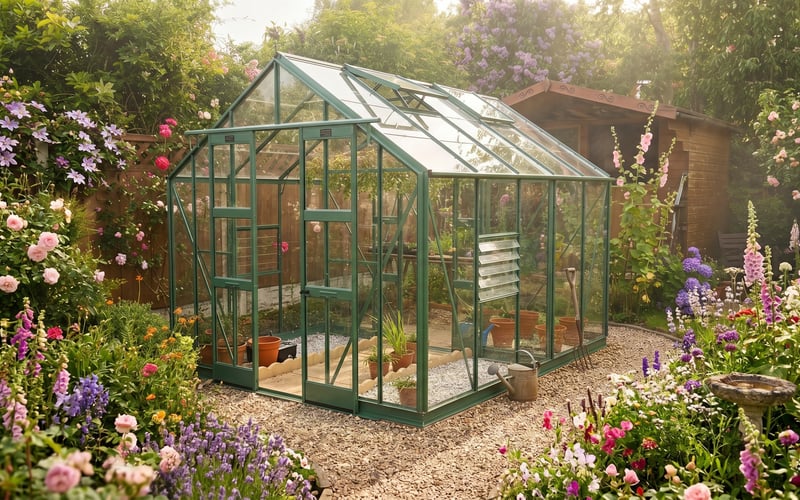
Matt's Tip: Warm the soil first
I get the fastest results by warming the soil a fortnight before I sow. Close the greenhouse up in late February, lay a sheet of clear poly over the bed, and the soil climbs into the teens. Seeds then go into warm ground and never check. Cold soil is the most common reason a March sowing sits and does nothing.
More steady warmth means faster photosynthesis
Steady, warm air lets a plant photosynthesise faster for longer each day. Photosynthesis is the engine of growth. It runs best in a band roughly between 18C and 28C with good light. A greenhouse holds plants in that band for far more of the day than open ground manages.
There is a catch worth knowing. In bright sun a sealed greenhouse can run short of carbon dioxide as the plants use it up. Growth then plateaus even though it is warm. The fix is the same as for heat: fresh air. Opening the vents tops the carbon dioxide back up and keeps photosynthesis ticking. So ventilation does two jobs, cooling and feeding.
Light matters too. Clean glass passes around 90 percent of available light. Dirty glass or heavy algae can cut that hard, which slows growth in the darker months. A wash each autumn pays you back in spring.
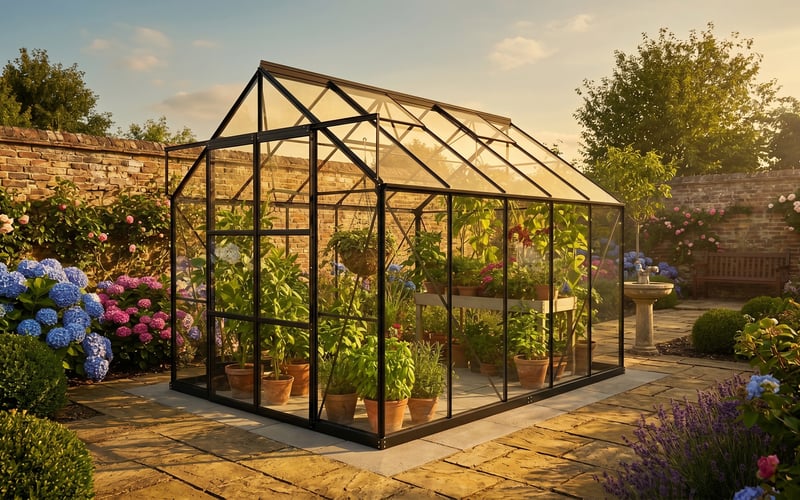
Shop the Vitavia Phoenix 8x10 in Black →
Fewer pests and less weather damage
Plants under glass lose less growth to pests and bad weather. A physical barrier keeps out pigeons, rabbits and much of the slug traffic that shreds seedlings overnight. Less damage means the plant keeps every leaf it grows, and leaves are what drive more growth.
Weather damage drops too. Hail, late frost and cold rain all set plants back outdoors. Inside, they are out of the firing line. You still get aphids and whitefly under glass, so airflow and a close eye matter, but the baseline of damage is far lower. Our round-up of growing tomatoes in a greenhouse covers the few pests that do get in and how we deal with them.
Does greenhouse size change how fast plants grow?
A bigger greenhouse holds heat more steadily, but even a small one beats open ground. Large volumes of air warm and cool more slowly. That buffer keeps temperatures even, which plants like. A tiny greenhouse swings hotter by day and colder by night, so it needs closer attention.
That said, a mini greenhouse or a 6x4 still gives the warmth, shelter and longer season that drive faster growth. For a courtyard, balcony or starter setup, small is plenty. The team at Greenhouse Stores can match a size to your space and what you want to grow.
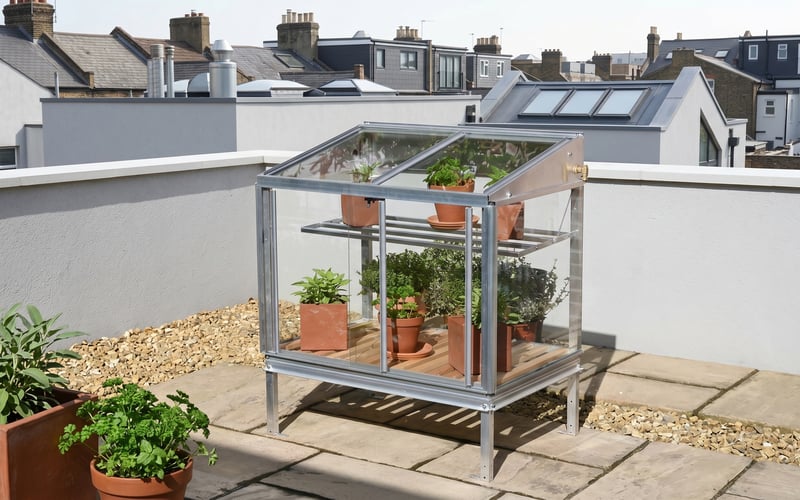
Shop the Access Herb House Mini Greenhouse →
Whatever the size, the maths usually stacks up. Our look at whether a greenhouse saves you money on food runs the numbers on faster, heavier harvests grown under glass.
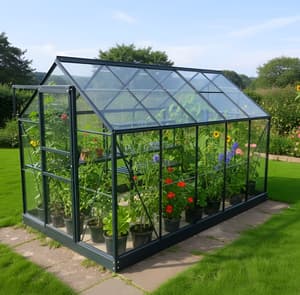
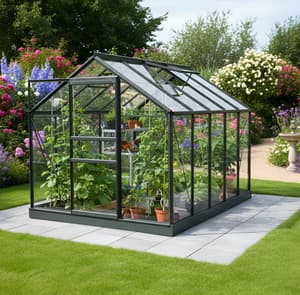
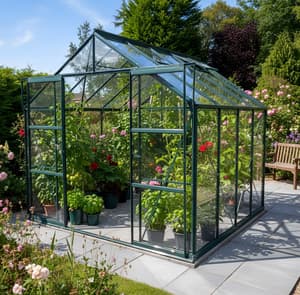
"A greenhouse earns its place by extending useful growing time. Good roof ventilation preserves that advantage without exposing plants to damaging afternoon heat."
— Matt W, Greenhouse Stores
Frequently asked questions
Why do plants grow faster in a greenhouse? Glass traps solar heat, blocks wind and rain, and extends the season. The steady warmth and shelter let plants put energy into growth instead of survival, so they develop weeks ahead of open ground.
How much warmer is a greenhouse than outside? The difference varies with sunlight, wind, glazing and ventilation. A closed greenhouse can become dangerously hot on a bright day, while the overnight advantage is much smaller.
How much earlier can I sow in a greenhouse? Roughly three to six weeks. Warmer soil and air let most UK gardeners sow in late February or March rather than April or May, which brings harvests forward by a similar margin.
Do plants grow faster in a heated or unheated greenhouse? A heated greenhouse grows faster in winter and very early spring. From March onwards an unheated greenhouse already gives most of the speed-up from trapped solar heat alone.
Can a greenhouse get too hot for plants to grow? Yes. Above the high 20s, growth slows and over 40C damages plants. Daytime ventilation keeps temperatures in the growing range and tops up carbon dioxide, so airflow protects the speed-up.
Does greenhouse size affect how fast plants grow? Larger greenhouses hold heat more evenly, which plants prefer. Even a mini greenhouse beats open ground, but small ones swing hotter and colder, so they need closer watching and prompt venting.