Early Crops Under Glass: Steal a Six-Week Head Start
Starting beetroot, carrots, peas, broad beans and spring onions under glass brings harvests forward by four to six weeks across the UK. Sowing runs from late January to March in an unheated cold frame or mini greenhouse. In February 2026 our display cold frame held soil at 9°C while the open bed beside it sat at 4°C. That gap is the whole trick.
Key Takeaways
- Broad beans go first. Sow in 75mm pots under glass from late January.
- Beetroot, peas and spring onions follow through February and March.
- Never transplant carrots. Sow them direct into containers at least 300mm deep.
- Expect first pickings 4-6 weeks ahead of the same crop sown outdoors.
- An unheated cold frame holds soil 4-5°C warmer than open ground in late winter.
- Harden everything off for 7-10 days before planting out.
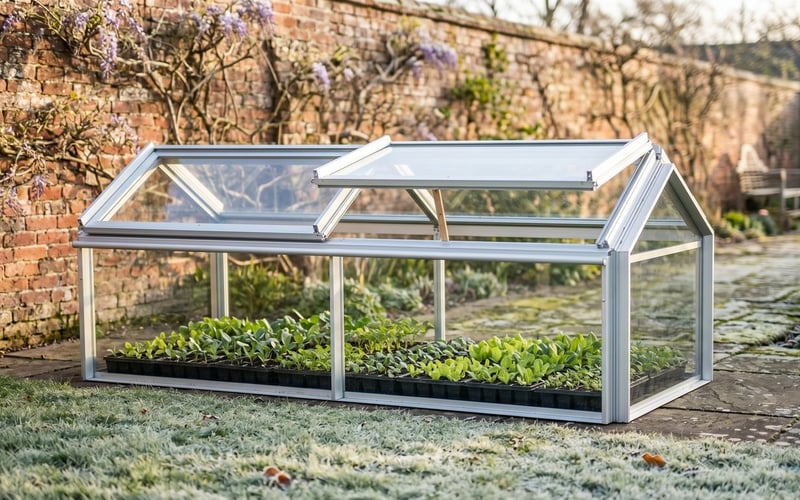
Shop the Elite Min E Lite 6x2 Cold Frame →
Installer's Note
We fitted 38 cold frames for customers last season. When we asked why they bought one, 31 said the same thing: earlier veg. Most sat the frame against a south-facing wall, which is exactly where we would put it. The masonry stores daytime heat and feeds it back overnight. On those jobs the frames that struggled were all shaded by a fence or hedge before 10am. Site it for morning sun and the rest of this guide gets much easier.
Why start early crops under glass?
Seeds do not read calendars. They respond to soil temperature, and UK soil is slow to warm in spring. Open ground in the Midlands rarely passes 7°C before late March. Under unheated glass it gets there in mid-February.
A cold frame warms soil earlier than an open bed by trapping solar heat and sheltering the surface from wind. Check the compost with a soil thermometer before sowing rather than relying only on the calendar.
That difference moves germination from weeks to days. Beetroot takes around 24 days to come through at 5°C but only 9 days at 10°C. Glass also keeps winter rain off the compost, so seeds sit in moist soil rather than cold mud. Our cold frame gardening guide covers the structures themselves in more detail. This article is about the five crops that repay an early start best.
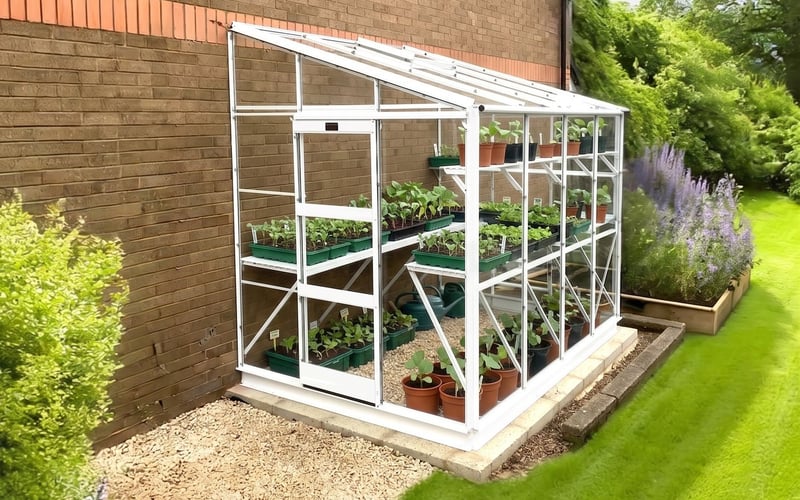
Shop the Elite Kensington 6x8 Lean To Greenhouse →
The early crops sowing calendar
Use this table as your working plan. Dates suit central England. Push everything 1-2 weeks later in Scotland and the North East, or 1-2 weeks earlier in Cornwall and the South West.
| Crop | Sow under glass | Method | Plant out | First picking | Weeks gained |
|---|---|---|---|---|---|
| Broad beans | Late January to February | 75mm pots, 50mm deep | Mid-March | Late May | 4-6 |
| Beetroot | Late February to March | Modules, 3-4 seeds per cell | Mid-April | Late May | 4-5 |
| Carrots | February to March | Direct in 300mm-deep containers | Stays under glass | Late May | 5-6 |
| Peas | February to March | Guttering or root trainers | Late March to April | Late May | 3-4 |
| Spring onions | February to March | Modules, 8-10 seeds per cell | April | Late May to June | 4 |
Germination triggers matter more than the dates. Broad beans move at 5°C, peas at 4-7°C, and beetroot, carrots and spring onions all want 7°C or better. Our seed germination temperature table lists the full range crop by crop. For what to sow in the months either side of this window, see the month-by-month seed sowing guide.
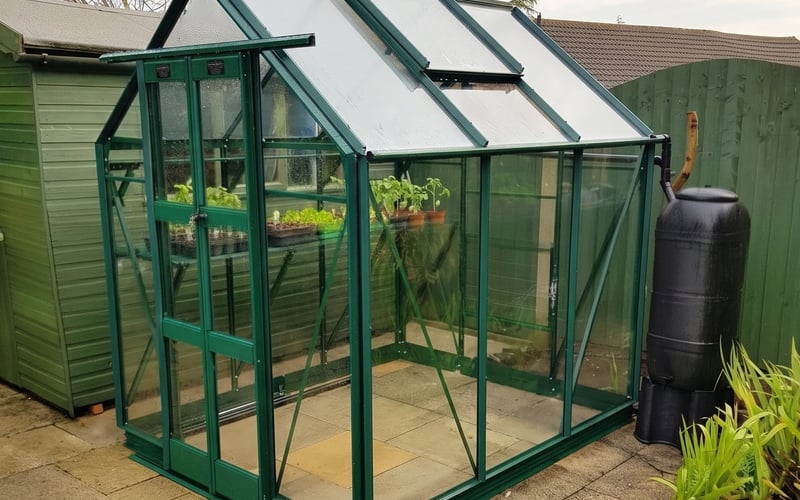
Shop the Elite Streamline 5x6 Greenhouse →
Matt's Tip: Sow by Thermometer, Not by Date
I push a soil thermometer into the frame border every morning from late January. When it reads 7°C for three mornings running, I start sowing. Some years that is 10 February. In 2024 it was 4 March. The packet dates are averages and your garden is not average. A £34 thermometer has saved me more failed sowings than any other bit of kit I own.
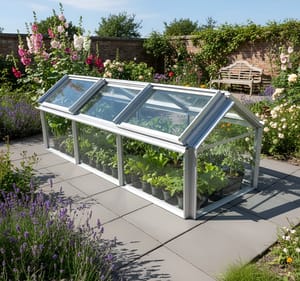
Matt's Pick for Early Sowings
Best For: First-time early growers with limited space
Why I Recommend It: The Min E Lite 4x2 is the frame we use for our own February trials. The hinged toughened-glass lid props open one-handed, and at 610mm deep it sits on a single row of slabs against any wall. Of the 38 frames we fitted last season, this model went out more than any other.
Price: £249
Beetroot: multi-sow modules from late February
Beetroot is the easiest early win because it transplants well and shrugs off light frost once established. Sow 3-4 seeds per module cell in late February. Do not thin them. Each beetroot "seed" is a cluster of 2-3 true seeds anyway, so you get a small clump per cell.
Choose Boltardy if you only buy one packet. It resists bolting, which is the main risk with early sowings hit by a cold snap. Keep the modules in the cold frame and water sparingly until germination, usually 10-14 days at frame temperatures.
Plant the whole clumps out in mid-April, 25cm apart each way. The roots push each other apart as they swell. You then pull the biggest root from each clump from late May and let the rest grow on. From a 4x2 frame of modules we lifted our first golf-ball roots on 28 May last year. The outdoor comparison sowing gave nothing until early July.
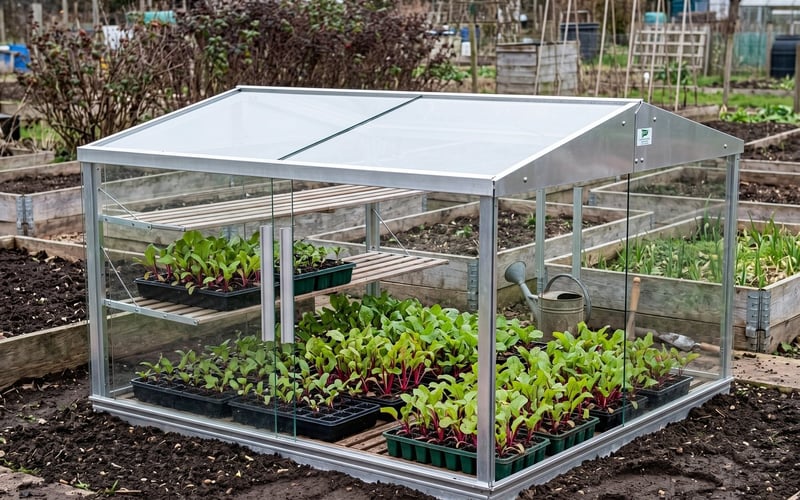
Shop the Access 4x4 Aluminium Coldframe →
Carrots: sow direct, never transplant
Carrots are the exception in this list. Transplanting damages the taproot and gives you forked, stunted roots. So instead of starting them in modules, sow them direct into deep containers that live under glass.
Use pots, crates or old florist buckets at least 300mm deep. Fill with sieved compost mixed with sharp sand, roughly four parts to one. Sow Amsterdam Forcing or Early Nantes 2 thinly across the surface in February, cover with 10mm of compost, and keep just moist. Thin to 25mm spacings once the ferny leaves show.
There is a bonus most growers miss. Carrot fly rarely finds containers inside a frame or mini greenhouse, so early sowings usually escape the first generation of attacks completely. We pulled clean finger-sized roots on 22 May from a February sowing in the yard's raised frame. For maincrop sowings outdoors later in the year, our full guide to growing carrots covers varieties and fly barriers properly.
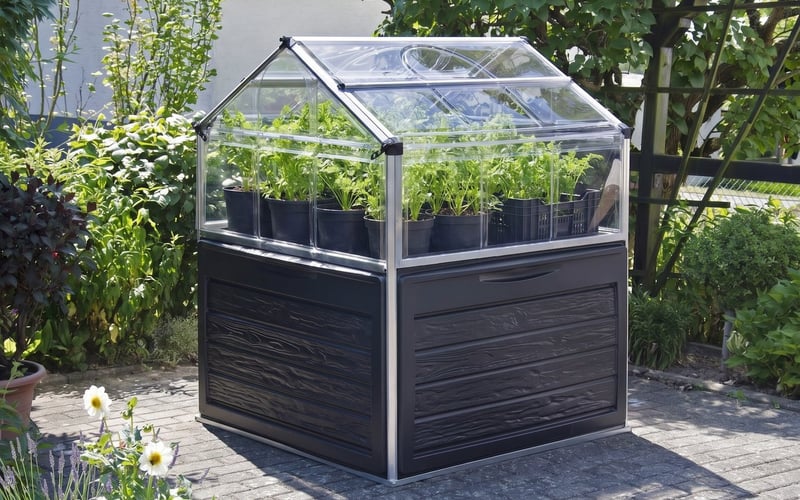
Shop the Palram Plant Inn 4x4 Raised Cold Frame →
Peas: the guttering trick
Peas hate root disturbance but transplant perfectly if you keep the root run intact. The old allotment method is still the best one. Take a length of plastic guttering, drill drainage holes, fill it with compost and sow pea seeds 50mm apart in a double row.
When seedlings reach 75mm tall, dig a shallow trench outside and slide the gutter contents out in one motion. Sow under cover from February and transplant from March once the soil is workable.
First early varieties are the ones to choose: Feltham First, Meteor and Kelvedon Wonder all germinate at 4-7°C and stay compact. Sow a fresh gutter every three weeks until April and you get a continuous picking season instead of one glut.
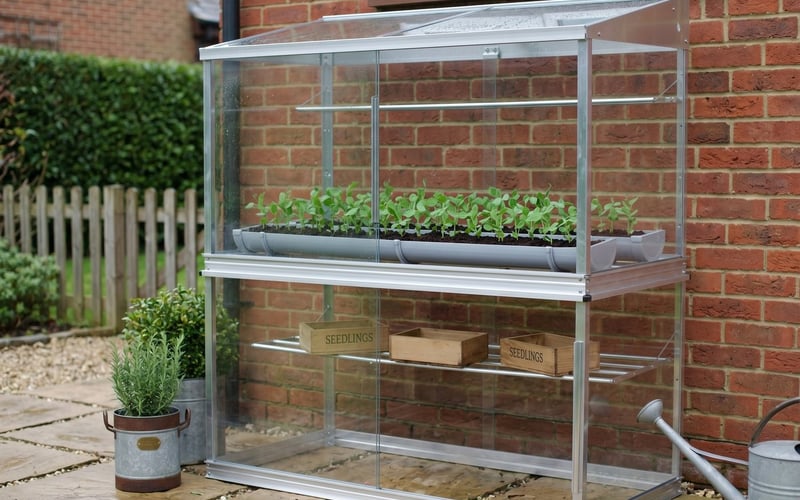
Shop the Access 2x4 Growhouse Mini Greenhouse →
Broad beans: the first sowing of the year
Broad beans open the season. They germinate at 5°C, which an unheated frame reaches in late January in most of England and Wales. Sow one seed per 75mm pot, 50mm deep. Aquadulce Claudia is the hardiest choice. The Sutton is the one for windy plots because it stops at 30cm tall.
Aquadulce Claudia is a reliable autumn or late-winter broad bean for unheated frames. The Sutton suits windy plots because its compact plants reach about 30cm.
Plant out in mid-March at 20cm spacings. Early plants flower before blackfly numbers build, which is half the battle won. Once the first pods set, pinch out the growing tips. If colonies do appear, our black bean aphid guide shows how to stop them before they spread.
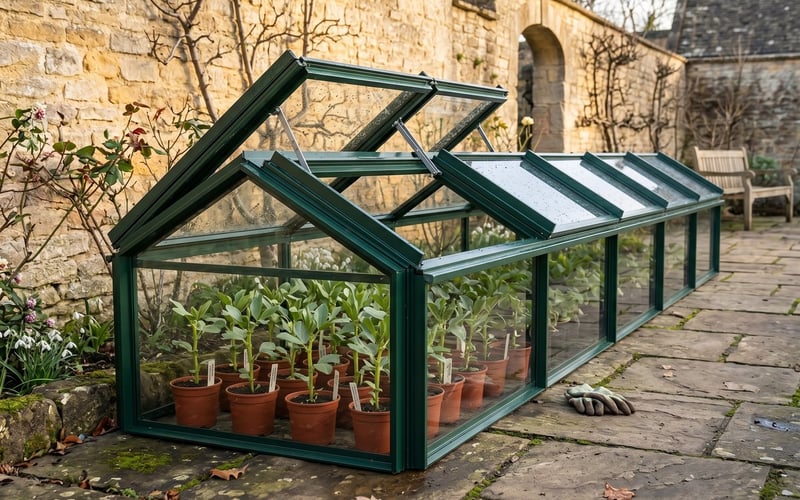
Shop the Elite Min E Lite 8x2 Cold Frame →
Spring onions: clump sowing made easy
Spring onions sown in clumps are far easier than the traditional thin drill. Sow 8-10 seeds per module cell in February or March. Plant each clump out whole in April, 25cm apart. The onions push apart as they grow, just like the beetroot clumps.
White Lisbon is the standard and still the best for early work. It stands well and tolerates frame conditions without sulking. Harvest the whole clump at once from late May, or twist out the thickest stems and leave the rest to fatten.
A single 40-cell tray gives around 350 spring onions across the season from one February sowing. That tray occupies a quarter of a small frame for eight weeks. No other crop in this guide gives more food per square metre of glass.
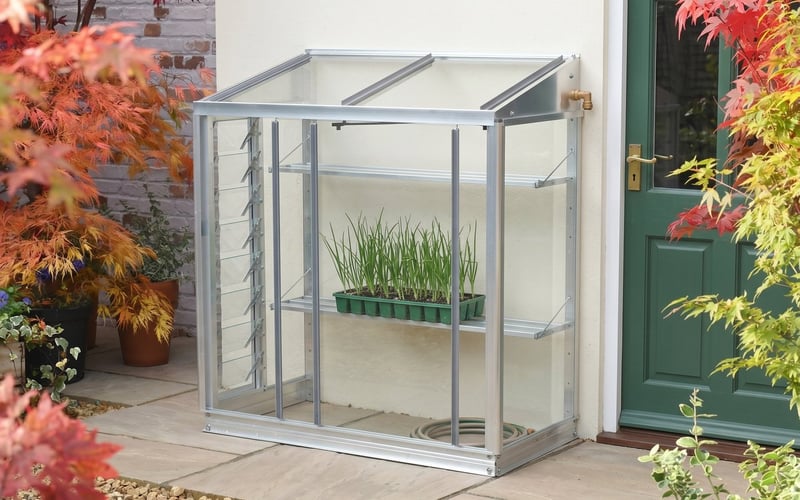
Shop the Access Harlow 2x3 Mini Lean To Greenhouse →
Hardening off and planting out
Plants raised under glass grow soft tissue. Put them straight into open ground and a cold night will check them for a fortnight, which wastes the head start you just earned. Harden everything off over 7-10 days.
The routine is simple. Open the frame lid or greenhouse door fully each morning and close it at dusk for the first five days. Then leave it open day and night for another four or five, unless frost is forecast. After that the plants are ready for open soil.
Keep a sheet of fleece handy for the first two weeks after planting out. A single cold snap in April can still pinch young growth. Slugs are the other hazard, since soft transplants are their favourite meal of the spring.
Matt's Installation Tip
Ventilation kills more early sowings than frost does. A closed frame on a sunny February day passes 25°C by noon, and the overnight condensation then breeds damping-off fungus in the trays. Prop the lid open 25mm on any morning above 10°C. On the Elite and Access frames we fit, the lid stays exactly where you set it, which is one reason we stopped fitting budget frames with friction-free hinges.
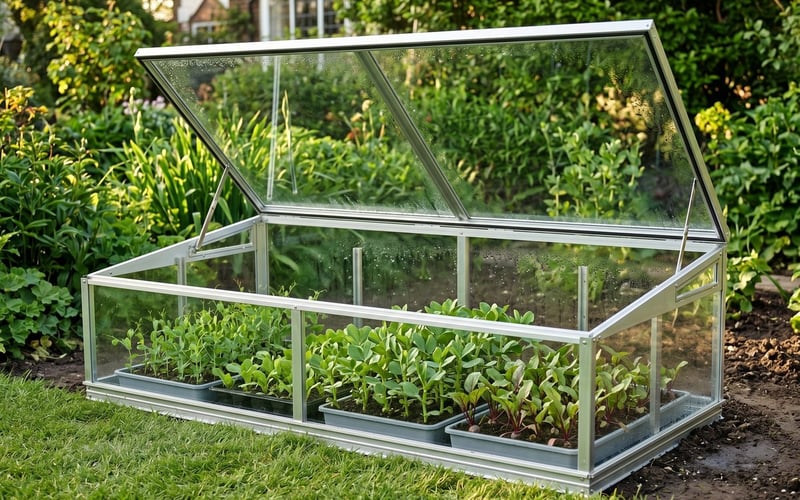
Shop the Access 6x4 Aluminium Coldframe →
Which kit do you need?
You do not need a heated propagator for any crop in this guide. All five are hardy, so unheated glass is enough. The question is how much space you want to protect and where it can go.
A cold frame is the cheapest entry point and fits where nothing else will. Browse the full range of cold frames to compare sizes. If you want standing height and shelving for trays, look at mini greenhouses instead. Our best mini greenhouses for small spaces round-up compares seven models from real installs.
Already own a full-size greenhouse? Use its border soil and staging for everything above, and see what to grow in an unheated greenhouse for the year-round plan.
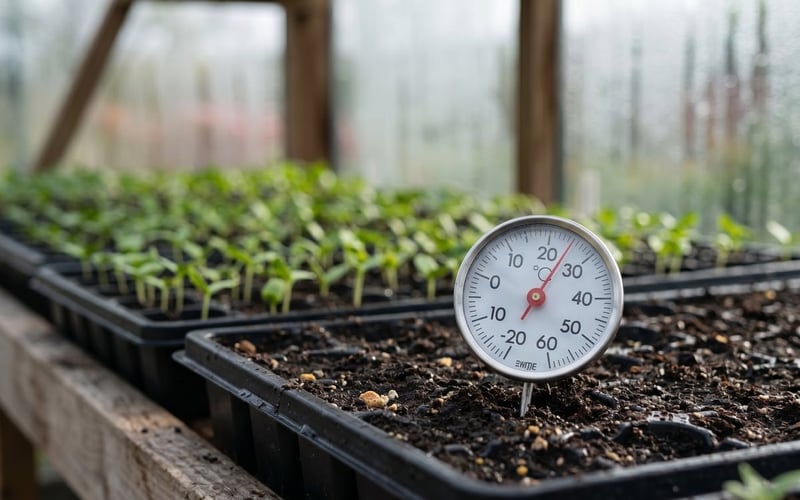
Shop the Vitavia Soil Thermometer →
| Option | Footprint | Best for | Price | Matt's verdict |
|---|---|---|---|---|
| Elite Min E Lite 4x2 cold frame | 1.2m x 0.6m | First early sowings against a wall | £249 | Matt's Pick: the frame we trial with ourselves |
| Access 4x4 aluminium coldframe | 1.2m x 1.2m | Module trays plus two carrot crates | £427 | Twice the floor area, same single-slab siting |
| Palram Plant Inn 4x4 raised frame | 1.2m x 1.2m, waist height | Container carrots without bending | £344 | The back-friendly option for patio growers |
| Access 2x4 Growhouse mini greenhouse | 1.2m x 0.6m, 1.5m tall | Guttering, trays and shelving together | £554 | Most growing space per square metre of patio |
| Access Harlow 2x3 mini lean-to | 0.9m x 0.6m | Spring onion and salad modules by the back door | £355 | Fits gaps nothing else will |
"We recommend the Elite and Access frames because they survive the way people actually use them. Lids get dropped, slugs get scraped off sills, and frames get dragged along patios. The 4mm toughened glass and one-piece aluminium sills on these ranges take that abuse. Out of 38 frames we fitted last season, we have had zero glazing breakages reported back."
— Matt W, Greenhouse Stores
Sown under glass in February, all five crops here will beat any supermarket equivalent for flavour by the end of May. Pick one crop and one frame this winter, prove the head start to yourself, and add the others next year. You can compare every frame, growhouse and accessory mentioned above at Greenhouse Stores, with free UK delivery on all of them.
Frequently asked questions
When can I start sowing vegetables under glass in the UK?
Broad beans start in late January, with most other hardy crops following in February. The trigger is soil temperature rather than the calendar. Wait until compost in the frame holds 5°C for broad beans and peas, or 7°C for beetroot, carrots and spring onions, for three consecutive mornings.
Do I need a heated propagator for early vegetables?
No, all five crops in this guide germinate in unheated frames. Heated propagators earn their keep for tender crops like tomatoes, chillies and aubergines. Hardy vegetables only need the 4-5°C lift that unheated glass provides over open ground.
How much earlier will crops be ready under glass?
Expect first harvests four to six weeks ahead of outdoor sowings. Carrots gain the most at five to six weeks, because container sowings stay under glass for their whole life. Peas gain the least at three to four weeks, since they finish growing outside.
Can I sow carrots in modules and transplant them?
No, transplanting damages the taproot and produces forked carrots. Sow carrot seed direct into containers at least 300mm deep and let them grow on under glass. Every other crop in this guide transplants happily.
What is the best first crop for a new cold frame?
Broad beans are the most forgiving first crop for beginners. The seeds are large, germinate at just 5°C, and seedlings shrug off frost. A January sowing also frees the frame again by mid-March, ready for your beetroot and spring onion modules.
Do early sowings under glass need ventilation?
Yes, open the lid or vents whenever daytime temperatures pass 10°C. Sealed frames overheat quickly in February sunshine and the condensation encourages damping-off disease. Prop the lid open 25mm by day and close it before dusk.