How to Grow Peppers in your Greenhouse
Peppers usually crop more reliably under glass in the UK because they need a long, warm growing season. Sow indoors in late winter or early spring, give seedlings good light and move them into the greenhouse when nights are warm enough. Keep compost evenly moist, support fruiting branches and feed as directed. Sweet peppers can be picked green or left to develop their final colour.
Key Takeaways
- Check overnight temperatures before moving young plants into an unheated greenhouse.
- Choose an early sweet-pepper variety if your season is short.
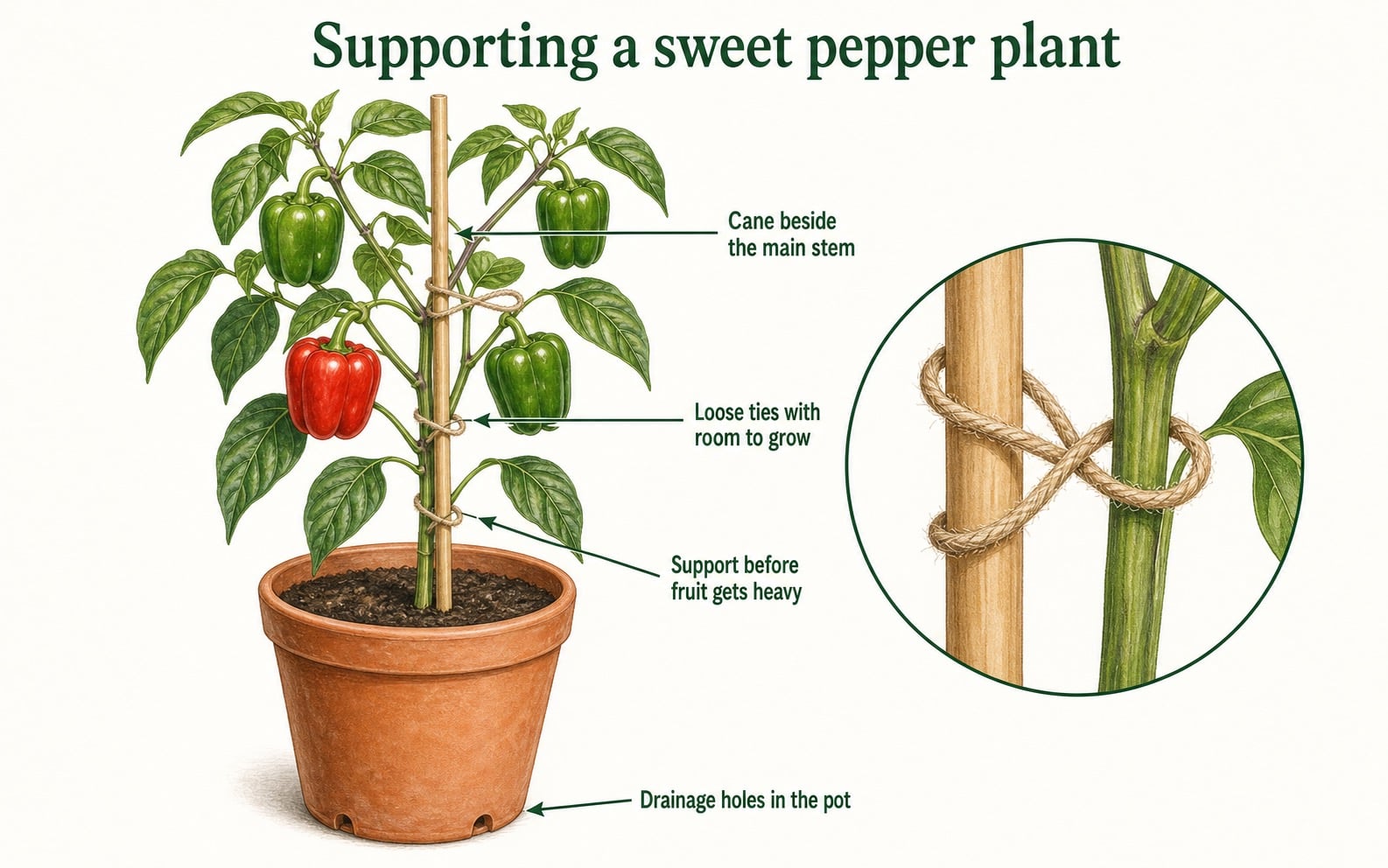
- Use a cane and loose ties before the fruit becomes heavy.
- Keep watering steady; deliberately stressing plants is not a reliable ripening method.
- Inspect new growth and leaf undersides for pests.
Expert Tip
A small healthy plant moved out at the right time often makes a better start than an early seedling that has struggled in cold compost. Look at the forecast and your overnight thermometer reading before giving it a permanent greenhouse space.
Why grow peppers in a greenhouse in the UK?
A greenhouse gives peppers warmth and shelter from wind and rain. Outdoor growing can work in warm, sheltered locations with suitable varieties, so glass is not essential everywhere. It is a useful advantage when summers are short or unreliable.
Leave enough room for the mature plants, not just the young pots. Peppers can become bushy and need access for watering and picking. Avoid putting them behind tall tomatoes where most of the light is blocked.
Our tomato-growing guide helps when planning a mixed greenhouse. Give both crops enough root space and keep air moving between them.
Which pepper varieties should you choose?
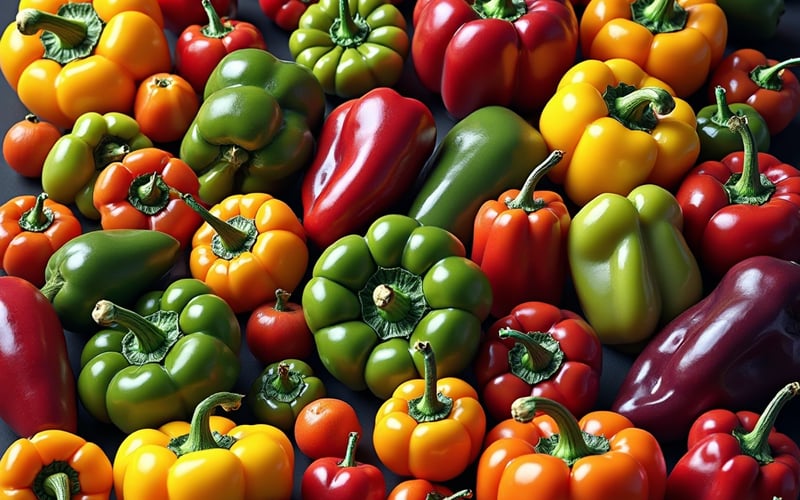
Start with the peppers you enjoy eating and the season available. Small-fruited and early varieties can be a practical choice when you want ripe coloured fruit before autumn cools the greenhouse.
| Type | Examples | Useful distinction |
|---|---|---|
| Sweet bell peppers | Bell Boy, California Wonder | Blocky fruits for salads, roasting and stuffing |
| Early sweet peppers | Gypsy F1 | Worth considering for a shorter season |
| Hot peppers | Jalapeño, Hungarian Hot Wax | Different heat levels and uses; check the seed description |
| Small frying peppers | Padrón | Usually picked young; individual fruits can be hot |
Check the seed supplier's current guidance for the particular variety. Quoted days to harvest depend on the starting point and conditions; they are not a fixed UK harvest date.
When should you sow pepper seeds?
For sweet peppers grown under glass, mid-February to early March is a common indoor sowing window. Use a warm propagator or another suitable warm place, following the seed packet for depth and temperature.
Sow into fresh seed compost, water gently and label the variety. As soon as seedlings appear, provide good light. Avoid leaving them on a cold windowsill at night or in a closed propagator after they have outgrown it.
Pot seedlings on when they have developed true leaves and need more space. Handle them carefully by a leaf rather than squeezing the stem. Our seed-starting guide explains the method.
When can peppers move into an unheated greenhouse?
Wait until nights are reliably warm enough and the plants have adjusted to the new conditions. Late May or early June is often a useful starting point, but the weather matters more than the calendar.
Aim for night temperatures of at least 12°C for sweet peppers, with growth better above 15°C. Check actual greenhouse lows before moving plants permanently.
Use a suitably large pot with drainage holes or follow the growbag's planting guidance. Avoid crowding. Water after planting and keep the rootball at a similar depth to its previous pot.
How should you support pepper plants?
Use a cane and soft ties before developing fruit weighs down the branches. Insert the support carefully to avoid damaging the rootball. Leave room in each tie for the stem to thicken and check it during the season.
Peppers do not need the same routine side-shoot removal as cordon tomatoes. Some growing methods use pinching to encourage branching, but it is not a compulsory step for every variety. In a short season, unnecessary pruning can delay the crop.
Matt's Tip: Keep the leaves around the fruit
Do not strip healthy leaves simply to expose every pepper to sun. The foliage helps shade developing fruit. Remove damaged or diseased material as needed, and open up crowded spacing before reaching for the secateurs.
How often should you water and feed?
Check the compost regularly and water when needed to keep it evenly moist. The amount changes with pot size, plant size and weather. A fixed instruction to water every day can leave small plants soaked during cool spells.
Water the compost rather than routinely wetting foliage. Let excess water drain away. Once flowering or fruiting begins, use a suitable liquid feed at its labelled strength and interval. Account for any feed already in the compost.
Our watering guide covers practical irrigation choices. A tested system can help during holidays, but it still needs checks.
How do you prevent overheating?
Open vents before the greenhouse becomes excessively hot. Check the maximum temperature and add suitable shading when necessary. Peppers enjoy warmth, but overheating can affect flowers and fruit.
Our ventilation guide explains the options. You do not automatically need to heat a greenhouse all autumn; weigh the likely remaining harvest against running costs. The Eden 2KW Greenhouse Heater is one heating option at £140, for a suitable electrical setup.
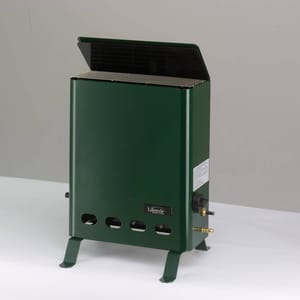
Shop the Eden 2KW Greenhouse Heater
What causes common pepper problems?
- Aphids: inspect soft growth and leaf undersides. Remove small colonies by hand or use a suitable biological control. Do not use homemade washing-up-liquid sprays.
- Spider mites: look for fine speckling and webbing. Confirm the pest, then ask a biological-control supplier about suitable predators and conditions.
- Blossom end rot: a dark sunken patch can follow disrupted water uptake. Review watering and root conditions before adding supplements.
- Sunscald: pale papery patches can appear on exposed fruit. Keep protective foliage and review shading.
Use only a treatment approved for the crop and purpose, following its label. Our greenhouse pest guide helps with identification before treatment.
When are greenhouse peppers ready to harvest?
Pick sweet peppers when full-sized and green, or leave them to develop the variety's final colour. Coloured fruit takes longer, and ripening slows as light and warmth decline in autumn.
Cut the stalk with clean secateurs while supporting the fruit. Picking some green frees the plant from carrying every pepper to full ripeness. Keep watering steady; neither drying the plant out nor putting a banana beside it is dependable advice.
Before cold weather arrives, harvest usable fruit. Browse growing accessories only for the support, monitoring or watering job you still need to solve.
Frequently asked questions
When should I sow greenhouse pepper seeds?
Sow sweet peppers indoors from mid-February to early March. Use the seed packet’s temperature and depth guidance, then give emerging seedlings good light.
When can peppers go into an unheated greenhouse?
Move them when nights are reliably warm enough for the crop. Late May or early June is often suitable. Check actual overnight lows and acclimatise plants gradually.
Should I pinch out pepper plants?
It is optional and depends on the variety and growing method. Peppers do not need routine cordon-tomato pruning. Unnecessary pinching can delay cropping in a short season.
How do I make green peppers turn red?
Give the plant suitable warmth, light and steady watering. Only varieties that ripen red will do so. Coloured fruit takes longer, particularly as autumn light declines.
Can I grow peppers and tomatoes together?
Yes, if both have enough light, root space and ventilation. Keep shorter pepper plants from being shaded by tall tomatoes, and support fruiting branches.
Why do pepper fruits have a dark patch underneath?
Blossom end rot is one possible cause. Check watering and root conditions, and distinguish it from sunscald or other damage before treating.
Related articles
- greenhouse pest control guide
- Growing Chillies in a Greenhouse
- Growing Tomatoes in a Greenhouse
- How to Grow Seeds in a Greenhouse
- What to Grow in a Greenhouse Beginners Guide