How to grow ginger in a greenhouse: UK pot guide
By Matt W. Originally published: . Last updated: .
You can grow edible ginger in a UK greenhouse by starting rhizomes somewhere warm and protecting plants from cold nights. Use a wide container, free-draining compost and bright, filtered light. Aim for 25-28°C when sprouting. Mature ginger can take 8-10 months, but younger rhizomes are also useful. A movable pot makes it easier to continue growing indoors when autumn temperatures fall.
Key takeaways
- Grow culinary ginger, Zingiber officinale, from firm rhizomes with visible buds.
- Start indoors or with controlled warmth before moving plants into a suitable greenhouse.
- Water according to the compost and plant growth, rather than a fixed weekly timetable.
- Harvest young ginger for tender flesh, or give plants longer for larger rhizomes.
- An unheated greenhouse needs a plan for cool nights and the end of summer.
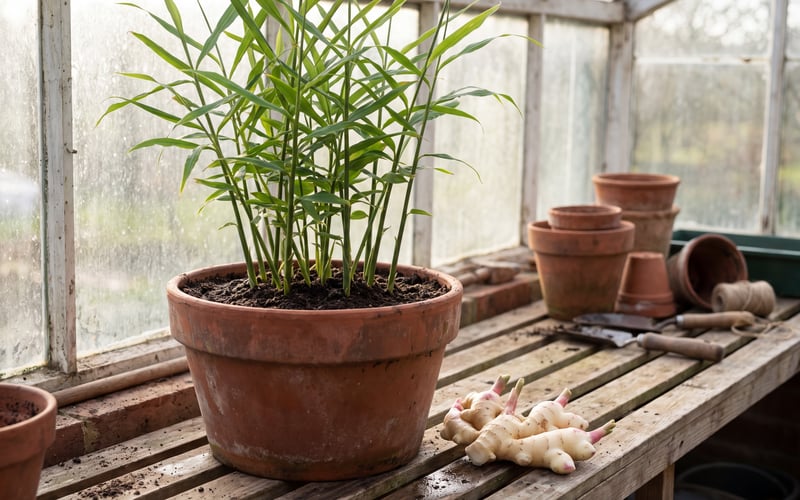
Illustration of container-grown culinary ginger and young rhizomes, created with AI.
Expert Tip: start with one movable pot
A single container lets you find a suitable position before committing more space. Check overnight temperatures where the pot sits. A warm afternoon reading can hide a chilly night.
Can you grow ginger in an unheated greenhouse?
An unheated greenhouse can provide summer growing space, but warmth is the deciding factor. Glass alone cannot guarantee suitable overnight temperatures.
Start ginger in a warm indoor spot or controlled propagator. Aim to keep growing plants above 15°C, with warmer conditions around 20-25°C supporting active growth. Bring the pot indoors again as nights cool, or harvest the young rhizomes before conditions deteriorate.
A heated greenhouse offers more control for a longer season. However, heating a whole greenhouse just for one pot may cost more than the crop is worth. Choose the approach that fits the space and warmth you already have.
Our guide to greenhouse heating explains ways to manage warmth. Keep a minimum-maximum thermometer near the plants and check it regularly.
When should you plant ginger in the UK?
Late winter or early spring gives ginger a useful head start when you can provide warmth and adequate light. February or March is a practical starting point indoors. There is no need to force a January start in a cold greenhouse.
Use the calendar below as a plan, then adjust it to your greenhouse and local weather.
| Stage | Practical UK plan | Check before moving on |
|---|---|---|
| Late winter to spring | Start rhizomes in warm compost indoors | Firm rhizomes, healthy buds and controlled warmth |
| Late spring | Move growing plants under glass when suitable | Overnight readings, not just daytime sunshine |
| Summer | Water, feed and give spreading rhizomes room | Drainage, leaf condition and ventilation |
| Autumn | Harvest young ginger or continue somewhere warm | Forecast temperatures and the plant's growth |
| Winter | Keep retained plants indoors or in suitable heated space | Reduce watering if growth slows or foliage dies back |
How to plant ginger rhizomes in pots
Choose plump, firm rhizomes with small, raised growth buds. Avoid soft, mouldy or badly shrivelled pieces. Rhizomes sold for planting are a useful starting point; fresh supermarket ginger can also sprout.
Organic labelling does not guarantee that a piece will grow. You also do not need to rely on soaking to remove supposed sprout inhibitors.
- Choose a wide pot with drainage holes. A container around 300mm across is a useful starting size.
- Fill it with good-quality, free-draining potting compost. Add a little perlite if the mix stays too wet.
- Plant a whole small rhizome, or divide a larger one into sections with at least two healthy buds.
- Let cut surfaces dry and callus for a few days before planting.
- Lay the rhizome horizontally, buds upwards, with roughly 25mm of compost above it.
- Moisten the compost gently and keep it warm. The RHS recommends 25-28°C for propagation.
Sprouting can take several weeks. Keep checking moisture without repeatedly lifting the rhizome. Once shoots appear, provide bright light and space for the leaves.

What light, water and feed does ginger need?
Bright, filtered light suits greenhouse ginger. Protect foliage from harsh summer sunshine, but avoid putting the pot beneath a dark staging shelf. Adjust shading as the season changes.
Our greenhouse shading guide explains practical ways to soften strong sunlight. Keep ventilation working too; closing every vent to trap warmth can cause overheating.
Keep compost moist while plants are actively growing, allowing excess water to drain. Feel the surface and lift the pot before watering. Small plants in cool conditions use much less water than leafy plants on a warm day.
Feed established plants with a suitable liquid fertiliser, following its label. Take account of any feed already included in the compost. Increase pot space if rhizomes crowd the container, and avoid leaving roots standing in a full saucer.
Ginger does not require ericaceous compost or an exact 50% humidity reading. Focus on suitable warmth, drainage and healthy growth.
Useful greenhouse equipment for ginger
A thermometer is the first useful purchase if you do not know your overnight temperatures. Look through our equipment for managing your greenhouse for options suited to your setup.
If you need additional heat, choose equipment for the greenhouse size and required temperature. The Eden 2KW is a propane greenhouse heater, rather than an electric model. Follow its ventilation and installation instructions. Its output alone cannot promise tropical temperatures in every greenhouse.
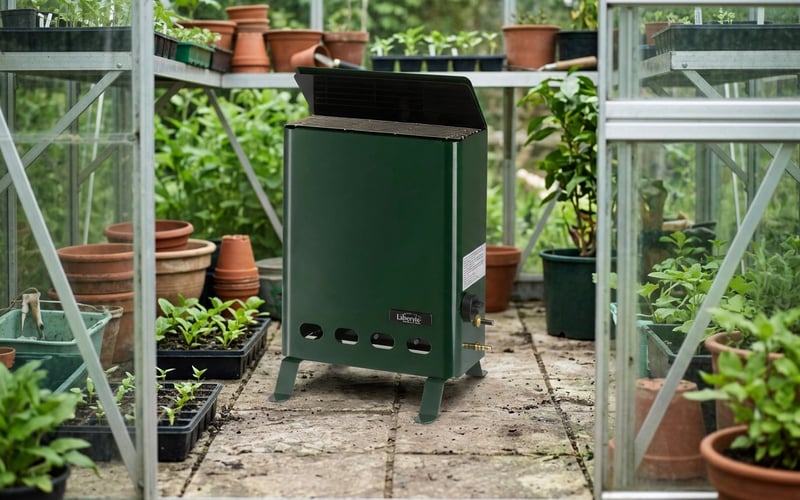
View and buy the Eden 2KW Greenhouse Heater
£140
Why is my ginger not growing?
Check warmth and rhizome condition before adding more water or fertiliser. A dormant piece can sit quietly for weeks; a soft, decaying piece needs different attention.
| What you see | What to check | What to do |
|---|---|---|
| No shoots | Cold compost or a shrivelled starting piece | Provide steady warmth; keep sound rhizomes lightly moist |
| Soft rhizome or sour compost | Waterlogged mix and blocked drainage | Remove rotten material and restart with healthy stock if needed |
| Brown leaf edges | Strong sun, drying compost or accumulated fertiliser | Review position, watering and feeding together |
| Fine stippling or webbing | Undersides of leaves for red spider mite | Identify the pest promptly and choose a suitable control |
| Yellowing leaves | Season, temperature and root condition | Distinguish autumn dieback from stress before changing care |
Inspect new plants before bringing them into the greenhouse. Our greenhouse pest guide helps with identification. Raising humidity alone should not replace checking an infestation.
When and how should you harvest ginger?
Young ginger is worth harvesting even when it has not formed the brown skin familiar from shop-bought rhizomes. It has tender flesh and a delicate skin. A shorter UK season can still produce a useful kitchen crop.
Mature rhizomes commonly need around 8-10 months in suitable conditions. Growth varies with warmth, starting material and growing space, so avoid planning around a guaranteed weight.
For a small taste, carefully uncover an outer rhizome and cut off a usable section. For the whole crop, tip out the pot and gently separate the rhizomes from the compost.
Autumn leaf dieback can signal the end of growth, but yellow leaves alone do not prove maturity. Check for cold or wet compost too. Do not wait for a particular October date if the plant needs protection sooner.

Use tender young ginger promptly. Refrigerate what you will use soon, or freeze small portions for cooking. Discard pieces showing mould or decay.
Can you keep ginger for another year?
You can retain healthy rhizomes or keep the plant in a suitable warm indoor position. Choose firm material with healthy buds and check it during storage.
If foliage dies back, reduce watering substantially. Dormant rhizomes do not need the same moisture as a leafy summer plant. Avoid cold, wet compost, and restart watering gradually when growth resumes.
Other greenhouse crops can share the space when their individual needs are met. There is no need for a blanket ban on growing tomatoes or onions nearby. Keep ginger in its own container so you can manage watering and position separately.
Frequently asked questions
Can you grow ginger from supermarket ginger?
Yes, fresh supermarket ginger can sprout if the rhizome has healthy growth buds. Choose firm pieces and avoid mould or shrivelling. Planting stock offers another starting option.
Does ginger need a heated greenhouse?
Ginger needs warmth, but you can start and finish the season indoors. An unheated greenhouse may provide summer space. Check overnight temperatures before moving the pot.
How long does ginger take to grow?
Mature ginger often takes 8-10 months in suitable growing conditions. Young ginger can be harvested earlier, with smaller rhizomes and tender skin. Cool conditions slow growth.
What size pot should I use for ginger?
Start with a wide container around 300mm across, with drainage holes. Leave room for rhizomes to spread and move into a larger pot if crowded.
Does ginger need full sun?
Bright, filtered light is a good choice under glass. Shade harsh summer sun while avoiding a dark corner. Check the leaves as conditions change.
How often should I water ginger?
Water when the compost needs moisture, allowing excess water to drain. Actively growing plants need more than dormant rhizomes. Avoid a fixed schedule throughout the year.
How much ginger will one plant produce?
The harvest varies with growing time, warmth, rhizome size and container space. Treat your first pot as a small kitchen crop rather than expecting a guaranteed weight.