When to Plant Tomatoes in a Greenhouse: Heated vs Unheated
Sow greenhouse tomatoes from late February in a heated greenhouse or propagator, and from mid March in an unheated one. Plant them out once the border soil holds 12C and the frost risk has passed: late March to mid April with heat, late April to mid May without it. A heater buys roughly four to six weeks and earlier fruit. From our work with Greenhouse Stores customers since 2012, this is the timing we give every customer.
Key Takeaways
- Sow late Feb to mid March with heat, mid March to early April without. Seed needs 18 to 21C to germinate in 7 to 14 days.
- Heated plant-out: late March to mid April. Keep the night minimum above 10C and the plants crop weeks earlier.
- Unheated plant-out: late April to mid May. Wait until your local last frost has passed and border soil reaches 12C.
- Two gates decide the date: last frost and soil temperature. Below 10C in the soil, roots stall and plants sulk.
- Add 2 to 3 weeks to every date in the north and Scotland. Southern timings do not work in Aberdeen.
- A frost-free heater is the difference between an April plant-out and a mid-May one. It pays for itself in earlier fruit.
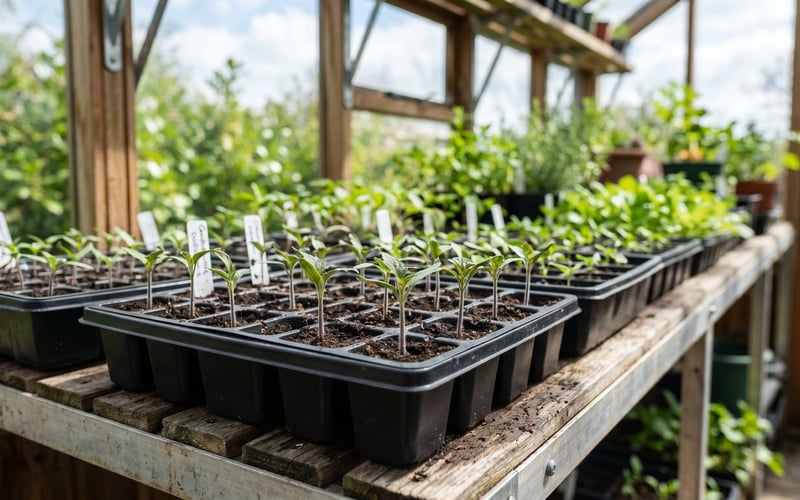
Browse our greenhouse heaters →
Expert Tip
I have set up greenhouses for tomato growers across the UK for many years. Every April my phone fills with the same problem: plants put out too soon, then knocked flat by a late frost or stalled in cold soil. One year I measured a customer's unheated border at 9C on 18 April in West Yorkshire. A heated Vitavia I had fitted 40 miles south sat at 14C the same morning. The southern grower was picking tomatoes by late June. The northern one replanted in May. The lesson is simple. Plant tomatoes by the soil, not the date on the seed packet.
What decides when you plant tomatoes in a greenhouse?
Two things set the date, and neither is the calendar. The first is your last local frost. The second is the temperature of the soil or compost the roots go into. A tomato is a warm-country plant. It will not grow below 10C and a single frost kills it outright.
A heated greenhouse changes both factors. Hold the night minimum above 10C and you can plant out while it is still frosty outside. That is the whole case for a heater. An unheated greenhouse tracks the weather, so you wait longer and plant out once spring has settled.
This is why one greenhouse crops in June and the one next door waits until August. The grower with heat controls the start date. The grower without it follows the season. Both can grow superb tomatoes. They just begin at different times.
When to sow tomato seeds for a greenhouse in the UK
Sow seed about six to eight weeks before you plan to plant out. Work back from your plant-out date and the sowing window falls into place.
In a heated greenhouse or on a warm windowsill, sow from late February to mid March. With a propagator holding 18 to 21C, seed germinates in 7 to 14 days. For an unheated greenhouse, sow mid March to early April so the young plants are not stuck indoors for weeks waiting on the weather.
Do not sow too early. Tomatoes raced ahead in February with no heat to plant into become leggy, pale and pot-bound by May. We see more crops set back by early sowing than by late sowing. If you are not sure of the right warmth, our reference on seed germination temperatures gives the figure for every common crop.
Matt's Tip: Work back from the frost, not forward from January
Find your average last frost date first. Most UK gardens clear frost between late April and mid May, later in the north. Count back six weeks and that is your sow date. This one habit fixes most tomato timing problems before they start.
The UK tomato timing calendar: heated vs unheated
Here is the full run from seed to first ripe fruit, split by whether your greenhouse has heat. Northern growers should add two to three weeks to every row.
| Stage | Heated greenhouse / propagator | Unheated greenhouse |
|---|---|---|
| Sow seed | Late Feb to mid March | Mid March to early April |
| Germinate (18 to 21C) | 7 to 14 days indoors or in a propagator | 7 to 14 days, needs a warm spot indoors |
| Prick out into 9cm pots | About 3 weeks after sowing | About 3 weeks after sowing |
| Harden off | Not needed if staying in a heated house | 7 to 10 days before plant-out |
| Plant out (border or grow bag) | Late March to mid April, night min above 10C | Late April to mid May, after last frost, soil 12C |
| First flowers set | Mid to late May | June |
| First ripe fruit | Late June to July | July to August |
The gap between the two columns is the head start a heater buys: roughly four to six weeks of earlier cropping. For a full month-by-month plan without any heat, our guide to growing in an unheated greenhouse sets out the wider season.
When to plant tomatoes into a heated greenhouse
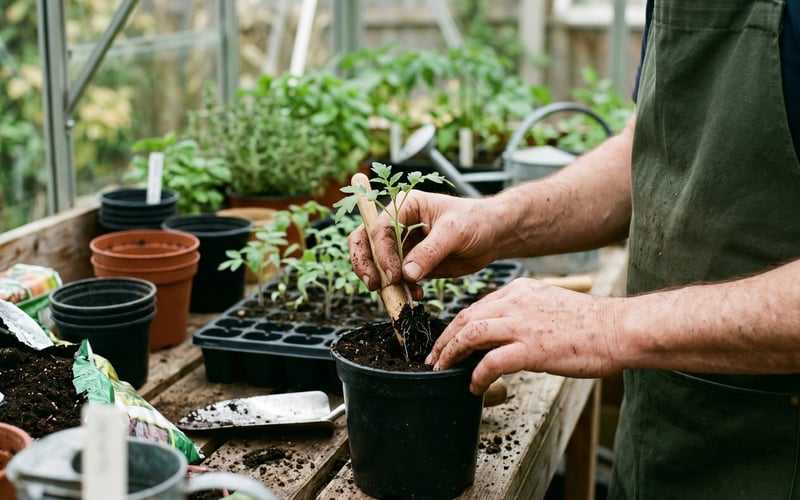
Plant out from late March to mid April once your heater holds the night minimum above 10C. The plants should be 15 to 20cm tall with the first flower truss showing. At that stage the roots are ready to run and the plant climbs away quickly.
You do not need tropical heat. A frost-free setting of 7C protects the plants. A growing setting of 10C keeps them moving through cold nights so they fruit earlier. A thermostatic heater does this for you and only burns power when the temperature drops. For the running figures, our breakdown of greenhouse heating costs shows what each setting adds to a bill.
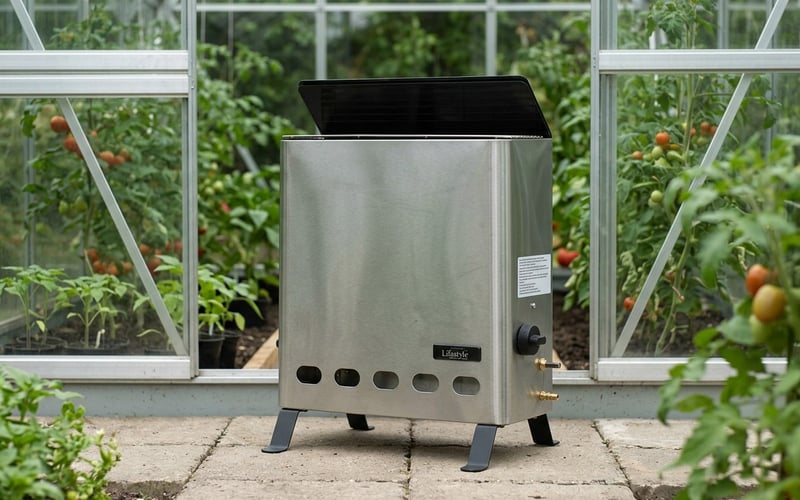
Shop the Eden Pro 4.2kW Heater →
|
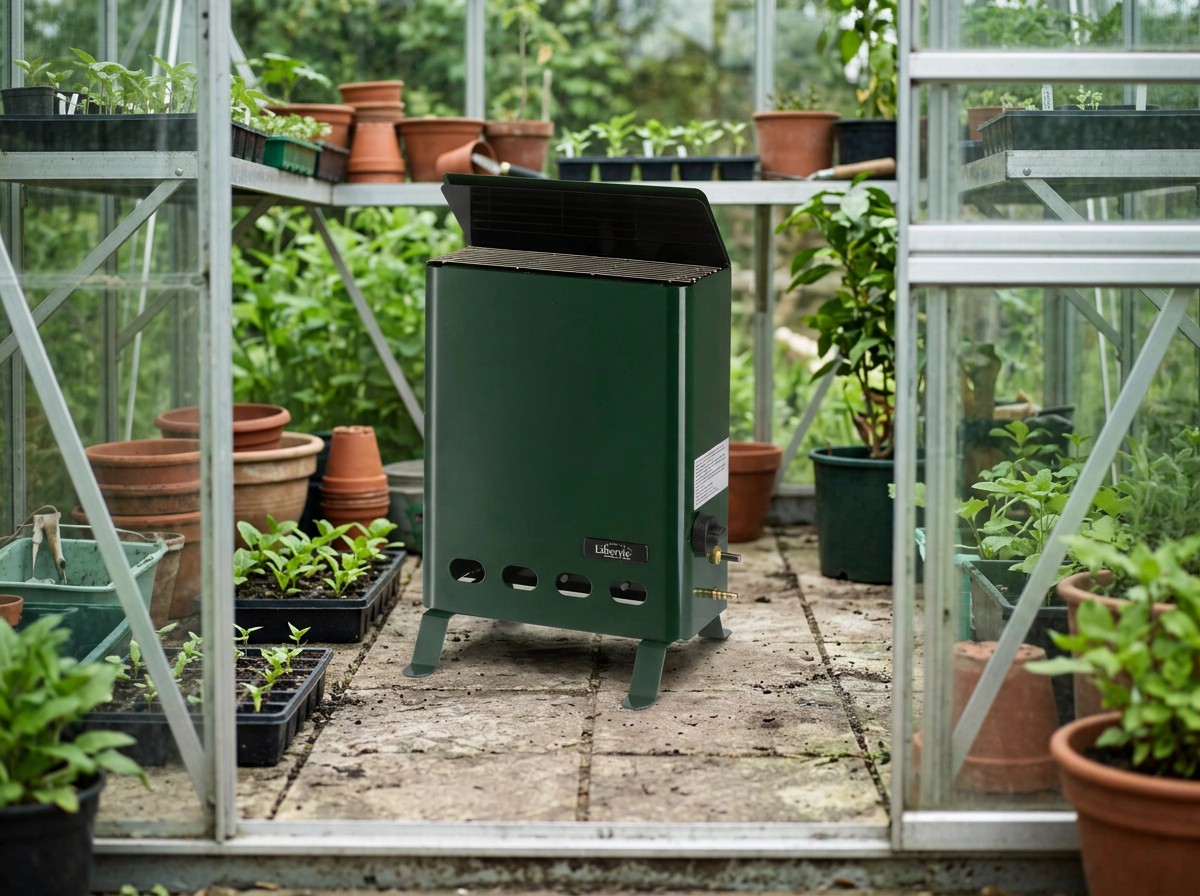
Matt's Pick for an Early Tomato CropBest For: keeping a small to mid-size greenhouse frost-free for an early plant-out Why I Recommend It: I fit this 2KW heater for growers who want fruit in June without a big bill. Its thermostat holds the house at 7 to 10C and it only kicks in on cold nights, so it brings the plant-out date forward by weeks. Price: £140 |
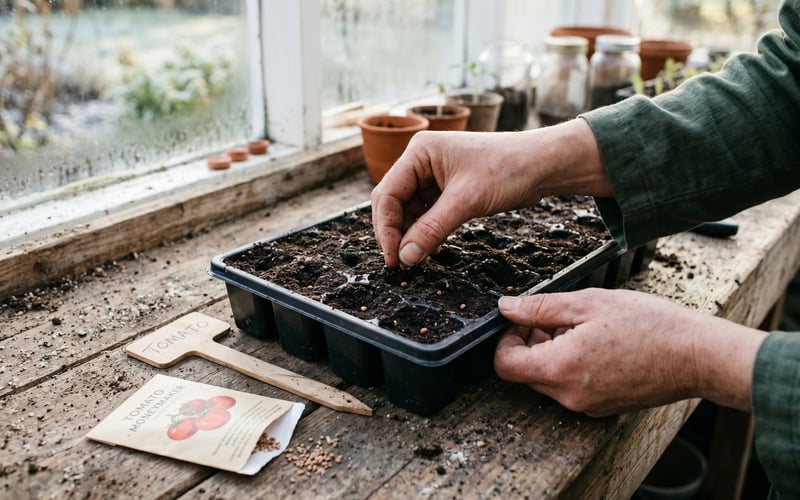
See all electric greenhouse heaters →
When to plant tomatoes into an unheated greenhouse
Plant out from late April in the south to mid May further north, once two conditions are met. Your local frost risk must be over, and the border soil must hold 12C. Until then, cold nights stall the roots and the plant sits and sulks.
An unheated greenhouse still beats outdoors by a clear margin. The glass lifts the daytime warmth and shelters the plant from wind and rain. That is worth two to three weeks over a plant in an open bed. For the detailed dates by region, see our guide on when to plant tomatoes in an unheated greenhouse.
If a late cold snap is forecast after planting, throw fleece over the plants at night. We have saved many an unheated crop with a couple of quid of fleece and a forecast app.
Matt's Installation Tip
Fit a min-max thermometer and a soil thermometer before you plant a single tomato. The air can read 20C at noon and still drop to 4C by dawn. We have seen growers plant out on a warm afternoon, then lose the lot to a 2C night three days later. The thermometer costs little and removes the guesswork. Push the soil probe into the border, not the air, because the roots feel the soil temperature, not the headline figure.
The two gates: last frost and soil temperature
Every plant-out date comes down to these two checks. Pass both and your tomatoes settle in fast. Fail either and they struggle.
Last frost. A single frost destroys an unprotected tomato. UK last-frost dates run from late April on the south coast to late May in the Scottish Highlands. Know your own and treat it as a hard line for an unheated house.
Soil temperature. Tomato roots want soil at 12C or warmer, ideally 14C. Below 10C the plant cannot take up nutrients and the leaves turn purple. Warm a border early by closing the greenhouse and laying black polythene over the soil for a fortnight before planting.
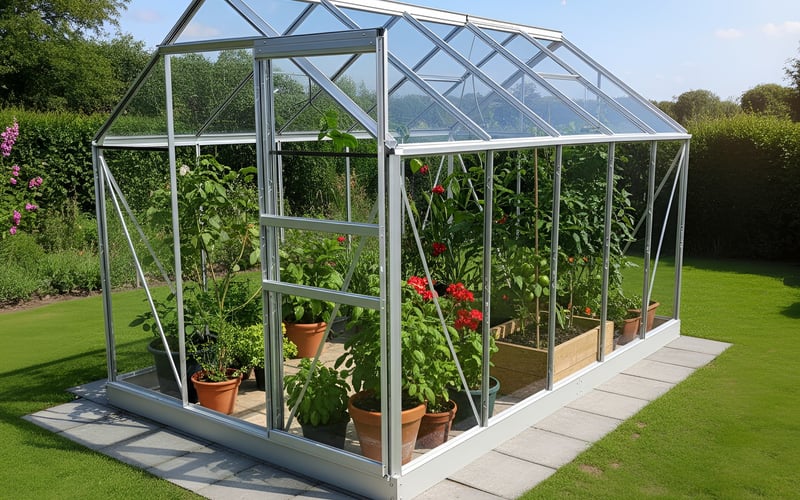
Does a heated head start pay off?
For most growers, yes. A frost-free greenhouse moves the whole timeline forward by four to six weeks. You sow in February, plant out in late March, and pick ripe fruit in June while the unheated crop is still in flower.
The cost is modest with a thermostatic heater set to frost-free. You are not heating the house all winter, only knocking the chill off cold spring nights. The payback is a longer cropping season and far less risk from a late frost. We sell several heaters sized for the job.
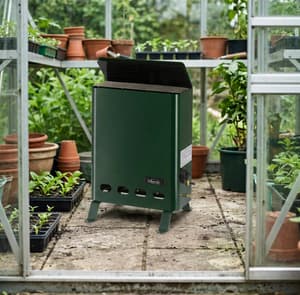
Browse our current greenhouse heaters. Check fuel type, ventilation, clearances and output against your greenhouse and plants before choosing.
Compare gas greenhouse heaters →
Greenhouse heaters for an early head start
How to harden off tomatoes before planting out
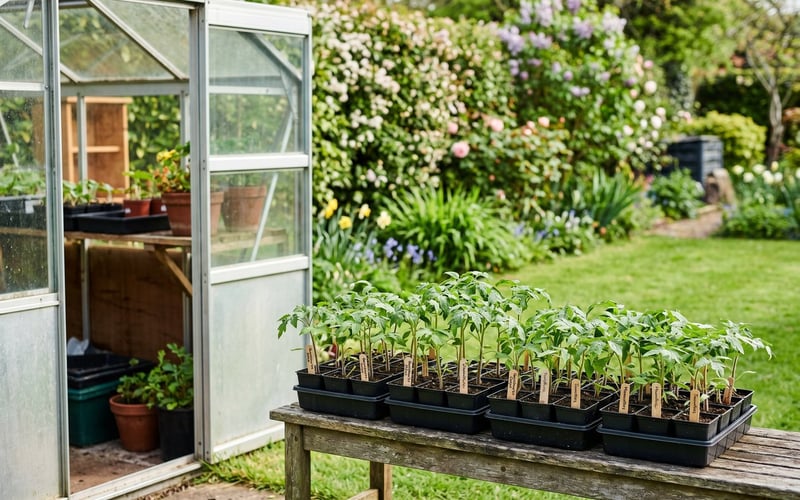
Tomatoes raised indoors or in a heated house need toughening up first. Move them out by day to a sheltered, shaded spot and bring them in at night for seven to ten days. This builds a thicker leaf and stops the shock of a sudden move.
Skip this step and the leaves can scorch or the plant stalls for a fortnight. The full method, with timings, is in our guide to hardening off seedlings. If you are planting straight into a heated greenhouse and the plants never leave it, you can skip hardening off.
Shop tomato supports and ties →
Heated vs unheated: which heater suits your greenhouse?
If you decide to heat, match the heater to the size of your house and how early you want to crop. These are the models we fit most for tomato growers.
| Heater | Best for | Price | Matt's verdict |
|---|---|---|---|
| Eden 2KW Greenhouse Heater | Small to mid-size houses, frost-free to early crop | £140 | My pick. Thermostat, low running cost, all the heat most growers need. |
| Eden Pro 4.2kW Greenhouse Heater | Larger houses or a warmer growing setting | £199 | Step up for an 8ft-plus house wanting the earliest fruit. |
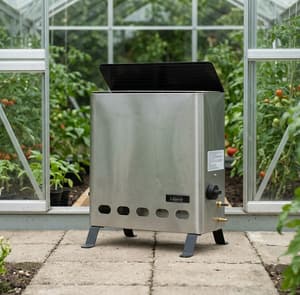
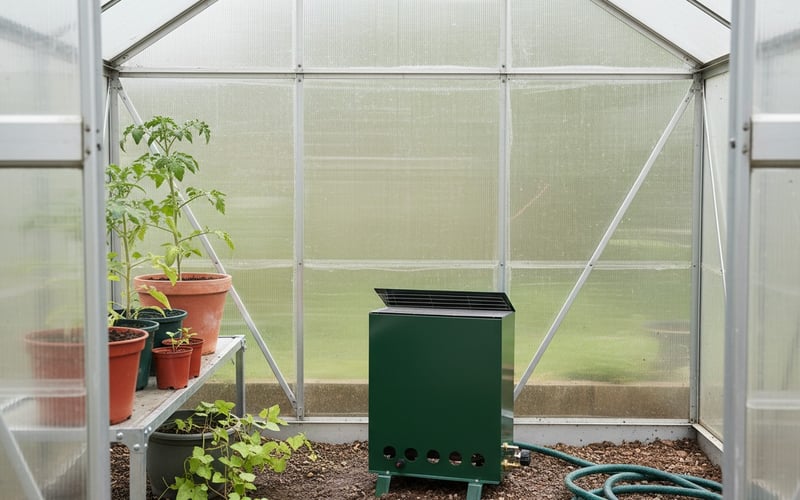
| Elite Gas Blue Flame 1.9KW | Houses with no power supply | £249 | The answer when there is no socket. Needs a vent open for moisture. |
Shop the Elite Gas Blue Flame Heater →
Once the plants are in, the rest of the season is about training and feeding. Our guides to growing tomatoes in a greenhouse and pinching out tomatoes take you through cordon training step by step. If anything goes wrong, our guide to greenhouse tomato problems names the cause behind each symptom.
"From our work with Greenhouse Stores customers since 2012, the growers with the earliest, heaviest tomato crops all do one thing: they hold the house frost-free and plant out by soil temperature, not by the date. A simple thermostatic heater turns a July crop into a June one, and that is why we recommend one to anyone serious about tomatoes."
- Matt W, Greenhouse Stores
Frequently asked questions
When should I plant tomatoes in an unheated greenhouse in the UK?
Plant out from late April to mid May, after your last frost. Wait until the border soil holds 12C and night frosts have finished. In the south this is usually late April. Further north, hold on until mid May to be safe.
How much earlier can I plant tomatoes in a heated greenhouse?
About four to six weeks earlier than an unheated house. A heater holding the night minimum above 10C lets you plant from late March to mid April. That brings your first ripe fruit forward to late June or early July.
When should I sow tomato seeds for a greenhouse?
Sow late February to mid March with heat, or mid March to early April without. Aim to sow six to eight weeks before your plant-out date. Seed needs 18 to 21C to germinate within two weeks.
What temperature is too cold for greenhouse tomatoes?
Below 10C they stop growing, and frost kills them. Roots want soil at 12C or more to take up food. A single night below 0C destroys an unprotected plant, so keep the house frost-free or wait for settled weather.
Do I need a heater to grow tomatoes in a greenhouse?
No, but a heater lets you start weeks earlier. Tomatoes grow well in an unheated greenhouse from May onwards. A frost-free heater simply moves the whole season forward and guards against a late cold snap.
Can I plant tomatoes outside in the greenhouse border in April?
Only in a heated house with the night minimum above 10C. In an unheated greenhouse, April is usually too cold for the border. Warm the soil first under black polythene and check it reads 12C before planting.