September gardening jobs: 15 tasks for UK gardens
By Matt W. Originally published: . Last updated: .
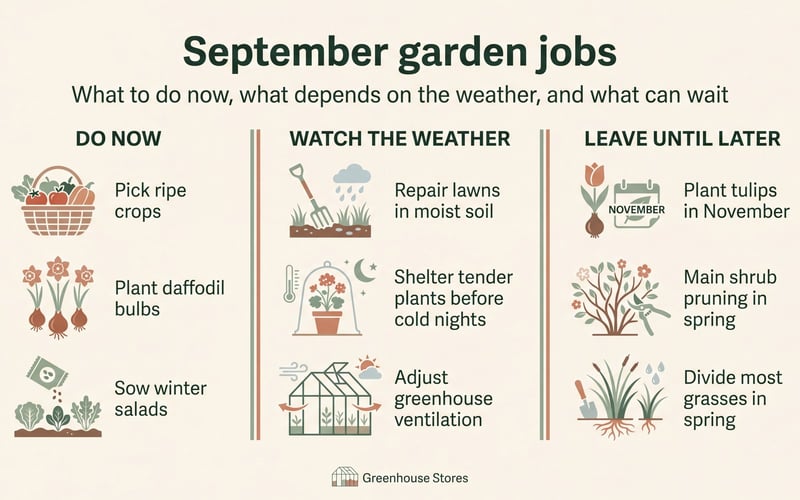
September gardening jobs include harvesting ripe crops, planting spring bulbs, repairing lawns and preparing tender plants for colder nights. There's still plenty to sow, especially winter salads in a greenhouse or cold frame. These 15 jobs cover the garden, vegetable patch and greenhouse. Start with the priorities below, then tackle other jobs as time allows.
September can feel like two seasons in the same week. Tomatoes are still ripening, while the first fallen leaves collect around the pots. You don't need to put the whole garden to bed. Keep enjoying what's growing, then make room for the next crop.
Key takeaways
- Pick ripe crops regularly and keep healthy plants growing while conditions allow.
- Plant daffodils and other early spring bulbs; save tulip planting for November.
- Sow suitable winter salads and plant out young spring cabbages.
- Repair lawns when the soil is moist and grass is growing.
- Clean greenhouse glazing, keep ventilation working and plan protection around your plants.
- Leave the main pruning of buddleia, hardy fuchsias and panicle hydrangeas until spring.
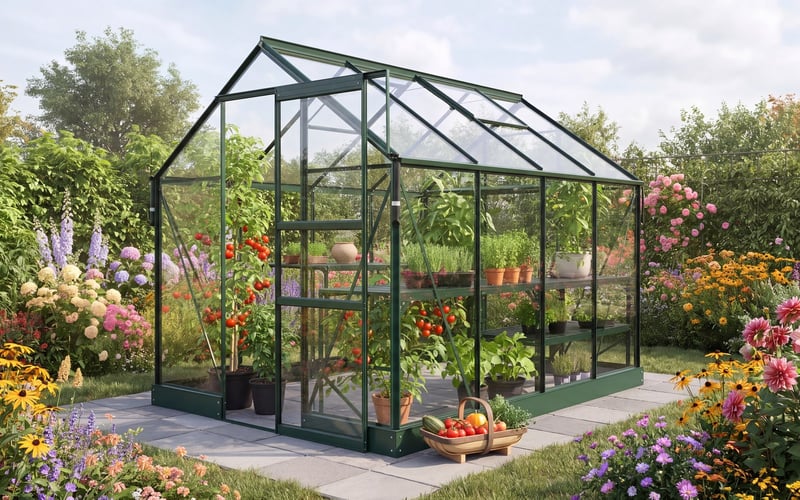
View and buy the Vitavia 8x6 Green Apollo 5000 Greenhouse — Toughened Glass
A greenhouse gives autumn crops a sheltered growing space.
Which September garden jobs should you do first?
Start with ripe crops, dry pots and any plants threatened by the forecast. Those jobs usually need attention before a general tidy-up.
Use this checklist to choose your next job. A mild, sheltered garden may still be in full growth when an exposed plot is turning chilly.
| Priority | What to do | What to check |
|---|---|---|
| Today | Pick ripe fruit and vegetables; water pots that need it | Crop ripeness and compost moisture |
| Next suitable dry day | Lift ready maincrop potatoes and collect ripe seed | Storage crops should be sound and dry |
| While soil is warm and moist | Plant bulbs, repair lawn patches and divide suitable perennials | Avoid working waterlogged soil |
| As greenhouse crops finish | Clear old plants and clean the space for autumn growing | Keep productive, healthy plants for now |
| Before a cold spell | Move tender plants to suitable shelter | Local forecast and each plant's needs |
| Later in autumn or spring | Plant tulips; carry out plant-specific pruning | November for tulips; spring for many late-flowering shrubs |
What should you harvest in September?
1. Keep picking beans and other summer vegetables
Pick runner beans while the pods are young, before the seeds become noticeably swollen. Check courgettes and cucumbers regularly too; they can become oversized surprisingly quickly.
Leave healthy plants in place while they're producing useful crops. September is a changeover month, so you don't need to clear a whole bed at once. Remove finished plants as space becomes available.
2. Lift maincrop potatoes when they're ready
Maincrop potatoes are usually ready as their foliage yellows and dies back. Lift a sample first to check the size and condition of the tubers.
Choose a dry day and take care with the fork. Let the potatoes dry before storing sound tubers in paper or hessian sacks somewhere cool, dark and frost-free. Use damaged potatoes promptly and discard any showing rot. Check stored crops regularly rather than forgetting them until winter.
3. Pick apples and pears as they mature
Apples are ready when they come away easily with a gentle lift and twist. Different varieties ripen at different times, so try a few before picking the whole tree.
Pears are usually picked while still firm and allowed to ripen indoors. Keep bruised fruit separate from anything you're storing. A small damaged patch can quickly spoil a fruit bowl or storage tray.
4. Help the last tomatoes ripen
Keep picking ripe tomatoes and watering consistently while plants are still cropping. Avoid letting pots become bone dry between waterings.
When outdoor plants are finishing, bring sound, mature unripe tomatoes indoors. Put them somewhere warm and dark, checking regularly for soft or mouldy fruit. A ripe banana alongside can help them ripen. There's no need to crowd them onto a sunny windowsill.
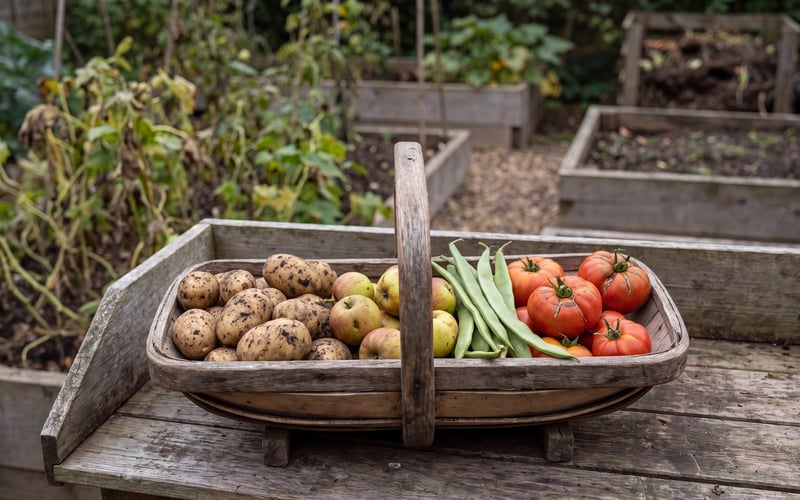
Keep picking ripe crops while plants are still producing.
What can you plant and sow in September?
5. Plant spring bulbs, with tulips saved for later
Daffodils, crocuses and hyacinths can go into borders and containers in September. Plant firm, healthy bulbs promptly rather than leaving them in a warm shed.
For most bulbs, a planting hole two to three times the bulb's height is a useful guide. Check the packet for the particular variety. Choose soil or potting compost that drains freely.
Save tulip planting for November. If you're late planting other spring bulbs, don't assume the display is lost. Plant sound bulbs as soon as you can, rather than storing them until next year.
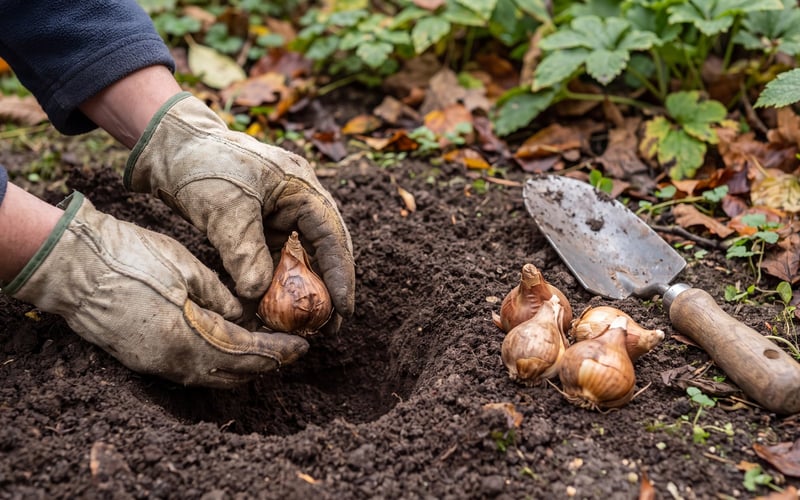
Plant daffodil bulbs with the pointed end facing upwards.
6. Sow winter salads in small batches
Winter lettuce, spinach and rocket are useful September sowings. Choose varieties whose packets include autumn sowing, and follow their spacing and temperature guidance.
Sow a manageable amount in pots, trays or a prepared bed. Under cover, keep seedlings somewhere bright and ventilate during warm weather. Growth slows as days shorten, so an autumn sowing won't grow at summer speed.
A sheltered growing space is useful for these crops. Our cold frame growing guide explains how to use the space through the year.
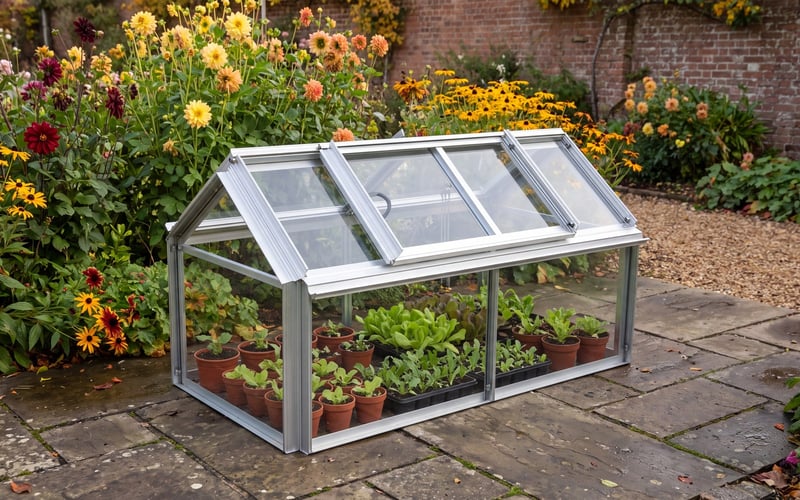
View and buy the Elite Min E Lite 4x2 Cold Frame
Young salad plants sheltered in the Elite Min E Lite 4x2 Cold Frame.
7. Plant out spring cabbages and overwintering onion sets
Young spring cabbages sown earlier in summer can be planted out now. Firm them in and water them well. Protect the plants from pigeons with securely fitted netting.
Plant onion sets labelled for autumn planting, following the supplier's spacing instructions. These are small bulbs, so this job is different from sowing onion seed.
Keep garlic and broad beans on your autumn planning list. Their planting dates depend on the variety and growing conditions; they aren't automatic jobs for September's final week.
8. Sow hardy annuals and collect ripe seed
Autumn-sown hardy annuals can provide flowers earlier next year. Cornflowers and calendula are options where the packet recommends autumn sowing. Use a prepared patch of soil or pots under cover.
Collect ripe seed on a dry day. Let it dry fully before putting it in labelled paper envelopes. Add the plant name and collection date; unlabelled envelopes are much less useful come spring.
What are the greenhouse jobs for September?
9. Clear finished crops and clean the glazing
Clean the greenhouse as summer crops finish, making room for autumn salads and overwintering plants. You can work through it in sections if tomatoes are still producing.
Remove old plant material, spilled compost and weeds beneath staging. Wash empty pots and trays before reusing them. Clean glazing with a suitable mild cleaning solution and a soft brush, following the greenhouse manufacturer's care instructions.
Clear gutters and check that doors and vents move freely. Deal with damaged glazing or loose fittings before autumn winds arrive.
10. Adjust shading, watering and ventilation
Reduce shading gradually as the days shorten and temperatures ease. Keep checking conditions inside: a sunny September afternoon can still warm a greenhouse quickly.
Open vents when needed and adjust them as temperatures fall. Water according to the compost and the crop, rather than following a fixed summer routine. Morning watering gives wet surfaces more time to dry before nightfall.
If pots stay wet for longer, space them out and check their drainage. Clearing a little room around plants makes routine checks easier too.
11. Plan winter protection around what you're growing
The plants you want to keep determine whether your greenhouse needs insulation or heating. Hardy winter salads have different needs from tender plants.
Bubble insulation reduces heat loss, but also blocks some light. It doesn't generate heat or guarantee frost-free conditions. Check that you can still open vents, and use a minimum–maximum thermometer to see how cold the greenhouse gets overnight.
If insulation suits your winter plans, browse our greenhouse lining and insulation options. Match any fittings to your greenhouse frame. Where heating is needed, choose suitable equipment with thermostatic control and follow its installation instructions.
Which garden maintenance jobs matter in September?
12. Divide suitable perennials after flowering
Divide congested summer-flowering perennials when the soil is workable and the plants have finished flowering. Hardy geraniums and daylilies are useful examples.
Lift the clump, separate healthy sections with roots attached, then replant and water them in. Discard a tired, woody centre if there is healthy growth around the outside.
Leave plants that are still flowering to finish their display. Save division of most ornamental grasses until spring, rather than treating every clump in the border alike.
13. Repair the lawn while it's growing
September is a good time to repair bare patches when the soil is warm and moist. Rake the surface, sow suitable grass seed and keep the area moist while it establishes.
An established lawn may also benefit from removing excess thatch or aerating compacted areas. Choose the work it actually needs; you don't have to scarify every lawn every autumn.
Wait if the ground is waterlogged or the grass is struggling through drought. If feeding is needed, use a product suitable for autumn and follow the application rate.
14. Move tender plants before cold weather arrives
Prepare a suitable overwintering space before you need it. Check plants for pests before bringing them into a greenhouse, conservatory or other sheltered position.
Watch your local forecast instead of relying on one frost date for the whole UK. Exposed gardens and frost pockets can cool much sooner than nearby sheltered plots.
A cold frame is useful for sheltering suitable plants from wind and rain. It won't keep every tender plant safe during freezing weather. If you're short of covered space, our range of cold frames includes options for smaller gardens.
15. Tidy selectively and leave the main shrub pruning
Clear slippery paths and remove diseased plant material. Leave some healthy seedheads and stems standing to provide food and shelter for wildlife.
If falling leaves are overwhelming a pond, use suitable pond netting and check it regularly for trapped wildlife. Add healthy garden trimmings to the compost heap, mixing soft material with drier, woody pieces.
Avoid a blanket autumn cutback. The main pruning of buddleia, hardy fuchsias and Hydrangea paniculata belongs in spring. Check the plant before reaching for the secateurs.
A manageable plan for the rest of September
The spring shrub-pruning reminder applies to buddleia, hardy fuchsias and panicle hydrangeas.
Choose a few jobs for each visit to the garden. Keep harvesting between the larger tasks, and change the order when the weather calls for it.
| When you have time | Suggested jobs |
|---|---|
| A short evening visit | Pick ripe crops, check pots and look over tender plants |
| A dry morning | Lift ready potatoes, collect seed or clear gutters |
| A mild afternoon | Plant bulbs, divide a suitable perennial or repair a lawn patch |
| A wet day indoors | Sort seed packets and plan where plants will spend winter |
| A gap between greenhouse crops | Clean the empty space and sow the next batch of salads |
For the next set of seasonal tasks, see our October garden and greenhouse checklist.
Frequently asked questions
What are the main gardening jobs for September in the UK?
Harvest crops, plant spring bulbs, sow winter salads and prepare for colder nights. Repair lawns and divide suitable perennials while conditions allow. Use the local forecast to decide when tender plants need shelter.
What vegetables can I sow in September?
Sow suitable varieties of winter lettuce, spinach and rocket. Check seed packets for autumn sowing dates. Young spring cabbages and overwintering onion sets are planted out, rather than treated as fresh seed sowings.
What should I cut back in September?
Remove diseased growth and tidy plants according to their individual pruning needs. Leave the main pruning of buddleia, hardy fuchsias and panicle hydrangeas until spring. Healthy seedheads can stay for wildlife and winter interest.
Is September too late to plant spring bulbs?
No, September is a good month for planting many spring bulbs. Plant daffodils, crocuses and hyacinths promptly, and usually leave tulips until November. Follow planting instructions for the bulbs you've bought.
Can I sow grass seed in September?
Yes, September often provides suitable conditions for sowing grass seed. Choose a period with warm, moist soil and keep the seedbed from drying out. Postpone the job during drought or waterlogging.
Should I insulate my greenhouse in September?
Insulate when your plants and local conditions justify the loss of light. Prepare the materials early, but avoid covering the glazing simply because September has arrived. Keep ventilation available and monitor overnight temperatures.
What if I haven't finished my September garden jobs?
Prioritise ripe crops and plants at risk from the forecast weather. Many planting and maintenance jobs can continue into autumn when conditions suit. There's no need to rush every task into the last weekend of September.